
Hwange
CITW Zambezi & IUCN unveil sustainable livestock farm, vocational centre

BY JOSEPHINE BESTIC
Children in the Wilderness (CITW) and the International Union for Conservation of Nature (IUCN) are proud to join forces to unveil a pioneering sustainable farming initiative known as the Wilderness Ngamo Livestock Farm and Vocational Centre in Zimbabwe.
Ground was officially broken on July 30, marking the start of this innovative sustainable farming initiative.
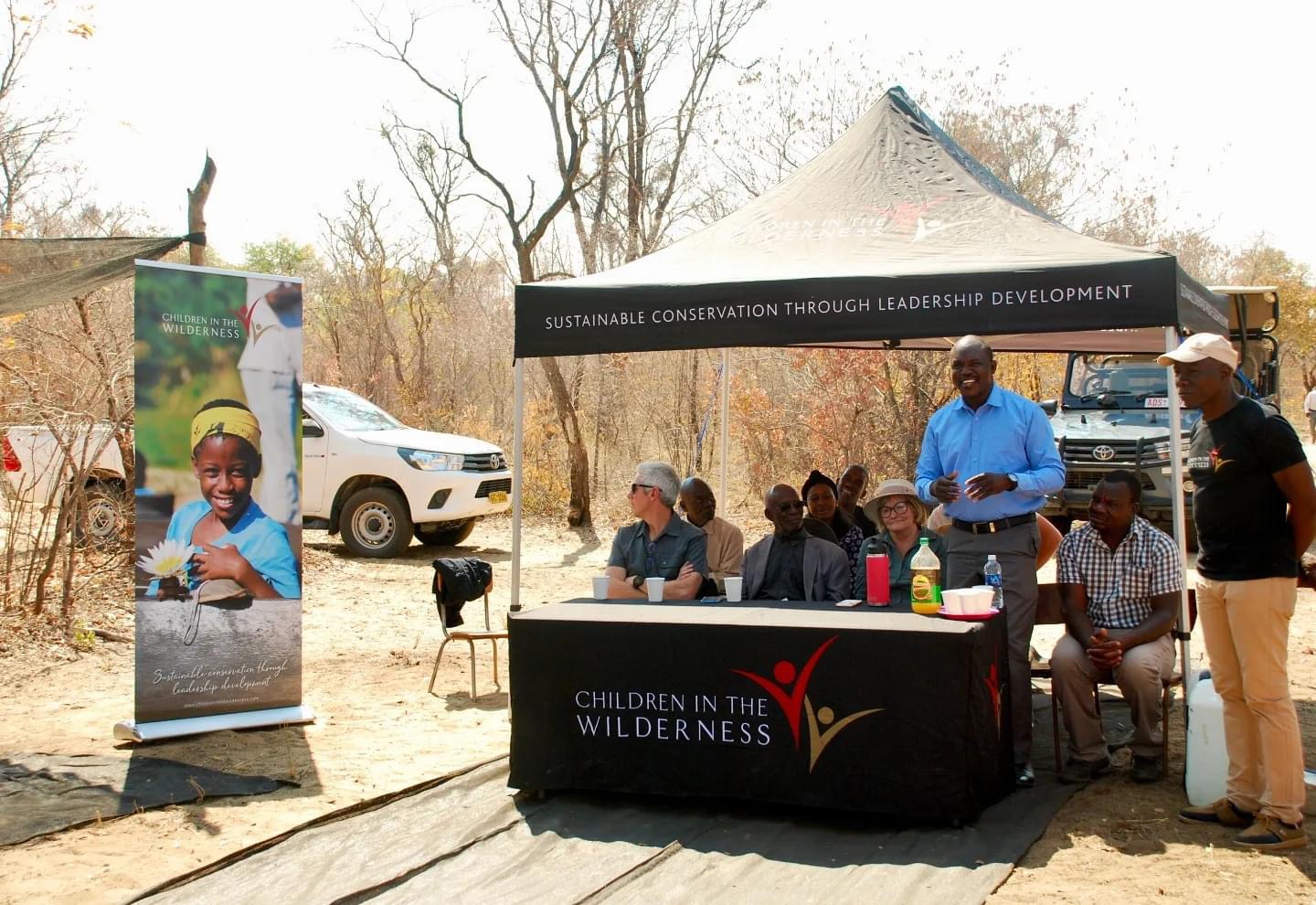
Located between the rural communities of Ngamo and Ziga near Wilderness Linkwasha in Hwange National Park, that is a part of the Kavango–Zambezi Transfrontier Conservation Area (KAZA TFCA), the project aims to leverage the region’s suitability for livestock farming. It seeks to establish a community farm, complete with an abattoir, while also offering opportunities for sustainable agricultural training. By empowering these two communities and their 190 households, the initiative aims to foster a self-sustaining cultivated ecosystem that not only benefits residents and the local economy, but also provides skills training, education, job creation, and ultimately, a good business model to supply Wilderness and other safari camps in the area with staff rations.
“This is a significant milestone for CITW and Wilderness, achieved after years of planning and hope to get it off the ground. Now, thanks to the support and collaborative efforts of our partners at the IUCN, local stakeholders, and the SADC TFCA Financing Facility who funded this initiative, we are thrilled to have secured the necessary funds to bring this remarkable facility to life”, noted Sue Goatley, Wilderness Zambezi Impact Manager.
This endeavour will serve as both a working cattle farm and a training centre for students seeking accredited training. True to our core Impact strategy, it embodies our commitment to fostering positive change within the communities where we operate, offering numerous ongoing empowerment opportunities”, she added.
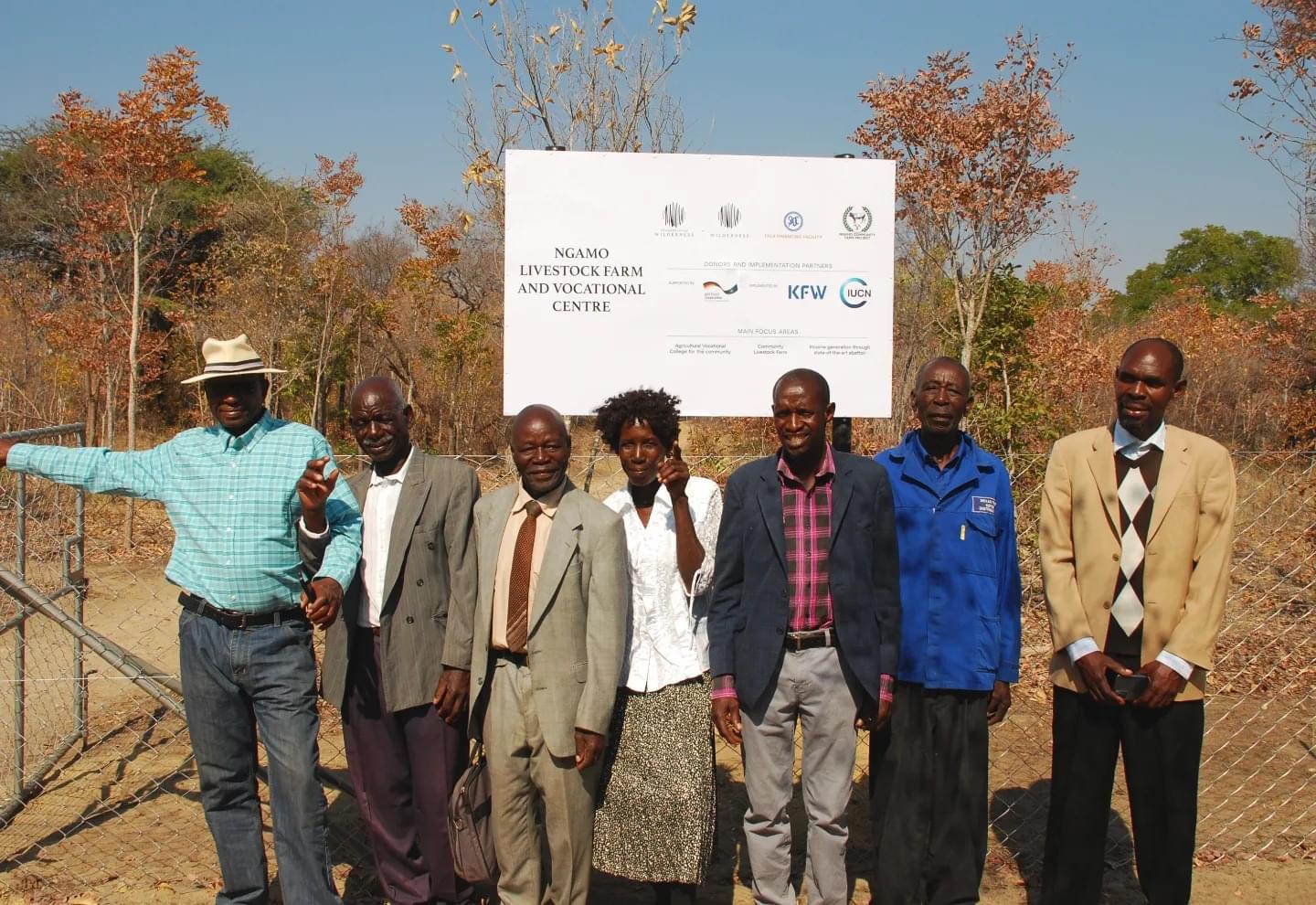
By establishing an agricultural training centre with boarding facilities, Wilderness and the IUCN aim to accommodate up to 40 school leavers aged 17 to 25, offering a one-year diploma programme accredited by the Ministry of Education. This will provide students with the practical and theoretical farming skills necessary for employment in the agricultural sector. In the event that they are unable to secure formal employment, these skills will also enable them to enhance their subsistence farming practices, thus contributing to community capacity building and empowering the next generation of agrarian leaders.
“We are excited to work with Wilderness on this project for several reasons – firstly, as an opportunity to work with private sector in deploying alternative livelihoods for local communities living near Hwange National Park. Secondly, the high potential for this project to unlock income opportunities for communities through a guaranteed existing value chain in Wilderness camps in this region (for agricultural produce); and finally, the project is not just an opportunity for youth empowerment through training and agricultural enterprises, but also aims to reduce the pressure on the unsustainable harvesting of natural resources. This project is being implemented in the Zimbabwean component of the Kavango Zambezi Transfrontier Conservation Area (KAZA TFCA), and we’re confident that it will contribute towards the objectives of this TFCA”, says Kudakwashe Chigodo, Team Leader at the SADC TFCA Financing Facility (IUCN).
The initiative embodies a holistic approach to empowering local farmers through diverse agricultural strategies, including livestock improvement, crop cultivation, training, as well as an abattoir construction. By incorporating viable farming techniques, farmers can enhance resilience to climate change and ensure the long-term productivity of their agricultural systems. Additionally, the project seeks to diversify crop production by cultivating leafy and region-appropriate vegetables, generating additional income through the sale of surplus produce, and enhancing nutrition and food security within the community.
The construction of an abattoir will further contribute to economic development by creating a commercial food source that’s able to supply meat and vegetables back to Wilderness’ regional staff and camps. “In doing so, the project achieves a full and comprehensive cycle, fostering sustainable agricultural practices, bolstering food security, and driving economic development within our partner communities at Ngamo and Ziga.”concluded Goately.
SOURCE: Children in the Wilderness
BY NOKUTHABA DLAMINI
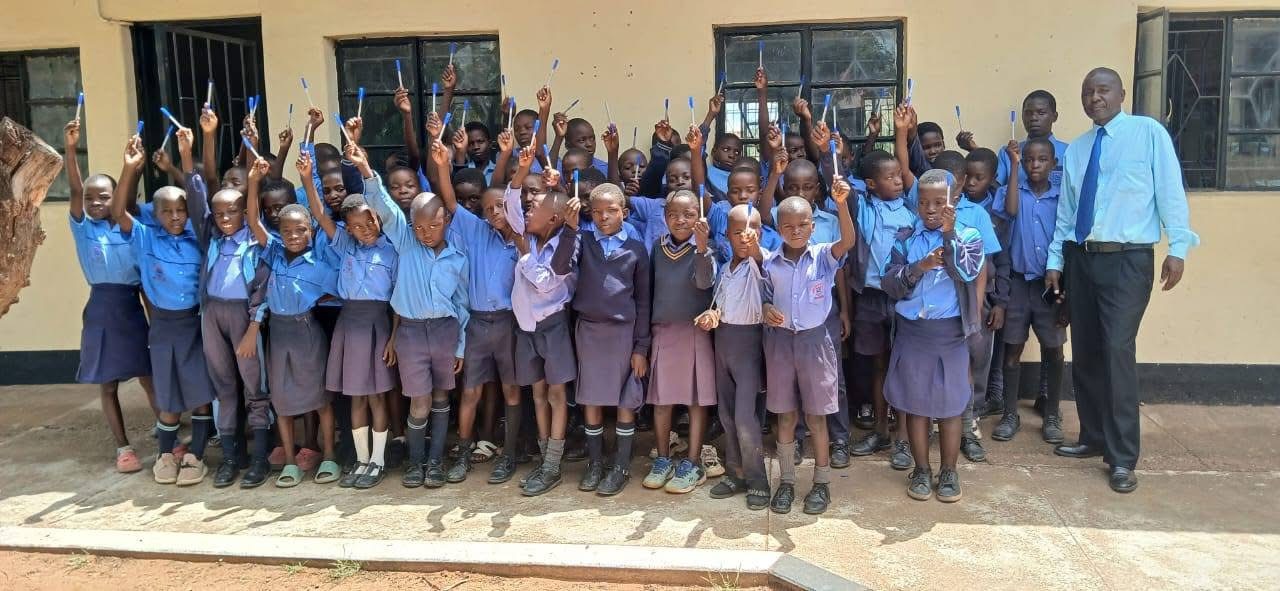
For Obert Dube, a renowned African poet, the stage is no longer just a place for performance; it has become a platform for a massive humanitarian effort aimed at Zimbabwe’s most vulnerable children. Since November, Dube has traversed the rugged terrains of Matabeleland North and South, visiting over 100 schools to provide essential supplies to students who, much like his younger self, are struggling to stay in the classroom.
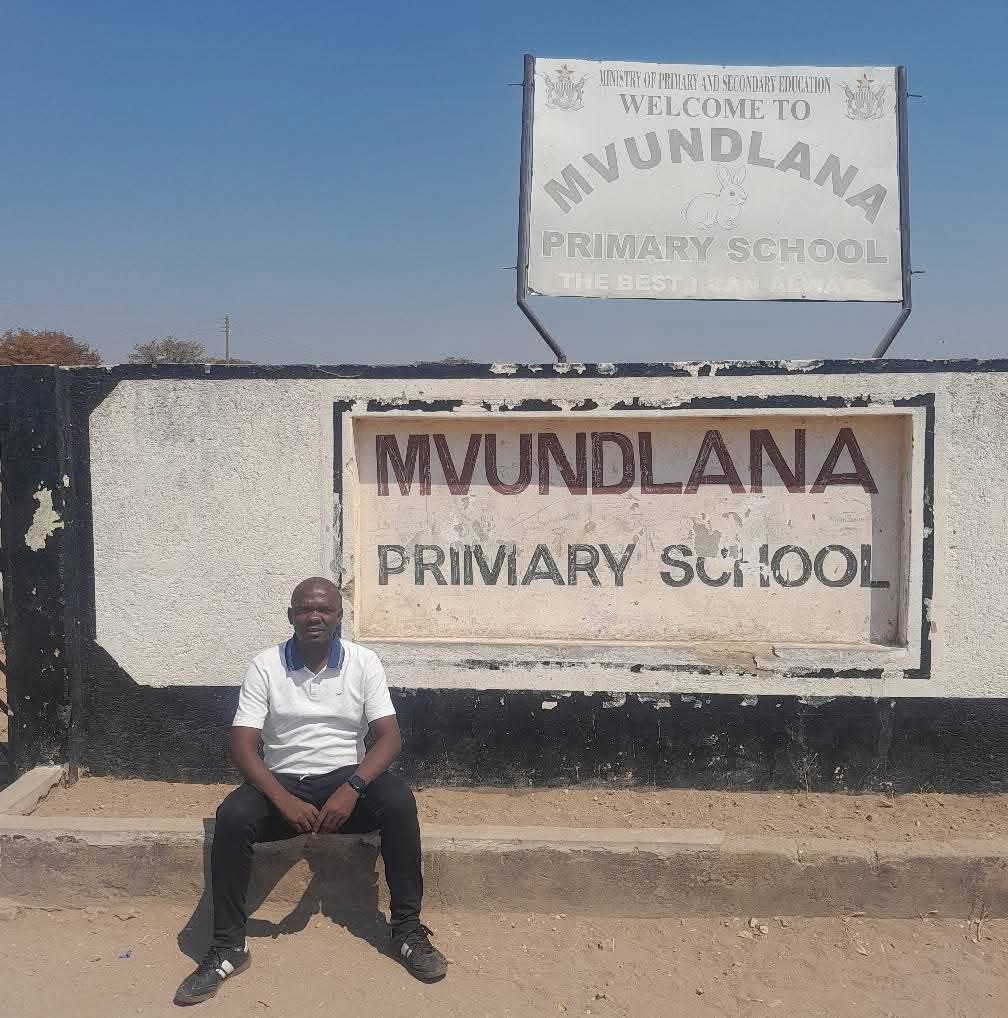
Obert Dube
Dube, who describes himself as an “African poet… born and bred in Zimbabwe,” has dedicated his career to what he calls a “mission of mercy.” His work focuses on children who are often forced to drop out due to a lack of school fees or basic stationery. “I’m an African poet… a philanthropist engaged in a special mission,” Dube said in a recent interview. “I help vulnerable children… who sometimes fail due to school fees. Some approach me for help with registering for examinations.”
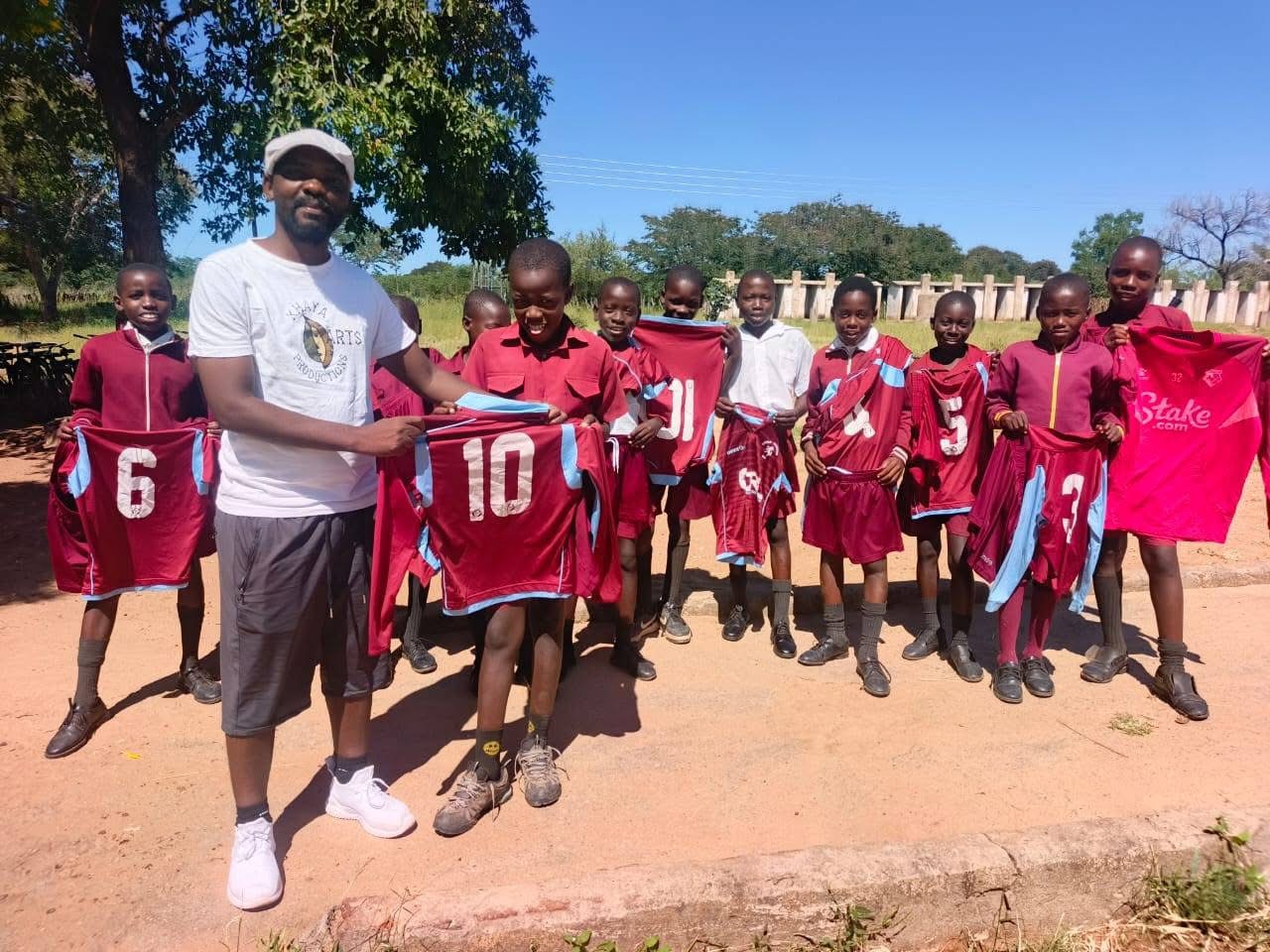
The poet’s motivation is deeply rooted in his own childhood trauma. Raised by a widowed mother who passed away before his final exams, Dube became a “child parent” at a young age. He recalls the humiliation of attending school in borrowed uniforms and the struggle of trying to learn without the most basic tools. “I remember some raised by elderly grandparents… their parents are passed on,” Dube explained, noting that many guardians cannot afford books. “They will spend the rest of the time at school without writing, and that is what is contributing to low pass rates.”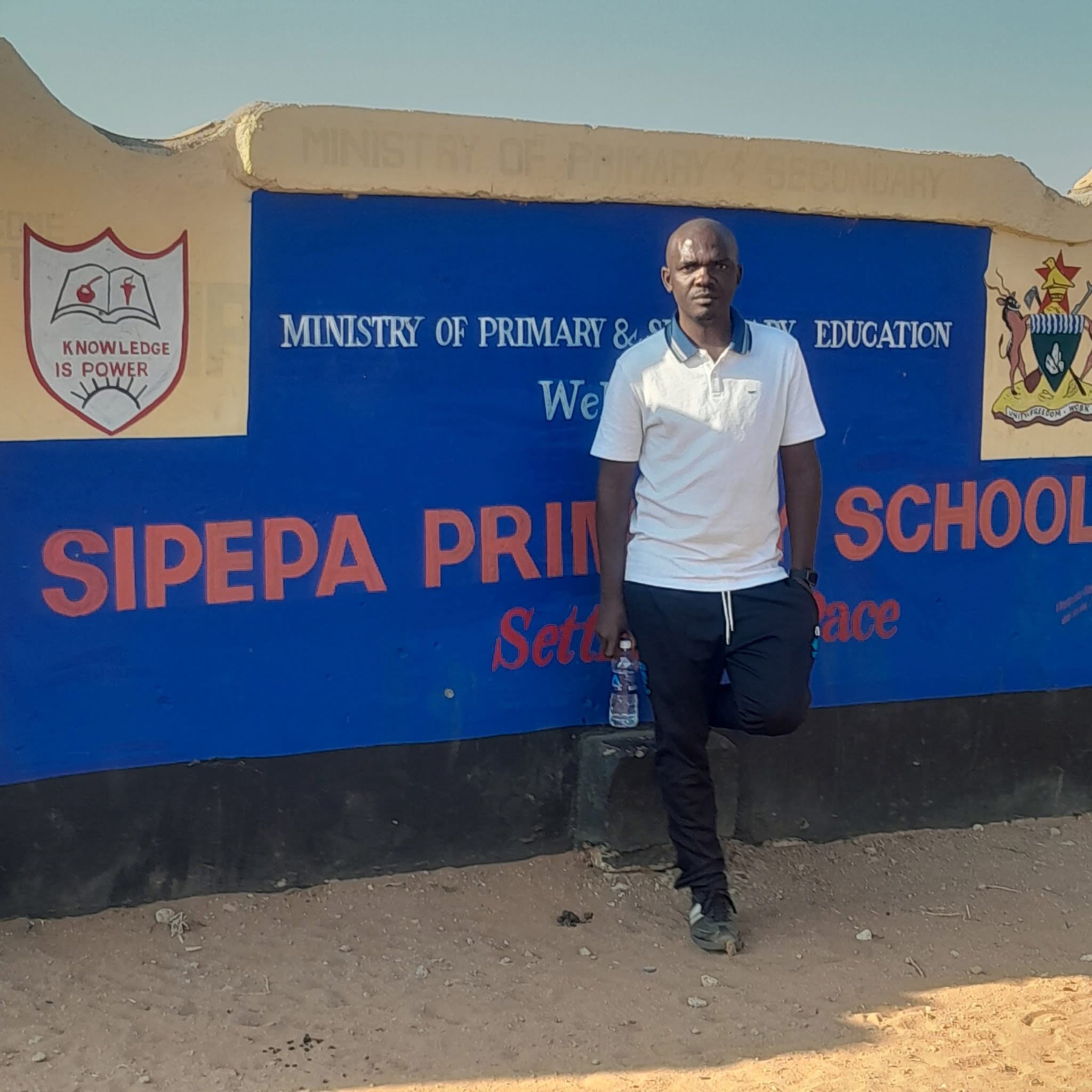
To fund this initiative, Dube allocates 30 percent of his earnings from every performance to purchase stationery and pay school fees. His reach has expanded to districts including Nkayi, Binga, Lupane, and Hwange. While he started alone, his social media presence has attracted global support, including a Zimbabwean-born UK citizen who recently donated football kits for the schools. “This is a different thing collectively that builds helping our own communities,” Dube said.
-

 Slider3 years ago
Innscor launches brewery to produce Nyathi beer
-

 National5 years ago
In perched rural Matabeleland North, renewable energy is vital
-

 Tourism and Environment4 years ago
Strive Masiyiwa’s daughter opens luxury Victoria Falls lodge
-

 Special reports4 years ago
Tinashe Mugabe’s DNA show’s popularity soars, causes discomfort for some
-

 Opinion4 years ago
A street art mural in Zimbabwe exposes a divided society
-

 National4 years ago
Victoria Falls’ pilot dies in helicopter crash
-

 National3 years ago
Commission of inquiry findings fail to be tabled as Victoria Falls councillors fight
-

 National3 years ago
Hwange coal miner fires workers over salary dispute