Connect with us

Slider

Southern Africa’s Sustainable Use Coalition slams CITES CoP20 decisions as “punishing success” and “killing with kindness”

Published

on

BY NOKUTHABA DLAMINI 

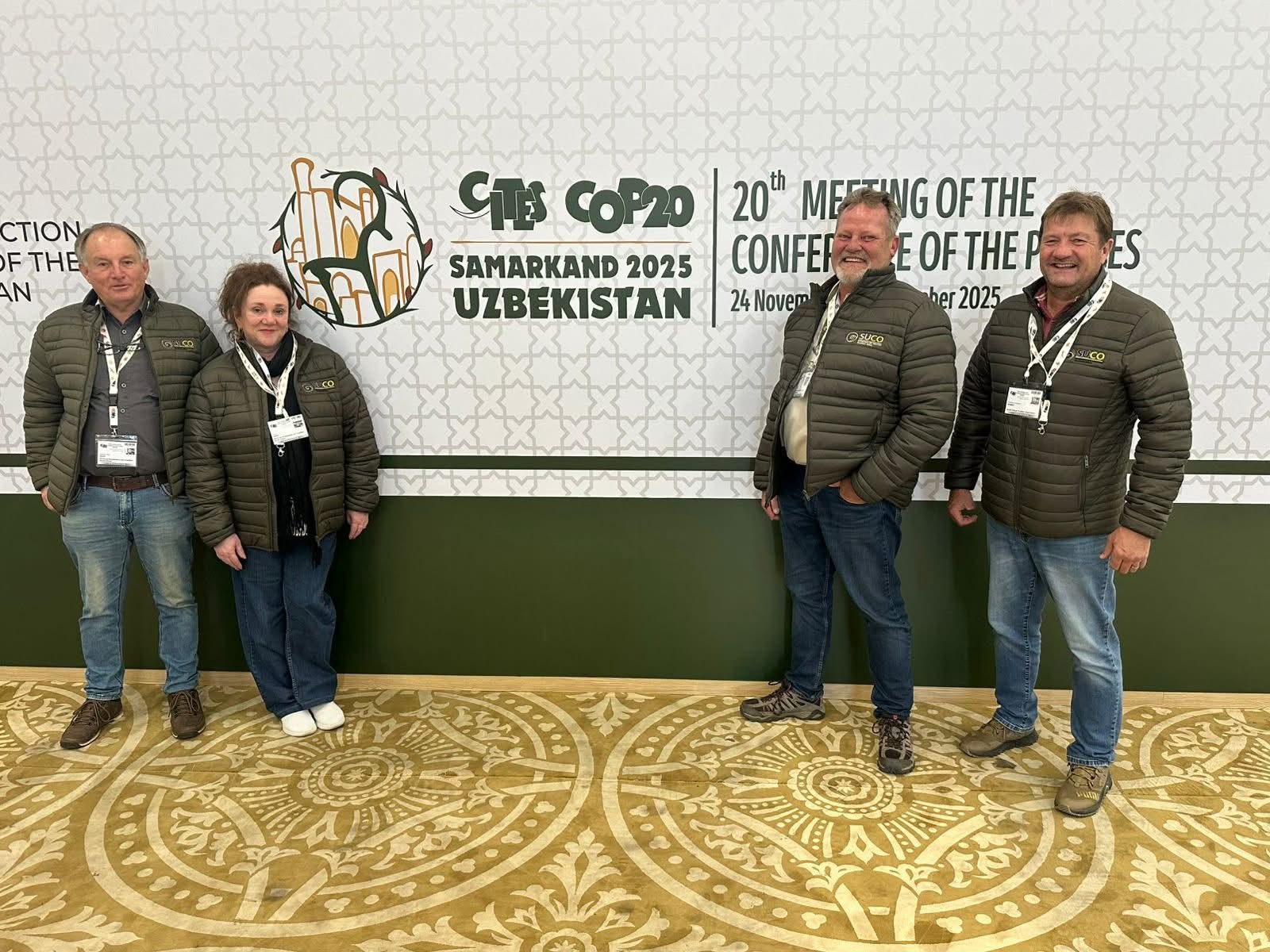
The Sustainable Use Coalition Southern Africa (SUCo-SA) has issued two strongly worded statements criticising decisions made at the CITES CoP20 conference in Uzbekistan, accusing Parties of undermining conservation success in southern Africa and ignoring evidence from range states.

Advertisement

In the first statement, SUCo-SA Vice Chair and the Confederation of Hunters Association of South Africa CEO Stephen Palos condemned the vote rejecting a proposal to remove the abundant southern giraffe from Appendix II. The proposal received 49 votes in favour, 48 against and 38 abstentions — including the 27-member EU bloc — falling short of the two-thirds majority required.

Palos called the outcome “yet another travesty of justice at the CITES CoP,” arguing that the decision reflects “a world dominated by an emotion before science philosophy in conservation.”

He singled out opposition from several African countries, saying:

Advertisement

“The most vocal objections made came from African countries with shocking records in conservation… where poaching, conflict, poverty, and desperation have decimated their wildlife, and now sell their souls to global anti-use/animal-rightist NGOs.”

Palos said the Chair “overlooked Eswatini and allowed none of the observer organisations an opportunity to speak,” forcing South Africa to call for a vote despite having “superbly presented” the proposal.

According to SUCo-SA, evidence showed that southern giraffe populations in Angola, Botswana, Eswatini, Malawi, Mozambique, South Africa, Zambia and Zimbabwe are “overwhelmingly increasing, with only one population reported as stable, and not a single population showing decline.”

Advertisement

The statement said this success is the result of “decades of effective national legislation, management frameworks, investment by private and community custodians, and sustainable-use incentives.”

But SUCo-SA argues that countries with no giraffe populations or poor conservation performance are influencing decisions that harm nations managing wildlife successfully.

“Once again, CITES (Convention on International Trade in Endangered Species of Wild Fauna and Flora) has managed to punish success and reward failure in conservation. And real people in southern Africa pay the price in hunger and deprivation.”

Advertisement

SUCo-SA: CITES Parties “killing with kindness” on rhino horn and ivory

In a second statement titled “CITES Parties Killing with Kindness at CoP20 – Rhino Horn & Ivory,” the SUCo-SA Executive criticised what it described as a predictable pattern where CITES Parties praise southern African conservation results while refusing to support related proposals.

The coalition said:

Advertisement

“They start by congratulating southern African range states for their ‘outstanding successes’… And then, without pause, they immediately announce that they will not support the proposal.”

The statement argued that many countries rejecting downlisting proposals come from regions where rhino or elephant populations have “collapsed or are entirely absent,” and that 47 years of trade bans and demand-reduction campaigns have failed.

“If 47 years of demand-reduction campaigns and trade bans have not saved rhino or elephants, at what point do we acknowledge that this approach is not working?” the coalition asked.

Advertisement

The statement questioned the positions of the EU, UK and USA, asking why they continue to “punish African conservation successes while rewarding failures” and why they “elevate the views of non-range states and discount the data, management systems, and lived realities of the countries that actually protect these species on the ground.”

According to SUCo-SA, southern African countries deserve practical support, not diplomatic praise that leads to policy obstruction.

“In the most diplomatic but patronising manner, southern African countries are told, in effect, to ‘go to hell, but enjoy the trip.’ This is what we mean when we say they are killing with kindness.”

Advertisement

The coalition said African states are “not asking for applause; they are asking for recognition of proven results” and the policy space to continue what works.

The statement concludes with a challenge to the global convention:

“CITES must decide whether it wants to remain a forum guided by evidence and sovereignty, or one led by political theatre and external pressure. The future of rhino and elephant conservation depends on that choice.”

Advertisement

Continue Reading
Click to comment

Leave a Reply

Your email address will not be published. Required fields are marked *

Hwange

CDF-funded borehole brings relief to Hwange ward 5

Published

on


BY NOTHANDO DUBE

Advertisement

Daniel Molokele has announced the successful rollout and verification of solar-powered boreholes across several wards in Hwange Central, describing the development as a major boost for communities long affected by water shortages.

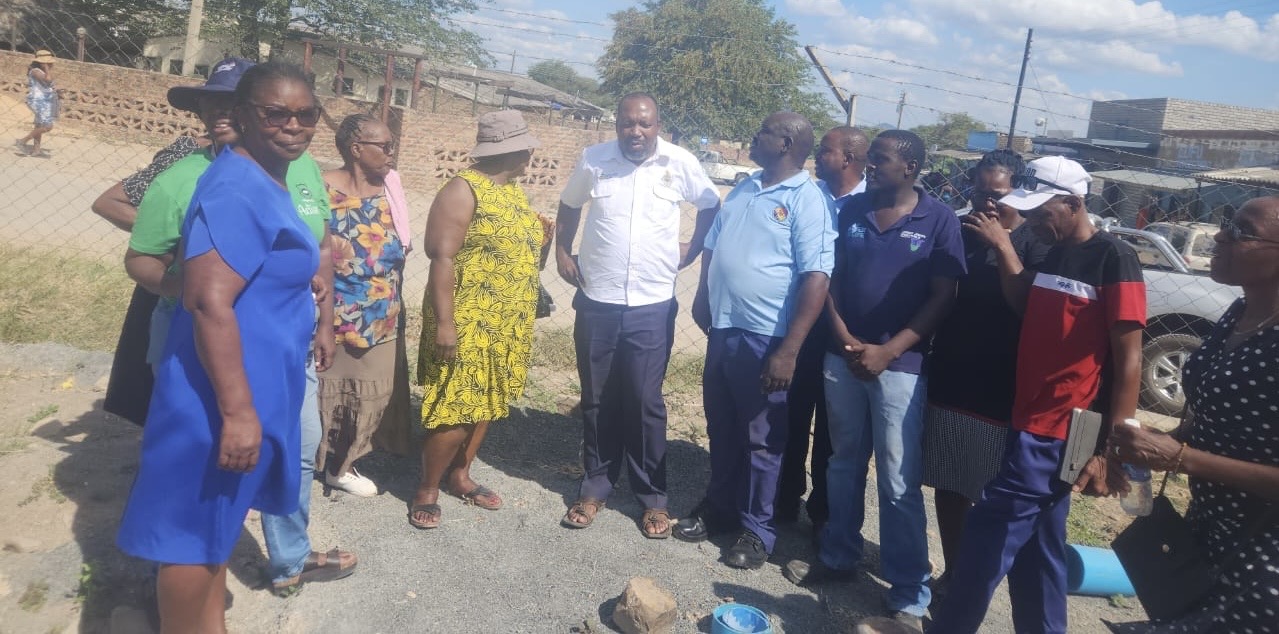
In a statement issued Friday, Molokele confirmed that a solar-powered borehole in Ward 5 is now fully operational, bringing relief to residents who have endured prolonged periods without reliable water supplies. Community members reportedly expressed “absolute delight” at the development, citing the borehole as a critical intervention.

The Ward 5 project is part of four boreholes installed under the 2024 Constituency Development Fund (CDF). According to the MP’s office, verification visits conducted on April 17 across Wards 1, 4, 5 and 6 confirmed steady progress.

Advertisement

Ward 4 and Ward 6 boreholes have been operational since February, already serving local populations. In Ward 1, installation is nearly complete, with service expected imminently.

Molokele’s office also revealed that delays in Ward 5 were due to funding shortfalls after CDF allocations were exhausted. The MP personally covered an outstanding US$2 000 to ensure completion.

Meanwhile, Ward 14 remains without a borehole despite being included in the original proposal. Officials acknowledged ongoing water challenges in the area and said efforts are underway to mobilise additional funding to complete the project.

Advertisement

Local leaders, councillors and ward development committees participated in the verification exercise alongside the project contractor, who provided technical assessments at each site.

Advertisement
Continue Reading

National

Malaria surge persists in Zimbabwe despite interventions, rural communities struggle

Published

on

BY NOTHANDO DUBE

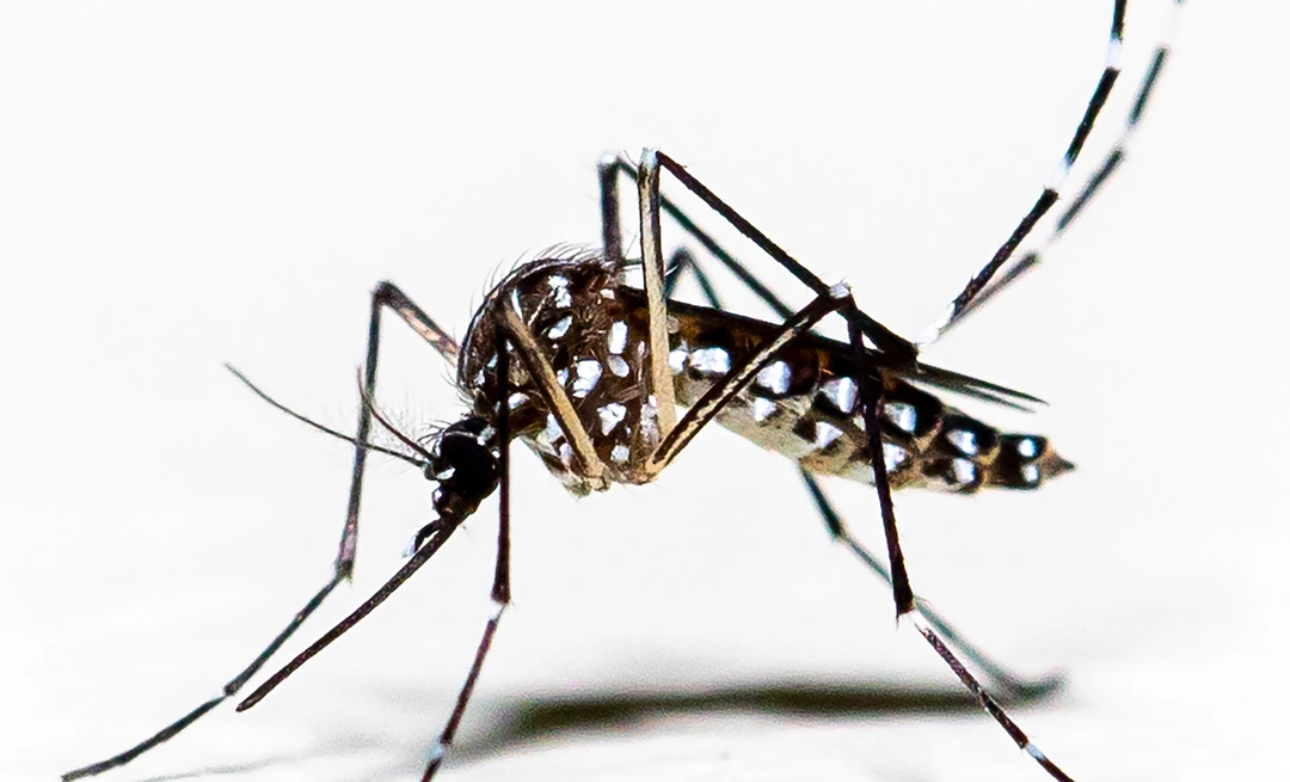
Zimbabwe is experiencing a sharp rise in malaria cases in 2026, with health experts warning that funding gaps, climate pressures and persistent transmission in high-risk areas are reversing years of progress.

Advertisement

Latest figures from the Ministry of Health show that by mid-April, the country had recorded over 65 000 malaria cases and 174 deaths, nearly double the numbers reported during the same period in 2025. The increase follows the premature closure of the Zimbabwe Assistance Programme in Malaria (ZAPIM), which had supported key prevention and control efforts.

Save the Children said the end of the programme has contributed to shortages of insecticide-treated mosquito nets, delays in vector control operations and weakened disease surveillance, particularly in vulnerable rural communities.

The Community Working Group on Health (CWGH) also warned that Zimbabwe recorded 154 000 malaria cases and 423 deaths in 2025, linking the continued spread of the disease to erratic rainfall, flooding and rising temperatures that have expanded mosquito breeding sites.  

Advertisement

In malaria-prone districts such as Binga, frontline health workers say the disease remains difficult to contain despite ongoing interventions.

Village health worker Margaret Bernard from Tindi said communities continue to receive support, including mosquito nets, medication and other supplies, but challenges persist.

“We do get assistance to fight malaria because Binga is prone to the disease. We receive mosquito nets, medication and other support,” she said. “But even with these interventions, it is still difficult to fully contain malaria here. The cases keep coming, especially during the rainy season.”

Advertisement

Zimbabwe had previously made significant progress in reducing malaria cases, with infections dropping sharply between 2023 and 2024 due to sustained investment and coordinated efforts. However, experts warn that without renewed funding and stronger community-level responses, those gains could be lost.

“Malaria remains preventable and treatable, but deaths are rising again,” CWGH said, calling for urgent action to strengthen prevention, improve treatment access and secure long-term funding.

Advertisement
Continue Reading

Slider

Tourist hospitalised after elephant attack

Published

on

BY STAFF REPORTER 

A 65-year-old Japanese tourist has been seriously injured after being attacked by an elephant near Victoria Falls, according to the Zimbabwe Parks and Wildlife Management Authority (ZimParks).

Advertisement

In a statement on Thursday, ZimParks spokesperson Luckmore Safuli said Hidetoshi Matsumoto was attacked on Wednesday morning while walking alone along Big Tree Road, a route frequently used by visitors near the Victoria Falls Big Tree.

“A 65-year-old Japanese man by the name Hidetoshi Matsumoto, who was staying at the Rainbow Hotel in Victoria Falls, was attacked and injured by an elephant while walking along the Big Tree Road,” Safuli said.

He said the incident occurred at around 8 am.

Advertisement

“The circumstances surrounding the incident are that on 22 April 2026 at around 0800 hours, Hidetoshi Matsumoto was alone walking along the Big Tree Road when an elephant emerged from nowhere and attacked him. Hidetoshi sustained severe injuries all over his body and was immediately rushed to Health Bridge Private Hospital for medical treatment,” he added.

Matsumoto was taken to Health Bridge Private Hospital, where he is receiving treatment.

ZimParks said rangers had been deployed to track down what it described as the “problem elephant”.

Advertisement

“Meanwhile, ZimParks rangers are on the ground searching for the problem elephant,” Safuli said.

He added that further details would be released as investigations continue and efforts to locate the animal progress.

Wildlife authorities have previously warned visitors to exercise caution when walking in areas bordering national parks, where wild animals can roam freely.
SOURCE: CITE

Advertisement

Continue Reading

Trending

Copyright © 2022 VicFallsLive. All rights reserved, powered by Advantage