Connect with us

Slider

A guardian’s legacy: PDC honours Greg ‘Gibby’ Gibbard as painted dog successes grow

Published

on

BY NOKUTHABA DLAMINI

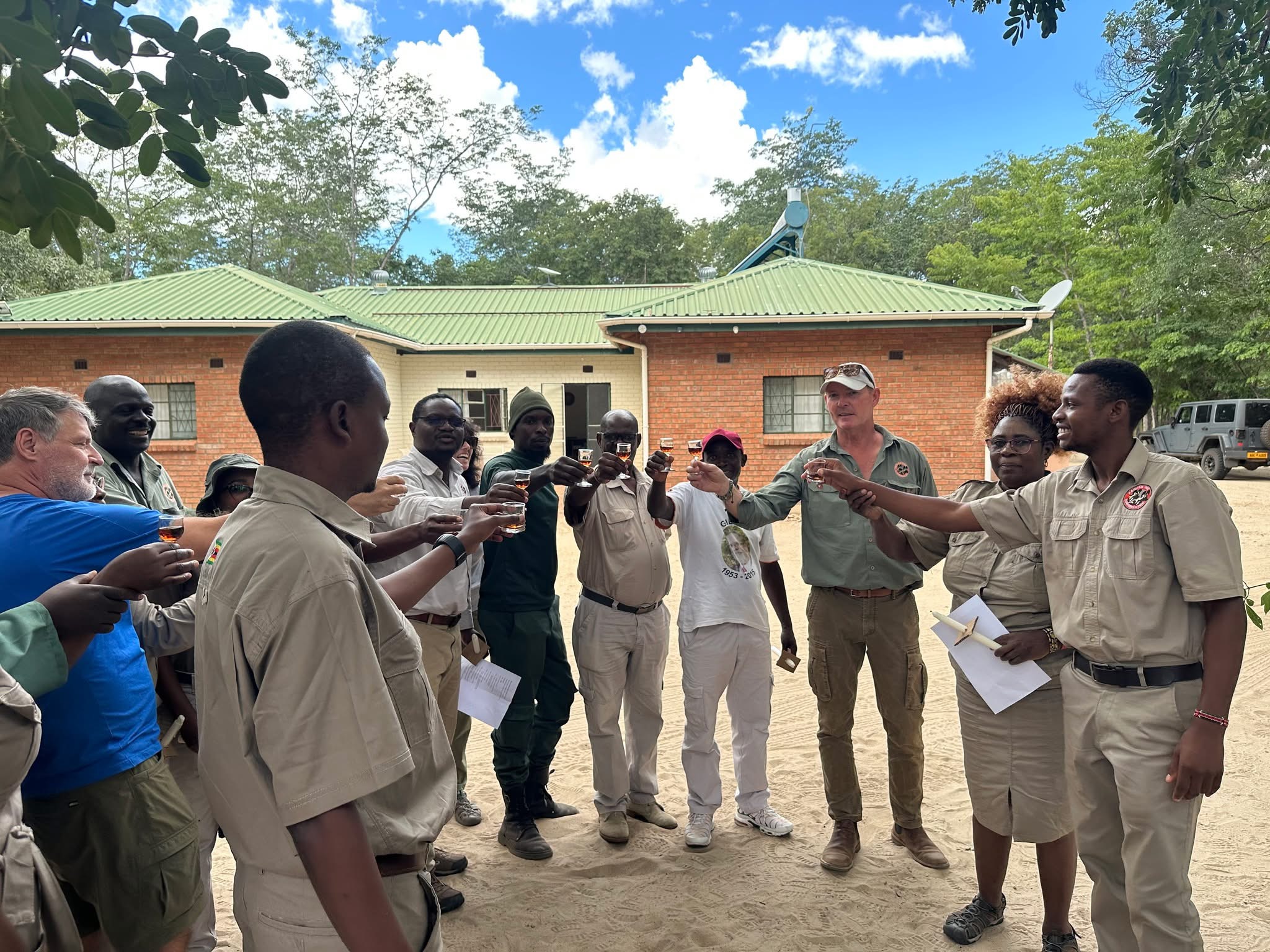
In a poignant tribute that has resonated across the conservation community, Painted Dog Conservation (PDC) recently gathered to honour the memory of Greg ‘Gibby’ Gibbard, a man whose life was inextricably linked to the survival of the African wild dog. Gibbard, who passed away in 2015, is being remembered not just for his years of service, but for a legacy that continues to safeguard one of the continent’s most endangered predators.

Advertisement

The Facebook remembrance, shared by Maria of PDC, highlights a life defined by “unwavering courage” and a refusal to let the story of the painted dog end. While the region continues to grapple with intense poaching pressure—including a recent surge in illegal traps that has seen thousands of snares removed from the bush—the focus of this week’s memorial is on the “hope and resilience” that Gibbard instilled in the mission.
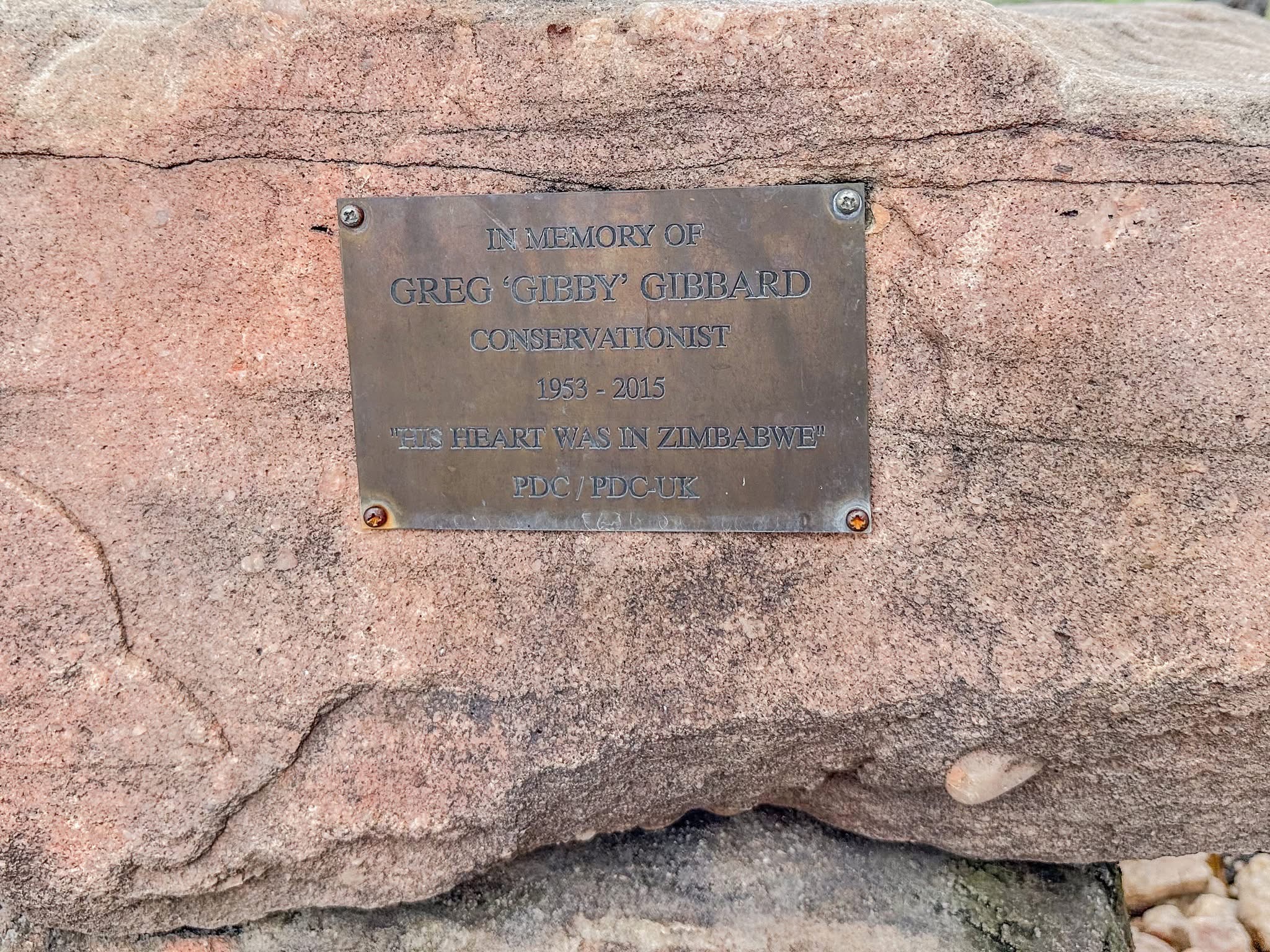
Tracking Footprints in the Sand

For those who knew him, Greg’s work was far from the polished image of modern wildlife tourism. It was characterized by “long days in the bush, tracking fading footprints in dust and sand,” and the relentless, often exhausting effort of “educating communities and inspiring young conservationists.”

Maria noted that Gibbard stood as a “guardian of a species that many had forgotten,” recognizing early on that the survival of the patchwork-coated dogs was “inseparable from our own future.” His dedication spanned “sleepless nights worrying about disease and disappearing habitat,” a commitment that laid the foundation for the sophisticated tracking and research operations used by PDC today.

Advertisement

A Legacy of Resilience: The Umkhonto Pack

The success of modern interventions is widely seen as a continuation of Gibbard’s vision. A primary example is the Umkhonto Pack, which has become a “flagship example of science-driven, field-based conservation”.
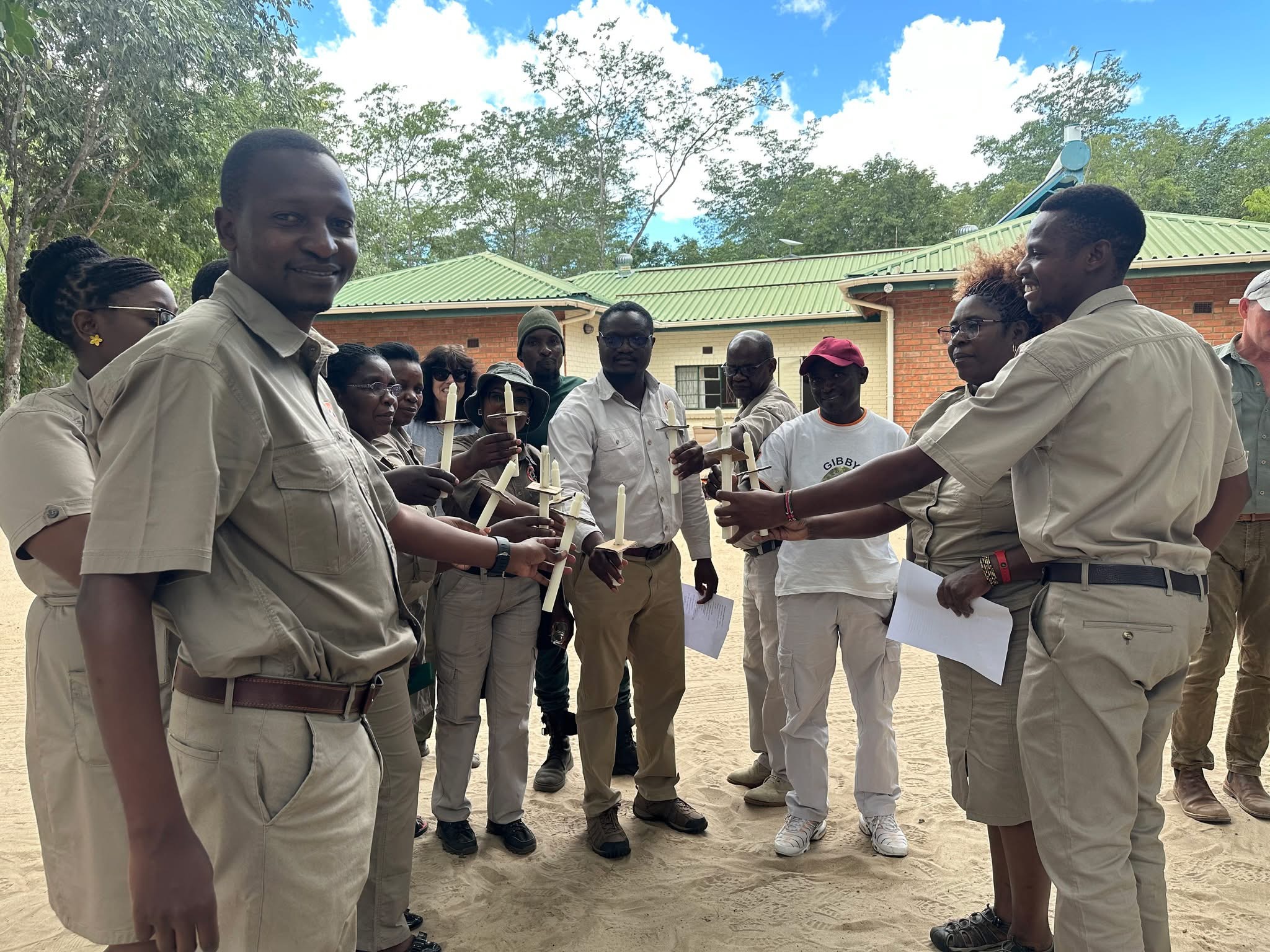
Image by PDC

Though the park faces ongoing challenges with illegal snaring in communal areas, the protection of this specific pack has been a resounding victory. According to the latest PDC data:

Eight healthy pups were successfully raised during the last denning season with no mortalities .
 The pack has stabilized at 19 individuals , now ranging within the safety of Hwange National Park.
The integration of research and tracking technology—methods Gibbard championed—led to the arrest of eleven poachers in the pack’s territory.

Advertisement

The “Shadows of the Savanna” Live OnAs the conservation community marks a decade since his passing, the presence of these “remarkable predators” remains the ultimate tribute to his life. The current population in the Hwange and Sinamatela regions is robust, with several monitored packs carrying the torch of his efforts.

The Emerald pack, which has reached 22 individuals, and the Batsha pack , with 20 dogs, are thriving examples of the “unbreakable family bonds” Maria spoke of in her tribute . Other groups, including the Kingsbury, Linkwasha, Chowato, Cave, Intundla, Khumbula, and Garikamwe packs, continue to move like “shadows across the savanna at sunrise,” fulfilling Gibbard’s dream of a wilderness that still echoes with their high-pitched calls.

“May we honour Greg’s memory not only with words, but with action,” the tribute concluded.
Advertisement

Continue Reading
Click to comment

Leave a Reply

Your email address will not be published. Required fields are marked *

In the community

Nkayi’s mortuary crisis leaves families racing against time

Published

on

BY NOKUTHABA DLAMINI

When an elephant trampled Mbusi Mabhena to death two weeks ago in Mthoniselwa village in Nkayi, his family’s grief was swiftly compounded by another ordeal.

Advertisement

By the following day, he had been buried.

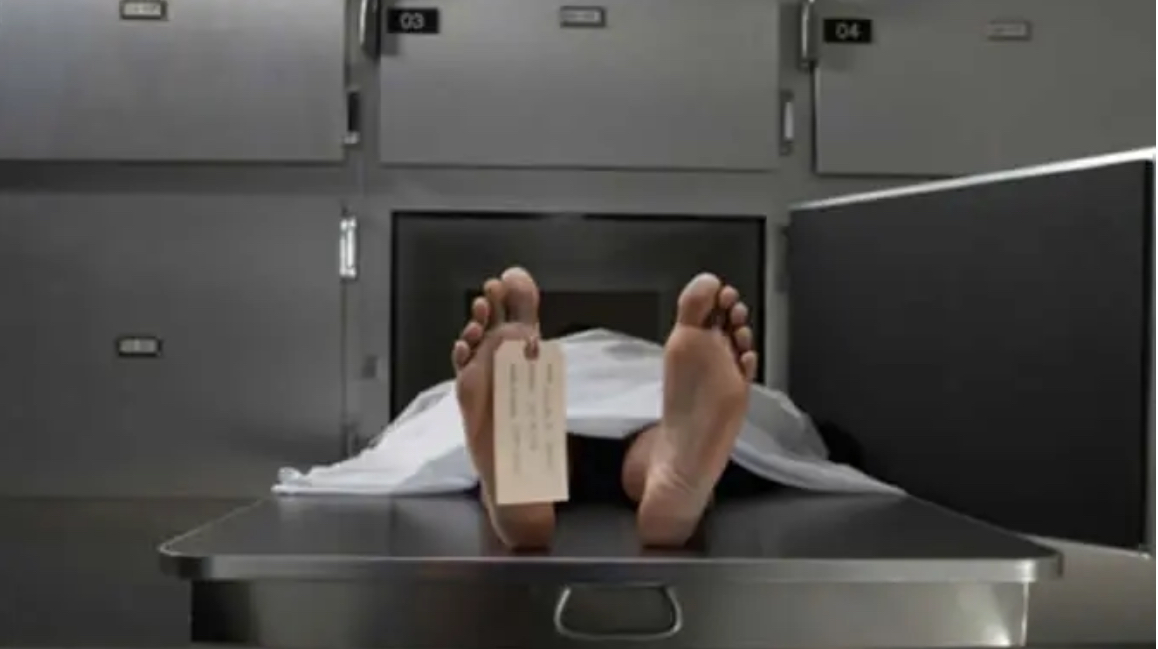
In Ward 13 of Nkayi district, there was no time for a traditional week-long wake or a post-mortem examination. There is no mortuary.

Local leaders say immediate burials have become common in parts of Nkayi and neighbouring Lupane, where families cannot preserve bodies due to a lack of cold storage facilities.

Advertisement

Weston Msimango, the councillor for Ward 13, said Mr Mabhena’s body was covered with sand before burial in an attempt to slow decomposition.

“It has become normal for people to be buried within 24 hours,” he said. “We have no facilities to keep them.”

The problem centres on Mbuma Mission Hospital, the main referral hospital for Nkayi and Lupane districts. Despite serving thousands of people, it has never had a mortuary.

Advertisement

For many villagers, transporting a body to cities such as Bulawayo or Gweru is too expensive. As a result, families resort to improvised methods to manage the smell of decomposition while making urgent burial arrangements.

Thandiwe Moyo, from Mkalathi village, said families often use sand and bananas to try to reduce odours while waiting for a few relatives to gather.

“To bury someone you love within 24 hours, without a proper goodbye because there is no cold room, feels like we are disposing of trash rather than honouring a life,” she said.

Advertisement

Residents say the lack of basic infrastructure contrasts sharply with the political rallies occasionally held in the district.

Jabulani Hadebe, the Member of Parliament for Nkayi South, has criticised what he describes as a lack of political will to address the issue.

He pointed to a large 2023 election rally in the area, attended by senior political figures, as an example of misplaced priorities.

Advertisement

“Leaders had an opportunity to visit the hospital, see what was missing and help,” he said. “Instead, the focus was on displays of wealth.”

Hadebe also alleged that some people who attended the rally were given spoiled food and later fell ill, though this claim could not be independently verified.

Sibusiso Sibanda, from Gonye village, said residents struggle to reconcile the arrival of luxury vehicles at rallies with the absence of a basic mortuary facility.

Advertisement

“They can come with big cars and give out meat, but they cannot finish a small room at Mbuma to keep the dead,” he said.

He added that without funeral insurance or money for transport, families have little choice but to bury relatives quickly.

“In the morning you are alive. If you die and you do not have a funeral policy, by evening you are in the sand,” he said. “There is no dignity left.”

Advertisement

Villagers in Somakantane said the absence of a mortuary has also disrupted cultural practices that require the body to remain at home for several days before burial.

The situation is not unique to Nkayi. Lawmakers have raised similar concerns in Binga, where some hospitals also operate without mortuary facilities.

Despite the issue being raised in Parliament, there has been no formal response from the government indicating when mortuaries might be built or repaired in affected districts.

Advertisement

The Ministry of Health’s spokesperson, Donald Mujiri, could not be reached for comment.

SOURCE: CITE

Advertisement
Continue Reading

National

Zimbabwe export surge, diaspora inflows mask funding gaps in foreign affairs sector

Published

on

BY STAFF REPORTER 

Zimbabwe is seeing strong gains in export earnings and diaspora remittances, but lawmakers warn chronic underfunding is undermining the country’s diplomatic and economic ambitions.

Advertisement

Parliament heard that remittances reached about $1.8 billion by the third quarter of 2025, while exports rose sharply, helping cut the trade deficit. Lawmakers said the diaspora remains “a vital source of foreign exchange, directly contributing to the enhancement of the nation’s foreign reserves and overall economic stability.”  

However, MPs said financial constraints are weakening the institutions meant to sustain that growth. The Zimbabwe Foreign Services Institute received only a fraction of its budget, limiting recruitment and training.

“The staffing shortfall has inevitably affected operational efficiency and the institute’s ability to discharge its core mandate,” the committee report noted.  

Advertisement

Lawmakers warned that without consistent funding, gains in exports and diaspora engagement could stall, particularly as Zimbabwe pushes toward an export-led economy.

Advertisement
Continue Reading

National

Government pushes vaccines drive as MPs warn of rural access gaps, misinformation

Published

on

BY NOKUTHABA DLAMINI 

Zimbabwean lawmakers have called for urgent action to close immunisation gaps, warning that rural communities remain vulnerable due to weak access and persistent misinformation.

Advertisement

Speaking during Africa Vaccination Week, MPs said vaccines remain “among the most effective, equitable and transformative public health interventions,” but coverage remains uneven.  

“Persistent gaps endure, particularly in rural and underserved areas where barriers of access, awareness and trust continue to impede full immunisation coverage,” one legislator told Parliament.  

Lawmakers urged stronger investment in cold-chain systems and public engagement campaigns, stressing that immunisation is not just a health issue but “a strategic development imperative” tied to productivity and national growth.  

Advertisement

Continue Reading

Trending

Copyright © 2022 VicFallsLive. All rights reserved, powered by Advantage