Cabinet has officially approved a transformative National Wildlife Policy, marking the first major overhaul of the sector’s regulatory framework in over three decades.
Advertisement
For the communities of Matabeleland North—from the elephant-dense corridors of Hwange to the tourism heartbeat of Victoria Falls—the policy promises a radical shift in how local people coexist with and benefit from the country’s natural heritage.
Presented by Finance minister Mthuli Ncube on Tuesday, the new policy acknowledges that the wildlife sector has been “remarkably transformed” since the current laws were enacted in 1992.
The updated framework seeks to align Zimbabwe with modern international best practices, moving toward a “vibrant wildlife-anchored economy” that directly supports national development.
Advertisement
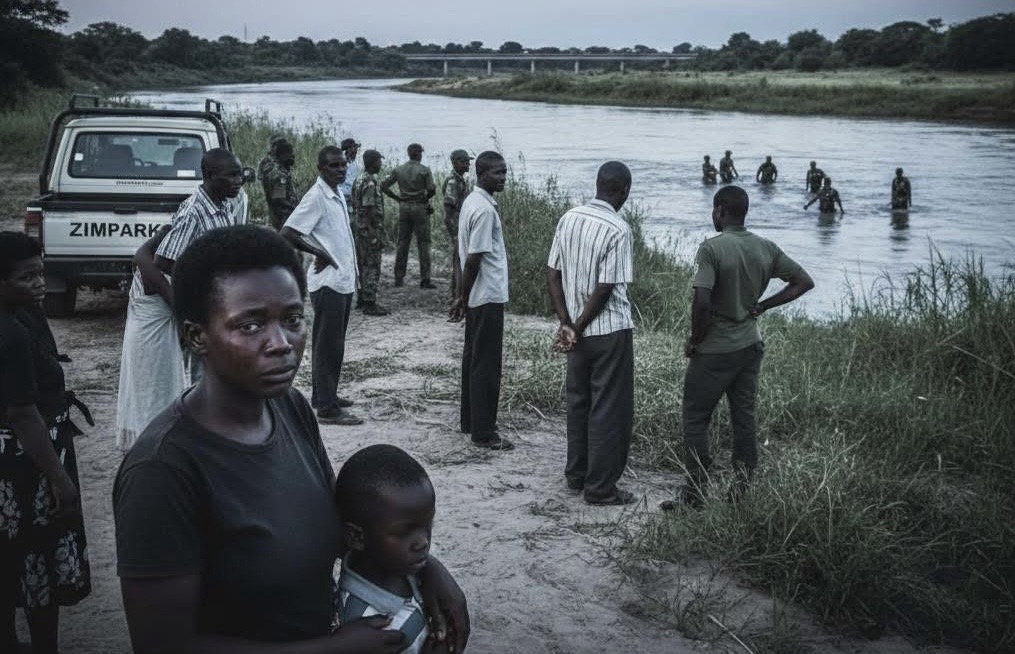
For residents of Hwange and Victoria Falls, the most critical breakthrough is the policy’s explicit focus on human-wildlife conflict (HWC).
The framework provides for the implementation of the Human-Wildlife Conflict Relief Fund, specifically designed to provide benefits and support to victims of wildlife encounters.
This is paired with new regulations for CAMPFIRE (Communal Areas Management Programme for Indigenous Resources) and the establishment of dedicated wildlife corridors to reduce dangerous interactions between animals and human settlements.
Advertisement
The policy is built upon 10 strategic pillars, including community-based natural resources management and the equitable sharing of benefits.
Crucially, the government now recognises wildlife as a “public resource,” with the policy aiming to support devolution and enhance “active community participation.”
This ensures that present and future generations in Matabeleland North are not just neighbours to the game reserves, but active stakeholders in its socio-economic success.
Advertisement
However, community members say the success of the policy will depend on how effectively benefits are devolved to grassroots level.
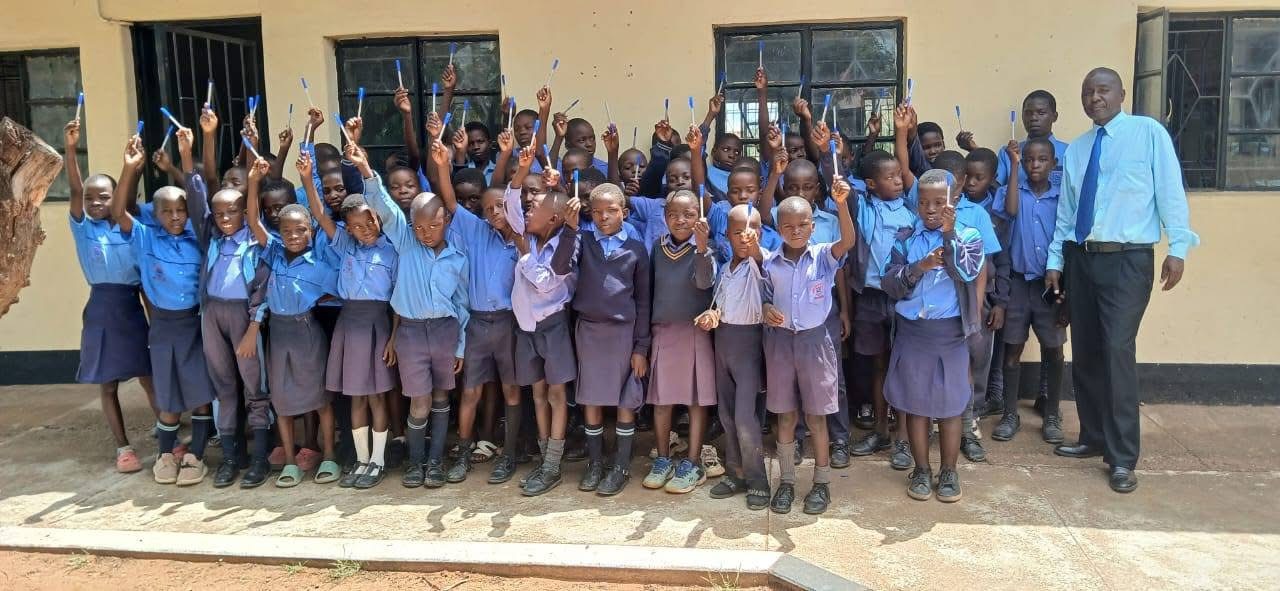
“We have heard policies before, but what matters is whether the money reaches us,” said a Hwange villager, Eslina Ndlovu from Nemanhanga. “Our schools are struggling, some do not even have adequate classrooms or learning materials. If wildlife revenue is coming from our areas, it should help improve our education system.”
Another villager,Joseph Mwembe from Vukuzenzele village under Chief Mvuthu, echoed similar sentiments, calling for investment in health services. “We are living with wildlife every day, but our hospitals are not equipped. We don’t have proper referral hospitals or machines. If this policy is serious about supporting communities, then we must see that money building clinics, equipping hospitals, and improving services here in Matabeleland North,” he said.
Advertisement
Villagers stressed that without tangible improvements in infrastructure and social services, the policy risks falling short of its intended impact.
“If communities do not benefit in real terms, then it defeats the whole purpose of calling wildlife a national resource,” added Ndlovu.
The policy also introduces measures for fisheries conservation and the protection of indigenous plant species, with strict penalties for violations that threaten resource sustainability.
Advertisement
Powered by ikigai Africa
· Questions generated automatically from this article
A newly elected Ward 19 headman was among three people injured in a road traffic accident in Mathetshaneni Village earlier this week while travelling from a meeting linked to his installation.
Advertisement
The accident occurred on a sharp curve along a dusty road near Somathetshane Bridge, where villagers say poor visibility may have contributed to the collision.
According to witnesses, a bus travelling westwards had just passed through the area, leaving behind a thick cloud of dust. Moments later, another vehicle travelling behind the bus allegedly attempted to overtake despite the reduced visibility.
The overtaking vehicle reportedly collided with a blue pickup truck carrying the headman and two other occupants, who were travelling in the opposite direction.
Photographs taken after the accident show extensive damage to the front section of the pickup truck and the other vehicle.
Three people were injured in the crash. Villagers said one occupant sustained head injuries while others suffered cuts and bruises.
Advertisement
One of the injured men, believed to have been driving the pickup truck, remained admitted in hospital as of Wednesday. Community members said there were concerns he may have suffered a fracture, but further medical assessment was delayed after the local hospital reportedly experienced challenges with X-ray services, forcing him to seek additional examinations elsewhere.
The driver of the other vehicle is understood to have escaped with minor injuries.
Villagers who spoke to VicFallsLive described the accident site as a hazardous section of road where dust and poor visibility frequently create dangerous driving conditions, especially during the dry season.
Advertisement
Meanwhile, the traditional leadership succession process continued on Thursday at the Malindi homestead in Mathetshaneni Village.
Mlibazisi Malindi- Sibanda was formally installed as headman, succeeding his late father, Walter Malindi-Sibanda, who died during the Covid-19 period.
Advertisement
Powered by ikigai Africa
· Questions generated automatically from this article
Parliament has requested information on how mining revenue generated in Binga is contributing to local development amid growing calls for communities to benefit more directly from natural resources found in their areas.
Advertisement
In a question directed to the Minister of Finance, Economic Development and Investment Promotion, Joseph Cumanzala seeks details on the amount of revenue generated from mining operations in Binga District and how that revenue is being allocated or reinvested into development projects in the Zambezi Valley.
The question further asks how Binga is being integrated into national development plans and which priority projects have been earmarked for the district.
The issue speaks directly to a broader national debate around resource governance and whether communities living in resource-rich areas are receiving a fair share of the economic benefits generated from their regions.
Advertisement
Residents and civic groups have long argued that improvements in infrastructure, health services, education and water supply should be visible in areas contributing to national economic activity.
Advertisement
Powered by ikigai Africa
· Questions generated automatically from this article
The long-awaited Matabeleland North Provincial Hospital is back on Parliament’s agenda, with government being asked to provide an update on the project’s progress and expected completion date.
Advertisement
According to the National Assembly Order Paper of Tuesday, Hwange MP Daniel Molokele has asked the Minister of Health and Child Care to inform Parliament on the latest progress regarding construction of the Matabeleland North Provincial Hospital in Lupane and whether there is a specific timeline for its completion.
The question revives attention on a project that many residents have viewed as critical to improving access to specialist health services in the province.
Matabeleland North remains one of Zimbabwe’s largest provinces by land area, with residents often travelling long distances to access referral health services in Bulawayo and other urban centres.
Advertisement
For communities in districts such as Binga, Hwange, Tsholotsho, Nkayi and Lupane, the completion of the provincial hospital has long been seen as a key step towards strengthening healthcare services closer to home.
The parliamentary question comes as communities continue to raise concerns over access to healthcare, shortages of specialised services and the costs associated with travelling outside the province for treatment.
Advertisement
Powered by ikigai Africa
· Questions generated automatically from this article