
Slider
Zimbabwe pushes youth-centred, rights-based, and community-driven reforms ahead of CITES CoP20


BY NOKUTHABA DLAMINI
As the world prepares for the 20th Conference of the Parties (CoP20) to the Convention on International Trade in Endangered Species of Wild Fauna and Flora (CITES), Zimbabwe has outlined a bold and comprehensive policy agenda that shifts global discussions beyond ivory and toward broader issues of sustainable use, human rights, and community empowerment.
In an exclusive interview with VicFallsLive, Dr. Agrippa Sora, board chairman of the Zimbabwe Parks and Wildlife Management Authority (ZimParks), said the country’s proposals are anchored on a simple but transformative message: wildlife conservation must deliver real benefits to the people living with wildlife.
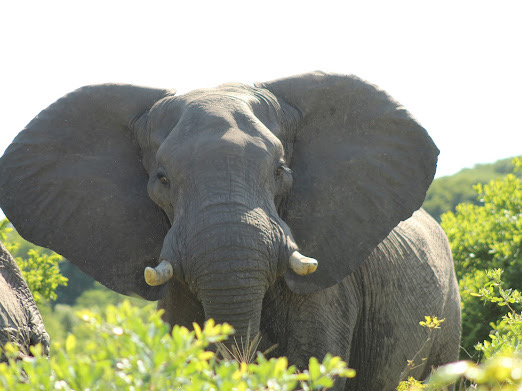 Key proposals Zimbabwe taking to CITES CoP20
1. Commercial trade in elephant leather products
Zimbabwe is pushing for approval to engage in regulated commercial trade in elephant leather products. Authorities argue that this form of value addition can bring economic gains to local communities, promote sustainable use, and reduce reliance on donor funding.
2. A formal voice for communities within CITES
Zimbabwe is advocating for the establishment of an Advisory Body or Community Forum within CITES, ensuring that the voices of rural people—who coexist with wildlife—formally shape decisions on international trade, conservation restrictions, and benefit-sharing.
This push echoes one of the founding principles of CITES, which acknowledges that “peoples and States are and should be the best protectors of their own wild fauna and flora.”
3. Recognition of human rights within conservation governance
Zimbabwe’s delegation wants CoP20 to acknowledge the human rights dimensions of conservation—particularly:
- The right to safety for communities facing human–wildlife conflict
- The right to food security
- The right to benefit from natural resources within their landscapes
For Zimbabwe, these rights are inseparable from wildlife management.
Moving beyond ivory: A broader view of sustainable use
Dr. Sora emphasized that Zimbabwe does not want the CoP20 debate to be reduced to ivory.
Zimbabwe argues that without these broader interventions, the conservation model remains unbalanced—protecting wildlife while leaving the people who live among it trapped in poverty
Youth at the centre of the conservation agenda
One of the strongest themes in Zimbabwe’s CoP20 position is youth empowerment, an area Dr. Sora said is now central to national conservation policy.
“Zimbabwe is supporting the Youth Ethnic Conservation Agenda, and we want to continue empowering young people,” Dr. Sora said.
“These are young people who travel long distances between villages and shopping centres, often unaware of wildlife incidents happening around them.”
He revealed that Zimbabwe has approved the establishment of a national chapter of the CITES Rural Youth Network, a platform designed to give young rural citizens a voice in global conservation decision-making.
Dr. Sora said young people—often traveling long distances between villages and service centres—are the first responders to wildlife encounters, yet are rarely included in policy processes.
“Their inclusion is critical for awareness, safety, and community resilience,” he said.
A rights-based approach linked to national priorities
Dr. Sora linked Zimbabwe’s CITES proposals to the country’s National Development Strategy (NDS2), which prioritises poverty eradication.
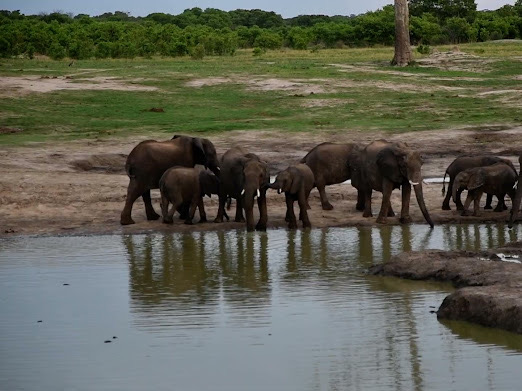
“We want to ensure that communities living within wildlife landscapes receive meaningful support and benefits from the natural resources around them,” he said.
This includes promoting value addition—for example, crafting products from elephant leather—and enabling community enterprises tied to legal wildlife products.
“We are promoting opportunities for value addition so that communities can benefit economically from the wildlife with which they coexist.”
He added that the board is committed to transitioning youth from vulnerability to empowerment, ensuring access to education, business opportunities, and long-term livelihoods.
Unlocking finance through sustainable use
Zimbabwe also plans to push for financial mechanisms—particularly the sustainable use of existing wildlife stockpiles—to support community development.
“Our aim is to secure mechanisms that allow us to reinvest in these communities, strengthening their resilience and ensuring they thrive alongside wildlife.”
Zimbabwe argues that restrictive global trade rules deprive communities of funding that could improve safety, reduce human–wildlife conflict, and support conservation programs.
Zimbabwe’s position rooted in CITES founding principles
Zimbabwe’s proposals, Dr. Sora said, are consistent with the spirit of CITES itself.
The convention’s preamble affirms:
Wild fauna and flora are an irreplaceable part of the earth’s natural systems… Peoples and States are and should be the best protectors of their own wild fauna and flora… International cooperation is essential to prevent over-exploitation…
Zimbabwe believes that empowering communities, recognizing human rights, and enabling sustainable use are simply modern applications of these foundational principles.

-

 Slider3 years ago
Innscor launches brewery to produce Nyathi beer
-

 National5 years ago
In perched rural Matabeleland North, renewable energy is vital
-

 Tourism and Environment4 years ago
Strive Masiyiwa’s daughter opens luxury Victoria Falls lodge
-

 Special reports4 years ago
Tinashe Mugabe’s DNA show’s popularity soars, causes discomfort for some
-

 Opinion4 years ago
A street art mural in Zimbabwe exposes a divided society
-

 National4 years ago
Victoria Falls’ pilot dies in helicopter crash
-

 National3 years ago
Commission of inquiry findings fail to be tabled as Victoria Falls councillors fight
-

 National3 years ago
Hwange coal miner fires workers over salary dispute