Connect with us

Slider

Parliamentary caucus calls for Unemployment Benefit Scheme for young athletes

Published

on

BY WANDILE TSHUMA

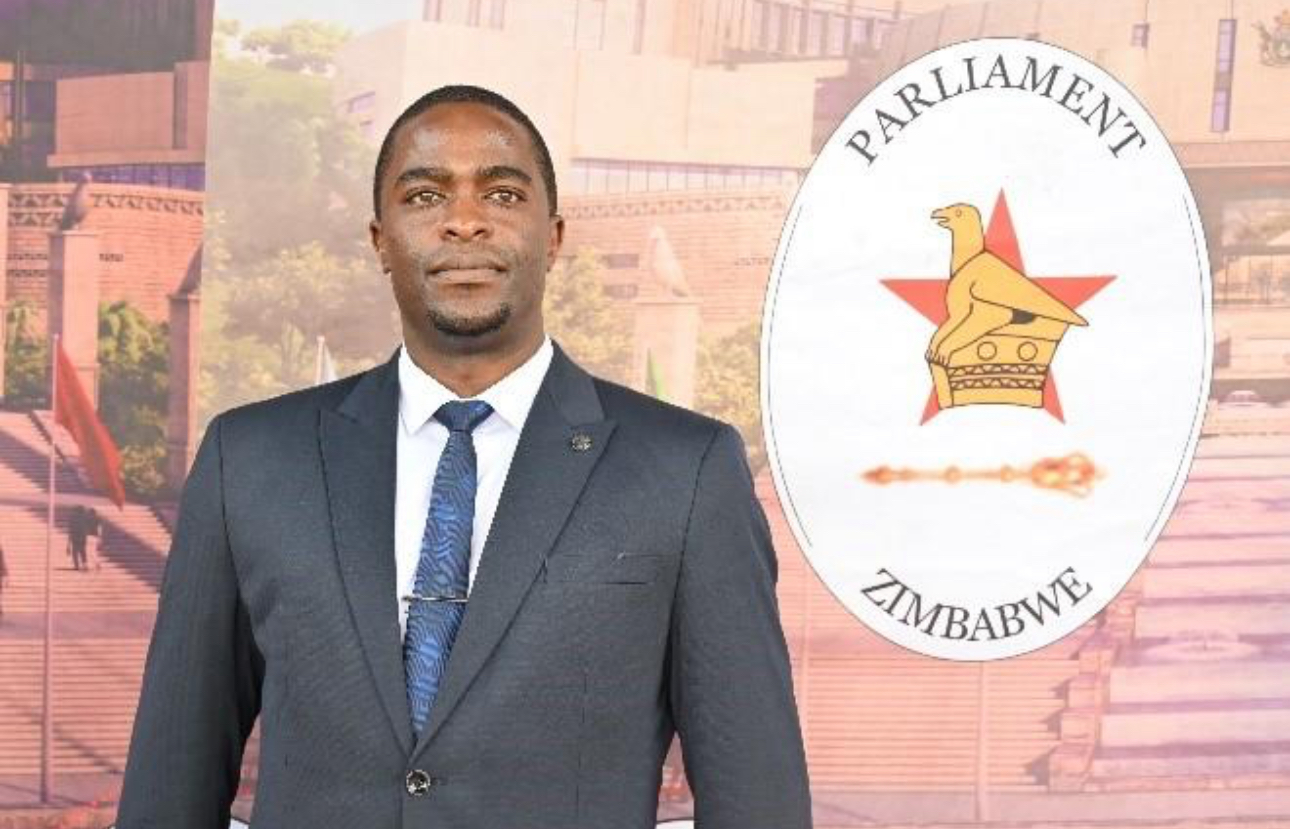
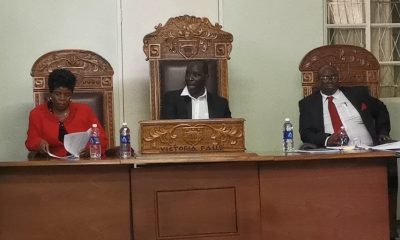
In a session of the Zimbabwean Parliament on Tuesday, Stanley Sakupwanya, Chairman of the Parliamentary Caucus on Youth Affairs, urged the government to implement an Unemployment Benefit Scheme specifically for former athletes who represented Zimbabwe on the global stage.

Advertisement

His address highlighted the challenges faced by young sportspeople who forgo education and career opportunities to pursue their athletic dreams, only to find themselves without support once their sporting careers conclude.

Sakupwanya began his remarks by celebrating the recent certification of the National Sports Stadium by the Confederation of African Football, underscoring the government’s commitment to enhancing the sports sector. However, he expressed concern about the broader needs of young people participating in various sports, noting the lack of adequate support and resources.

“While we commend the initiatives focused on football, it’s critical to remember that our youth engage in many disciplines,” Sakupwanya said.

Advertisement

He pointed out that athletes often sacrifice their education and well-being at an early age, with a 29-year-old athlete facing retirement instead of the traditional educational opportunities available to their peers.

He painted a vivid picture of the struggles faced by these young athletes, stating, “When they shine on international platforms, they return home only to encounter a void. Their accolades fail to translate into sustainable opportunities or support.”

Sakupwanya emphasized that without a structured program like the Unemployment Benefit Scheme, these individuals risk falling into poverty or becoming susceptible to drug abuse due to inactivity and economic hardship.

Advertisement

His proposal called for the Ministry of Finance to prioritize an Unemployment Benefit Scheme in the upcoming 2026 Budget Strategy Paper, which would serve as a critical safety net for athletes transitioning to civilian life, enabling them to rebuild and reintegrate into society successfully.

In a supportive response, David Mnangagwa, the deputy Minister of Finance and Investment Promotion, acknowledged the validity of the call for such a scheme. He expressed his commitment to advancing discussions on employment benefits tailored towards youth development and sports, indicating the government’s readiness to explore solutions that uplift young athletes.

Advertisement
Continue Reading
Click to comment

Leave a Reply

Your email address will not be published. Required fields are marked *

National

MPs push for recognition of unpaid care work

Published

on

BY NOKUTHABA DLAMINI 

Legislators in the Parliament of Zimbabwe have called for urgent government action to recognise and support unpaid domestic and care work, warning that the burden continues to fall heavily on women and girls across the country.

Advertisement

The motion, raised by Omega Sibanda and seconded by  Philani Zhou during proceedings of the National Assembly yesterday , highlighted the economic and social inequalities linked to unpaid care work.

MPs said domestic and unpaid care work remains a vital pillar of national development but continues to go largely unrecognised and uncompensated in Zimbabwe and many other countries.

According to the motion, women and girls carry most of the responsibility for unpaid household and caregiving duties, a situation lawmakers said deprives them of opportunities “to learn, earn, lead and thrive,” while deepening gender inequality.

Advertisement

The legislators expressed concern that despite its contribution to socio-economic stability and national development, unpaid care work is not adequately reflected in national budgets, infrastructure planning or social protection systems.

Parliamentarians are now calling on the Ministry of Public Service, Labour and Social Welfare to develop comprehensive legislation and policy frameworks on unpaid care work. The motion also urges the ministry to commission a national survey to determine the economic value of unpaid domestic and care work, including its contribution to Gross Domestic Product (GDP).

The lawmakers further appealed to the Ministry of Finance, Economic Development and Investment Promotion to increase budget allocations toward social protection programmes, infrastructure development and public services aimed at easing the burden on caregivers, particularly women and girls.

Advertisement

The motion comes amid growing global conversations around recognising unpaid care work as a key contributor to economies and social welfare systems.

Advertisement
Continue Reading

National

Kariba Dam rehabilitation nears completion as spillway works hit 94%

Published

on

BY WANDILE TSHUMA 

The Zambezi River Authority says rehabilitation works at the Kariba Dam are now approximately 94 percent complete, with the massive infrastructure project remaining on course for completion by the end of 2026.

Advertisement

In a press statement released on Wednesday, the Authority said significant progress has been recorded under the Kariba Dam Rehabilitation Project (KDRP), a US$294 million initiative aimed at safeguarding the long-term safety and operational efficiency of the dam.  

The Authority said the project’s Spillway Refurbishment component was designed to restore the reliability and functionality of the dam’s six sluice gates, which have been affected over the past six decades by concrete expansion and aging caused by alkali aggregate reaction.  

According to the statement, Phase One of the spillway refurbishment works, which began in May 2019, is now 99 percent complete. The works are being carried out by GE Hydro France in partnership with Freyssinet International and include rehabilitation of upstream control systems, hydro-demolition, concrete repairs and commissioning of rehabilitated sluices. Remaining work includes commissioning of the gantry crane and site demobilisation.  

Advertisement

Phase Two, which commenced in August 2024, is currently around 70 percent complete and is expected to finish by September this year. The Authority said the works involve the design and installation of new hoisting systems for all six sluice gates, alongside maintenance works. Installations are already underway on sluices 1, 2, 5 and 6 after all six hoisting systems were designed, manufactured and delivered to site in 2025.  

The rehabilitation project also includes plunge pool reshaping works, which were completed and commissioned in September 2024, as well as institutional strengthening programmes focused on dam safety monitoring, technical capacity and governance systems.  

The Authority warned that the project is critical in reducing risks associated with uncontrolled water releases that could cause downstream flooding, infrastructure destruction and loss of life. It added that the rehabilitation programme also includes the development of an Early Warning System to improve communication with downstream communities during scheduled or emergency water releases from the Kariba Reservoir.  

Advertisement

Once completed, the project is expected to strengthen sustainable management of the reservoir and improve reliable hydropower generation for both Zimbabwe and Zambia.  

Advertisement
Continue Reading

National

Parliament debates mandatory youth quota for local councils

Published

on

BY NOKUTHABA DLAMINI 

Lawmakers have introduced a motion to legally mandate youth representation across all levels of government, arguing that a significant portion of the population remains excluded from key decision-making processes.

Advertisement

MP John Kuka expressed concern over the “limited youth representation in decision making bodies at every level of government including private and public enterprises”. Noting that young people constitute a “demographic dividend,” the motion recommends that the Ministry of Justice “creates a provision for the enactment of 30% youth quota in Provincial Councils and Local Authorities”

The proposal also seeks to enact provisions that “compels the appointment of at least one youth in every Public Service Board”. Supporters of the motion emphasized that young people bring “innovative ideas and deep understanding of issues affecting their generation” which are vital to national development.

Meanwhile, the National Assembly has voiced strong support for a government ban on the export of raw minerals, aiming to drive local industrial growth and increase national revenue.

Advertisement

Legislators acknowledged that the “export of raw, unprocessed minerals has historically deprived the nation of significant value” and potential employment opportunities. The ban, which went into effect in early 2026, is a strategic measure intended to promote “local beneficiation and value addition”.

While commending the policy as essential for the nation’s development goals, members of the House raised concerns regarding “compliance challenges arising from the abrupt implementation”. Parliament has urged the government to “invest in and incentivise the establishment of local mineral processing and refining facilities” to ensure the sustainability of the policy.

Advertisement
Continue Reading

Trending

Copyright © 2022 VicFallsLive. All rights reserved, powered by Advantage