BY NOTHANDO DUBE

Zimbabwe is experiencing a sharp rise in malaria cases in 2026, with health experts warning that funding gaps, climate pressures and persistent transmission in high-risk areas are reversing years of progress.

Latest figures from the Ministry of Health show that by mid-April, the country had recorded over 65 000 malaria cases and 174 deaths, nearly double the numbers reported during the same period in 2025. The increase follows the premature closure of the Zimbabwe Assistance Programme in Malaria (ZAPIM), which had supported key prevention and control efforts.

Save the Children said the end of the programme has contributed to shortages of insecticide-treated mosquito nets, delays in vector control operations and weakened disease surveillance, particularly in vulnerable rural communities.

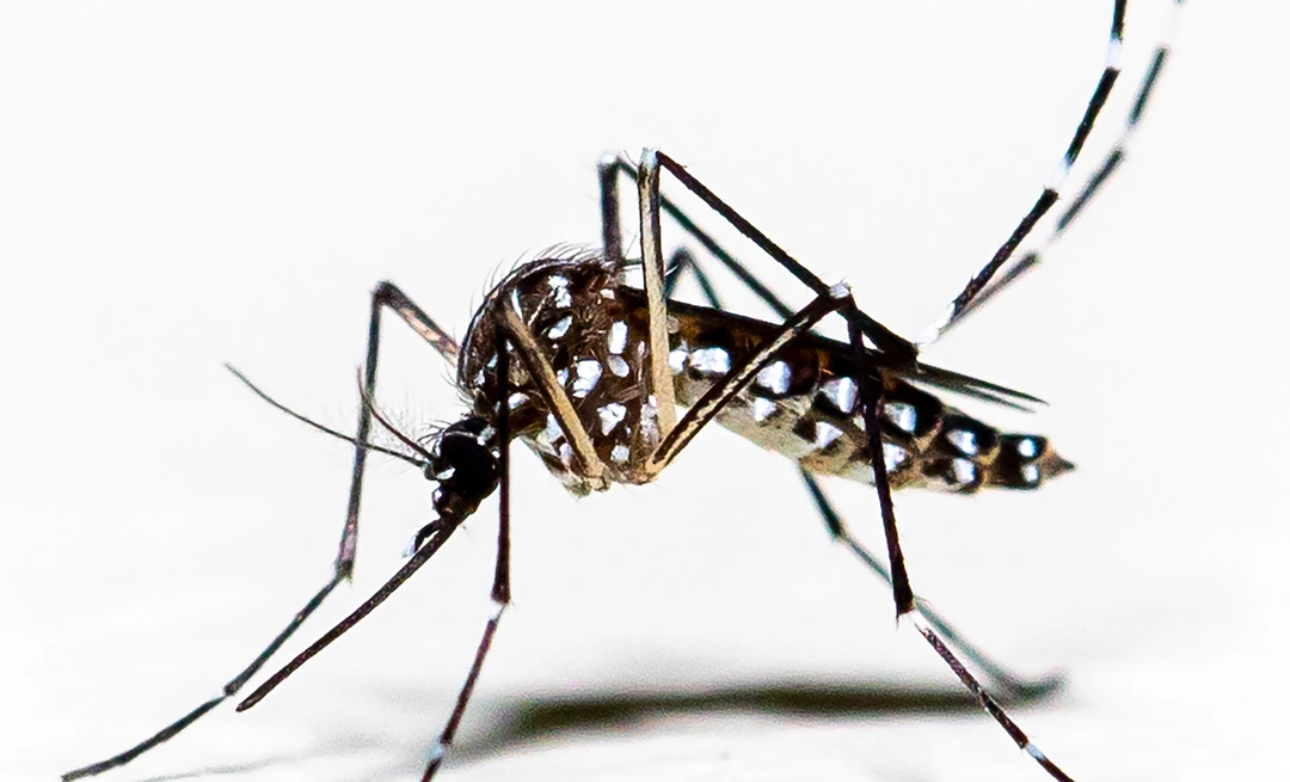
The Community Working Group on Health (CWGH) also warned that Zimbabwe recorded 154 000 malaria cases and 423 deaths in 2025, linking the continued spread of the disease to erratic rainfall, flooding and rising temperatures that have expanded mosquito breeding sites.  

In malaria-prone districts such as Binga, frontline health workers say the disease remains difficult to contain despite ongoing interventions.

Village health worker Margaret Bernard from Tindi said communities continue to receive support, including mosquito nets, medication and other supplies, but challenges persist.

“We do get assistance to fight malaria because Binga is prone to the disease. We receive mosquito nets, medication and other support,” she said. “But even with these interventions, it is still difficult to fully contain malaria here. The cases keep coming, especially during the rainy season.”

Zimbabwe had previously made significant progress in reducing malaria cases, with infections dropping sharply between 2023 and 2024 due to sustained investment and coordinated efforts. However, experts warn that without renewed funding and stronger community-level responses, those gains could be lost.

“Malaria remains preventable and treatable, but deaths are rising again,” CWGH said, calling for urgent action to strengthen prevention, improve treatment access and secure long-term funding.

Leave a comment

Your email address will not be published. Required fields are marked *