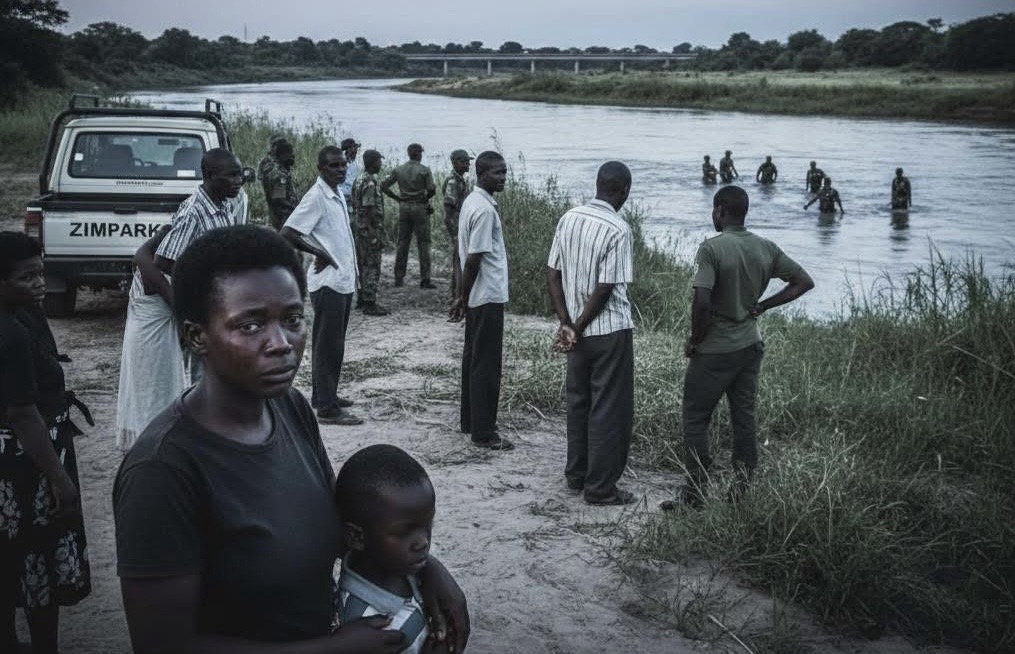
When an elephant trampled Mbusi Mabhena to death two weeks ago in Mthoniselwa village in Nkayi, his family’s grief was swiftly compounded by another ordeal.
Advertisement
By the following day, he had been buried.
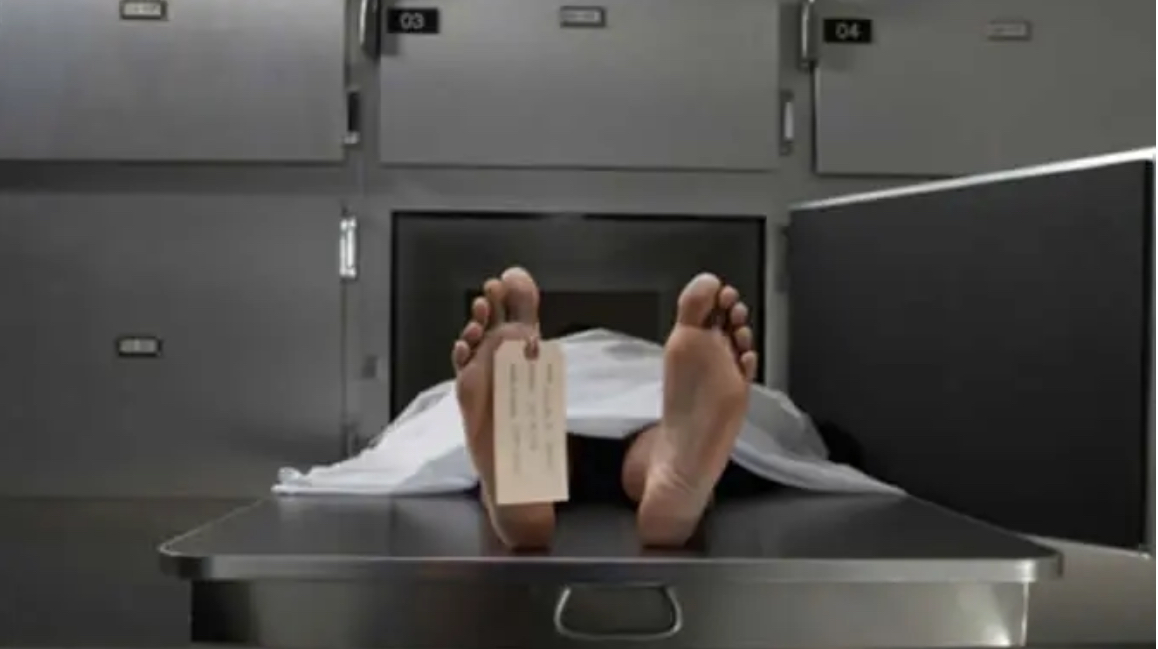
In Ward 13 of Nkayi district, there was no time for a traditional week-long wake or a post-mortem examination. There is no mortuary.
Local leaders say immediate burials have become common in parts of Nkayi and neighbouring Lupane, where families cannot preserve bodies due to a lack of cold storage facilities.
Advertisement
Weston Msimango, the councillor for Ward 13, said Mr Mabhena’s body was covered with sand before burial in an attempt to slow decomposition.
“It has become normal for people to be buried within 24 hours,” he said. “We have no facilities to keep them.”
The problem centres on Mbuma Mission Hospital, the main referral hospital for Nkayi and Lupane districts. Despite serving thousands of people, it has never had a mortuary.
Advertisement
For many villagers, transporting a body to cities such as Bulawayo or Gweru is too expensive. As a result, families resort to improvised methods to manage the smell of decomposition while making urgent burial arrangements.
Thandiwe Moyo, from Mkalathi village, said families often use sand and bananas to try to reduce odours while waiting for a few relatives to gather.
“To bury someone you love within 24 hours, without a proper goodbye because there is no cold room, feels like we are disposing of trash rather than honouring a life,” she said.
Advertisement
Residents say the lack of basic infrastructure contrasts sharply with the political rallies occasionally held in the district.
Jabulani Hadebe, the Member of Parliament for Nkayi South, has criticised what he describes as a lack of political will to address the issue.
He pointed to a large 2023 election rally in the area, attended by senior political figures, as an example of misplaced priorities.
Advertisement
“Leaders had an opportunity to visit the hospital, see what was missing and help,” he said. “Instead, the focus was on displays of wealth.”
Hadebe also alleged that some people who attended the rally were given spoiled food and later fell ill, though this claim could not be independently verified.
Sibusiso Sibanda, from Gonye village, said residents struggle to reconcile the arrival of luxury vehicles at rallies with the absence of a basic mortuary facility.
Advertisement
“They can come with big cars and give out meat, but they cannot finish a small room at Mbuma to keep the dead,” he said.
He added that without funeral insurance or money for transport, families have little choice but to bury relatives quickly.
“In the morning you are alive. If you die and you do not have a funeral policy, by evening you are in the sand,” he said. “There is no dignity left.”
Advertisement
Villagers in Somakantane said the absence of a mortuary has also disrupted cultural practices that require the body to remain at home for several days before burial.
The situation is not unique to Nkayi. Lawmakers have raised similar concerns in Binga, where some hospitals also operate without mortuary facilities.
Despite the issue being raised in Parliament, there has been no formal response from the government indicating when mortuaries might be built or repaired in affected districts.
Advertisement
The Ministry of Health’s spokesperson, Donald Mujiri, could not be reached for comment.
SOURCE: CITE

Advertisement
Powered by ikigai Africa
· Questions generated automatically from this article
A newly elected Ward 19 headman was among three people injured in a road traffic accident in Mathetshaneni Village earlier this week while travelling from a meeting linked to his installation.
Advertisement
The accident occurred on a sharp curve along a dusty road near Somathetshane Bridge, where villagers say poor visibility may have contributed to the collision.
According to witnesses, a bus travelling westwards had just passed through the area, leaving behind a thick cloud of dust. Moments later, another vehicle travelling behind the bus allegedly attempted to overtake despite the reduced visibility.
The overtaking vehicle reportedly collided with a blue pickup truck carrying the headman and two other occupants, who were travelling in the opposite direction.
Photographs taken after the accident show extensive damage to the front section of the pickup truck and the other vehicle.
Three people were injured in the crash. Villagers said one occupant sustained head injuries while others suffered cuts and bruises.
Advertisement
One of the injured men, believed to have been driving the pickup truck, remained admitted in hospital as of Wednesday. Community members said there were concerns he may have suffered a fracture, but further medical assessment was delayed after the local hospital reportedly experienced challenges with X-ray services, forcing him to seek additional examinations elsewhere.
The driver of the other vehicle is understood to have escaped with minor injuries.
Villagers who spoke to VicFallsLive described the accident site as a hazardous section of road where dust and poor visibility frequently create dangerous driving conditions, especially during the dry season.
Advertisement
Meanwhile, the traditional leadership succession process continued on Thursday at the Malindi homestead in Mathetshaneni Village.
Mlibazisi Malindi- Sibanda was formally installed as headman, succeeding his late father, Walter Malindi-Sibanda, who died during the Covid-19 period.
Advertisement
Powered by ikigai Africa
· Questions generated automatically from this article
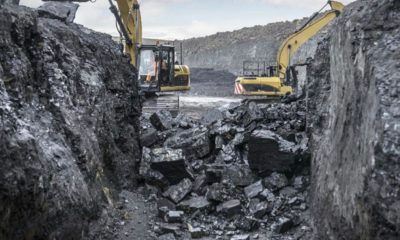
Parliament has requested information on how mining revenue generated in Binga is contributing to local development amid growing calls for communities to benefit more directly from natural resources found in their areas.
Advertisement
In a question directed to the Minister of Finance, Economic Development and Investment Promotion, Joseph Cumanzala seeks details on the amount of revenue generated from mining operations in Binga District and how that revenue is being allocated or reinvested into development projects in the Zambezi Valley.
The question further asks how Binga is being integrated into national development plans and which priority projects have been earmarked for the district.
The issue speaks directly to a broader national debate around resource governance and whether communities living in resource-rich areas are receiving a fair share of the economic benefits generated from their regions.
Advertisement
Residents and civic groups have long argued that improvements in infrastructure, health services, education and water supply should be visible in areas contributing to national economic activity.
Advertisement
Powered by ikigai Africa
· Questions generated automatically from this article
The long-awaited Matabeleland North Provincial Hospital is back on Parliament’s agenda, with government being asked to provide an update on the project’s progress and expected completion date.
Advertisement
According to the National Assembly Order Paper of Tuesday, Hwange MP Daniel Molokele has asked the Minister of Health and Child Care to inform Parliament on the latest progress regarding construction of the Matabeleland North Provincial Hospital in Lupane and whether there is a specific timeline for its completion.
The question revives attention on a project that many residents have viewed as critical to improving access to specialist health services in the province.
Matabeleland North remains one of Zimbabwe’s largest provinces by land area, with residents often travelling long distances to access referral health services in Bulawayo and other urban centres.
Advertisement
For communities in districts such as Binga, Hwange, Tsholotsho, Nkayi and Lupane, the completion of the provincial hospital has long been seen as a key step towards strengthening healthcare services closer to home.
The parliamentary question comes as communities continue to raise concerns over access to healthcare, shortages of specialised services and the costs associated with travelling outside the province for treatment.
Advertisement
Powered by ikigai Africa
· Questions generated automatically from this article