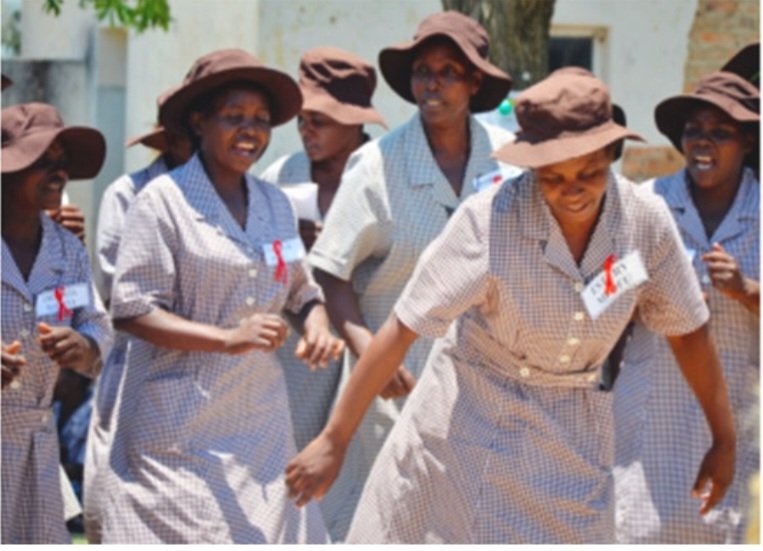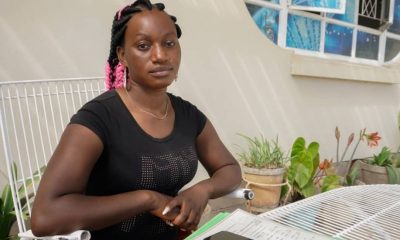
In the heart of Binga, Susumbe Village, Margaret Bernard, a devoted Village Health Worker (VHW), tirelessly ensures children receive their vaccinations, the elderly get necessary aid, and government health programs are successfully implemented.
Advertisement
Yet, despite her vital role, she receives no salary from the government, a situation she’s appealing to change.
“We’ve been asking for years for the government to put us on the payroll,”Bernard says, her voice filled with determination. “We’re the first line of defense in our villages, but our efforts seem to go unrecognized.”
With over twelve years of service, Benard has never received payment or support for her family.
“Sometimes I feel like giving up, but that would betray my community,” she confesses. “People never stop coming for assistance, and we must help.”
Advertisement
Margaret is one of approximately 14 000 VHWs in the country who labor without pay.
Itai Rusike, Executive Director of the Community Working Group on Health (CWGH), emphasizes the crucial role VHWs play: “They’re the glue connecting our healthcare system to communities… critical to health promotion, disease prevention, and early diagnosis.”
However, VHWs face numerous challenges, including lack of incentives, standardized payment, and protective gear. “We need political commitment to support them,”Rusike stresses. “Currently, VHWs rely on external partners, which is risky and unsustainable.”
Advertisement
Bernard’s story highlights the dedication and struggles of VHWs like her.
As Rusike advocates, “CHWs must be employed by the Ministry of Health and Child Care, with standardized allowances and training… Donors should complement government efforts, not replace them.”
The current ratio of VHWs per population is alarmingly low, with approximately 14 000 serving a nation in need of 30 000. “We need more VHWs, protective gear, and inter-sectoral support,”Rusike emphasizes.
Advertisement
As Bernard continues her selfless work, her plea remains: “We’re not just asking for payment; we’re asking for recognition and support to continue serving our communities.”
Powered by ikigai Africa
· Questions generated automatically from this article
Parliament has requested information on how mining revenue generated in Binga is contributing to local development amid growing calls for communities to benefit more directly from natural resources found in their areas.
Advertisement
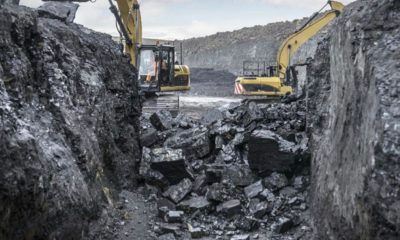
In a question directed to the Minister of Finance, Economic Development and Investment Promotion, Joseph Cumanzala seeks details on the amount of revenue generated from mining operations in Binga District and how that revenue is being allocated or reinvested into development projects in the Zambezi Valley.
The question further asks how Binga is being integrated into national development plans and which priority projects have been earmarked for the district.
The issue speaks directly to a broader national debate around resource governance and whether communities living in resource-rich areas are receiving a fair share of the economic benefits generated from their regions.
Advertisement
Residents and civic groups have long argued that improvements in infrastructure, health services, education and water supply should be visible in areas contributing to national economic activity.
Advertisement
Powered by ikigai Africa
· Questions generated automatically from this article
Government says it is implementing several measures aimed at improving healthcare services in Binga District, including deploying more nurses, intensifying outreach programmes and strengthening disease control interventions in remote communities.
Advertisement
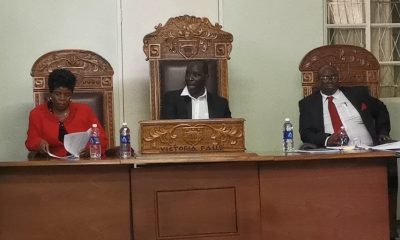
The update was given in Parliament by Deputy Health and Child Care Minister Sleiman Kwidini in response to questions from Binga North MP Joseph Cumanzala.
Cumanzala had asked Government to explain what interventions were being undertaken to improve healthcare delivery in rural Binga, reduce malaria and waterborne diseases and expand healthcare facilities in the district.
Responding in Parliament, Kwidini said Government intended to increase the national health workforce significantly by 2030.
Advertisement
“To ensure an adequate health workforce, the Ministry of Health and Child Care is planning to double the number of health workers by 2030,” he said.
He added that Binga had already received additional primary healthcare nurses deployed across rural health centres to strengthen service delivery.
Kwidini said outreach programmes remained a key strategy in addressing healthcare access challenges in remote communities.
Advertisement
“For the hard-to-reach communities, we have managed to sustain outreach services, especially for the immunisation of children under five years,” he said.
“Outreach services mean our health teams will bring health services directly into communities to cater for the elderly and young ones, thus reducing travel distance to health facilities,” he added.
The deputy minister also highlighted Government efforts to control diseases common in the Zambezi Valley.
Advertisement
“With the help of the head office, the district has managed to put neglected tropical diseases such as bilharzia under control through mass drug administration working together with the Ministry of Primary and Secondary Education,” Kwidini said.
Binga remains among Zimbabwe’s malaria-prone districts because of its climatic conditions and proximity to large water bodies including Lake Kariba and the Zambezi River.
The parliamentary response comes as communities in the district continue calling for better-equipped clinics, improved ambulance services and increased staffing in rural health centres.
Advertisement
Powered by ikigai Africa
· Questions generated automatically from this article
Government has acknowledged the geographical and infrastructural challenges affecting healthcare delivery in Binga District, with Deputy Health and Child Care Minister Sleiman Kwidini telling Parliament that authorities were trying to strengthen services in remote communities through outreach programmes and increased staffing.
Advertisement
The response followed questions raised by Binga North MP Joseph Cumanzala, who had asked the Health Ministry to explain what measures were being taken to improve healthcare services in rural Binga, reduce malaria and waterborne diseases in the Zambezi Valley and expand healthcare facilities in line with population growth and economic activity.
Cumanzala first raised the concerns more than a month ago through written parliamentary questions amid growing complaints from communities over poor access to clinics, long travelling distances and recurring disease outbreaks in parts of Binga.
Responding in Parliament this week, Kwidini said the Government was planning to double the number of health workers by 2030 as part of efforts to improve healthcare delivery across the country.
Advertisement
“To ensure an adequate health workforce, the Ministry of Health and Child Care is planning to double the number of health workers by 2030,” Kwidini said.
He told Parliament that more primary healthcare nurses had already been deployed across rural health centres in Binga to strengthen primary healthcare services.
The deputy minister also acknowledged the difficulties faced by hard-to-reach communities in the district, where some villagers travel long distances to access clinics and hospitals.
Advertisement
“For the hard-to-reach communities, we have managed to sustain outreach services, especially for the immunisation of children under five years,” he said.
“Outreach services mean our health teams will bring health services directly into communities to cater for the elderly and young ones, thus reducing travel distance to health facilities where services could be offered,” Kwidini added.
The ministerial response also focused on disease control programmes in the Zambezi Valley, where malaria and waterborne diseases remain a recurring concern because of climatic conditions and access to safe water.
Advertisement
“With the help of the head office, the district has managed to put neglected tropical diseases such as bilharzia under control through mass drug administration working together with the Ministry of Primary and Secondary Education,” Kwidini said.
Binga communities have for years raised concern over shortages of medical staff, poor road networks, inadequate ambulance services, defunct mortuary and limited healthcare infrastructure in remote wards.
The district, which borders Lake Kariba and the Zambezi River, also regularly records malaria cases during the rainy season while some communities continue relying on unsafe water sources.
Advertisement
Kwidini said the ministry was additionally promoting the upskilling of healthcare workers to strengthen service delivery in rural districts.
Advertisement
Powered by ikigai Africa
· Questions generated automatically from this article