Connect with us

Binga

Food insecurity hits Matabeleland North province amid El Nino crisis

Published

on

BY NOKUTHABA DLAMINI

A devastating food insecurity crisis has gripped Matabeleland North province, with a staggering 520 524 people struggling to access basic nutrition, according to Finance Minister Mthuli Ncube.

Advertisement

The region has borne the brunt of the severe El Nino effects, leaving a significant portion of the population vulnerable.

Minister Ncube revealed these alarming figures while presenting the mid-term budget, which focuses on addressing the far-reaching consequences of El Nino.

To combat this crisis, Ncube said the government has distributed 1 839.2 metric tonnes of grain, for Matabeleland North, which represents only 16% of the required 11 711.8 metric tonnes needed to sustain the population for three months.

Advertisement

The crisis has reportedly affected a staggering 7.7 million people nationwide, including  six million in rural areas and 1.7 million in urban areas, who are projected to face food insecurity in 2024.

Minister Ncube outlined a two-pronged response strategy to address the grain shortage.

“Government (will be) importing 300 000 metric tonnes of grain for distribution to vulnerable members of society, while expecting the private sector to import at least 464 000 metric tonnes of grain for sale through normal market channels.”

Advertisement

Nationally, the grain importation plan for 2024 aims to address the shortfall of 765 000 metric tonnes.

The government, according to Ncube, has already imported 10,187 metric tonnes of grain, now stored in Grain Marketing Board (GMB) silos.

Furthermore, ZWL60.9 million has been allocated for grain distribution to 10 provinces, resulting in the distribution of 32 241.2 metric tonnes of grain to food-insecure households as of June 15.

Advertisement

Minister Ncube emphasized that the government’s efforts are being complemented by insurance risk premiums from the Africa Risk Capacity, estimated at US$31.8 million, and combined payouts from the government and development partners.

These funds will be distributed through cash transfers to the most affected districts.

Development partners such as the are also supporting food mitigation efforts in response to the declaration of a National State of Disaster.

Advertisement

Continue Reading
Click to comment

Leave a Reply

Your email address will not be published. Required fields are marked *

Binga

Poet’s pen turns to philanthropy: Obert Dube’s mission to clothe and educate Zimbabwe’s youth

Published

on

BY NOKUTHABA DLAMINI

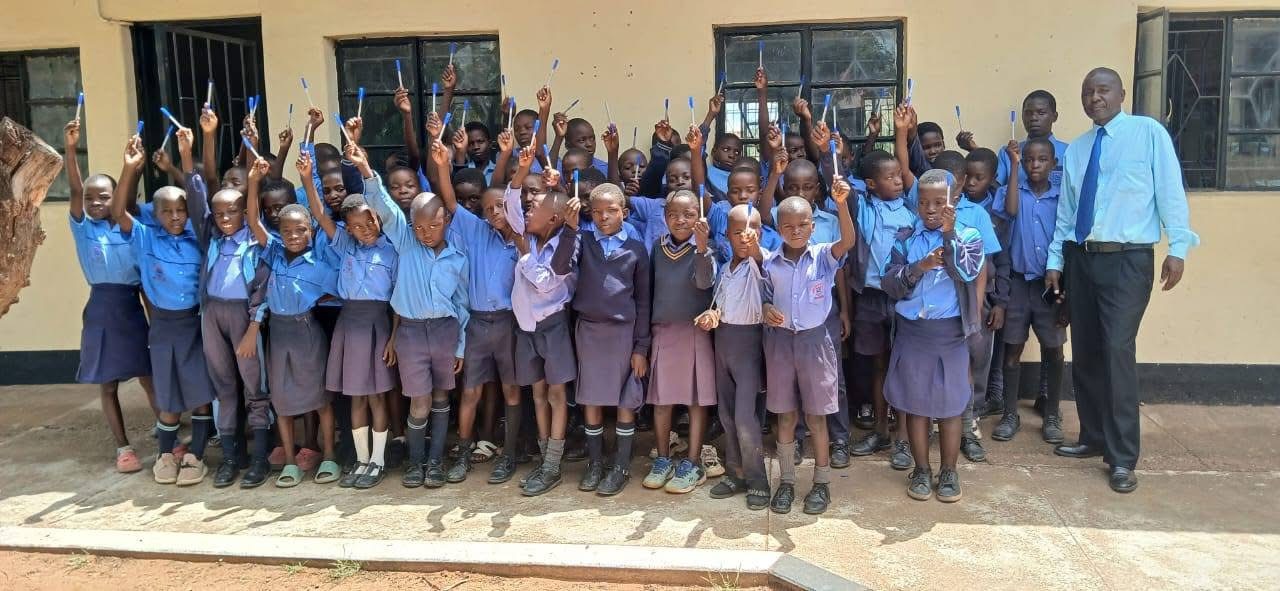
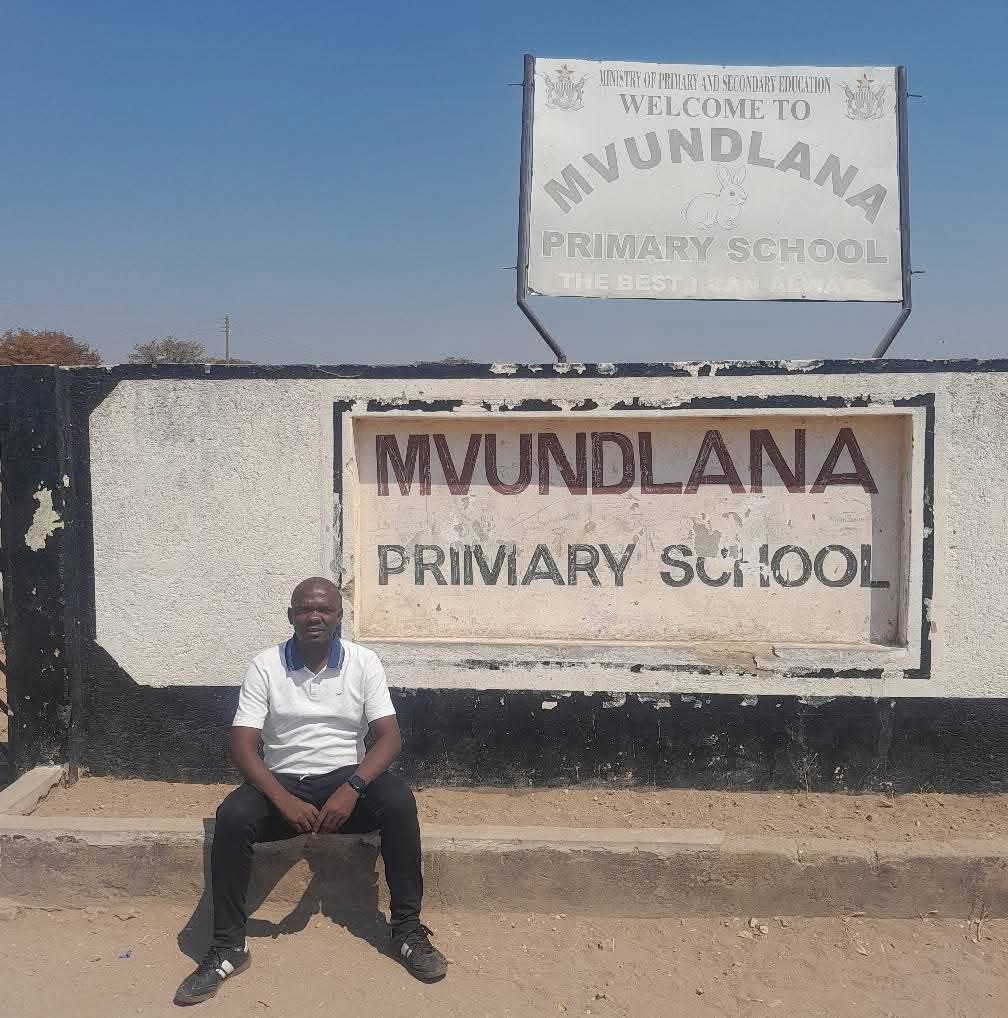
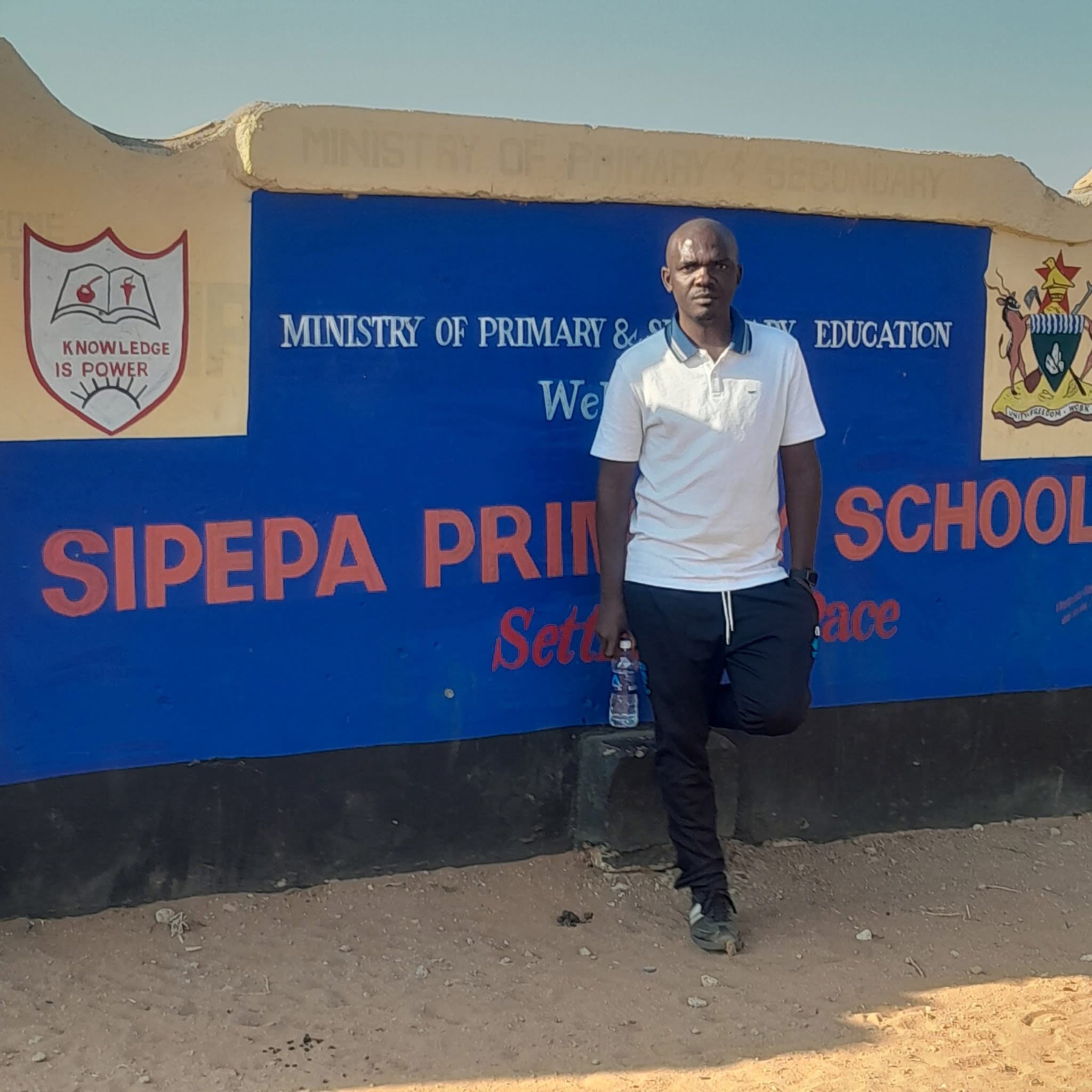
For Obert Dube, a renowned African poet, the stage is no longer just a place for performance; it has become a platform for a massive humanitarian effort aimed at Zimbabwe’s most vulnerable children. Since November, Dube has traversed the rugged terrains of Matabeleland North and South, visiting over 100 schools to provide essential supplies to students who, much like his younger self, are struggling to stay in the classroom.
Advertisement

Obert Dube

Dube, who describes himself as an “African poet… born and bred in Zimbabwe,” has dedicated his career to what he calls a “mission of mercy.” His work focuses on children who are often forced to drop out due to a lack of school fees or basic stationery. “I’m an African poet… a philanthropist engaged in a special mission,” Dube said in a recent interview. “I help vulnerable children… who sometimes fail due to school fees. Some approach me for help with registering for examinations.”
The poet’s motivation is deeply rooted in his own childhood trauma. Raised by a widowed mother who passed away before his final exams, Dube became a “child parent” at a young age. He recalls the humiliation of attending school in borrowed uniforms and the struggle of trying to learn without the most basic tools. “I remember some raised by elderly grandparents… their parents are passed on,” Dube explained, noting that many guardians cannot afford books. “They will spend the rest of the time at school without writing, and that is what is contributing to low pass rates.”
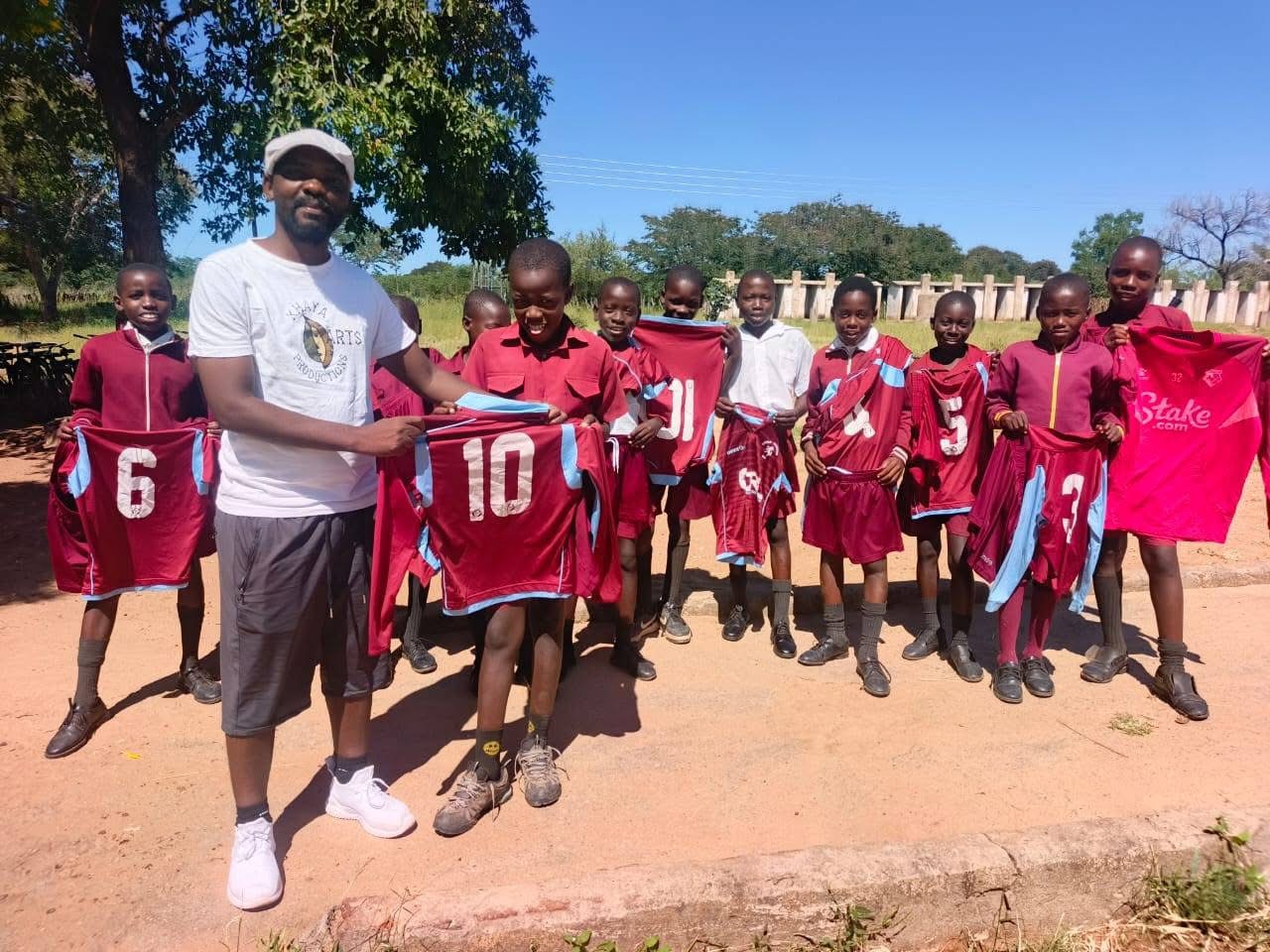
To fund this initiative, Dube allocates 30 percent of his earnings from every performance to purchase stationery and pay school fees. His reach has expanded to districts including Nkayi, Binga, Lupane, and Hwange. While he started alone, his social media presence has attracted global support, including a Zimbabwean-born UK citizen who recently donated football kits for the schools. “This is a different thing collectively that builds helping our own communities,” Dube said.
Advertisement
Continue Reading

Binga

Lawmaker urges localized climate strategies for Tsholotsho, Hwange

Published

on

BY NOKUTHABA DLAMINI

A Shamva South lawmaker has called for a radical shift in climate change mitigation strategies, demanding that the government abandon “one-size-fits-all” projects in favor of solutions that respect the unique geography and culture of districts like Tsholotsho, Hwange, and Binga.

Advertisement

During the debate on the Climate Change Management Bill, Joseph Mapiki argued that national programs often fail because they ignore local realities.

“We should look at our projects in terms of the area,” Mapiki told the National Assembly. “For example, in Tsholotsho and Hwange, where there are game parks, we cannot force them to do horticulture because there is no water. We should encourage them to engage in tourism”.

Mapiki also challenged the government’s staffing policies for climate initiatives, insisting that local language and cultural knowledge are essential for the success of any environmental committee.

Advertisement

“If someone from Mashonaland Central goes and is incorporated in a Committee in Binga, it means that the Committee will not function well because that person will not be conversant with the language,” he argued.

He further emphasized that “First preference should be given to the locals to avoid taking people from other areas… because those other people will not be aware of the language and culture of the people there”.

Beyond staffing and local projects, Mapiki raised concerns about the influence of international donors on Zimbabwe’s environmental policy.

Advertisement

He urged the government to ensure that the majority of climate funding is domestic to avoid “stringent measures and conditions” imposed by foreign entities.

“Our plea Hon. Minister, is that 98% funding for that Bill should be from Zimbabwe,” Mapiki stated.

“Foreign funding is hampering our progress”. His remarks were supported by other MPs who noted that climate change mainstreaming must include the “vulnerable communities” and “local authorities” who are on the frontlines of weather shocks in the province.

Advertisement

Continue Reading

Binga

Binga MP proposes split of Binga district amid service strain

Published

on

BY NOKUTHABA DLAMINI

Member of Parliament Fanuel Cumanzala has formally challenged the government to explain why the Binga District, which now has a population exceeding 160 000 people, has not been divided into two separate administrative zones .

Advertisement

In a series of questions submitted to the National Assembly on Tuesday, the legislator argued that the current geographical boundaries, established during the colonial era, are hindering modern governance.

Cumanzala stated that his inquiry “seeks to understand the rationale behind the decision, especially considering the need to enhance administration, improve governance, resource allocation, and service delivery by creating smaller, more manageable units,” particularly as the area sees an influx of migrants from Gokwe and Lupane.

The MP also raised alarms over the “dire” state of local healthcare infrastructure. He specifically pressed the Minister of Health and Child Care for concrete plans to “permanently resolve the challenges faced by Binga District, particularly regarding the mortuary, which has not been fully operational for a long time”.

Advertisement

Further queries from Cumanzala addressed the economic transparency of the region, demanding to know “how much revenue is being generated from mining operations in Binga District”and how those funds are being reinvested into the Zambezi Valley.

He also sought updates on whether the government still intends to rehabilitate the district hospital to facilitate the establishment of a nursing school.

Advertisement
Continue Reading

Trending

Copyright © 2022 VicFallsLive. All rights reserved, powered by Advantage