Connect with us

Slider

Tourism set to return to its pre-pandemic levels – UNWTO

Published

on

BY STAFF REPORTER 

After stronger than expected recovery in 2022, this year could see international tourist arrivals return to pre-pandemic levels in Europe and the Middle East. 

Advertisement

The United Nations World Tourism (UNWTO) has predicted an increase in tourist arrivals globally following the ease of lockdowns to control the spread of Covid-19. 

Based on UNWTO’s forward-looking scenarios for 2023, international tourist arrivals could reach 80% to 95% of pre-pandemic levels this year

The organisation, however, said that it will depend on the extent of the economic slowdown, the ongoing recovery of travel in Asia and the Pacific and the evolution of the Russian offensive in Ukraine, among other factors.

Advertisement

UNWTO anticipates a strong year for the sector even in the face of diverse challenges, including the economic situation and continued geopolitical uncertainty

According to UNWTO’s data, more than 900 million tourists travelled internationally in 2022 – double the number recorded in 2021, though still 63% of pre-pandemic levels. 

It noted that every global region recorded notable increases in international tourist numbers. 

Advertisement

“The Middle East enjoyed the strongest relative increase as arrivals climbed to 83% of pre-pandemic numbers,”the report read. 

” Europe reached nearly 80% of pre-pandemic levels as it welcomed 585 million arrivals in 2022. 

Africa and the Americas both recovered about 65% of their pre-pandemic visitors, while Asia and the Pacific reached only 23% due to stronger pandemic-related restrictions, which have started to be removed only in recent months.”

Advertisement

UNWTO Secretary-General Zurab Pololikashvili said there were high hopes in the tourism sector. 

 “A new year brings more reason for optimism for global tourism. 

” UNWTO anticipates a strong year for the sector even in the face of diverse challenges, including the economic situation and continued geopolitical uncertainty. Economic factors may influence how people travel in 2023, and UNWTO expects demand for domestic and regional travel to remain strong and help drive the sector’s wider recovery.”

Advertisement

Chinese tourists set to return

The first UNWTO World Tourism Barometer of 2023 also analyses performance by region and looks at top performers in 2022, including several destinations that have already recovered 2019 levels. 

UNWTO foresees the recovery to continue throughout 2023 even as the sector faces up to economic, health, and geopolitical challenges.

Advertisement

 The recent lifting of COVID-19 related travel restrictions in China, the world’s largest outbound market in 2019, is a significant step for the recovery of the tourism sector in Asia and the Pacific and worldwide.

 In the short term, the resumption of travel from China is likely to benefit Asian destinations in particular. However, this will be shaped by the availability and cost of air travel, visa regulations, and COVID-19 related restrictions in the destinations. 

 By mid-January, a total of 32 countries had imposed specific travel restrictions related to travel from China, mostly in Asia and Europe.

Advertisement

At the same time, strong demand from the United States, backed by a strong US dollar, will continue to benefit destinations in the region and beyond. Europe will continue to enjoy strong travel flows from the US, partly due to a weaker euro versus the US dollar. 

Notable increases in international tourism receipts have been recorded across most destinations, in several cases higher than their growth in arrivals. 

This has been supported by the increase in average spending per trip due to longer periods of stay, the willingness by travelers to spend more in their destination, and higher travel costs due to inflation. 

Advertisement

However, the economic situation could translate into tourists adopting a more cautious attitude in 2023, with reduced spending, shorter trips, and travel closer to home.  

Furthermore, continued uncertainty caused by the Russian aggression against Ukraine and other mounting geopolitical tensions, as well as health challenges related to COVID-19 also represent downside risks and could weigh on tourism’s recovery in the months ahead.

The latest UNWTO Confidence Index shows cautious optimism for January-April, higher than the same period in 2022. This optimism is backed by the opening up in Asia and strong spending numbers in 2022 from both traditional and emerging tourism source markets, with France, Germany and Italy as well as Qatar, India and Saudi Arabia all posting strong results.

Advertisement

Continue Reading
Click to comment

Leave a Reply

Your email address will not be published. Required fields are marked *

In the community

Two artisanal miners die in Umguza mine shaft collapse

Published

on

BY STAFF REPORTER 

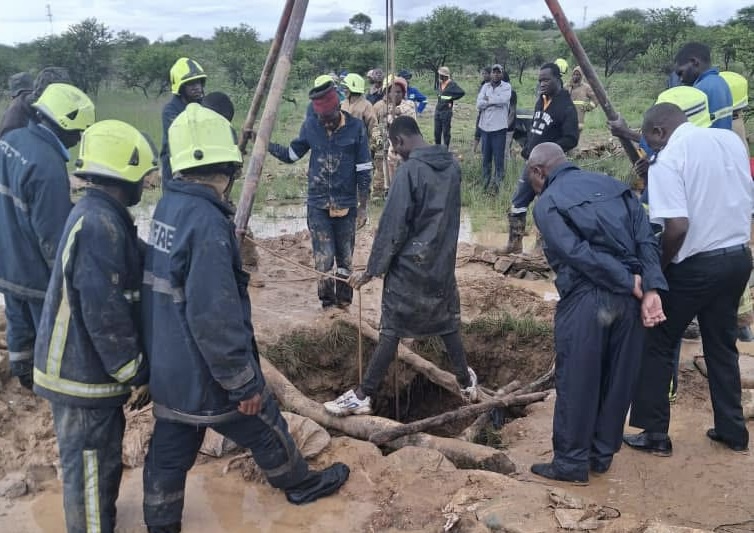
Two artisanal miners have died following the collapse of a flooded mine shaft at Cement Side in Umguza District, ZBC has reported.

Advertisement

The incident occurred early Tuesday morning after heavy water ingress caused the shaft to give way, trapping the two men underground.

When rescue teams arrived at the scene, officers from the Bulawayo Fire and Ambulance Services Department, assisted by local volunteers, were leading recovery efforts.

A survivor of the incident, Khulumani Nkomo, described the terrifying moments leading up to the collapse.

Advertisement

“We heard a loud cracking sound as we reached the ground, then water started rushing in. The two were behind us, and the shaft just closed, trapping the other one in the tunnel,” he said.

Nkomo added that attempts to rescue the trapped miners proved futile.

“We tried to dig with our hands and tools, but the water kept coming. By the time help arrived, it was already too late.”

Advertisement

A brother of one of the deceased miners said the family is struggling to cope with the loss, revealing that the victim was only 19 years old.

Advertisement
Continue Reading

National

Unregulated mining pushes Zimbabwe toward environmental and public health crisis

Published

on

BY STAFF REPORTER

Zimbabwe is facing a deepening environmental and public health emergency driven by unchecked mining activities, with environmental experts warning that the situation has escalated into a national security concern.

Advertisement

The alarm was raised during discussions aired on recently at CITE, where environmental leaders unpacked the scale of ecological damage unfolding across the country.

Centre for Natural Resource Governance (CNRG) Executive Director Farai Maguwu said Zimbabwe’s mining boom has reached crisis levels, fuelled largely by economic decline and the collapse of formal employment.

“Mining has become the default survival strategy for many Zimbabweans,” Maguwu said, noting that widespread job losses and industrial shutdowns have pushed communities toward extractive activities as a quick source of income.

Advertisement

He warned that weak governance has allowed mining to spread into protected and ecologically sensitive areas, despite existing policies that prohibit such activities.

“We are seeing mountains disappearing and rivers being destroyed. Even with a ban on riverbed mining, enforcement has collapsed,” Maguwu said.

According to Maguwu, mining has encroached into UNESCO heritage sites and protected zones such as Mavuradona Wilderness, while areas like Shurugwi and Poterekwa Mountain have suffered extensive damage.

Advertisement

More concerning, he alleged that some law enforcement agents and senior officials are complicit in environmental destruction.

“In places like Penhalonga, elements within the police, military, senior government structures and intelligence services are allegedly part of mining syndicates,” he said, warning that the crisis now threatens national stability.

Maguwu also highlighted the dangers of mining beneath roads and residential areas, which he said could result in catastrophic collapses and flash floods.

Advertisement

“They are creating underground dams in mountains. When these give way, people will be swept away,” he said.

He criticised what he described as a lack of urgency from authorities in responding to the scale of destruction.

“If government is concerned about the future of this country, the current level of environmental damage should be setting off alarm bells,” Maguwu said.

Advertisement

He further explained that the shift from underground mining to open-cast methods has accelerated deforestation, land degradation and loss of agricultural land, undermining food security.

The uncontrolled use of toxic substances such as mercury and cyanide, particularly during the rainy season, has also heightened contamination risks.

“These chemicals are being dumped indiscriminately, with no punitive measures in place,” he said, warning that rainfall washes toxins into rivers, dams and streams.

Advertisement

Maguwu expressed particular concern for rural communities dependent on untreated water from shallow wells, especially in Marange and Matabeleland North.

“People are drinking contaminated water. The long-term health consequences are devastating and still unfolding,” he said, describing the crisis as an “environmental Armageddon.”

Similar concerns were echoed by Nkosikhona Sibanda, Executive Director of the Centre for Environmental and Corporate Accountability Research (CECAR), who said the crisis is nationwide.

Advertisement

In Matabeleland North, Sibanda said mining activity—particularly by Chinese-owned companies—has intensified in areas such as Hwange, Kamativi in Binga, and surrounding districts.

“When communities hear about foreign investment, they expect development. Instead, they are experiencing severe environmental degradation,” Sibanda said.

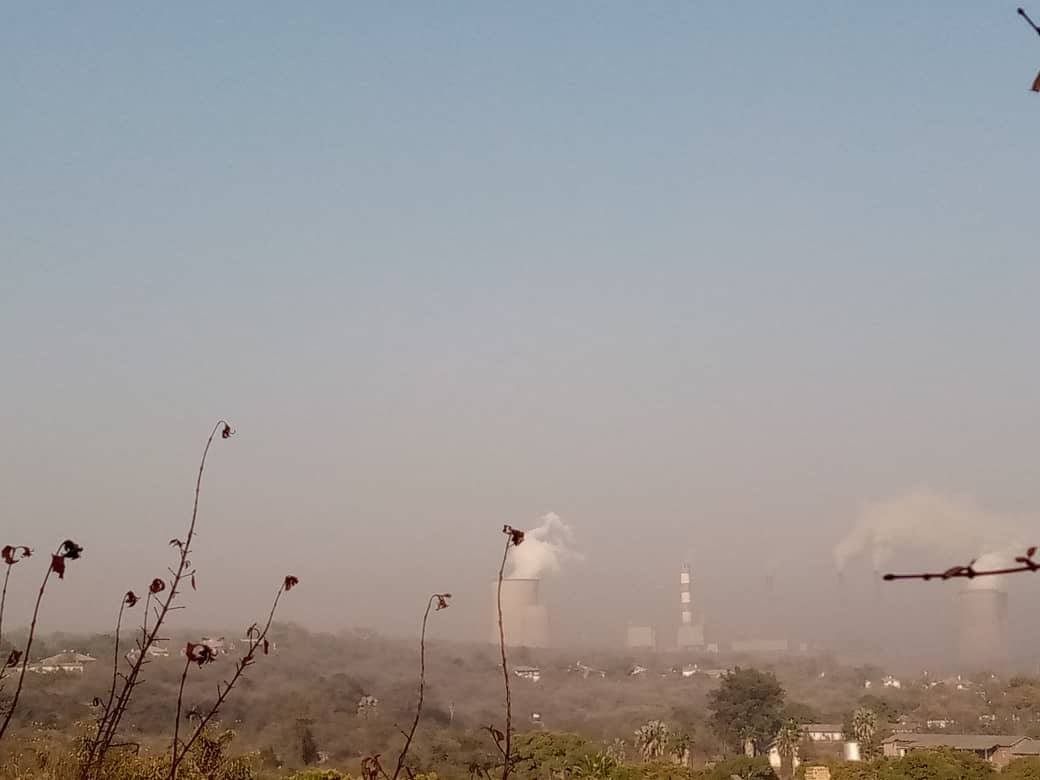
Studies conducted between 2024 and 2025, he added, revealed dangerous levels of air pollution in Hwange.

Advertisement

“The results were shocking. Air quality is far beyond safe limits, and people are breathing toxic substances daily,” Sibanda said.

Health facilities in affected areas have reportedly recorded a rise in respiratory illnesses and chronic diseases, underscoring the growing human cost of environmental neglect.

“This is no longer just an environmental issue—it is a public health emergency,” Sibanda said.

Advertisement

This report is based on information originally published by the Centre for Innovation and Technology (CITE).

Advertisement
Continue Reading

Slider

From skins to steaks — How wildlife trade is fueling communities in South Africa

Published

on

BY NOKUTHABA DLAMINI 

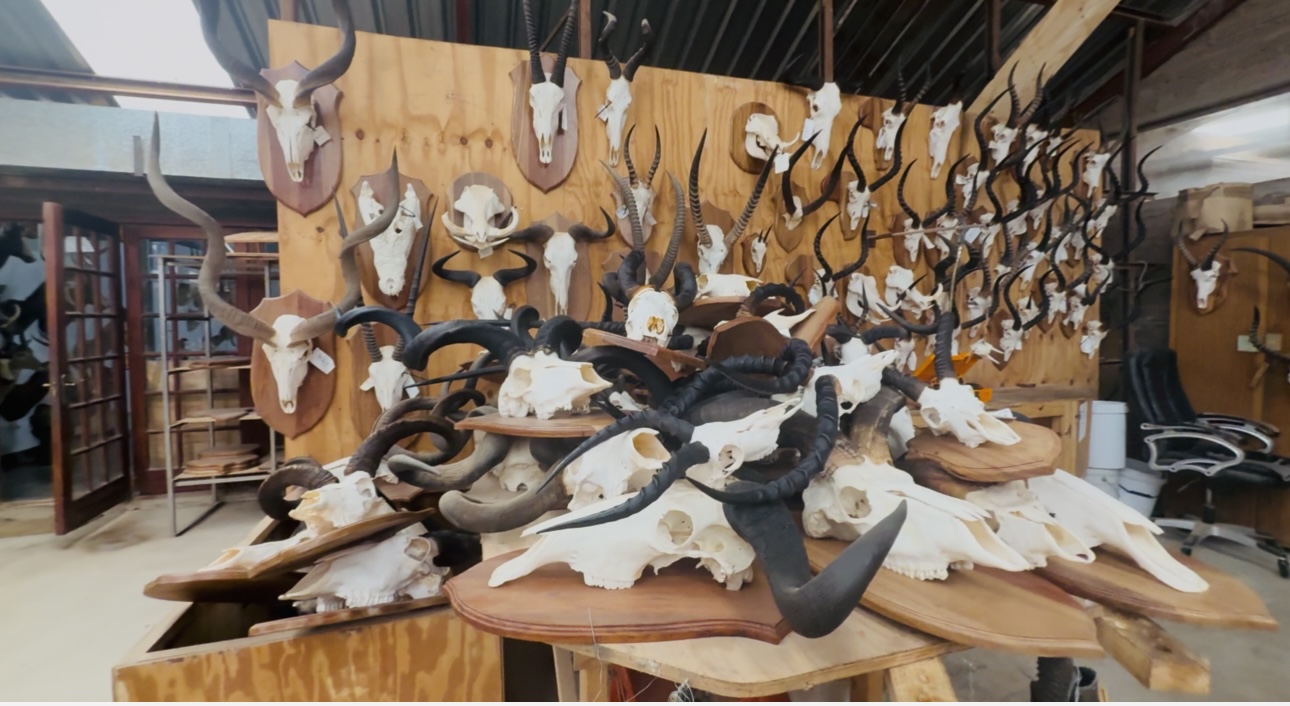
In the small town of Bela-Bela, a quietly flourishing business is unfolding — one that turns wildlife into livelihood, education, and economic opportunity. On a humid afternoon, we walked into the operations of Estelle Nel Taxidermy (and its parent networks), where rows of beautiful animal mounts — from antelope horns to zebra skins, skulls to full-body trophies — line the walls.
Advertisement

But beyond the busts and custom mounts lies a deeper purpose: this is not simply a display of hunting trophies. It is a system of sustainable use — where animals that die naturally or are hunted legally are completely utilised: meat, skin, horns, bones — nothing goes to waste, and everything acquires value.

As we discovered from our conversations, this network extends beyond taxidermy. Adjacent to the showrooms are processing facilities, butcheries, and game-meat wholesalers — all integral to transforming South Africa’s wild fauna into a formal, regulated, and sustainable economy.

“This is home” — an artisan’s vocation

Advertisement

I sat down with Melanie Viljoen, who serves as Export Secretary at Estelle Nel Taxidermy. Her voice was calm, resolute.
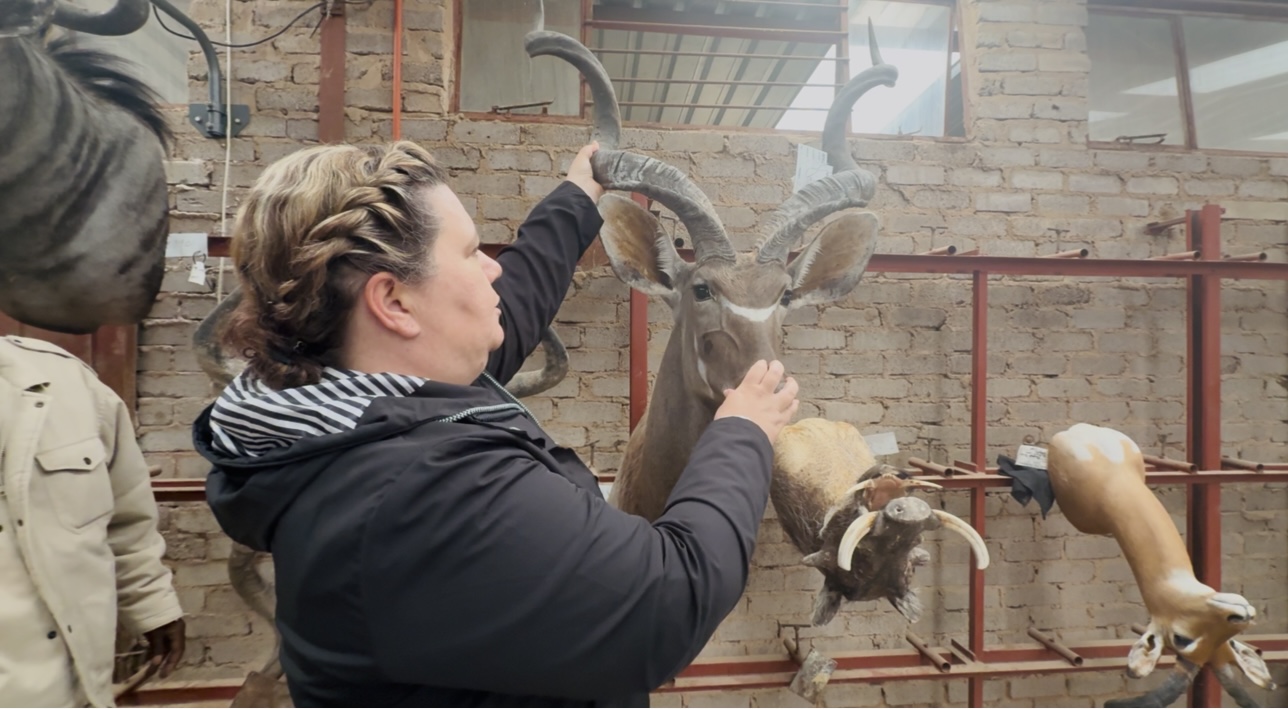
“For me, it’s like this is home and it’s something that I love to do. I love art. I studied art at school. I can’t think of anything else I’d rather do.”

She told us she’s been with the business for thirteen to fourteen years. Over that time she’s mastered a unique craft. “I’ve found my niche,” she said, “and I’m not going anywhere.”

Advertisement

Melanie explained how the business flows: outfitters bring in international clients to hunt on private farms, then process the animals: trophy mounts for some, meat for others. Locals also bring animals — sometimes for trophies, sometimes just for meat. There is even “school-mount” work: smaller species, sometimes a mother and its young, carefully preserved — not just for hunters, but for children to touch and learn about wildlife up close.
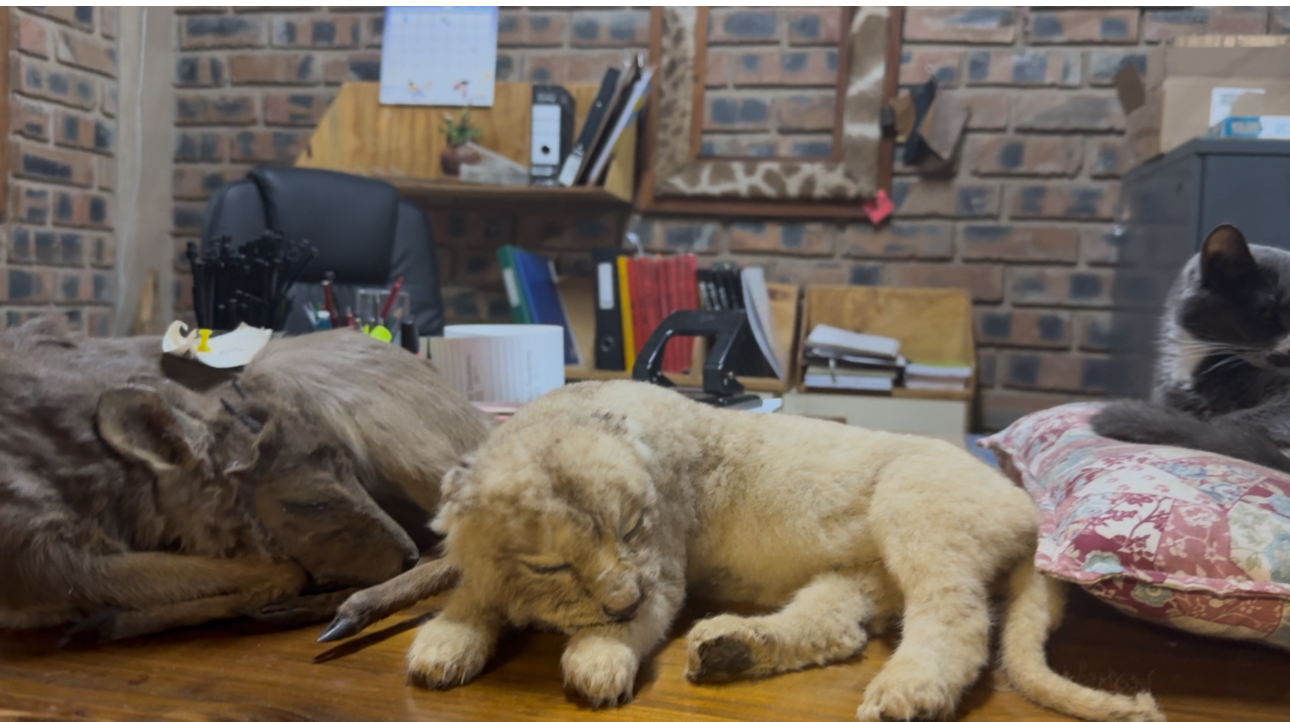
“We mount animals that have died naturally or were hunted… we use everything, from the meat to the skins and curls. It’s a sustainable way of doing business, and everything has a monetary value.”
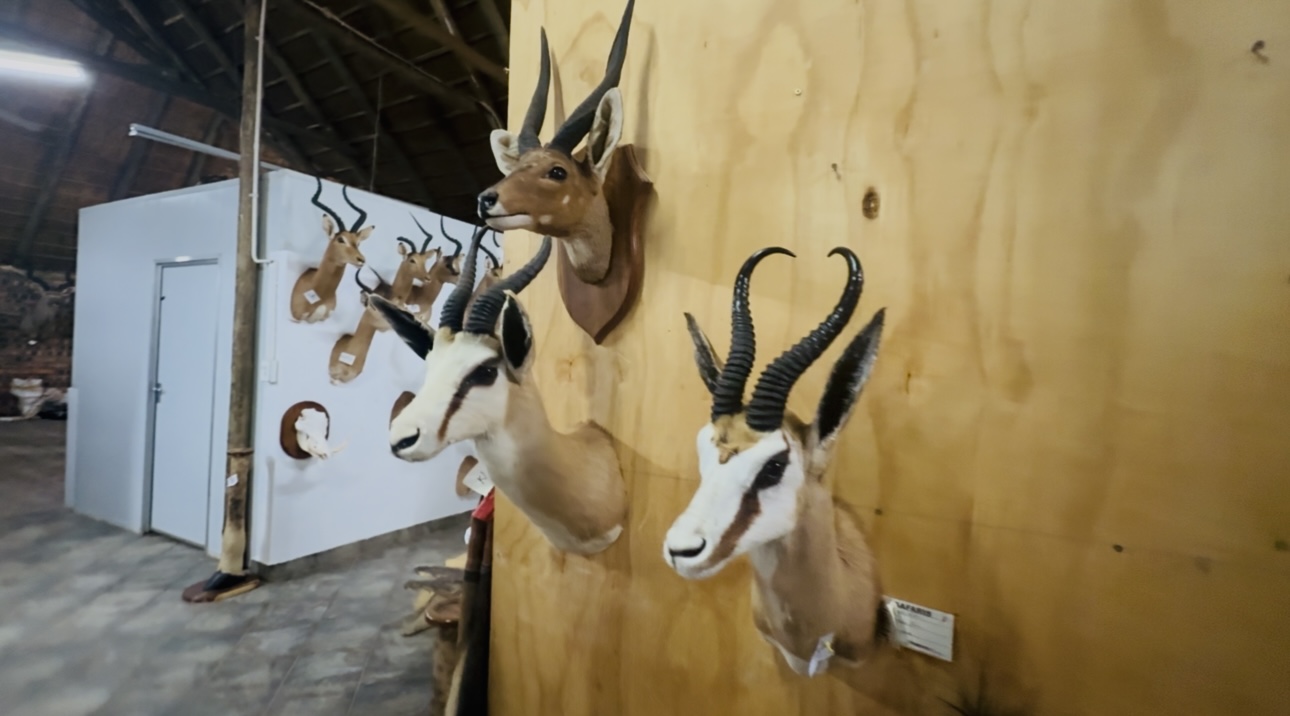
This, she says, is both business and passion — blending artistry, conservation, and commerce.

From workshops to global markets — taxidermy meets commerce

Advertisement

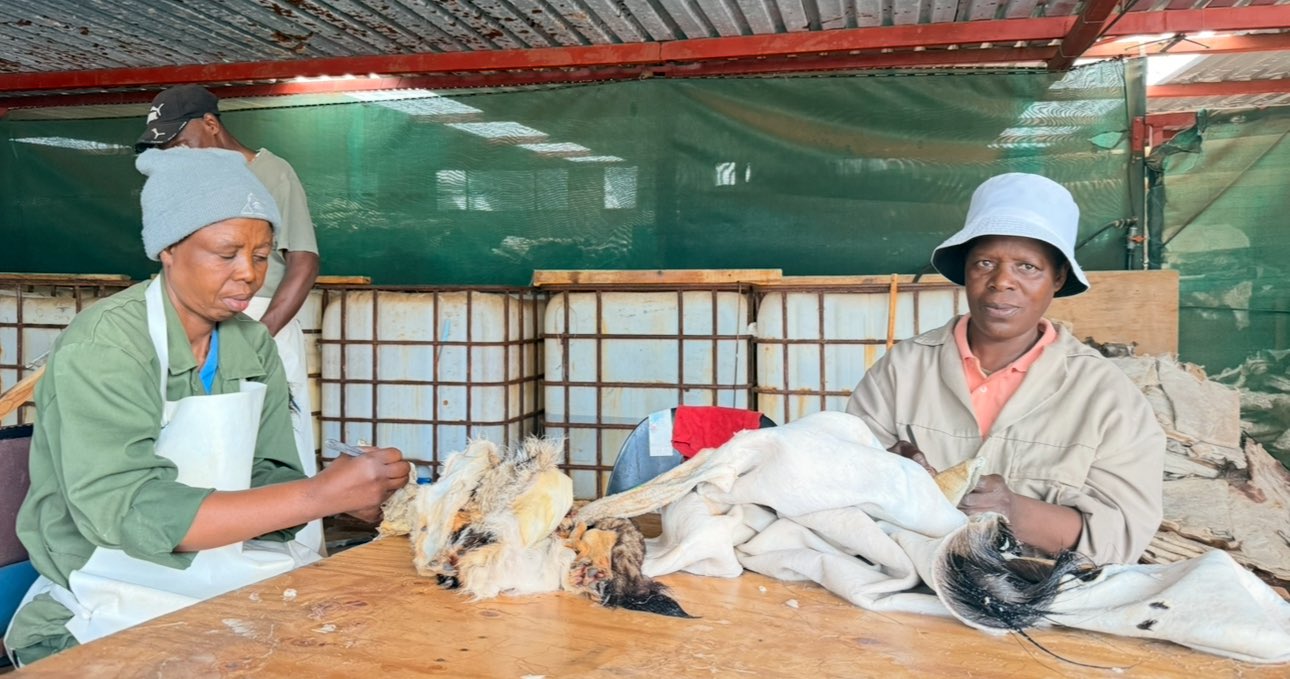
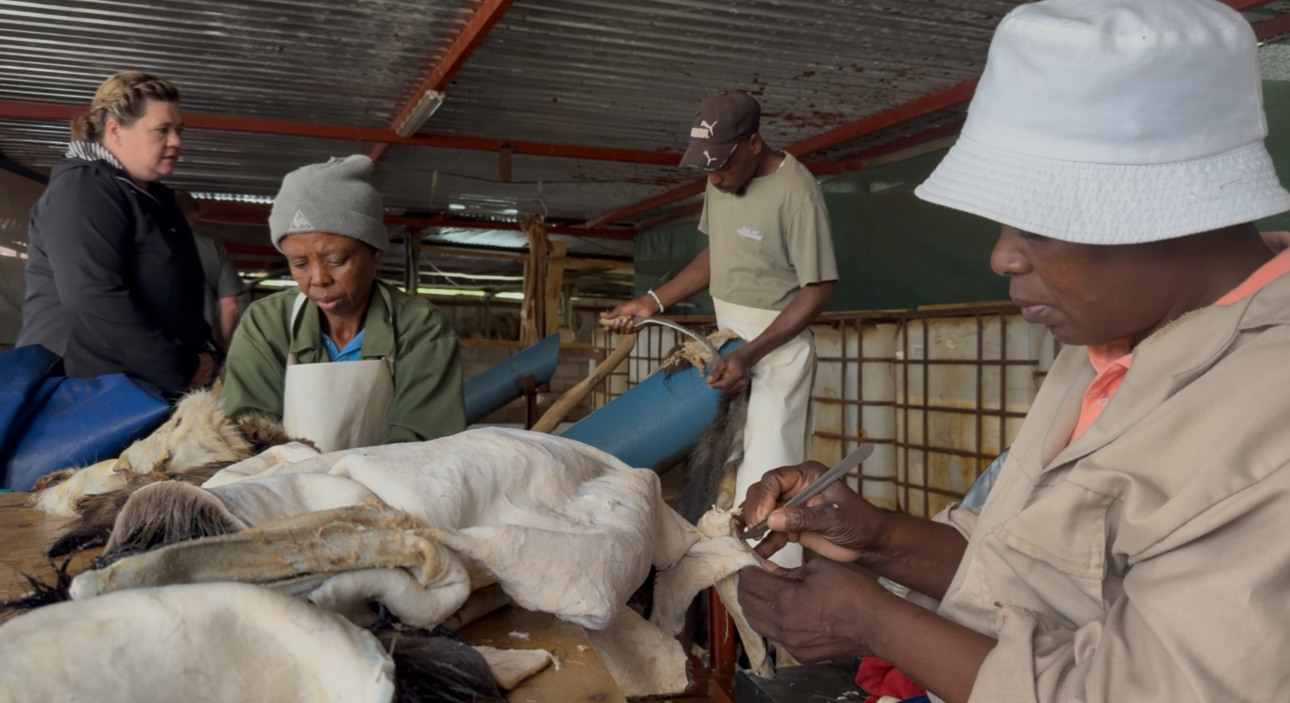
According to membership details o South African Taxidermy & Tannery Association, Estelle Nel Taxidermy offers a wide range of services: from mounting mammals, birds, reptiles; tanning skins and capes; cleaning, mounting and articulating skulls, bones, horns, tusks; to producing novelty leather items, polished horn décor, engraved bones, hoof lamps — even gunbags and furniture. They offer full export packing and crating services, and help clients ship internationally.

What this means is that skins, hides and trophies — once the culmination of a hunt — become far more than personal souvenirs. They become export commodities, contributing to livelihoods of artisans, packers, shippers, and everyone in between.

Yet, as Pieter Swart President of South African Taxidermy & Tannery Association  (SATTA)/chairman of SUCO-SA) told us, that path to global markets is not without obstacles.
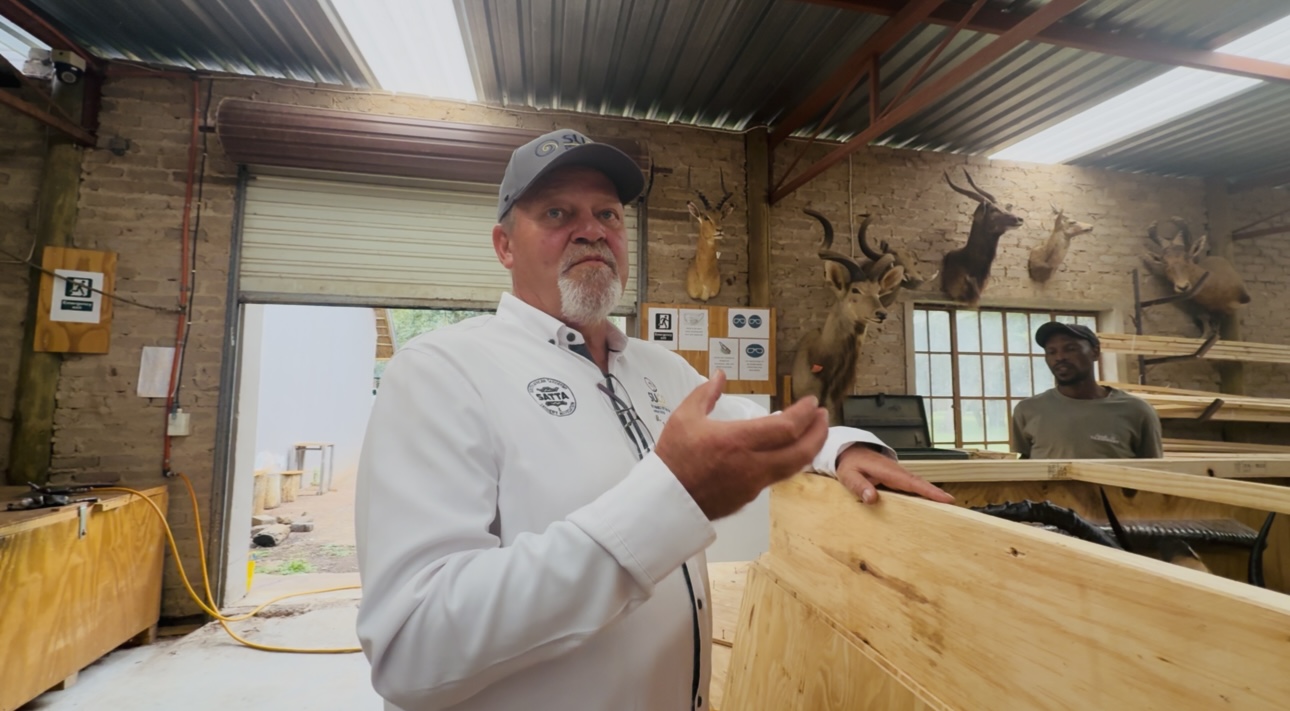
“Certain airlines allow the shipping of these trophies. I think it’s about four airlines that you can ship them overseas, but the rest refuse to take their hunting trophies to destinations. As well as the sea shipments — there’s only one ship going to America every three months. The rest of the shipping lines refuse to take hunting trophies.”

Advertisement

He lamented the difficulty in logistics. And yet, he sees themselves as part of a broader — and misunderstood — effort. “This anti-animal works movement created the idea that hunting is killing the animals and destroying them to extinction — but that is actually quite the opposite,” he said. “More and more, the guys are farming the animals; that is creating a better future for the animals.”

In other words: regulated, sustainable use — of every part of the animal — can coexist with conservation, economic empowerment, and community upliftment.

Game meat: from farm to fork

Advertisement

Next door to the taxidermy showroom, we toured a modest but hygienic meat-processing Camo Meat facility, run by people like Ina Hechter. They explained that their business started small — in 2012 as a private processing butcher for animals from farms. Around 2017 they expanded into wholesale for local markets. Export remains limited, but local demand is growing.
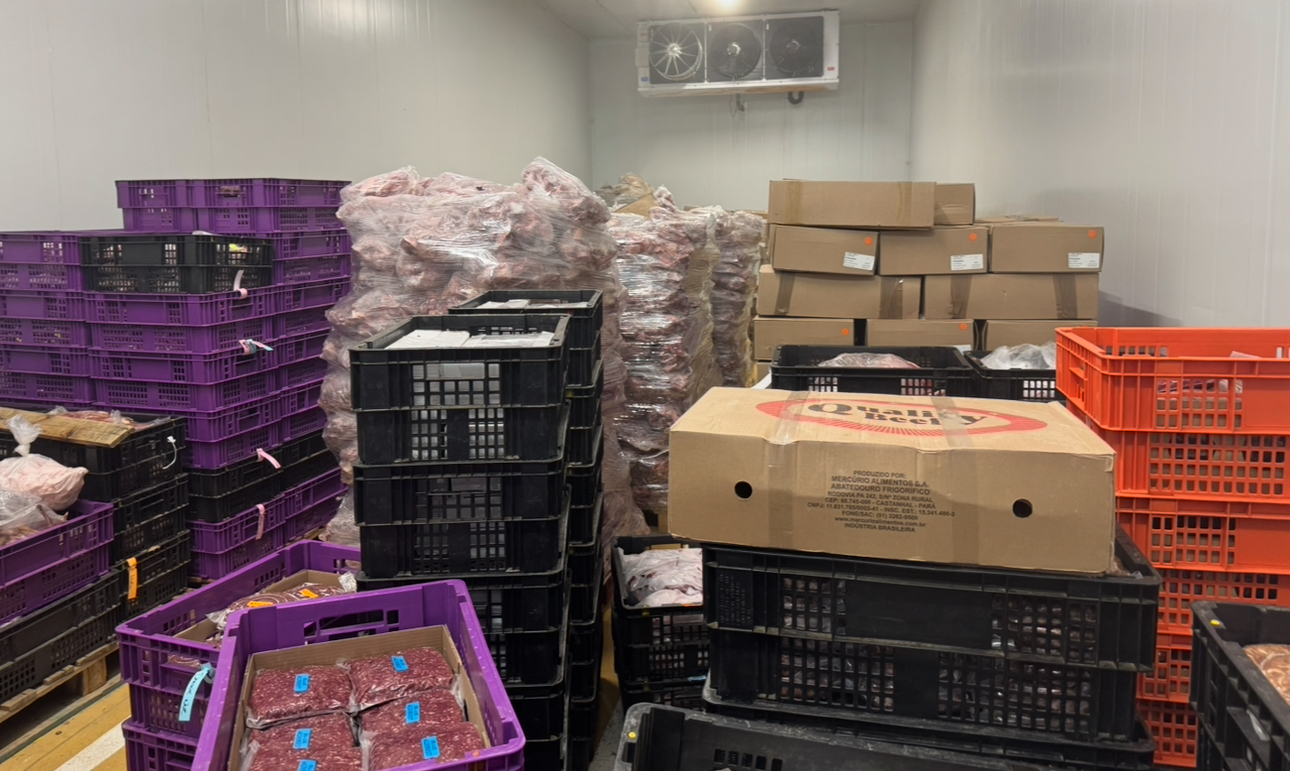
Their meats include species typical of the South African game-meat industry: kudu, impala, springbok, wildebeest, zebra and others. What began as a niche — somewhat stigmatised — trade is slowly gaining acceptance. Some supermarkets and lodges are carrying game meat; more restaurants are offering “veld flavour.”

Ina told me that in times of drought — when traditional livestock farming may suffer — game-meat businesses often see increased activity. Farms with overstocked wildlife or animals unable to survive drought may harvest and sell meat, skins and other resources. In this way, what might have been a loss can become income, conservation, and food security.

Advertisement

“Our parks are so small that they can’t sustain all the animals that are there,” Ina said. “Especially in drought years … when it’s not raining a lot you will see they die and then they sell the animals.”M
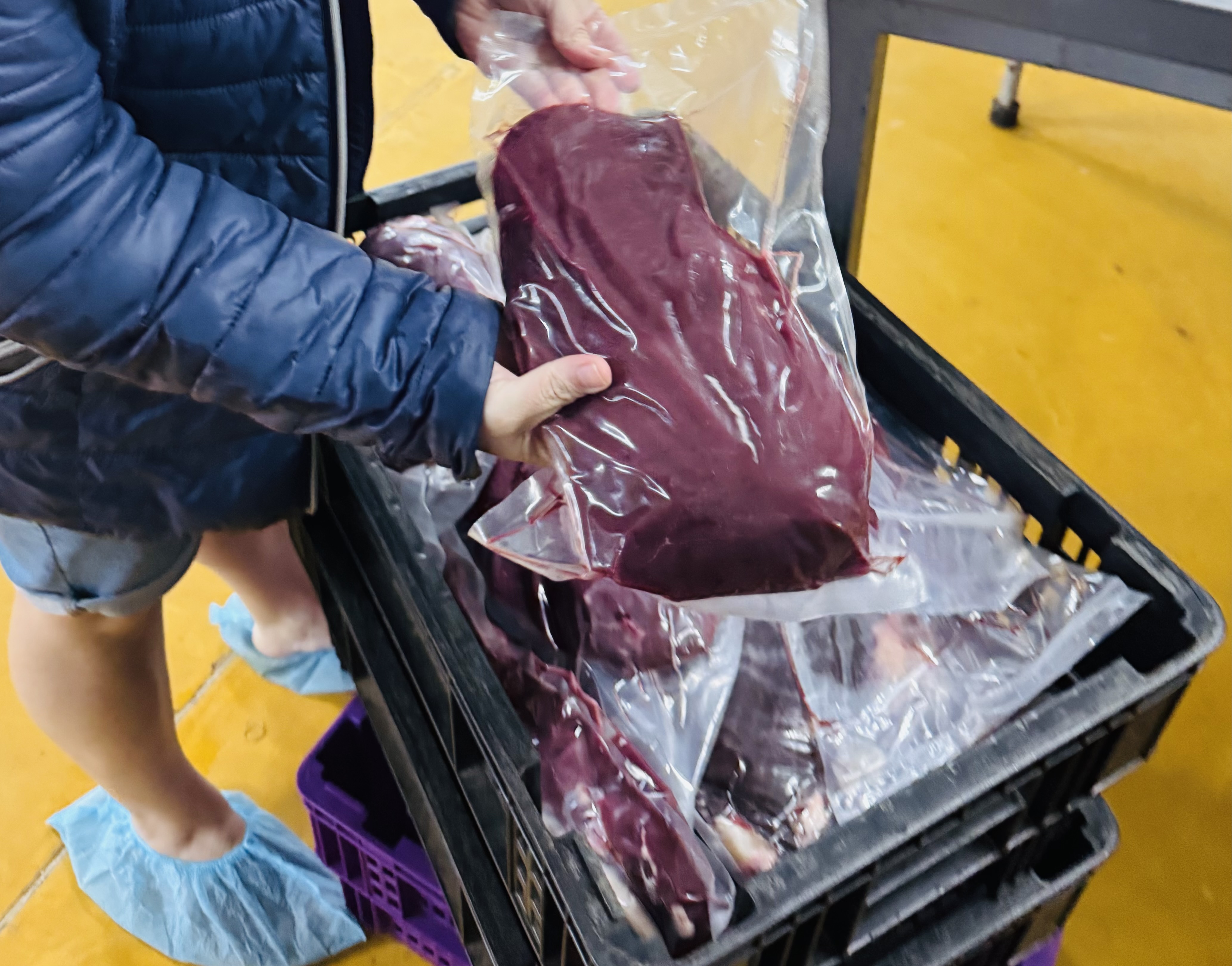
She sees game meat not only as a business, but as part of a broader sustainable economy — offering healthy, lean protein to consumers, easing pressure on overburdened habitats, and circulating value in rural and peri-urban communities.

More than meat and trophies — a conservation-economy model

What struck me during the tour was how holistic the operation is. It isn’t just about hunters bringing back trophies. It’s about using every bit of what exists: meat, skins, hides, horns, bones — even skulls, and decorative by-products. From full-body mounts to polished horn décor, from retail game-meat packages to furniture made from hoofs: this is a full-value chain.

Advertisement

Companies like Estelle Nel Taxidermy are members of formal trade associations and provide professional services — tanning, mounting, packing, export documentation — and in doing so, they help formalize trade in wildlife products.

Meanwhile, the game meat industry — though historically informal — is slowly growing more regulated. According to a recent national biodiversity-economy strategy, game-meat production supports economic growth, food security, and employment. The most commonly produced and consumed species: impala, kudu, wildebeest, springbok.

In other words: when properly managed, this sector has the potential to transform perceptions of wildlife — from being simply “wild animals” to resources that can feed, employ and uplift entire communities.

Advertisement

Challenges — logistics, stigma, regulation

But it’s not all smooth. As Pieter Swart highlighted, export logistics remain a bottleneck: only a few airlines transport trophies; shipping lines are often reluctant; sea freight to markets like the United States may come only every few months. This makes it harder for the industry to scale globally.

Domestically, the market for game meat and wildlife products still battles cultural and regulatory stigma. Many people still frown at game meat; supermarkets and restaurants are only slowly integrating it.

Advertisement

Regulation is another issue: for the industry to be sustainable, wildlife needs to be farmed or managed responsibly, harvesting must follow quotas, and processing must meet health and safety standards. When abattoirs, tanneries, and exporting agents comply with regulation, this gives the industry legitimacy — but it also requires oversight, capacity, and buy-in from all stakeholders.
A snapshot

Our visit painted a picture of a wildlife economy that’s evolving: where skilled artisans turn skins, horns, skulls into enduring art; where processors supply game meat to homes, restaurants and hotels; where farms, outfitters, taxidermists, meat processors, exporters, and even children (learning from mounted displays) all form part of an ecosystem.

It’s a world that challenges simplistic ideas of wildlife as either “pristine wilderness” or “endangered species.” Instead, it shows how — if managed with respect, regulation, and purpose — natural resources can sustain livelihoods, build economies, and forge a bridge between conservation and commerce.

Advertisement

For many of those involved — from Melanie Viljoen to Ina Hechter and Pieter Swart — it’s not just business. It’s home. It’s art. It’s the future.

Advertisement
Continue Reading

Trending

Copyright © 2022 VicFallsLive. All rights reserved, powered by Advantage