Connect with us

Uncategorized

Zimbabwe doubles spending as it targets growth of 5.5 percent in 2022

Published

on

BY GODFREY MARAVANYIKA AND RAY NDLOVU

Zimbabwe aims to almost double spending next year to help shrug off the effects of the coronavirus pandemic and two consecutive years of economic contraction.

Advertisement

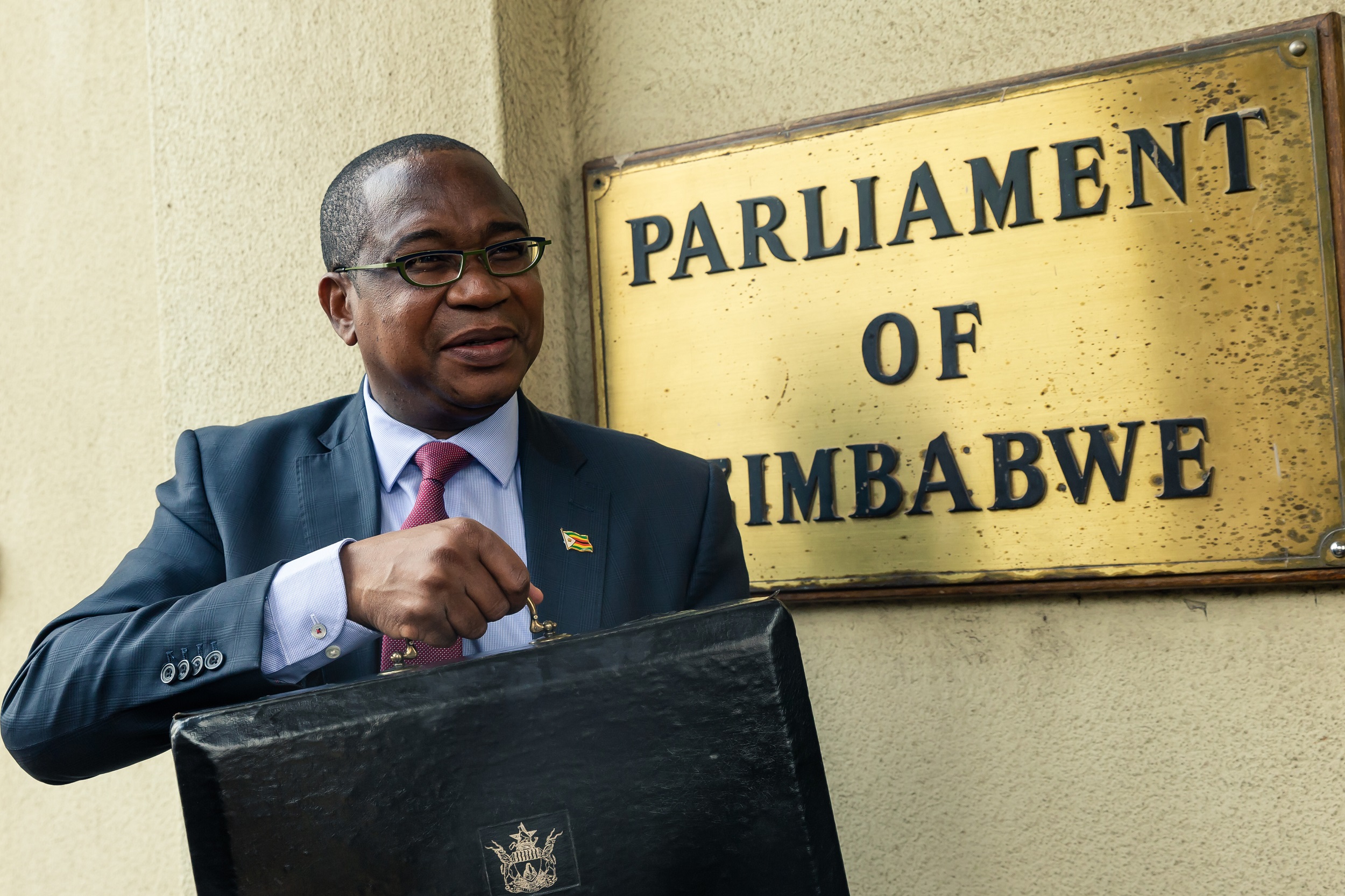
Expenditure is projected to increase to $927.3 billion from a revised $509 billion estimated in 2021, Finance minister Mthuli Ncube said in his budget speech in Harare, the capital, on Thursday.

Part of the money will be channeled to infrastructure and state-owned companies, including to recapitalise the national airline, he said.

The increased spending will help drive economic growth, with a 5.5 percent expansion in gross domestic product seen in 2022 compared with 7.8 percent this year, he said.

Advertisement

The economy shrank 5.3 percent in 2020, Finance Ministry data shows and contracted 6.1 percent the year before, according to International Monetary Fund data.

“This 2022 national budget seeks to buttress the growth trajectory established in 2021, and enable the economy to build resilience against shocks, including the Covid-19 pandemic,” Ncube said.

The government is targeting $850.8 billion in revenue next year, up from an estimated revised $495.1 billion in 2021.

Advertisement

Part of that will come from taxes, borrowing of $76.5 billion and an additional drawdown from reserves known as special drawing rights, the finance minister said.

SDRs of almost US$1 billion have been allocated to the southern African nation by the IMF.

The expenditure increase will widen the budget deficit to 1.5 percent of GDP, from 0.5 percent this year.

Advertisement

The gap will be partly funded by the issuance of dollar denominated government bonds of as much as $100 million to be listed on the Victoria Falls Securities Exchange during the first quarter of 2022, he said.

To halt a slide in a local currency that’s plunged 29 percent against the dollar this year, hurting the nation’s finances and fueling inflation, the government is reviewing the current foreign currency auction system, further tightening monetary policy and curbing “malpractices” in the financial sector, said Ncube.

Zimbabwe will use US$280 million of the SDR to support its beleaguered currency, the budget statement shows.

Advertisement

The instability in the foreign-exchange market is being driven by an unrelenting increase in money supply, increasing imports and long delays in settlement at the central bank’s weekly currency auction, the Confederation of Zimbabwe Industries, the country’s largest business lobby group said last month.

Estimates show annual inflation will probably end the year at 52 percent to 58 percent, up from the revised target of 25 percent to 35 percent and average 32.6 percent in 2022, the minister said.

Zimbabwe’s external public debt is estimated at US$13.2 billion, Ncube said.

Advertisement

Of that, us$5.45 billion is owed to bilateral creditors including the Paris Club and us$2.67 billion to multilateral lenders, such as the World Bank and African Development Bank, his budget statement showed.

The Treasury made payments to external creditors of US$44.2 million in the nine months through September.

The payments were made to active portfolios including Export–Import Bank of China and for token payments to international financial institutions and bilateral Paris Club creditors, Ncube said.

Advertisement

Payments to active portfolios are crucial for the country to access fresh credit lines for on-going projects, he said. – Bloomberg

Advertisement
Continue Reading
Click to comment

Leave a Reply

Your email address will not be published. Required fields are marked *

In the community

EMA, Lupane State University step up fight against deadly Umkhawuzane in Mat North

Published

on

BY WANDILE TSHUMA

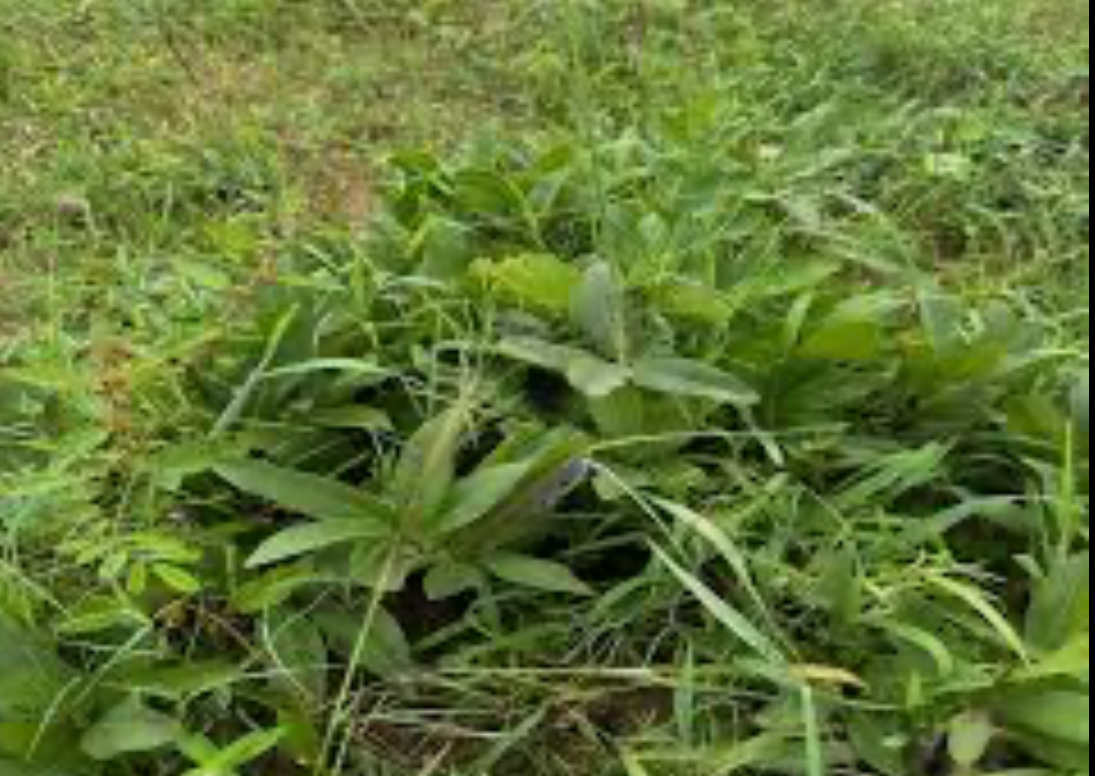
The Environmental Management Agency (EMA), in partnership with Lupane State University, has launched a community-based initiative to control and reduce the impact of the toxic plant Dichapetalum cymosum, locally known as Umkhawuzane or Gifblaar, which has caused significant livestock losses in Matabeleland North.

Advertisement

The initiative, focuses on managing the spread of the poisonous plant, which is widely recognised as one of the most dangerous threats to cattle in Southern Africa. Gifblaar is estimated to contribute to about eight percent of livestock deaths linked to toxic plants in the region. The plant contains fluoroacetate, a potent toxin that causes sudden death in animals and poses risks of secondary poisoning through the food chain.

According to EMA, the study was carried out in Ward 18 (Makhovula) in Lupane District and Ward 10 in Umguza District. It combined community sensitisation with mechanical and chemical control trials aimed at identifying effective ways to eradicate the plant.

Community engagements revealed a high level of awareness among farmers about the toxicity of Umkhawuzane. Farmers reported losing an average of three to four animals per household during the winter season, when forage is scarce and the plant remains green, increasing the risk of livestock consumption.

Advertisement

Results from the trials showed that mechanical removal of the plant produced promising outcomes. No regeneration was observed in areas where roots were excavated to depths of between one and 1.5 metres. However, chemical control using glyphosate only led to temporary suppression of the plant and did not achieve complete eradication, while also affecting surrounding vegetation.

EMA said the findings highlight the need for integrated and site-specific management approaches. These include effective mechanical removal, cautious use of chemicals, and continuous community education to prevent further losses.

The agency, together with Lupane State University, reaffirmed its commitment to working closely with local communities to protect livestock, improve rangeland management and reduce the economic losses caused by Umkhawuzane in Matabeleland North.

Advertisement

Continue Reading

National

Zimbabwe fast-tracks approval of long-acting HIV prevention drug Lenacapavir

Published

on

BY WANDILE TSHUMA

Zimbabwe has taken a major step in the fight against HIV following the rapid approval of Lenacapavir, a groundbreaking long-acting injectable for HIV pre-exposure prophylaxis (PrEP). The Medicines Control Authority of Zimbabwe (MCAZ) authorised the drug in just 23 days, marking one of the fastest regulatory approvals in the country’s history.

Advertisement

The application, submitted by pharmaceutical company Gilead Sciences in October, underwent an expedited review because of its public health importance. MCAZ says the fast-tracked process did not compromise scientific scrutiny, with the product subjected to a rigorous assessment of its safety, efficacy and quality.

Lenacapavir is designed for adults and adolescents weighing at least 35kg who are HIV-negative but at substantial risk of infection. Unlike traditional daily oral PrEP, the medicine is administered as a six-monthly injection, following an initiation phase that includes one injection and oral tablets on Days 1 and 2. Health authorities say this long-acting formulation could dramatically improve adherence and expand prevention options, particularly for communities where daily pill-taking is difficult.

MCAZ Director-General  Richard T. Rukwata described the approval as a landmark moment in Zimbabwe’s HIV response.

Advertisement

“The rapid approval of Lenacapavir reflects MCAZ’s dedication to accelerating access to trusted, high-quality health products. This milestone brings new hope for HIV prevention and reinforces our commitment to safeguarding public health,” he said.

To fast-track the process, the Authority applied a regulatory reliance approach, drawing on scientific assessments from the World Health Organization’s Prequalification Programme (WHO PQ). This allowed evaluators to build on internationally recognised review processes while ensuring Zimbabwe’s own standards were met.

The introduction of Lenacapavir comes as Zimbabwe continues efforts to reduce new HIV infections, particularly among young people and key populations who face barriers to consistent PrEP use. Public health experts say the drug’s twice-yearly dosing could be a game changer in improving uptake and protection.

Advertisement

MCAZ says it remains committed to ensuring Zimbabweans have access to safe, effective and good-quality medical products, in line with its mandate under the Medicines and Allied Substances Control Act.

Advertisement
Continue Reading

Slider

ZimParks to host first-ever International Wildlife Conservation symposium

Published

on

BY NOKUTHABA DLAMINI

The Zimbabwe Parks and Wildlife Management Authority (ZimParks) will hold its inaugural International Wildlife Conservation Symposium under the theme “Wildlife Conservation and Sustainable Development.”

Advertisement

The two-day event, scheduled for October 22 to 23, next week, will take place at the Management Training Bureau in Msasa, Harare. It will bring together conservationists, researchers, policymakers, and students to discuss key issues around wildlife protection and sustainable development.

The symposium will focus on eight sub-themes, namely Wildlife Conservation and Transboundary Management, Freshwater, Fisheries and Aquatic Management, Sustainable Tourism and Socio-Economic Development, Human-Wildlife Interactions, Environmental Health and Safety, Climate Change Adaptation and Mitigation, Community-Based Natural Resource Management, and Natural Resource Policy and Governance.

ZimParks says the symposium will provide a platform to exchange ideas and deepen understanding of the link between wildlife conservation and sustainable development. Members of the public, students, and professionals are encouraged to attend.

Advertisement


Advertisement
Continue Reading

Trending

Copyright © 2022 VicFallsLive. All rights reserved, powered by Advantage