Connect with us

Slider

Wire snares continue to kill wildlife around Hwange, despite crackdown

Published

on

BY NOKUTHABA DLAMINI

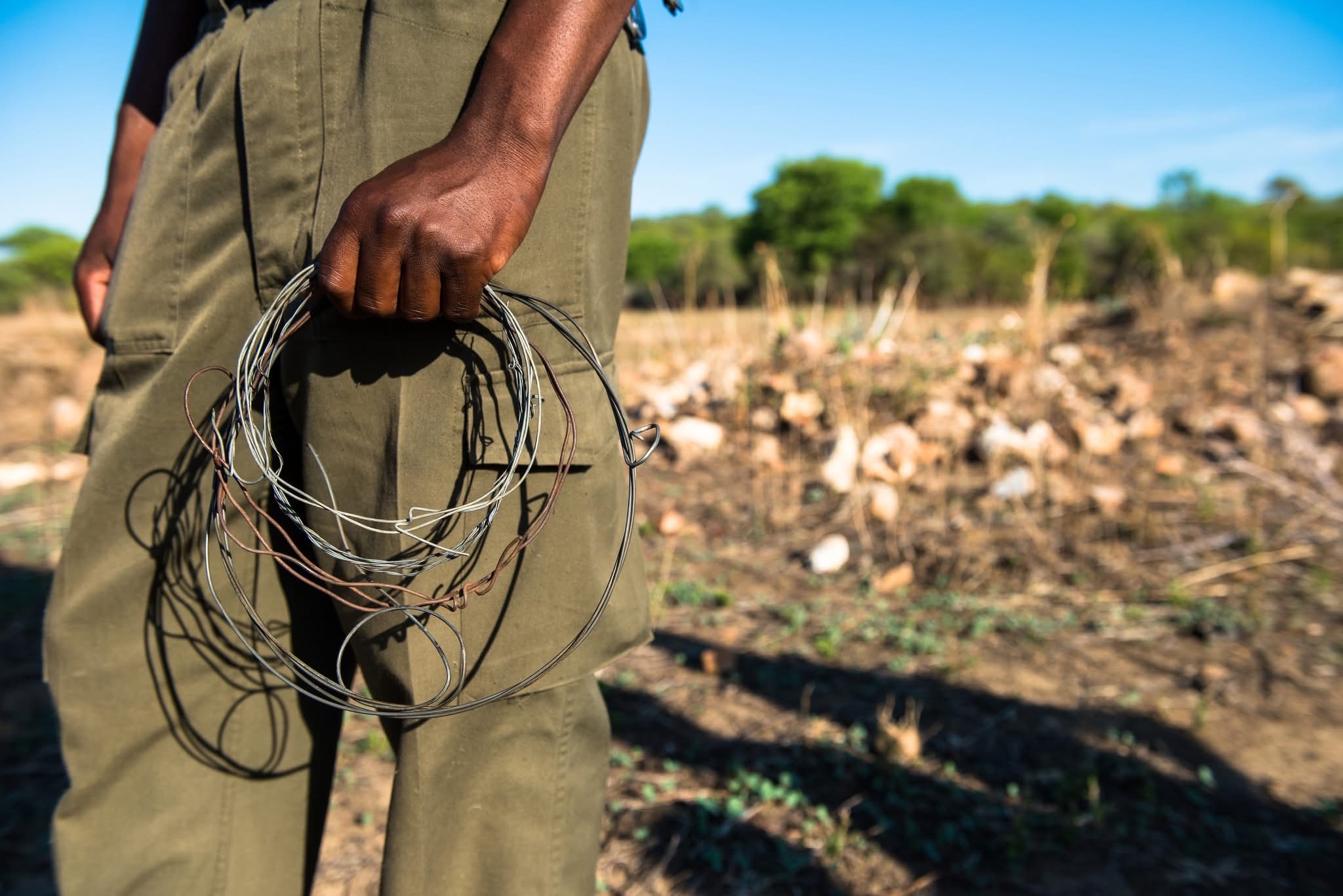
Wire snares continue to take a heavy toll on wildlife in the forests surrounding Hwange National Park and the Victoria Falls wildlife corridors, despite intensified anti-poaching efforts.

Advertisement

Figures from the Zimbabwe Parks and Wildlife Management Authority (ZimParks) show that 1 760 wire snares were recovered in Hwange National Park and the Victoria Falls area in 2024.

In the first ten months of 2025, a further 1 048 snares were removed, underscoring the persistence of illegal snaring in one of southern Africa’s most important conservation landscapes.

ZimParks says snaring is most common along park boundaries and buffer zones, particularly around Sinamatella, Hwange Main Camp, Matetsi and Robins Camp, as well as in nearby communities such as Dete and Mambanje.

Advertisement

“Our teams remain actively deployed on the ground, conducting regular patrols and monitoring exercises to combat snaring and other illegal activities,” ZimParks said in a written response. “This consistent field presence has been instrumental in safeguarding wildlife populations.”

However, conservation organisations operating in these areas say the rising number of recovered snares points to an escalating problem rather than success.

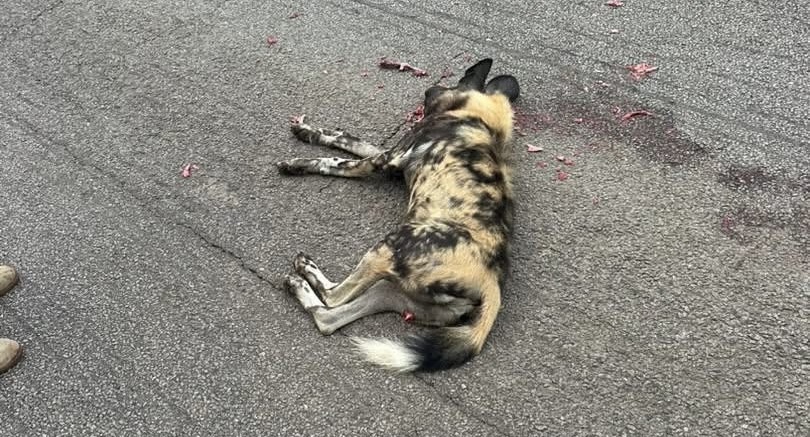
Painted Dog Conservation (PDC), which runs extensive anti-poaching patrols in and around Hwange, describes wire snares as one of the most indiscriminate threats to wildlife.

Advertisement

“Poachers are quite skilled and know what they are targeting,” said David Kuvaoga, operations director at PDC. “But the snare itself is not selective.”

He said animals of all sizes are caught.

“We have seen elephants trapped by the trunk, lions, buffalo, giraffe and painted dogs,” Kuvaoga said. “Once an animal is caught, it can suffer for hours or days. Many die without ever being seen.”

Advertisement

PDC rangers removed more than 3 500 wire snares in 2024 across Hwange, the Gwayi Valley and surrounding forestry areas.

“For every snare we remove, there are animals that have already been injured or killed,” he added.

In the Victoria Falls area, the Victoria Falls Anti-Poaching Unit (VFAPU) has reported a steady increase in snaring incidents, particularly during the dry season when wildlife movements intensify.

Advertisement

VFAPU recorded 59 snares recovered in September 2025 and 54 in October, alongside confirmed wildlife losses including buffalo and hyena.

“Animals lost to poaching is always a bitter pill to swallow,” VFAPU said in its October operational report. “Sadly, we lost three animals that we know of. From every case, we learn more about how these poaching groups operate.”

VFAPU said the regular recovery of snares reflects active and ongoing poaching, prompting expanded patrols in collaboration with ZimParks and neighbouring ranger units.

Advertisement

At the Conservation Wildlife Fund (CWF) in Hwange, conservationists caution against viewing high snare recovery figures as progress.

“It is difficult to describe collecting snares as success,” said Debra Ogilvie-Roodt of CWF. “Success would be seeing fewer snares being set in the first place.”

She said snares remain lethal long after they are placed.

Advertisement

“A snare doesn’t stop killing once it’s set,” Ms Ogilvie-Roodt said. “Unless it is found and removed, it will continue to trap animals. We have seen lions with snares around their necks, giraffes caught and elephants injured. Many do not survive.”

ZimParks acknowledges the scale of the challenge and says it is intensifying enforcement and cooperation with conservation partners.

The authority works with organisations including Painted Dog Conservation, Conservation Wildlife Fund, Friends of Hwange, Dete Animal Rescue Trust, Victoria Falls Anti-Poaching Unit and Victoria Falls Wildlife Trust, many of which operate outside protected areas where most snares are set.

Advertisement

“These partners play a critical role in early detection and rapid response,” ZimParks said.

ZimParks says its anti-snaring strategy includes increased law-enforcement patrols, de-snaring operations, sniffer dogs, intelligence networks, technology such as drones and camera traps, and community engagement through programmes like CAMPFIRE.

The authority warns that snaring threatens not only biodiversity but also livelihoods.

Advertisement

“Snaring poses a serious ecological threat and undermines wildlife-based tourism, which is a major revenue earner for local communities and the country,” ZimParks said.

SOURCE: CITE

Advertisement
Continue Reading
Click to comment

Leave a Reply

Your email address will not be published. Required fields are marked *

In the community

Tsholotsho man jailed for stealing and slaughtering neighbour’s goat

Published

on

BY STAFF REPORTER

A 31-year-old man from Tsholotsho has been sentenced to an effective six months in prison after being convicted of stealing and slaughtering his neighbour’s goat.

Advertisement

The incident occurred on 11 July 2024 when the complainant released his herd to graze at Mhlahlo grazing land. One black-and-white goat failed to return, prompting the owner and fellow villagers to launch a search.

The search led to the accused’s homestead, where the complainant positively identified the carcass of his missing goat. The man initially denied involvement in the theft, but investigations revealed overwhelming evidence linking him to the crime.

He was arrested and placed in police custody but later escaped while being taken to the police station. The escape was promptly reported, leading to his re-arrest.

Advertisement

The court sentenced the accused to 12 months’ imprisonment, with three months suspended on condition of good behaviour. A further three months were suspended on condition that he pays restitution amounting to ZAR1 500. He will therefore serve an effective six-month prison term.

In a statement, the National Prosecuting Authority of Zimbabwe commended communities for remaining vigilant and reporting crime promptly.

“Justice is strongest when citizens stand together against lawlessness. Silence and tolerance of crime only empower offenders,” the NPAZ said.

Advertisement

Continue Reading

In the community

EMA, Lupane State University step up fight against deadly Umkhawuzane in Mat North

Published

on

BY WANDILE TSHUMA

The Environmental Management Agency (EMA), in partnership with Lupane State University, has launched a community-based initiative to control and reduce the impact of the toxic plant Dichapetalum cymosum, locally known as Umkhawuzane or Gifblaar, which has caused significant livestock losses in Matabeleland North.

Advertisement

The initiative, focuses on managing the spread of the poisonous plant, which is widely recognised as one of the most dangerous threats to cattle in Southern Africa. Gifblaar is estimated to contribute to about eight percent of livestock deaths linked to toxic plants in the region. The plant contains fluoroacetate, a potent toxin that causes sudden death in animals and poses risks of secondary poisoning through the food chain.

According to EMA, the study was carried out in Ward 18 (Makhovula) in Lupane District and Ward 10 in Umguza District. It combined community sensitisation with mechanical and chemical control trials aimed at identifying effective ways to eradicate the plant.

Community engagements revealed a high level of awareness among farmers about the toxicity of Umkhawuzane. Farmers reported losing an average of three to four animals per household during the winter season, when forage is scarce and the plant remains green, increasing the risk of livestock consumption.

Advertisement

Results from the trials showed that mechanical removal of the plant produced promising outcomes. No regeneration was observed in areas where roots were excavated to depths of between one and 1.5 metres. However, chemical control using glyphosate only led to temporary suppression of the plant and did not achieve complete eradication, while also affecting surrounding vegetation.

EMA said the findings highlight the need for integrated and site-specific management approaches. These include effective mechanical removal, cautious use of chemicals, and continuous community education to prevent further losses.

The agency, together with Lupane State University, reaffirmed its commitment to working closely with local communities to protect livestock, improve rangeland management and reduce the economic losses caused by Umkhawuzane in Matabeleland North.

Advertisement

Continue Reading

National

Government to reward top-performing schools nationwide

Published

on

BY NOSIZO MPOFU

The Ministry of Primary and Secondary Education has launched a new national initiative to promote and reward academic excellence across Zimbabwe’s education system, Minister Torerayi Moyo has announced.

Advertisement

In a post on X, Minister Moyo said the programme will recognise and award the top 10 best-performing schools in each province, based on their 2025 pass rates at Grade Seven, Ordinary Level and Advanced Level.

“The recognition is a celebration of high-performing schools that have consistently demonstrated a strong commitment to academic achievement and the holistic development of learners,” said Moyo. He added that the initiative aligns with the Government’s commitment to providing equitable, inclusive and quality education, in line with Sustainable Development Goal 4 (SDG 4).

In addition to provincial awards, the ministry will also identify and reward the top five best-performing schools nationally in the 2025 Zimbabwe School Examinations Council (ZIMSEC) and Cambridge examinations. These schools will be honoured on 20 March 2026.

Advertisement

According to the minister, the recognised institutions will serve as “beacons of excellence and inspiration,” setting benchmarks for quality education and academic performance across the country.

Minister Moyo also called on individuals, corporates, well-wishers and development partners to support the initiative through sponsorships, awards, grants and other forms of assistance.

“This support will go a long way in motivating our hardworking teachers and headmasters,” he said.

Advertisement

Those interested in supporting the programme have been advised to contact the Ministry of Primary and Secondary Education Head Office through official communication channels.

Advertisement
Continue Reading

Trending

Copyright © 2022 VicFallsLive. All rights reserved, powered by Advantage