Connect with us

Slider

Tsholotsho teen dies after fatal fall from moving vehicle

Published

on

BY WANDILE TSHUMA

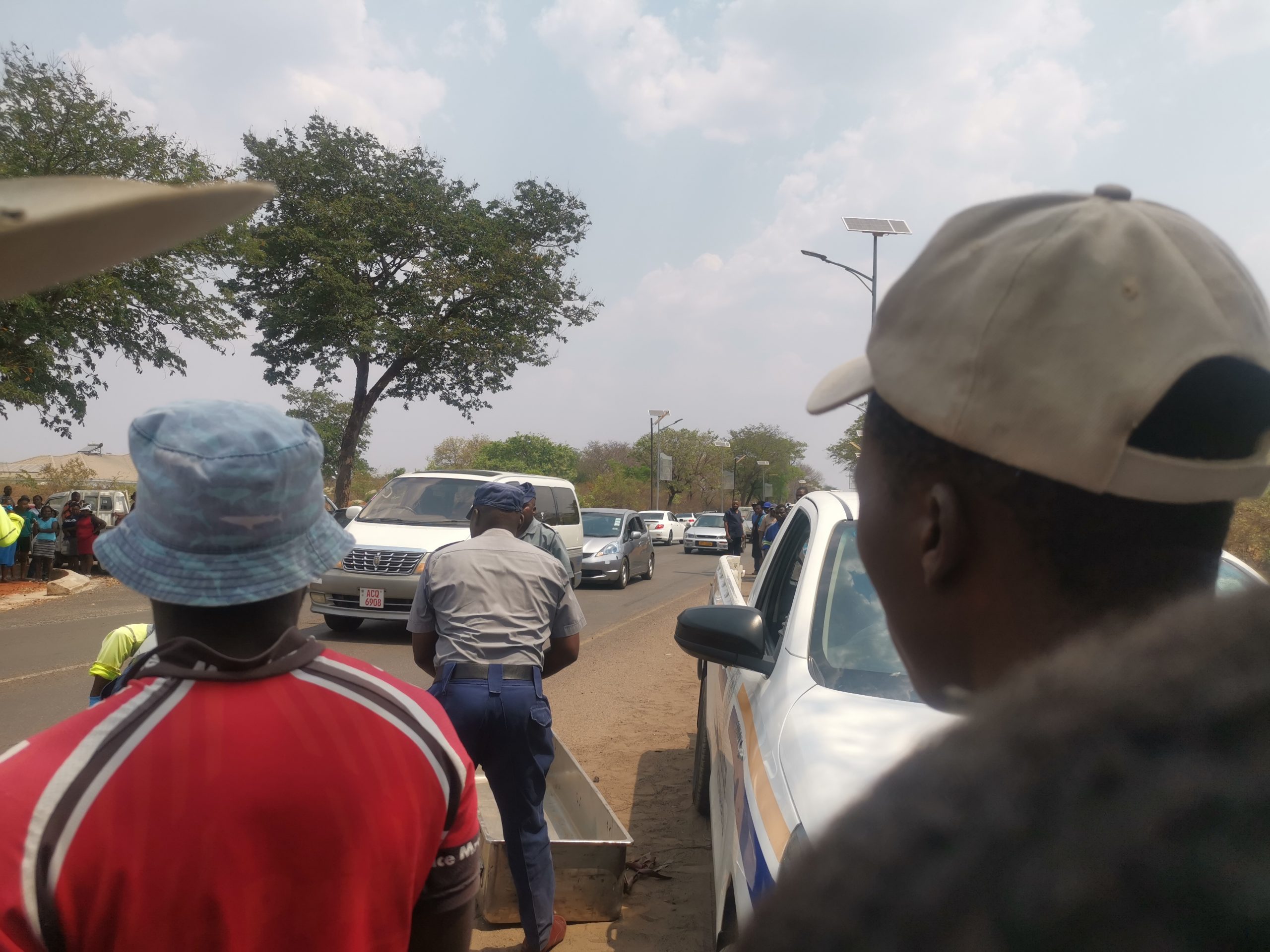
A road accident has claimed the life of a 15-year-old boy from Tsholotsho, who died upon admission at a hospital in after falling from a moving Toyota Hilux vehicle.

Advertisement

The incident occurred on four days ago, at the 90-kilometer peg along the Bulawayo-Tshefunye Road.

Police say that eyewitnesses report that the boy was clinging to the mudguard of a trailer being towed by the vehicle when he lost his grip and fell.

The driver of the vehicle failed to stop after the accident, leaving the young boy to succumb to his injuries.

Advertisement

MEANWHILE, INFANT’S LIFE CUT SHORT IN REVERSING TRUCK TRAGEDY

In a separate incident, a one-year-seven-month-old infant died after being run over by an Iveco rigid truck reversing at Navata Business Centre in Zhombe on three days ago.

Police have implored motorists to exercise extreme caution and thoroughly check their surroundings before reversing, following these two tragic incidents.

Advertisement

Investigations into both accidents are ongoing.

Advertisement
Continue Reading
Click to comment

Leave a Reply

Your email address will not be published. Required fields are marked *

Slider

Painted Dog Conservation raises alarm over road detour threatening wildlife near Hwange

Published

on

BY NOKUTHABA DLAMINI 

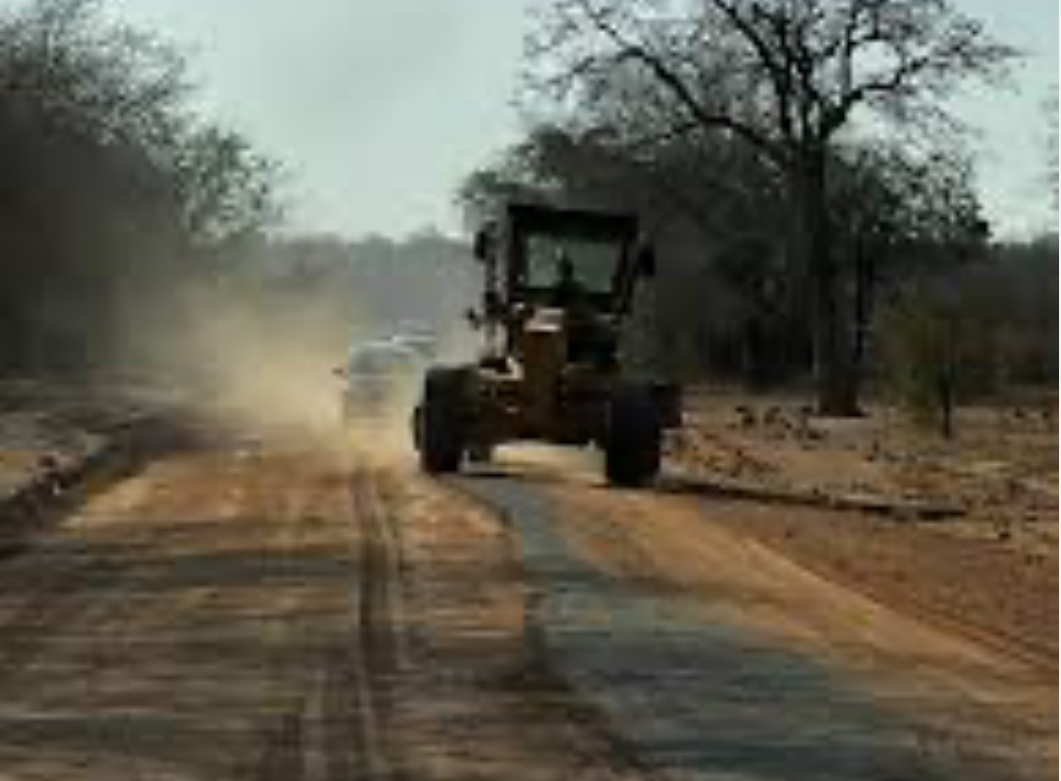
Painted Dog Conservation (PDC) has raised serious concerns over a road rehabilitation detour near Hwange National Park, warning that the route now passing through a sensitive wildlife area poses an immediate threat to painted dogs and other species.

Advertisement

In a statement shared on its official Facebook page, PDC said while it supports Zimbabwe’s ongoing road rehabilitation programme, the decision to divert heavy commercial traffic through an ecologically critical landscape is placing wildlife and people at risk.

The organisation said it had, together with other conservation groups and tourism operators, raised concerns with the relevant authorities, the responsible ministry and the contractor from the early stages of the project, warning of potential ecological damage. However, those concerns were not acted upon, and the detour is now in active use.

According to PDC, the increased traffic volume and speeding trucks along the route leading to Hwange National Park have created a “grave and immediate danger” to painted dogs, one of Africa’s most endangered carnivores, as well as to other wildlife and road users.

“With the detour now in place, the reality on the ground is worrying,” the organisation said.

Advertisement

PDC revealed that its teams, alongside other conservation stakeholders, are taking emergency measures to reduce wildlife fatalities during the period. These include actively guiding painted dogs away from the road and, in some cases, chasing them to safety when trucks approach. Staff have also been stationed along the road holding “Slow Down” placards to alert motorists.

“These are not ideal or sustainable solutions, but they are necessary right now to save lives,” the organisation said.

Painted Dog Conservation has called on authorities to urgently install additional wildlife warning signage and more speed humps to calm traffic through the sensitive area. The organisation also appealed directly to motorists to exercise caution.

Advertisement

“We respectfully urge all road users to slow down, stay alert, and remember that this is a shared landscape. Development and conservation must go hand in hand, especially in areas of such high ecological importance,” PDC said.

The organisation stressed that wildlife cannot speak for itself and vowed to continue intervening until safer, long-term solutions are implemented.

PDC has also urged the public to share the message widely in a bid to help protect Hwange’s wildlife.

Advertisement

Continue Reading

National

79 dead as floods hit communities

Published

on

BY STAFF REPORTER

As the Zimbabwe enters the peak of its rainy season from January to March, communities across the country are being urged to remain on high alert following the deaths of 79 people due to flooding and rain-related disasters since October last year.

Advertisement

Speaking to the Herald newspaper, Department of Civil Protection Chief Director Nathan Nkomo said the department is closely monitoring the situation as more severe weather is expected in the coming weeks.

“We anticipate significant rainfall during this period. It’s crucial for everyone to stay informed and take necessary precautions,” Nkomo said.

According to the Department of Civil Protection, many of the deaths and injuries recorded since the start of the 2025/2026 rainfall season resulted from people attempting to cross flooded rivers and mining-related accidents, particularly involving artisanal miners operating near waterways.

Advertisement

“The statistics reveal a worrying trend of fatalities and injuries during this rainfall season,” Nkomo said.

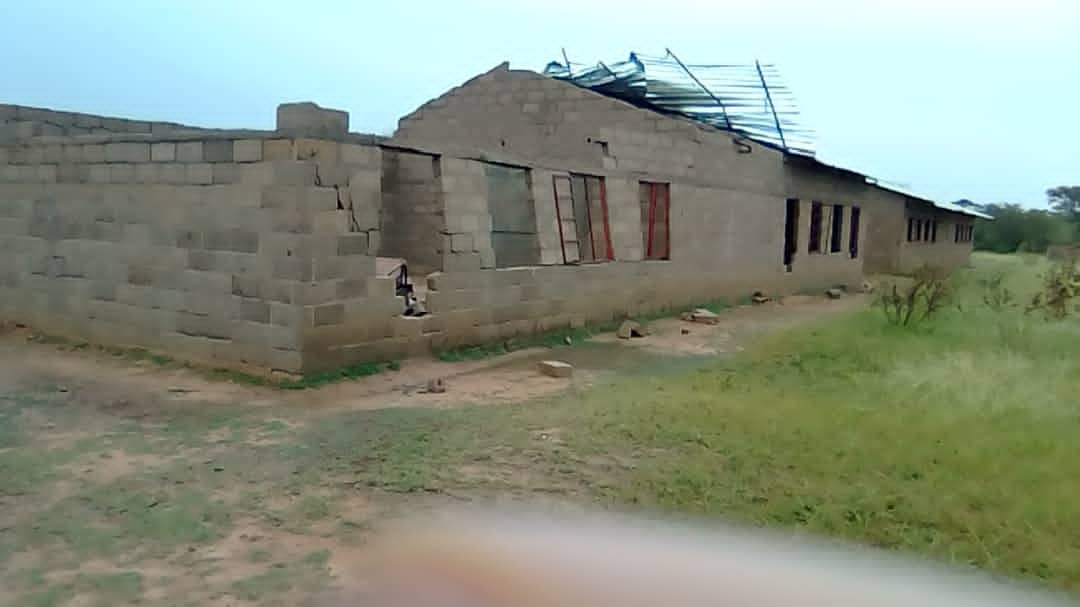
Infrastructure worth more than US$1 million has also been damaged, disrupting livelihoods and access to essential services in several communities.

In response, Government has released funding towards disaster management and emergency response through a coordinated, multi-sectoral approach, involving security services and other stakeholders as outlined in the Civil Protection Act. Nkomo said the initial tranche of funds has already strengthened rescue operations.

Advertisement

“The money that was availed is not enough, but it is the first tranche. We are expecting another tranche from Treasury later this month to bolster our disaster response capabilities,” he said.

Authorities are urging communities to take an active role in disaster preparedness by monitoring weather forecasts, avoiding flooded areas, and implementing local emergency plans. Schools and community organisations have also been encouraged to conduct safety drills and ensure emergency procedures are well communicated.

With heavy rains expected to continue, officials warn that community vigilance and preparedness will be key in preventing further loss of life.

Advertisement

SOURCE: HERALD

Advertisement
Continue Reading

Slider

From discarded glass to second chances: How conservation is rebuilding the lives of Zambia’s street boys

Published

on


BY NOKUTHABA DLAMINI

Advertisement

Livingstone, Zambia — In Maloni township, the sound of glass snapping cleanly against a cutter echoes through the yard of a modest home. What was once a discarded beer bottle now sits neatly trimmed, smoothed into a drinking glass. For a group of young men long dismissed as “junkies,” this simple act has become the beginning of a second chance.

At the centre of this transformation is Songiso Mukena, a conservationist, tourism practitioner and founder of the Responsible Earth Keepers Foundation (REK). Through conservation work, recycling, football and mentorship, Mukena is quietly rewriting the futures of boys once written off by their own communities.


Advertisement

“My name is Songiso Mukena from Livingstone, Zambia,” he says. “I am the founder of Responsible Earth Keepers Foundation – a non-profit making organisation.”

A journey rooted in hospitality and conservation

Mukena’s passion for conservation grew out of more than 15 years working in Zambia’s hospitality industry. While employed at Jolly Boys Backpackers in Livingstone, he was involved in a programme focused on responsible tourism and waste management.

Advertisement

“For me, it was just work,” he explains. “It was all about waste separation, finding a better place where to take or whom to give. We were doing worm farming and also just learning how to manage waste.”

That experience sparked a deeper interest. “I think it’s one of the places I worked that really opened my mind,” he says.

In 2016, a visit to a recycling organisation became a defining moment.

Advertisement

“I was amazed with what I saw,” Mukena recalls. “They were giving life back to bottles that were discarded out there or thrown out. They would cut them, make candle holders, lanterns and drinking glasses.”

Although he wasn’t taught the technique, the idea stayed with him. “I started doing research on how to cut a bottle and make a drinking glass,” he says. “It wasn’t easy.”

A breakthrough came when former employers, Mr and Mrs Sikaneta of Munga Eco-Lodge, donated a glass cutter.

Advertisement

“I started practicing and practicing,” Mukena says. “The whole of 2017 I was practicing. In 2018, I started taking bottles to my house and cutting them.”

Soon, people began buying the glasses.

“For me, my mind shifted,” he says. “I thought, I think this can be a big idea on recycling.”

Advertisement

COVID-19 and a move into the community

The COVID-19 pandemic forced Mukena out of employment as tourism ground to a halt. He moved from Linda township to his own plot in Maloni, an area facing deep social challenges.

“It’s a remote area,” he explains. “It’s one of the places where you find early pregnancies, boys failing exams and turning into what today are called junkies.”

Advertisement

Many of these boys had gone through traditional initiation ceremonies, after which they were often stigmatised.

“When they come back, the community views them in a different way,” Mukena says. “Once you go there and come back, you are not taken as a normal boy child.”

Instead of distancing himself, Mukena opened his space to them.

Advertisement

“I started teaching those boys how to cut bottles, making drinking glasses,” he says. “We started with about ten boys.”

The glasses were sold, and the money shared according to need.

“If one lacked shoes, we would sponsor that,” Mukena explains. “If another boy wanted to go back to school and lacked books, we helped.”

Advertisement

Healing beyond skills

The transformation was not just physical or financial. Mukena’s wife, Yvonne, a psychosocial counsellor, joined the initiative.

“She started talking to the boys,” he says. “Trying to get their minds shifted.”

Advertisement

Their home became a safe space.

“Our home became a home of many,” Mukena says. “Some kids would come just to play.”

Recycling soon funded broader social causes.

Advertisement

“We said, how about we sell these glasses back into the charity to help make it self-sustainable? Mukena explains. “Waste management became a starting point for other projects.”

Football as a tool for dignity

Football emerged naturally from the boys themselves.

Advertisement

“They were already playing – and with real talent,” Mukena says. “One day they came and said, ‘Father, we want to play City Stars and we’ll win!”’ City Stars is a professional team.

Recognising their talent and passion, the boys asked for support.

“They said, if possible, can you organise football kits for us?” he recalls.

A local church donated land for a pitch, and REK FC was formed. Recycling income helped support the charity’s activities, linking conservation directly to sport.

Advertisement

Football also brought structure, discipline and confidence.

“We don’t just concentrate on soccer,” he says. “We also give motivational talks, encouragements, testimonies and Bible readings. At the end of the day, it’s a mind change that we are looking for.”

Support from abroad, built on trust and friendship

Advertisement

Among those drawn to support Mukena’s work were two tourists from the UK, Simon Greene and Audrey Furnell. Simon explains why grassroots initiatives resonate with donors today:

“In return for a relatively modest donation anyone can make a tangible difference. Supporters like us can see a direct return on what we give which is incredibly rewarding.”

Simon says this is exactly the kind of work they want to promote.

Advertisement

“We’ve learnt a huge amount from Song and Yvonne and were struck by their kindness and impressed by their drive to do more for his community,” Simon says.

Their family’s support began with a classroom project in Linda, expanded to monthly assistance for school needs, and later funded a borehole near Kazungula.

When introduced to the boys of Maloni, Audrey says:

Advertisement

“We saw their passion for football and it was clear they deserved the chance to be their best on the field – but without proper kit that could never happen.”

Soon afterwards, Simon recalls:

“Songiso lost no time, organised all the kit and immediately arranged a match on Christmas Eve with REK FC playing against a professional team. We were thrilled.”

Advertisement

Rewriting the story of the boy child

Mukena believes the project addresses a wider national issue.

“There was a campaign for educating the girl child,” he says. “That campaign was done very thoroughly. But the boy child was left behind.”

Advertisement

He believes that neglect has contributed to rising numbers of boys labelled as criminals and drug users.

“When a boy’s mind is changed,” Mukena says, “it’s an achievement for the organisation, the community and the country.”

Today, REK works with approximately 100 boys aged between 15 and 22, with about 25 actively involved in recycling and football.

The long-term goal is to establish a recycling and skills training centre employing youth from the community.

Advertisement

“We want a better community,” Mukena says.

Small acts, lasting change

In Maloni, discarded bottles are no longer just waste. They are tools of transformation — funding education, restoring dignity and giving young men a reason to believe in themselves.

Advertisement

For Mukena, success is simple.

“One day we hope a boy will be picked to play for a professional team,” he says, “that will be an incredible achievement for him — and for us.”

And for Simon and Audrey:

Advertisement

“We feel blessed to have Songiso in our lives. Being able to see REK make valuable improvements like these is very rewarding. We’d like more people in the wider donor community to act as we have – together we can make a difference.”

Advertisement
Continue Reading

Trending

Copyright © 2022 VicFallsLive. All rights reserved, powered by Advantage