Connect with us

National

Robbers prey on mistrust of Zimbabwe’s financial system

Published

on

BY GAMUCHIRAI MASIYIWA AND VIMBAI CHINEMBIRI

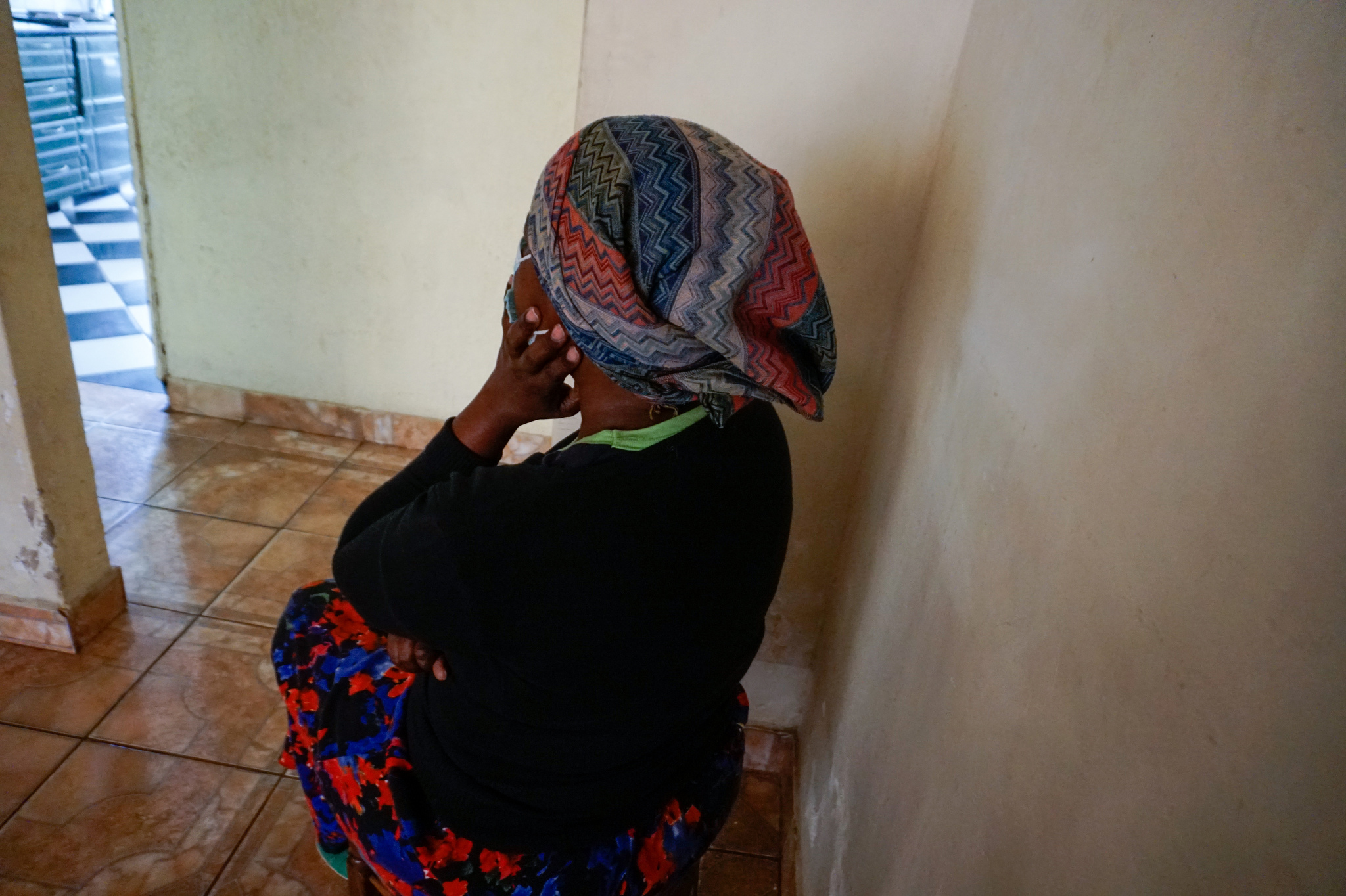
Tariro remembers hearing a sudden bang on her kitchen door, the kind that produces shivers.

Advertisement

She peeked through the window and saw 10 men armed with iron crowbars. They wanted to enter.

The 54-year-old ran into her bedroom shouting “mbavha,” Shona for thieves, as the men knocked down the door.

“They tied my mouth with a top I was wearing before bathing and said that I should cooperate, or they would kill me,” said Tariro, who asked to use only her middle name out of fear of being targeted again.

Advertisement

They found $700 in her church uniform, as if they knew exactly where to look. Then they left.

Tariro believes the robbers came after her because she used to work at a non-governmental organisation and earned United States dollars.

“They assumed I had a lot of money in my house,” she said, still shaking at the memory.

Advertisement

Her decision to hoard cash stems from Zimbabwe’s cratering economy and rapid currency changes over the past two decades that have decimated the country’s monetary system and made keeping money under the bed more palatable than putting it in the bank.

Not only has such stockpiling affected Zimbabweans’ ability to grow a savings account, it also has made an increasing number of people targets for robberies.

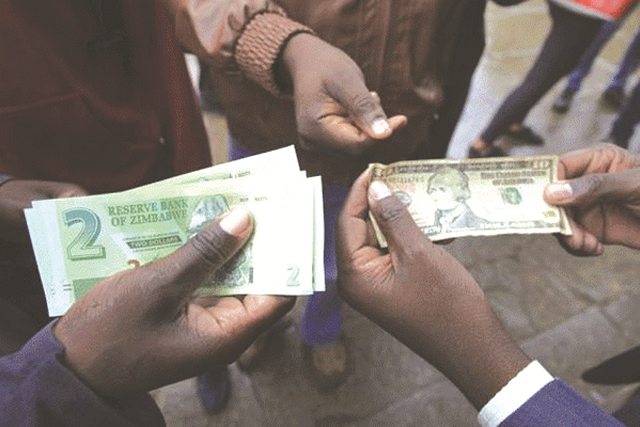
In 2009, Zimbabwe introduced a multicurrency system that made it possible for residents to use the US dollar, the South African rand and other currencies.

Advertisement

But inflation rose so much that, a decade later, the government returned to the local currency.

Officials introduced a separate account to deposit foreign currency, but all bank balances that held US dollars were converted into Zimbabwean dollars (ZWL).

Nearly overnight, people’s money was worth much less.

Advertisement

Zimbabweans like Tariro stopped trusting banks.

Fearing additional changes in policy, many people started keeping their foreign currency — which depreciates slower than the ZWL — at home.

“There’s no incentive to keeping money in the bank,” said Farai Mutambanengwe, founder and executive officer of the Small and Medium Enterprises Association of Zimbabwe, a lobbying organization that promotes access to markets.

Advertisement

As a pandemic measure, the government started allowing official transactions in foreign currency again in March 2020.

But residents remain wary of unpredictable fluctuations.

Even those paid through the banking system distrust it.

Advertisement

Some prefer to buy foreign currency on the black market to preserve the value of their money.

Harrison Dumba, who works as a chef at a local restaurant, says he gets paid in local money through a bank transfer but immediately buys US dollars on the black market because they don’t lose value as quickly.

“I do not see the benefit of keeping my money in the bank,” said the 36-year-old. “It can lose value while you think you are saving money.”

Advertisement

The coronavirus has caused even further economic hardship, as lockdowns and decreased travel affect jobs.

The Zimbabwe Republic Police national crime office recorded nearly 3,500 robberies last year.

Between January and March of this year, police had already counted more than 2,300 burglaries.

Advertisement

The US Department of State has pointed to money stuffed in pillows and pockets as a motivator for robberies.

“Criminals have specifically targeted businesses and residences known to house or store large sums of cash,” according to an April 2020 safety report.

Zimbabwean officials acknowledge the rise in crime but play down its connection to a flailing monetary system.

Advertisement

Ruth Mavhungu-Maboyi, deputy minister of Home Affairs and Cultural Heritage, attributed the surge in violence to an increasing availability of guns and a lack of police vehicles.

She points to a spate of recent arrests — including those of seven suspects in recent burglaries — as signs that authorities are working to curb crime. But she also emphasizes the need for residents to trust banks.

“Does keeping your money at home really bring something?” she said. “Instead, it can get stolen. Encouraging people to keep money in the banks is an issue of safety.”

Advertisement

The uptick in crime hasn’t had only financial consequences; it’s had psychological ones.

Since the attack in her home, Tariro finds it hard to trust people.

“My life has not been normal since then,” she said.

Advertisement

She has rented her house out to other families, so she doesn’t have to live alone.

She panics when dogs bark. And she spends money immediately because she doesn’t feel comfortable saving it anymore. – Global Press Journal

Advertisement
Continue Reading
Click to comment

Leave a Reply

Your email address will not be published. Required fields are marked *

National

Zimbabwe export surge, diaspora inflows mask funding gaps in foreign affairs sector

Published

on

BY STAFF REPORTER 

Zimbabwe is seeing strong gains in export earnings and diaspora remittances, but lawmakers warn chronic underfunding is undermining the country’s diplomatic and economic ambitions.

Parliament heard that remittances reached about $1.8 billion by the third quarter of 2025, while exports rose sharply, helping cut the trade deficit. Lawmakers said the diaspora remains “a vital source of foreign exchange, directly contributing to the enhancement of the nation’s foreign reserves and overall economic stability.”  

However, MPs said financial constraints are weakening the institutions meant to sustain that growth. The Zimbabwe Foreign Services Institute received only a fraction of its budget, limiting recruitment and training.

“The staffing shortfall has inevitably affected operational efficiency and the institute’s ability to discharge its core mandate,” the committee report noted.  

Lawmakers warned that without consistent funding, gains in exports and diaspora engagement could stall, particularly as Zimbabwe pushes toward an export-led economy.

Continue Reading

National

Government pushes vaccines drive as MPs warn of rural access gaps, misinformation

Published

on

BY NOKUTHABA DLAMINI 

Zimbabwean lawmakers have called for urgent action to close immunisation gaps, warning that rural communities remain vulnerable due to weak access and persistent misinformation.

Speaking during Africa Vaccination Week, MPs said vaccines remain “among the most effective, equitable and transformative public health interventions,” but coverage remains uneven.  

“Persistent gaps endure, particularly in rural and underserved areas where barriers of access, awareness and trust continue to impede full immunisation coverage,” one legislator told Parliament.  

Lawmakers urged stronger investment in cold-chain systems and public engagement campaigns, stressing that immunisation is not just a health issue but “a strategic development imperative” tied to productivity and national growth.  

Continue Reading

National

EcoCash bill splitting signals rise of social commerce in Zimbabwe

Published

on

BY STAFF REPORTER

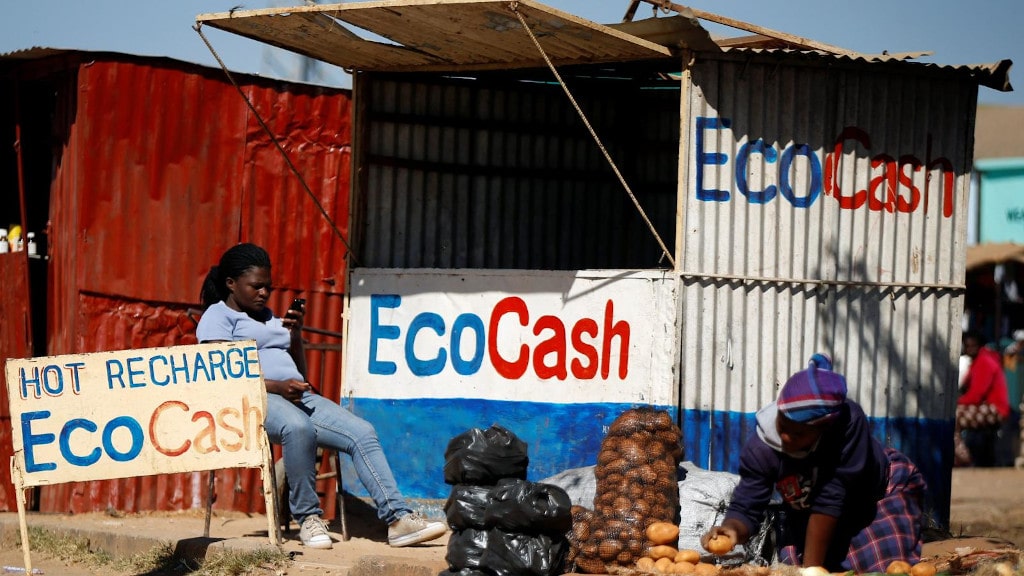
EcoCash’s latest bill-splitting feature on its Super App is not just a product upgrade, it is part of a broader shift towards “social commerce,” where financial transactions are embedded directly into everyday conversations.

Advertisement


Traditionally, sending money has been a deliberate, separate action: open the app, enter details, confirm payment. But with EcoCash’s integrated chat environment, that process is being redefined. Payments now happen in the same space where decisions are made — within conversations among friends, families and colleagues.

This development, which is being driven by Sasai Fintech, a subsidiary of Cassava Technologies, result is a more natural flow between communication and commerce.

This model, often referred to as chat-first payments, is gaining traction globally. Platforms such as Venmo in the United States and Revolut in Europe have popularised the idea of embedding payments into social interactions, allowing users to split bills, request funds and settle expenses within a messaging context.

Advertisement


EcoCash’s move signals that Zimbabwe is aligning with — and in some ways accelerating — this global trend.

Unlike many mature markets where card-based payments dominated before social features were layered on, Zimbabwe’s mobile-first ecosystem provides a different foundation. Mobile money is already deeply embedded in daily life, making it easier to integrate financial services into conversational platforms without requiring a behavioural overhaul.

By placing bill-splitting within its chat interface, EcoCash is effectively turning conversations into transaction points. A group discussing dinner plans can now split the bill instantly. Colleagues organising transport can settle contributions in real time. Families coordinating school fees or groceries can move from agreement to payment without leaving the chat thread.

Advertisement


This convergence of messaging and money is at the heart of social commerce.

From a strategic standpoint, the implications are significant. Each conversation has the potential to generate multiple transactions, increasing activity on the platform while strengthening user engagement. Payments become less of a task and more of a seamless extension of communication.

Industry analysts note that this model tends to drive higher transaction frequency and user retention, as financial interactions become habitual rather than occasional. For EcoCash, the bill-splitting feature is a practical entry point into this space, simple enough to encourage adoption, yet powerful enough to shift behaviour.

Advertisement


Continue Reading

Trending

Copyright © 2022 VicFallsLive. All rights reserved, powered by Advantage