BY NOKUTHABA DLAMINI
When an elephant trampled Mbusi Mabhena to death two weeks ago in Mthoniselwa village in Nkayi, his family’s grief was swiftly compounded by another ordeal.
By the following day, he had been buried.
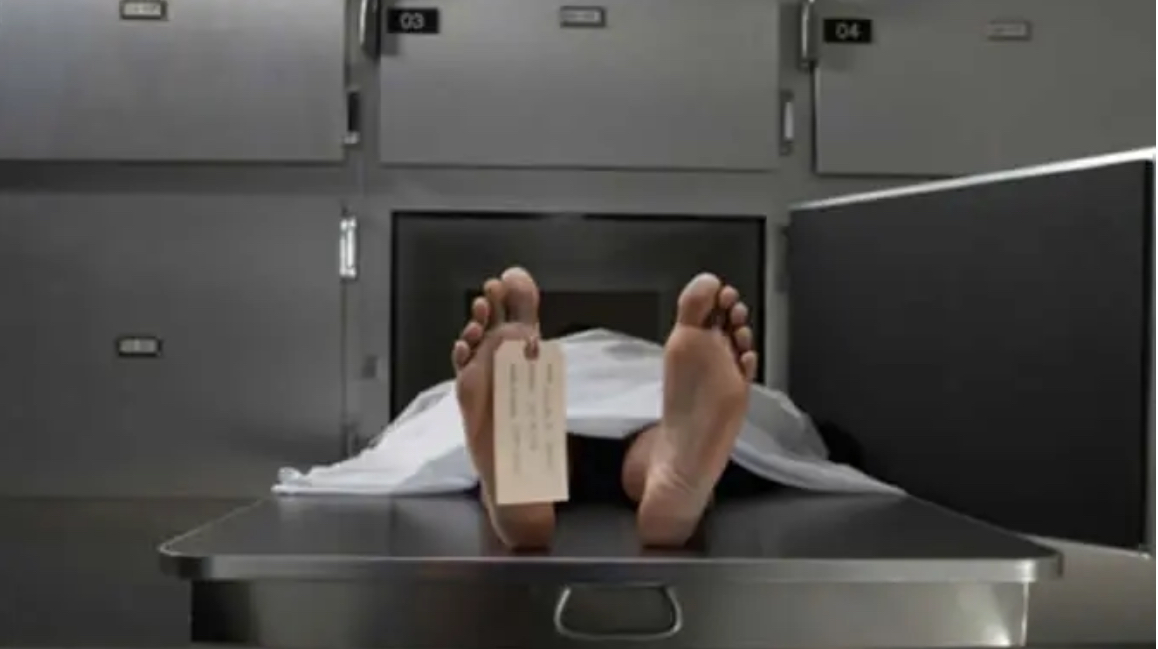
In Ward 13 of Nkayi district, there was no time for a traditional week-long wake or a post-mortem examination. There is no mortuary.
Local leaders say immediate burials have become common in parts of Nkayi and neighbouring Lupane, where families cannot preserve bodies due to a lack of cold storage facilities.
Weston Msimango, the councillor for Ward 13, said Mr Mabhena’s body was covered with sand before burial in an attempt to slow decomposition.
“It has become normal for people to be buried within 24 hours,” he said. “We have no facilities to keep them.”
The problem centres on Mbuma Mission Hospital, the main referral hospital for Nkayi and Lupane districts. Despite serving thousands of people, it has never had a mortuary.
For many villagers, transporting a body to cities such as Bulawayo or Gweru is too expensive. As a result, families resort to improvised methods to manage the smell of decomposition while making urgent burial arrangements.
Thandiwe Moyo, from Mkalathi village, said families often use sand and bananas to try to reduce odours while waiting for a few relatives to gather.
“To bury someone you love within 24 hours, without a proper goodbye because there is no cold room, feels like we are disposing of trash rather than honouring a life,” she said.
Residents say the lack of basic infrastructure contrasts sharply with the political rallies occasionally held in the district.
Jabulani Hadebe, the Member of Parliament for Nkayi South, has criticised what he describes as a lack of political will to address the issue.
He pointed to a large 2023 election rally in the area, attended by senior political figures, as an example of misplaced priorities.
“Leaders had an opportunity to visit the hospital, see what was missing and help,” he said. “Instead, the focus was on displays of wealth.”
Hadebe also alleged that some people who attended the rally were given spoiled food and later fell ill, though this claim could not be independently verified.
Sibusiso Sibanda, from Gonye village, said residents struggle to reconcile the arrival of luxury vehicles at rallies with the absence of a basic mortuary facility.
“They can come with big cars and give out meat, but they cannot finish a small room at Mbuma to keep the dead,” he said.
He added that without funeral insurance or money for transport, families have little choice but to bury relatives quickly.
“In the morning you are alive. If you die and you do not have a funeral policy, by evening you are in the sand,” he said. “There is no dignity left.”
Villagers in Somakantane said the absence of a mortuary has also disrupted cultural practices that require the body to remain at home for several days before burial.
The situation is not unique to Nkayi. Lawmakers have raised similar concerns in Binga, where some hospitals also operate without mortuary facilities.
Despite the issue being raised in Parliament, there has been no formal response from the government indicating when mortuaries might be built or repaired in affected districts.
The Ministry of Health’s spokesperson, Donald Mujiri, could not be reached for comment.
SOURCE: CITE



 Slider3 years ago
 National5 years ago
 Tourism and Environment4 years ago
 Special reports4 years ago
 Opinion4 years ago
 National4 years ago
 National3 years ago
 National3 years ago