Connect with us

National

Matabeleland North flags aid discrimination as provinces record widespread violations

Published

on

BY NOKUTHABA DLAMINI 

Matabeleland North recorded cases of discrimination in government aid distribution and political interference in community leadership, as human rights violations were reported across all provinces in January, according to the Zimbabwe Peace Project (ZPP).

Advertisement

In Matabeleland North, five violations were documented.

“On 9 January 2026, in Ward 29 (Emphafeni), farmers reported irregularities in agricultural input distribution, including selective allocation of groundnuts and maize seed to ruling party supporters, and sharing of 50kg fertiliser bags among three farmers, raising concerns over fairness and equal access to government assistance,” the report states.

In Binga South, a village secretary was removed from his position “for not aligning with ruling party positions, affecting his political rights and freedom of association.”

Advertisement

In Matabeleland South, four violations were recorded, mainly involving political intimidation. In Gwanda, individuals allegedly invaded Vubachikwe Mine claiming political backing, while in Bulilima West, villagers were reportedly threatened with losing land under the land reform programme if they did not support the “2030” agenda.

Bulawayo recorded two violations, including a case where “a visually impaired woman was denied bus transport from Bulawayo to South Africa despite having valid travel documents and fare, raising concerns of discrimination based on disability.” Residents in Old Magwegwe also reported prolonged sewage blockages exposing families to health risks.

Midlands province recorded 13 violations, including environmental concerns in Redcliff and Kwekwe over potential water contamination linked to gold processing chemicals. In Zhombe, political interference prevented enforcement of a court sentence in an assault case. In Silobela, police disrupted a Gukurahundi memorial service organised by a human rights group.

Advertisement

Masvingo recorded 19 violations, including the assault and arrest of a female vendor at SimRac Shopping Complex. The report says her goods were destroyed in what it describes as harassment of informal traders. Patients at Mashoko Hospital and Gawa Clinic also faced high user fees and limited medication.

Mashonaland West recorded 10 violations, including alleged irregularities in agricultural input distribution in Magunje and assault linked to ruling party supporters in Sanyati.

Mashonaland East documented six violations. In Murehwa North, “Provincial Chairperson and Minister Daniel Garwe threatened individuals in Ward 30, warning that those supporting the opposition CCC would be excluded from community programs and that anyone associating with CCC members could face violent reprisals.”

Advertisement

Mashonaland Central recorded four violations, including exclusion of community members, including persons with disabilities, from presidential agricultural inputs in Mt Darwin South, and learners being denied access to Grade 7 results over unpaid fees.

Harare recorded 16 violations, including assaults linked to political intolerance, disruption of civic gatherings, politicisation of borehole water access in Glenview, and the detention of a political activist over a planned protest.

Manicaland recorded the highest number of violations at 31. ZPP said incidents involved “state security agents, ruling party members, war veterans, and local authorities,” including intimidation of a human rights defender in Chimanimani and disruption of a community meeting in Nyanga South.

Advertisement

Overall, ZPP said the January data reflects “continued structural and institutional challenges in the protection, promotion, and fulfilment of human rights,” reinforcing the need for strengthened accountability and rights-based governance across the country.

Advertisement
Continue Reading
Click to comment

Leave a Reply

Your email address will not be published. Required fields are marked *

National

Parliament declares diabetes a public health emergency, pushes for urgent action

Published

on

BY NOKUTHABA DLAMINI

Zimbabwe’s Parliament has resolved to prioritise the fight against diabetes, warning that the condition is rapidly becoming a public health emergency, particularly for children and young people living with Type 1 diabetes.

Advertisement

The motion, tabled in the National Assembly by Concilia Chinanzvavana and seconded by Edwin Mushoriwa, highlights critical gaps in access to life-saving treatment. Lawmakers noted that people with Type 1 diabetes require uninterrupted access to insulin, diagnostics and specialised care, without which they face preventable disability and death.

Despite existing Non-Communicable Disease (NCD) policies and fiscal measures such as the sugar tax, Parliament expressed concern that diabetes remains underfunded and insufficiently prioritised. This has resulted in inequitable access to treatment and persistent weaknesses in care systems across the country.

Legislators also stressed that policy alone is not enough, pointing to frameworks developed by the World Health Organization, including the Package of Essential Noncommunicable Disease Interventions (PEN) and PEN-Plus, which require strong political commitment and implementation.

Advertisement

As part of the resolution, Parliament pledged to champion equitable diabetes care within national development frameworks and to strengthen oversight of health budgets, policies and programme delivery. Lawmakers also called for sustainable financing mechanisms, including the possible ring-fencing of sugar tax revenues to support diabetes care.

The House further urged the integration of diabetes prevention and treatment into primary healthcare systems, alongside improved referral pathways to ensure timely and effective care.

In addition, Parliament emphasised the need for inclusive, people-centred governance, calling for structured engagement between lawmakers, the Ministry of Health and Child Care, civil society, development partners and people living with diabetes.

Advertisement


Advertisement
Continue Reading

National

Parliament pushes for funding, recognition of Zimbabwe’s digital creatives

Published

on

BY WANDILE TSHUMA 

The Parliament has called for urgent reforms and funding to unlock the potential of the country’s growing creative and digital content sector, citing its role in economic growth and youth employment.

Advertisement

During a sitting of the National Assembly last week , legislators raised concern that despite Zimbabwe’s “vast creative talent” in film, traditional arts and digital media, the sector remains largely informal, underfunded and poorly integrated into national development plans.

Lawmakers noted that thousands of young Zimbabweans producing content on platforms such as YouTube, TikTok and Instagram are earning livelihoods and promoting the country’s image, yet remain unrecognised as key economic players. This has left them excluded from structured funding, training and social protection systems.

The House also flagged persistent challenges including weak production infrastructure, piracy and the migration of talent, which have limited the growth of local creatives while foreign content continues to dominate the domestic market.

Advertisement

Parliament has now implored the Ministry of Sport, Recreation, Arts and Culture, working with Treasury, to allocate a dedicated budget for the implementation of the National Cultural and Creative Industries Strategy (2020–2030). Treasury was also urged to capitalise and operationalise the Arts Development Fund to support film and digital content production.

In addition, lawmakers called for the upgrading of community cultural centres into digital production hubs, as well as stronger enforcement of copyright laws and the creation of frameworks to formalise and monetise creative work, particularly for digital content creators.


Advertisement

Continue Reading

National

Flooding risk rises in Zimbabwe, Southern Africa as heavy rains forecast

Published

on

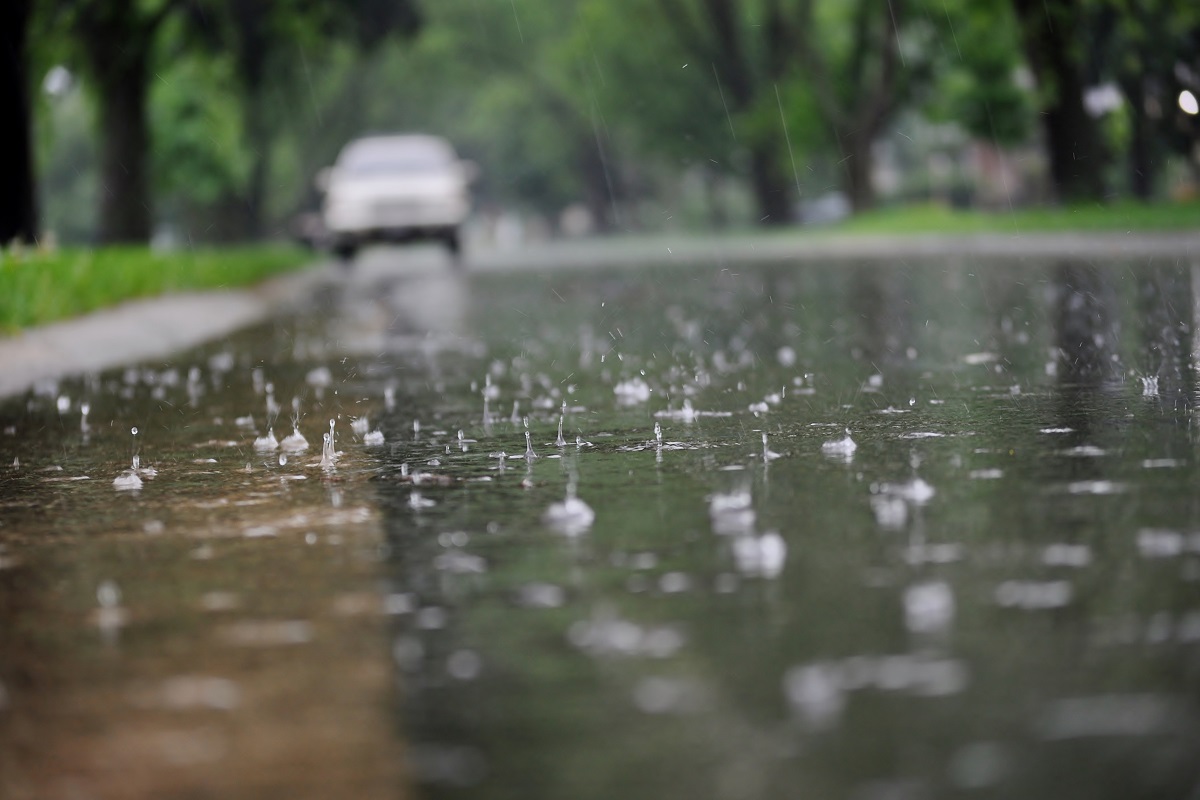
Flooding is expected to intensify across parts of Southern Africa, including Zimbabwe, as heavy rainfall continues to affect the region, according to the latest weather hazards update from the Famine Early Warning Systems Network (FEWS NET).

In its Global Weather Hazards Summary for March 12–18, FEWS NET said moderate to locally heavy rainfall has been observed across several countries in the region, raising concerns about flooding in vulnerable areas.

Advertisement

The agency said the rainfall has affected western, central and eastern parts of Southern Africa, including Angola, Zambia, Malawi, central Mozambique, northern Madagascar, Botswana, Namibia, South Africa and Zimbabwe.

“During the past week, moderate to locally heavy rainfall was observed over northern, central and eastern Southern Africa,” FEWS NET said in the report.

The agency noted that flooding has already been recorded in some parts of the region, including Cunene Province in southern Angola and Rundu in northern Namibia, as rainfall continued across several countries.

Advertisement

Over the past 30 days, cumulative rainfall has been above average across southeastern Angola, northeastern Botswana, central South Africa, Lesotho, central and southern Zimbabwe and parts of Malawi and Mozambique, increasing the likelihood of flooding in low-lying and flood-prone areas.

FEWS NET warned that the situation could worsen in the coming days.

“(This week) , heavy rainfall is predicted over northern and eastern Zambia, including central and northern Angola, central and eastern Zambia, Malawi, northern and eastern Zimbabwe, Mozambique, northeastern South Africa, Eswatini and northern Madagascar,” the report said.

Advertisement

According to the outlook, the forecast rainfall raises the risk of flooding in many local areas across the region, particularly where soils are already saturated following weeks of above-average rainfall.

The weather monitoring agency also noted that hot conditions are likely in western Angola and southwestern Madagascar, even as other areas brace for continued heavy rains.

FEWS NET provides climate and food security early warning information to support humanitarian planning and disaster preparedness across vulnerable regions.

Advertisement

Continue Reading

Trending

Copyright © 2022 VicFallsLive. All rights reserved, powered by Advantage