Connect with us

Slider

Lawyer sought to stop ‘illegal’ elephant culling

Published

on

BY NOKUTHABA DLAMINI

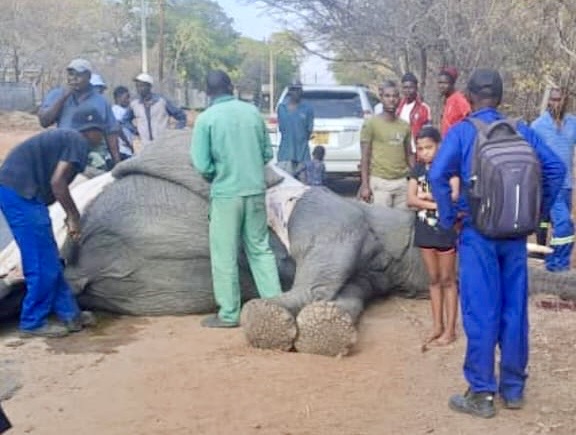
The Centre for Natural Resource Governance (CNRG) is seeking a lawyer to challenge the government’s plan to cull around 200 elephants.

Advertisement

According to the organization’s Terms of Reference, “CNRG is seeking to engage a qualified and experienced lawyer to lead a legal case in response to the Zimbabwe government’s plans to cull around 200 elephants ostensibly to support hunger-stricken families.”

The organization is opposed to the culling, which they believe is illegal and would have devastating effects on the elephant population and the environment.

As stated in the Terms of Reference, the lawyer will be responsible for reviewing the government’s plan, analyzing its legality, and identifying potential legal grounds for challenging it.

Advertisement

The lawyer will also be responsible for preparing legal documents, including a lawsuit, and representing CNRG in court.

The organization is looking for a lawyer with expertise in environmental and wildlife law, human rights and constitutional law, and international law.

As CNRG states, “The consultant will be required to assess the legality of the decision, its implications on Zimbabwe’s elephant herd and the rights of future generations to Zimbabwe’s wildlife heritage, elephants in particular.”

Advertisement

The organization believes that the government’s plan is not only illegal but also unethical and would have long-term negative impacts on the environment, tourism and local communities.

The deadline for applications is not specified, but CNRG says that the position is available immediately.


Advertisement

Continue Reading
Click to comment

Leave a Reply

Your email address will not be published. Required fields are marked *

National

Parliament declares diabetes a public health emergency, pushes for urgent action

Published

on

BY NOKUTHABA DLAMINI

Zimbabwe’s Parliament has resolved to prioritise the fight against diabetes, warning that the condition is rapidly becoming a public health emergency, particularly for children and young people living with Type 1 diabetes.

Advertisement

The motion, tabled in the National Assembly by Concilia Chinanzvavana and seconded by Edwin Mushoriwa, highlights critical gaps in access to life-saving treatment. Lawmakers noted that people with Type 1 diabetes require uninterrupted access to insulin, diagnostics and specialised care, without which they face preventable disability and death.

Despite existing Non-Communicable Disease (NCD) policies and fiscal measures such as the sugar tax, Parliament expressed concern that diabetes remains underfunded and insufficiently prioritised. This has resulted in inequitable access to treatment and persistent weaknesses in care systems across the country.

Legislators also stressed that policy alone is not enough, pointing to frameworks developed by the World Health Organization, including the Package of Essential Noncommunicable Disease Interventions (PEN) and PEN-Plus, which require strong political commitment and implementation.

Advertisement

As part of the resolution, Parliament pledged to champion equitable diabetes care within national development frameworks and to strengthen oversight of health budgets, policies and programme delivery. Lawmakers also called for sustainable financing mechanisms, including the possible ring-fencing of sugar tax revenues to support diabetes care.

The House further urged the integration of diabetes prevention and treatment into primary healthcare systems, alongside improved referral pathways to ensure timely and effective care.

In addition, Parliament emphasised the need for inclusive, people-centred governance, calling for structured engagement between lawmakers, the Ministry of Health and Child Care, civil society, development partners and people living with diabetes.

Advertisement


Advertisement
Continue Reading

National

Parliament pushes for funding, recognition of Zimbabwe’s digital creatives

Published

on

BY WANDILE TSHUMA 

The Parliament has called for urgent reforms and funding to unlock the potential of the country’s growing creative and digital content sector, citing its role in economic growth and youth employment.

Advertisement

During a sitting of the National Assembly last week , legislators raised concern that despite Zimbabwe’s “vast creative talent” in film, traditional arts and digital media, the sector remains largely informal, underfunded and poorly integrated into national development plans.

Lawmakers noted that thousands of young Zimbabweans producing content on platforms such as YouTube, TikTok and Instagram are earning livelihoods and promoting the country’s image, yet remain unrecognised as key economic players. This has left them excluded from structured funding, training and social protection systems.

The House also flagged persistent challenges including weak production infrastructure, piracy and the migration of talent, which have limited the growth of local creatives while foreign content continues to dominate the domestic market.

Advertisement

Parliament has now implored the Ministry of Sport, Recreation, Arts and Culture, working with Treasury, to allocate a dedicated budget for the implementation of the National Cultural and Creative Industries Strategy (2020–2030). Treasury was also urged to capitalise and operationalise the Arts Development Fund to support film and digital content production.

In addition, lawmakers called for the upgrading of community cultural centres into digital production hubs, as well as stronger enforcement of copyright laws and the creation of frameworks to formalise and monetise creative work, particularly for digital content creators.


Advertisement

Continue Reading

Lifestyle

Dawn Thandeka King to headline lmiklomelo KaDakamela festival in Nkayi

Published

on

BY NOKUTHABA DLAMINI

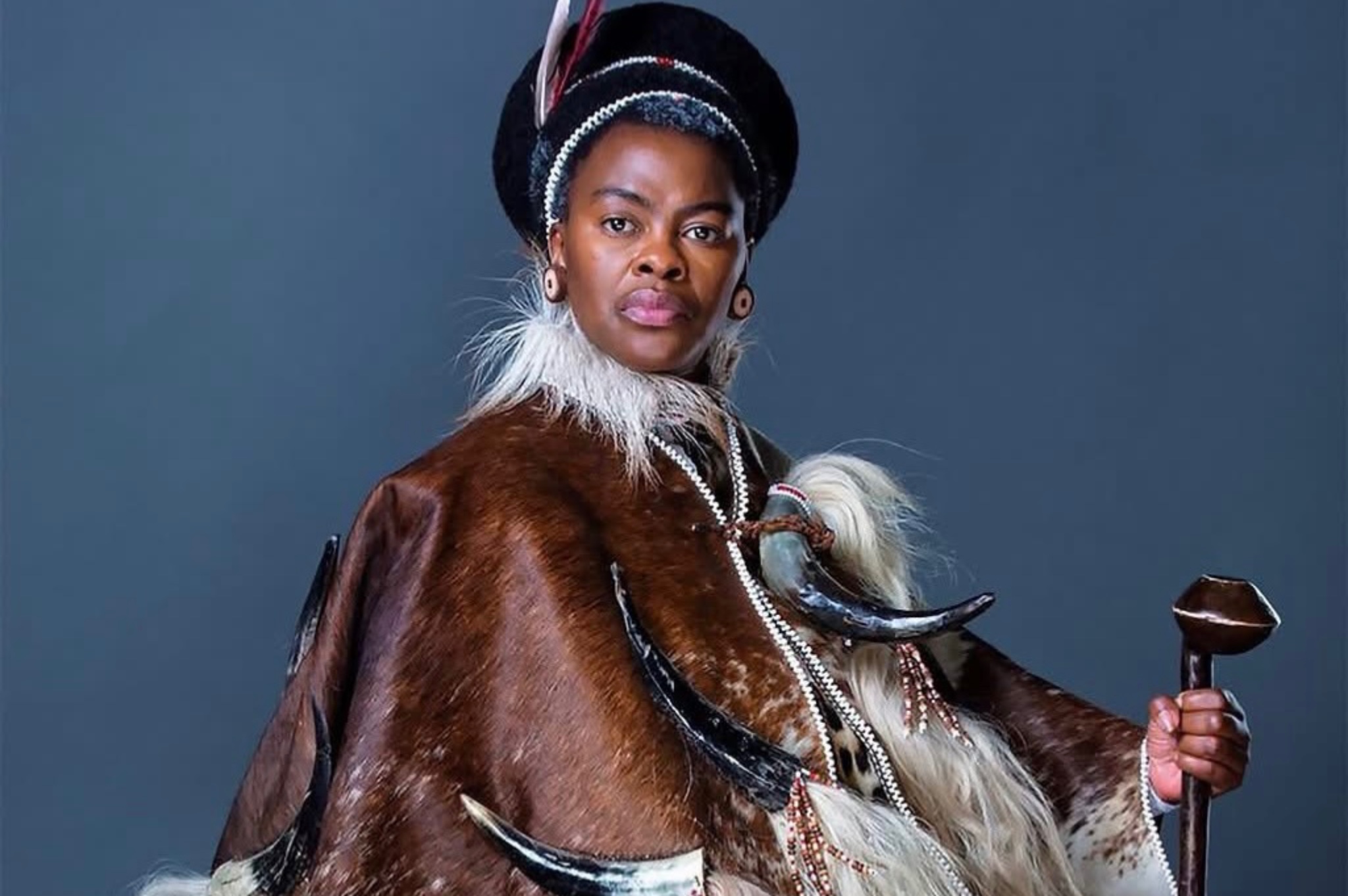
The hills of Nkayi are set to come alive as preparations for the iMiklomelo kaDakamela Cultural Festival reach an advanced stage, with organizers confirming that acclaimed South African actress and musician Dawn Thandeka King will be the guest of honor.

Advertisement

The festival, which runs from  3 to 6 April, at the Chief’s homestead, promises a vibrant celebration of music, sport, and traditional experiences that aim to put the district on the global cultural map.

Organizers expressed their excitement over the arrival of the South African star, noting that “her presence brings star power, inspiration, and cultural pride to Nkayi.” The actress will be joined by other high-profile guests, including Gama Mbokane from Tanzania, Prince Wandile Ngobese, and Umntwana waseZibindini uThulani kaGqikazi kaSolomon.

Adding a feat of incredible endurance to the festivities, organizing committee member Dr Gasolo is currently preparing to walk 205km from Bulawayo to ko Dakamela to amplify the voices of local creatives. Dr Gasolo, who recently returned from Zambia where he was part of the “Walk Across Africa” team, will embark on this local trek before heading to Ethiopia later this year to rejoin the journey to Cairo, Egypt.

Advertisement

Festival coordinator Desmond Ntini confirmed to Southern Eye reporter, Margaret Lubinda that the packed programme includes campfire storytelling, traditional bush dinners, and a unique camping experience. “The chief will take centre stage as the guest storyteller,” Ntini said. The event will also feature the return of the popular Amahubo sessions and sporting events like the trademark Bosso social soccer match and the introduction of cricket, Emakhaya.

Beyond the entertainment, the festival serves a deeper purpose of community empowerment. Workshops will be held to teach villagers how to monetise waste, such as plastic bottles, alongside an empowerment workshop for local artists hosted in collaboration with the Isintu Festival.

This local initiative aligns with recent discussions in the National Assembly regarding the vital role of the tourism sector and heritage preservation. Lawmakers have noted that heritage preservation is a “crucial cog for maintaining the national identity, fostering cultural diversity, driving tourism growth and promoting economic development at large”  Members of Parliament have further observed that cultural tourism is a “powerful driver of economic growth” that has the ability to “transform lives at the grassroots level,” particularly for women and youth .

Advertisement

However, the road to the festival has not been without its hurdles. Ntini noted that extending the festival’s duration has led to funding challenges. “Our main challenge centres on funding,” he said. “Large numbers of people from the koDakamela community attend, and they also need to be catered for. We are appealing for more support.”

Additional Source: Southern Eye.

Advertisement
Continue Reading

Trending

Copyright © 2022 VicFallsLive. All rights reserved, powered by Advantage