
Slider
Inside South Africa’s lion breeding debate: A field visit to Mabula Pro Safaris


BY NOKUTHABA DLAMINI
At the heart of Bela-Bela’s Driepdrift area lies Mabula Pro Safaris — a private predator breeding facility that, to many outsiders, represents one of the most controversial aspects of South Africa’s wildlife industry. But for the Zimbabwe Parks and Wildlife Management Authority (ZimParks) delegation, which recently toured the facility together with myself as a journalist from Zimbabwe, the visit provided an unusual opportunity: to see the behind-the-scenes reality of a commercial hunting lion breeding operation, far from the images often circulated in global media.

Led by Stephen Palos, Vice-Chair of the Sustainable Use Coalition Southern Africa (SUCo-SA) and CEO of the Confederation of Hunters Associations of South Africa (CHASA), the tour included a close look at lions bred under the South African Predator Association (SAPA) standards.
Inside the sanctuary, the group viewed 52 lions — including 12 adult males and 11 cubs — living in structured social groups within medium-sized enclosures. The animals walked freely, with access to shade, water, and open space.

An earlier visit to a predator sanctuary was, as pointed out by Palos, a stark contrast. Those were used to people whereas these would eat you in a heartbeat.

“These are breeding animals specifically, not pets,” he emphasized. “This is a breeding unit with the express purpose of producing lions for hunting. What you’re seeing here is very different from the popular ‘puppy farm’ narrative.”
Debunking the ‘puppy farm’ image
For years, global campaigns have depicted South African lion breeding as cruel and exploitative — with constant forced pregnancies, cubs immediately snatched from mothers, and animals confined in cramped cages. Palos argued that the facility before the delegation told a different story.
“Each enclosure functions as a pride,” he explained. “A male, a few females, different ages of cubs — just like in the wild, but within an enclosure. Look at the cleanliness, the condition of the animals, their behaviours. These animals are at ease.”

He stressed that cubs were not routinely separated from their mothers for tourism activities, and that animals destined for hunting were relocated to separate facilities to be raised with minimal human imprinting.
Despite the orderliness observed at Mabula Pro, Palos admitted that the predator breeding industry suffers from fragmentation. Although SAPA prescribes standards for its members, adherence is voluntary.
“There are around 340 facilities in the country, but only about 43 are members of the association,” he said. “We cannot speak about those who choose to operate outside of these standards. That’s where the problems arise.”
What can African countries learn from each other?
After the tour, l asked what lessons Southern Africa can share across borders, including Zimbabwe.
Palos responded with a regional, long-term view.
“Every African country has something to teach and something to learn,” he said. “Wildlife is a renewable natural resource — but only if it’s managed properly.”
He contrasted South Africa’s fenced wildlife model with Zimbabwe’s largely open systems.
“South Africa relies heavily on fencing — from Kruger National Park to private ranches. But in Zimbabwe, Tanzania, Namibia, and elsewhere, you have vast open landscapes. Both systems work in their own contexts.”
Palos warned against “fortress conservation”, where communities are excluded from wildlife spaces — a model he says has failed people and wildlife alike.

Toward shared learning and mentorship
One of the strongest points he emphasized was the need for honest exchange between countries.
“It’s wonderful for us to learn from your challenges and successes,” he told the delegation. “But it’s even more important for us to show what works here, openly, and address our own challenges.”
He suggested that exchanges like this should evolve into:
Economic lessons from a controversial industry
Palos acknowledged that South Africa has become a global leader in game farming and wildlife production systems — but insisted this does not invalidate the strengths of other countries’ models.
“There is economic success here,” he said. “But it’s not the only way. Zimbabwe already has strong systems. A blend of your models and ours could be even better.”
For the Zimbabwean delegation, the visit provided an opportunity to observe a facility that challenges both critics and defenders of the captive breeding industry. Whether South Africa continues down this path or phases it out — as many activists demand — facilities like Mabulapro Safaris remain central to the debate.
The tour served as a reminder that wildlife management in Africa is varied, complex, and always evolving — shaped by history, ecology, economics, and human needs.
BY NOKUTHABA DLAMINI
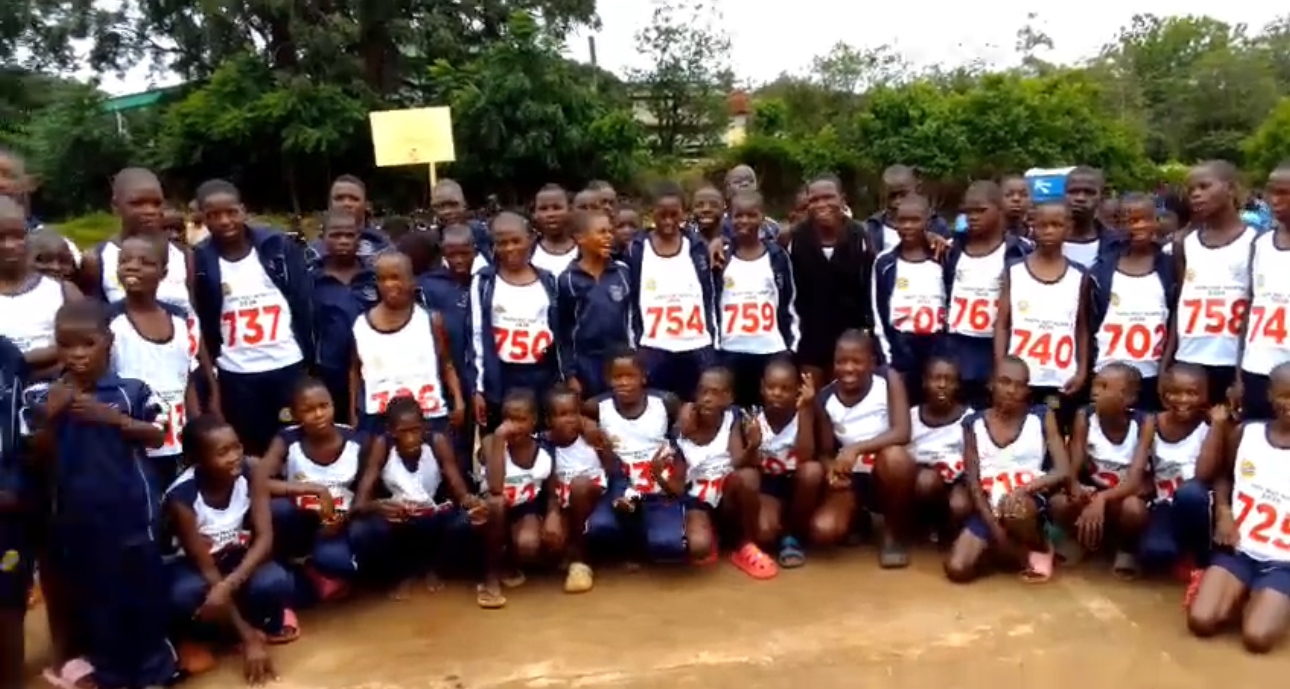
Matabeleland North Province delivered a strong performance in athletics at the National Association of Primary School Heads (NAPH) competitions held in Bindura, scooping five gold medals despite challenges in other disciplines.
The competitions ran last week from 17 to 19, with 16 and 20 set aside for travel.
Speaking after the event, the Matabeleland North NAPH Vice Secretary, Edward Mudimba of Binga, told VicFallsLive that the province sent a delegation of 121 participants drawn from all seven districts.
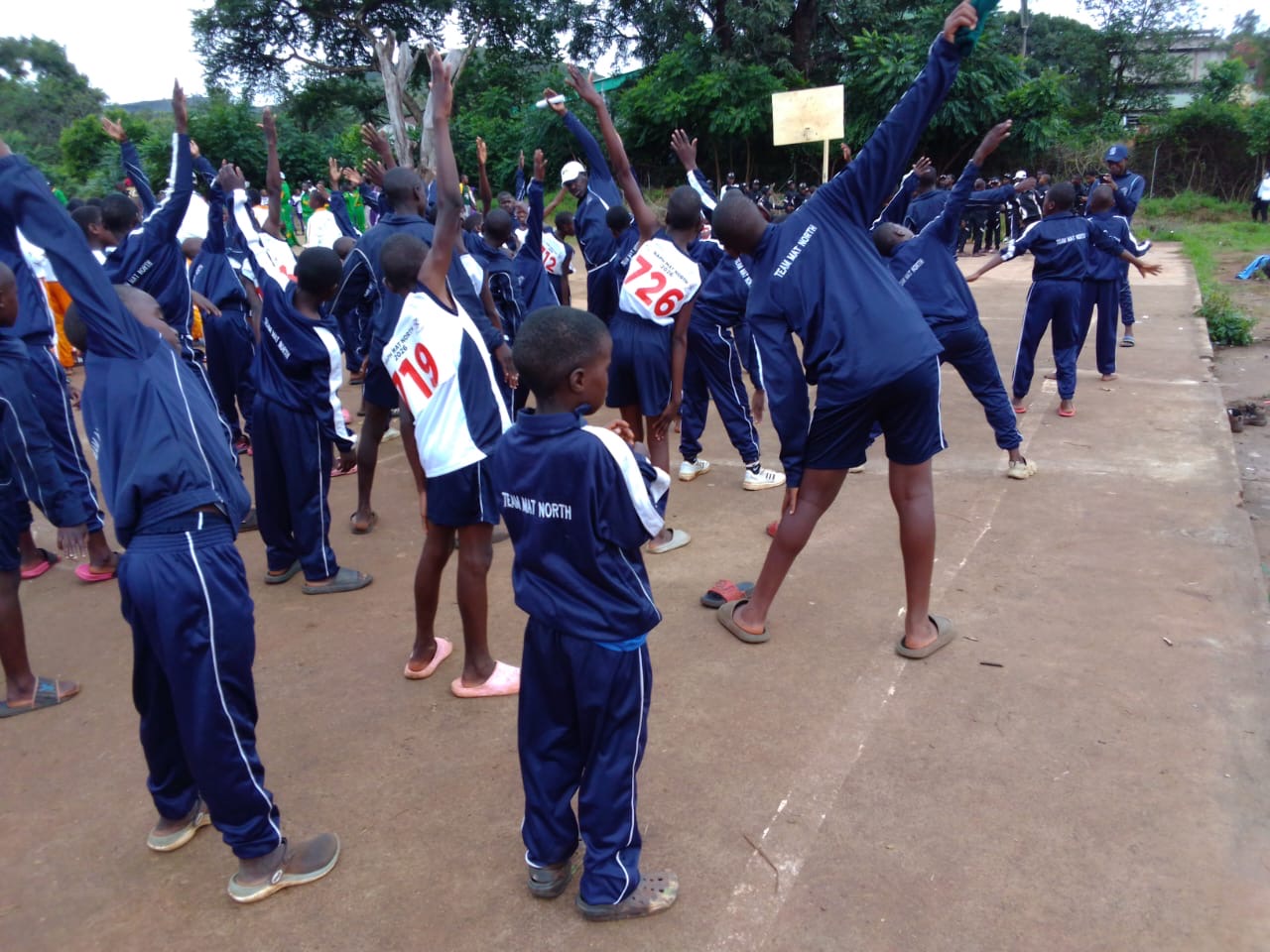
Of these, 69 competed in track and field, 31 in drama, 16 in physical education, and eight in chess.
Athletics dominates medal haul
Matabeleland North’s strongest showing came in athletics, where the province secured five gold medals and 10 bronze medals.
A standout performer was Ashton Ndlovu of Hwange District’s Chamabondo Primary School, who won three gold medals in the Under-14 boys’ 100m, 200m and 400m races.
Another gold medal came from Mbuewa Sisasenkosi of Dundubala Primary School in Umguza, who won the Under-13 girls’ 800m race.
The fifth gold medal was secured in the Under-13 boys’ 4x100m relay.
Chess team shows promise
In chess, Matabeleland North fielded eight players across Under-8, Under-12 and Under-14 categories.
The province recorded its best results in the Under-8 category, where Philip Ndlovu of Sigonda Primary School in Nkayi won gold, while Prudence from Mathe Primary School in Tsholotsho secured a silver medal.
The results earned the province an overall silver medal and a trophy in the Under-8 category.
“We see a lot of potential in the Under-8 category and we believe we can build on that,” said Mudimba.
Struggles in drummies and physical education
However, the province faced challenges in other disciplines.
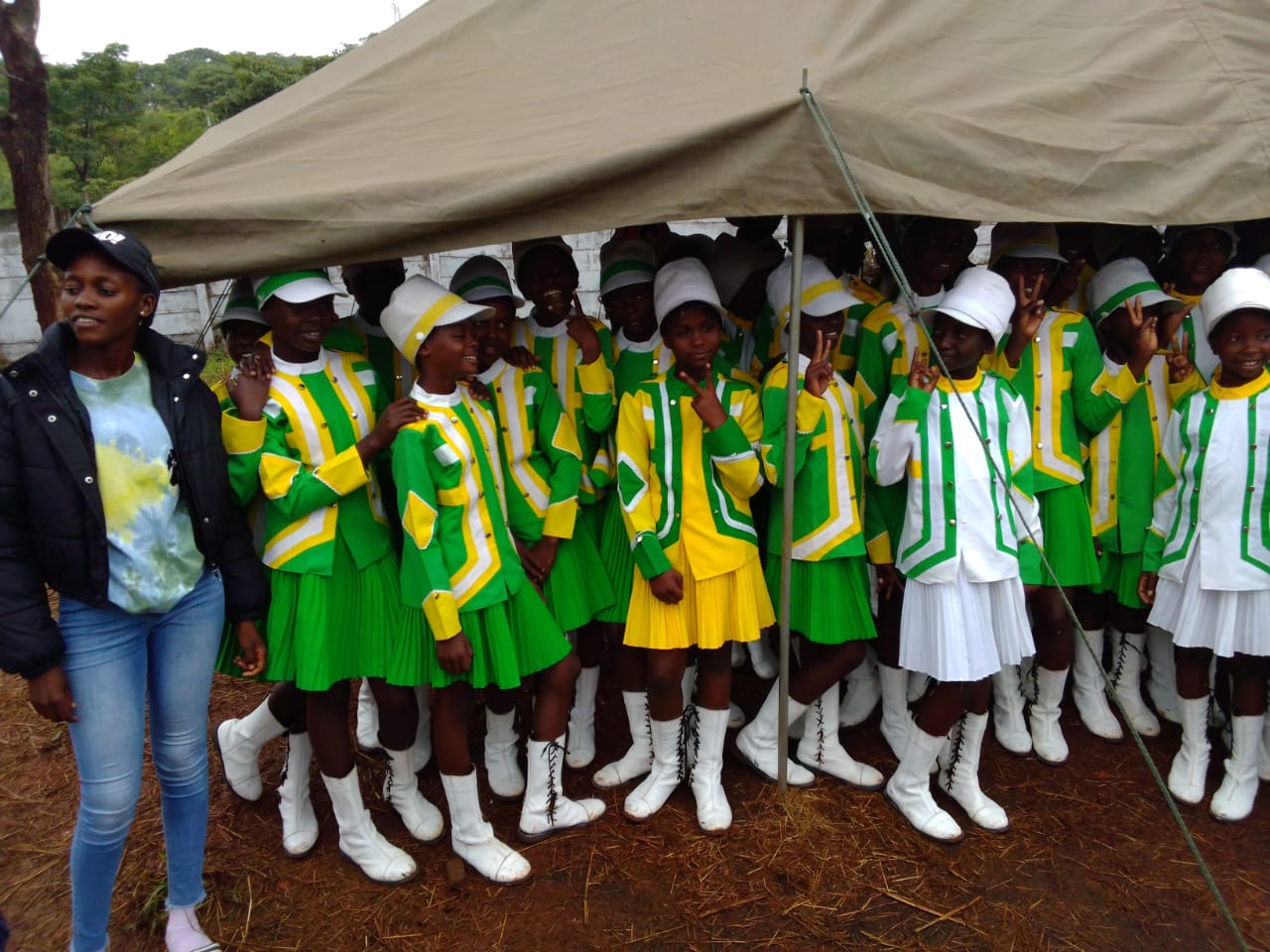
The drummies team, finished ninth out of 10 provinces.
Physical education, represented by David Livingstone Primary School in Umguza, also underperformed, finishing seventh.
“We didn’t do very well in drummies and physical education, but these are areas we are still developing and we hope to improve going forward,”Mudimba said.
Call for resources
Mudimba attributed the weaker performance in some categories to limited resources.
“Our main challenge is resources, particularly financial support. We need to improve our preparations and displays, especially in physical education, before we can expect better results,” he said.
Top three overall winners
Harare
Mashonaland Central
Mashonaland West

-
 Slider3 years ago
Innscor launches brewery to produce Nyathi beer
-
 National5 years ago
In perched rural Matabeleland North, renewable energy is vital
-

 Tourism and Environment4 years ago
Strive Masiyiwa’s daughter opens luxury Victoria Falls lodge
-

 Special reports4 years ago
Tinashe Mugabe’s DNA show’s popularity soars, causes discomfort for some
-

 Opinion4 years ago
A street art mural in Zimbabwe exposes a divided society
-

 National4 years ago
Victoria Falls’ pilot dies in helicopter crash
-

 National3 years ago
Commission of inquiry findings fail to be tabled as Victoria Falls councillors fight
-
 National3 years ago
Hwange coal miner fires workers over salary dispute