Connect with us

Tourism and Environment

New ranger station will help elephants flourish in Hwange National Park

Published

on

BY OWN CORRESPONDENT

Back in 2013, cyanide poisoning killed 300 elephants, and other wildlife, in the western part of  Hwange National Park.

Advertisement

Poachers snuck into the park via a rural outpost and laced salt licks with the lethal poison. The catastrophe made global headlines that year, but the poaching didn’t stop.

Wildlife continued to be killed for bushmeat in the massive park.

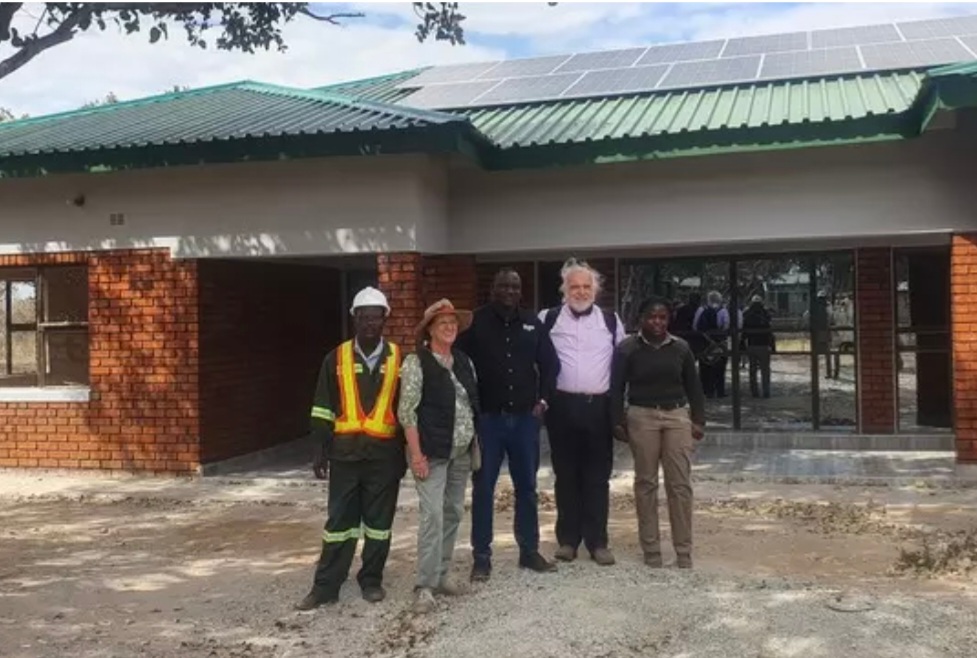
Now, a new ranger station constructed in the Makona area of Hwange National Park will make it a safer place for elephants and other animals to live.

Advertisement

The new construction will also help the communities living near the park, who have suffered from elephants and other large herbivores destroying their crops and predators killing their livestock.

When complete, the camp will be home to 56 rangers and their families who will live and work there.

Comfortable housing, equipped with electricity and running water, is being built for junior rangers and senior staff, and a recreation center is under construction.

Advertisement

The operations center is already in use and set up with a landscape-wide VHF radio network—vital communications equipment that connects rangers and improves responses to incidents of poaching.

Before the camp was constructed, responses to poaching incidents and problem animals were slow, with rangers being deployed from Hwange Main Camp, some 95 kilometres away and enduring a terrible road snaking through the sticky Kalahari sands.

Augustine Gomba, ZimParks’ Wildlife Officer based at Hwange Main Camp, says before the road was developed, driving to Makona was a nightmare.

Advertisement

“The sandy soils and the rugged nature of the road meant that that on average the trip to Makona would take a grueling four hours at least,” he says.

A key achievement of the IFAW-ZimParks agreement was the improvement of the road, cutting a journey that could take up to four hours down to less than two.

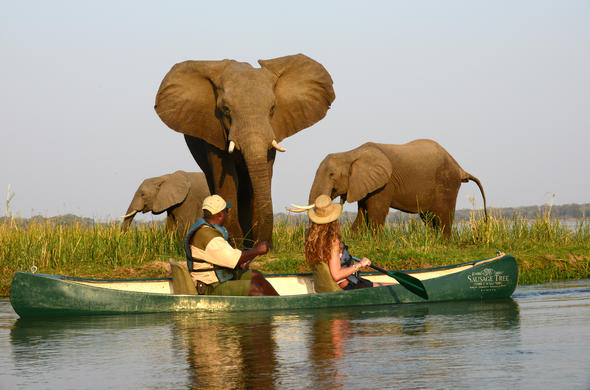
The park is nestled on the edge of the Kalahari Desert and is home to some of Africa’s most iconic species. Being largely flat and dominated by scattered woodlands of teak trees, it was an easy target for poachers.

Advertisement

The new ranger station will prevent poachers from entering Hwange National Park into the future, allowing the park’s elephants and other wildlife to continue to flourish.  – IFAW

Advertisement
Continue Reading
Click to comment

Leave a Reply

Your email address will not be published. Required fields are marked *

Slider

Tourism bill clears National Assembly, moves to Senate

Published

on

BY NOKUTHABA DLAMINI 

Zimbabwe’s Tourism Act Amendment Bill has been passed by the National Assembly and now awaits debate in the Senate, marking a key step towards overhauling the country’s tourism sector.

Advertisement

According to the explanatory memorandum, “This Bill seeks to establish a Zimbabwe Tourism Authority that is responsible for the regulation for the tourism and hospitality industry, and the marketing of destination Zimbabwe.” 

The proposed law strengthens the role of the Zimbabwe Tourism Authority (ZTA), which will regulate, license and promote the industry. It also introduces stricter compliance measures for tourism operators.

Under the new provisions, registration and grading of facilities will be mandatory. The Bill states: “no person shall conduct or operate that designated tourist facility unless it is registered and graded.” 

Advertisement

Authorities will also have enforcement powers, including shutting down non-compliant operators.

The legislation further extends regulation to online accommodation platforms, a growing segment in the tourism sector. It stipulates that: “All hosts must register with the Authority… before listing a property on an accommodation booking platform.” 

To support industry growth, the Bill proposes the creation of a dedicated fund. It notes: “There is hereby established a fund to be known as the Zimbabwe Tourism Fund,” which will be used for “the development and promotion of the tourism and hospitality industry.” 

Advertisement

Sustainability and inclusivity are also central to the new law. The Bill provides that: “All tourism policies, programs, and projects shall incorporate the principles of sustainable development.” 

It further emphasises inclusion, stating that tourism development must mainstream “gender equality, disability inclusion, and the rights of indigenous peoples.” 

Once enacted, the law will replace the current Tourism Act. The Bill clearly states it seeks “to repeal the Tourism Act [Chapter 14:20].” 

Advertisement

The Bill now proceeds to the Senate, where lawmakers are expected to debate its provisions before it can be sent for presidential assent.

Advertisement
Continue Reading

Slider

MP probes Binga tourism, climate and conservation plans

Published

on

BY WANDILE TSHUMA 

Binga South legislator, Fanuel Cumanzala has called for clarity on tourism development and environmental protection in the Zambezi Valley.

Advertisement

In a parliamentary hearing, Cumanzala asked the Minister of Environment, Climate and Wildlife:

“The plans the Ministry has in place to develop and promote tourism in Binga District, particularly around the Zambezi River, in order to enhance local economic development and create employment opportunities for residents.” 

He added:

Advertisement

“The programmes being implemented to ensure that local communities in Binga District directly benefit from tourism.” 

Further questions focused on sustainability and climate resilience:

“What measures are in place to ensure the protection and sustainable management of natural tourism assets in the Zambezi Valley, including wildlife, rivers and forests, in order to prevent environmental degradation.” 

Advertisement

“The efforts being made to combat poaching in the Zambezi Valley, particularly in Binga District, and how local communities are being involved in wildlife protection initiatives.” 

“The climate adaptation strategies being implemented to assist communities in Binga District in coping with droughts, floods, and other climate-related challenges affecting the Zambezi Valley.” 

No ministerial responses were recorded.

Advertisement

Continue Reading

Slider

Three painted dogs killed along Hwange highway as conservationists raise alarm

Published

on

BY NOKUTHABA DLAMINI

Conservationists have raised fresh concern over wildlife safety along the busy Bulawayo–Victoria Falls highway after three endangered African wild dog were killed in separate incidents within a week.

Advertisement

In a statement, Painted Dog Conservation confirmed that two pups from the Umkhonto pack were struck and killed by a vehicle overnight within the Hwange landscape.

“We are heartbroken to share that two pups from the Umkhonto pack were killed overnight after being struck by a vehicle along the Bulawayo–Victoria Falls road,” the organisation said on Saturday.

The group said the pack had been safely escorted across a nearby road earlier, but is believed to have been disturbed by lions during the night, forcing them to move again toward the highway where the accident occurred.

Advertisement

“Despite constant monitoring and intervention, moments like this remind us how fragile their survival can be,” the organisation added.

The deaths bring to three the number of painted dogs killed along the same highway corridor in less than a week, with another animal reportedly struck closer to Victoria Falls.

Conservationists warned that the loss goes beyond individual animals, highlighting the species’ already fragile population.

Advertisement

“It’s not ‘just three dogs’. These three could have become alphas and been responsible for producing over 300 dogs through their offspring and subsequent generations,” the statement read.

Highway poses growing threat to wildlife

The Bulawayo–Victoria Falls road, which cuts through key wildlife areas including parts of Hwange National Park, has long been flagged as a danger zone for animals.

Advertisement

The highway is a major tourism and freight route linking Bulawayo to Victoria Falls, carrying heavy traffic volumes that include haulage trucks, buses, and self-drive tourists—many travelling at high speeds, particularly at night.

Wildlife frequently crosses this corridor as it bisects natural habitats and migration routes, bringing animals such as elephants, lions and painted dogs into direct conflict with vehicles.

Conservation groups have repeatedly called for stricter enforcement of speed limits, improved signage, and traffic calming measures in wildlife zones, especially at night when visibility is poor and animal movement increases.

Advertisement

Calls for action

Painted Dog Conservation urged motorists to slow down and remain vigilant when driving through wildlife areas.

“We urge all road users to slow down—especially at night—and call on authorities to strengthen and enforce speed reduction measures in wildlife areas. Their survival depends on it.”

Advertisement

The deaths come amid growing concern over human-wildlife conflict in Matabeleland North, where expanding infrastructure and traffic volumes continue to put pressure on endangered species.

Advertisement
Continue Reading

Trending

Copyright © 2022 VicFallsLive. All rights reserved, powered by Advantage