Connect with us

National

Gukurahundi: Matabeleland chiefs to lead exhumation of victims

Published

on

BY NOKUTHABA NDLOVU

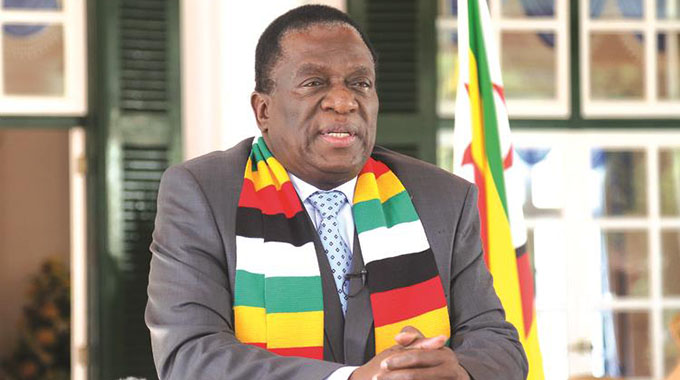
President Emmerson Mnangagwa has given chiefs in Matabeleland the nod to lead the exhumation of victims of the 1980s Gukurahundi atrocities for reburial, 37 years after the killings ended.

Advertisement

Mnangagwa met the chiefs in Bulawayo on Saturday where they agreed that individual traditional leaders will decide how the exhumations and reburials are done.

The Zanu PF leader, who was a central figure during the program by the North Korea-trained 5th Brigade in Matabeleland and Midlands soon after independence in 1980, says his administration is committed to address the massacres.

In a statement after the meeting held at the State House in Bulawayo, the government said Mnangagwa and the chiefs agreed on a number of issues to address the Gukurahundi question.

Advertisement

“Notably, it has been resolved that each chief will spearhead the resolution of the issue in his or her area of jurisdiction,” the statement read.

“The processes will be victim centered and will also involve key stakeholders engagement.”

The chiefs told Mnangagwa that the process should prioritise the provision of identity documents for Gukurahundi victims, consultation of survivors,
counselling and psychological supports, reburials, exhumations and memorials
together with reparations.

Advertisement

Chiefs also spoke about the underdevelopment and marginalisation of Matabeleland and national healing, reconciliation and national building.

Mnangagwa called for a systematic approach in resolving the Gukurahundi atrocities, government said.

“This will entail feedback on preparedness by a particular chief in issues requiring attention in his or her area of jurisdiction,” the
statement said.

Advertisement

“Regarding exhumations and reburials, this should be
resolved on a case by basis and the relevant chief should give guidance and directions.

“Concerning the issue of social security benefits, this
shall also be resolved on case by case basis.”

Chiefs were requested to organise themselves and come up with an implementation plan detailing preparedness in their area of jurisdiction so as to guide the process while also including their community.

Advertisement

The government said it was agreed that the Gukurahundi issue must not be “tribalised”

Mnangagwa’s handling of the Gukurahundi atrocities has been criticised after he decided to only engage organisations that were sympathetic to him such as the Matabeleland Collective.

The late Robert Mugabe, who was the leader of the country during Gukurahundi, refused to apologise for the atrocities until he died in 2019.

Advertisement

Mnangagwa, who succeeded Mugabe after the 2017 coup, has also not apologised.

Human rights organisations says that at least 20 000, mainly Ndebele speaking, were massacred by security forces for supporting the Joshua Nkomo-led Zapu.

Advertisement
Continue Reading
Click to comment

Leave a Reply

Your email address will not be published. Required fields are marked *

National

79 dead as floods hit communities

Published

on

BY STAFF REPORTER

As the Zimbabwe enters the peak of its rainy season from January to March, communities across the country are being urged to remain on high alert following the deaths of 79 people due to flooding and rain-related disasters since October last year.

Speaking to the Herald newspaper, Department of Civil Protection Chief Director Nathan Nkomo said the department is closely monitoring the situation as more severe weather is expected in the coming weeks.

“We anticipate significant rainfall during this period. It’s crucial for everyone to stay informed and take necessary precautions,” Nkomo said.

According to the Department of Civil Protection, many of the deaths and injuries recorded since the start of the 2025/2026 rainfall season resulted from people attempting to cross flooded rivers and mining-related accidents, particularly involving artisanal miners operating near waterways.

“The statistics reveal a worrying trend of fatalities and injuries during this rainfall season,” Nkomo said.

Infrastructure worth more than US$1 million has also been damaged, disrupting livelihoods and access to essential services in several communities.

In response, Government has released funding towards disaster management and emergency response through a coordinated, multi-sectoral approach, involving security services and other stakeholders as outlined in the Civil Protection Act. Nkomo said the initial tranche of funds has already strengthened rescue operations.

“The money that was availed is not enough, but it is the first tranche. We are expecting another tranche from Treasury later this month to bolster our disaster response capabilities,” he said.

Authorities are urging communities to take an active role in disaster preparedness by monitoring weather forecasts, avoiding flooded areas, and implementing local emergency plans. Schools and community organisations have also been encouraged to conduct safety drills and ensure emergency procedures are well communicated.

With heavy rains expected to continue, officials warn that community vigilance and preparedness will be key in preventing further loss of life.

SOURCE: HERALD

Continue Reading

National

Government warns farmers to step up tick control as January Disease threat looms

Published

on

BY STAFF REPORTER

The Ministry of Lands, Agriculture, Fisheries, Water and Rural Development has urged livestock farmers across Zimbabwe to heighten disease surveillance and tick control measures as the 2026 rainy season continues, warning of an increased risk of January Disease (Theileriosis).

In a farmer advisory posted on the Ministry’s official Facebook page, authorities said the tick-borne disease spreads rapidly under warm and wet conditions and can decimate entire cattle herds if not effectively controlled.

The Ministry emphasised that weekly cattle dipping is mandatory during the rainy season, in line with Government policy to curb the spread of the brown ear tick, the primary carrier of January Disease. Farmers were urged to pay dipping levies, ensure correct acaricide dilution as per manufacturers’ instructions, and utilise spray races where possible for improved effectiveness.

In high-risk areas or during active outbreaks, farmers may be directed to follow a 5:5:4 dipping regime, involving more frequent dipping intervals. The Ministry also recommended the use of tick grease on sensitive areas such as inside the ears, the udder and under the tail.

As part of broader prevention efforts, the Ministry said the locally produced BOLVAC vaccine is now available in increased quantities, with farmers encouraged to contact their local veterinary offices to access the vaccine.

Farmers were further advised to conduct daily inspections of their cattle and remain alert to early warning signs of January Disease, which include swollen lymph nodes, loss of appetite, breathing difficulties, frothing, watery or cloudy eyes, fever and general weakness.

The Ministry reminded farmers that all suspected cases or sudden cattle deaths must be reported to the Directorate of Veterinary Services within 24 hours, stressing that the movement of sick or tick-infested animals is prohibited as it contributes to the spread of the disease.

Failure to comply with dipping regulations constitutes an offence under the Animal Health Act, with penalties that may include fines or arrest, the Ministry warned.

Farmers requiring assistance or wishing to report suspected cases were advised to contact their local Veterinary Extension Officer or the Ministry of Lands, Agriculture, Fisheries, Water and Rural Development.

“Prevention saves wealth,” the Ministry said, urging farmers to take proactive measures to protect their herds.

Continue Reading

National

Education ministry launches nationwide one laptop, one iPad per pupil program

Published

on

BY LWAZI SHOKO

Zimbabwe has launched a nationwide One Laptop, One iPad Per Pupil initiative aimed at bridging the digital divide and expanding access to technology in schools, Minister of Primary and Secondary Education Torerayi Moyo announced on X on Monday.

The programme, being implemented in partnership with UNICEF Zimbabwe, will see the distribution of ICT equipment including laptops, tablets and projectors to schools across the country, with priority given to disadvantaged and solar-powered schools.

According to Minister Moyo, the initiative is designed to strengthen digital teaching and learning while promoting inclusive and equitable education. He said the programme seeks to ensure that all learners, regardless of geographic location or socio-economic background, have access to modern learning tools.

“As part of this initiative, I had the honour of presiding over the official handover of a major consignment of ICT devices,” Moyo said, adding that the resources would support the delivery of quality education and help prepare learners for a technology-driven future.

The minister described the programme as a transformative step that goes beyond the provision of devices, framing it as an investment in equity, opportunity and long-term national development.

Moyo also paid tribute to President Emmerson Dambudzo Mnangagwa, crediting his leadership under Vision 2030 and the Presidential Computerisation Programme for driving innovation and public-private partnerships in the education sector.

“By placing a laptop and an iPad in the hands of every pupil, we are building the digital foundations of a knowledge-based economy,” he said.

Lastly, expressed gratitude to UNICEF Zimbabwe and other development partners for their continued support, noting that the collaboration is key to building a more connected and future-ready education system.


Continue Reading

Trending

Copyright © 2022 VicFallsLive. All rights reserved, powered by Advantage