Connect with us

Uncategorized

China’s Huayou buys lithium mine in Zimbabwe for US $422 million

Published

on

BY MCDONALD DZIRUTWE

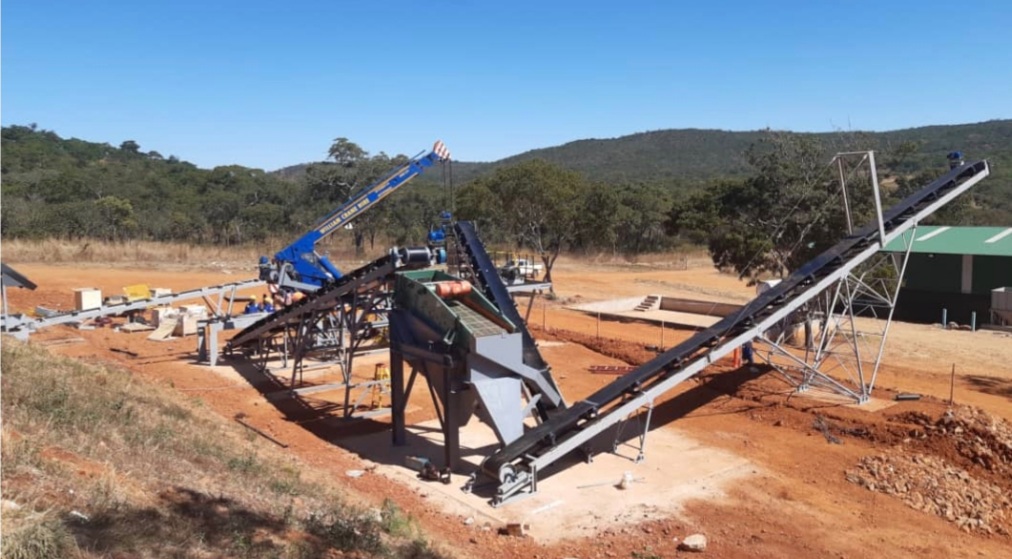
China’s Zhejiang Huayou Cobalt 603799.SS said on Wednesday it would pay a total US$422 million to acquire the Arcadia hard-rock lithium mine in Zimbabwe.

Advertisement

The move marks Huayou’s second foray into lithium, a key ingredient in rechargeable batteries, in the space of a week. It is the latest acquisition of overseas battery mineral resources by Chinese companies looking to shore up supply to meet demand from the burgeoning electric vehicle (EV) sector.

Huayou, the world’s biggest producer of cobalt, another battery metal, in 2020, said in a filing it would pay US$388.8 million for Australia-listed Prospect Resources Ltd’s PSC.AX 87% stake in Arcadia owner Prospect Lithium Zimbabwe.

It will pay another US$44.2 million for the 6% stake held by Zimbabwean professor Kingston Kajese and the seven held by Tamari Trust, which previous Prospect filings show is linked to Paul Chimbodza, executive director of Prospect Lithium Zimbabwe.

Advertisement

The Arcadia project aims to process 2.4 million tonnes of ore per year but has not yet reached commercial production.

Prospect Resources said in July the first batch of petalite from pilot production had been delivered to offtake partner Sinomine and that it was also working on spodumene samples.

Spodumene and petalite are lithium-bearing minerals.

Advertisement

Zimbabwe is desperate to attract investors into its mining sector, which it says will drive the recovery of its stricken economy. It has opened its doors to Chinese firms, which now operate several chrome, coal and gold mines.

Huayou’s executive Vice-chairman George Fang told Reuters in September that the company was seeking to invest in lithium mining and processing, including in Africa.

Last Friday, Sichuan New Energy Power Co Ltd 000155.SZ said it agreed a lithium production and battery recycling tie-up with Huayou in China. – Reuters

Advertisement


Advertisement
Continue Reading
1 Comment

1 Comment

  1. buy cialis online reviews

    January 31, 2022 at 8:08 pm

    I do not even know how I ended up here, but I thought
    this post was great. I don’t know who you are but certainly you’re going to a famous blogger if you
    are not already 😉 Cheers!

Leave a Reply

Your email address will not be published. Required fields are marked *

In the community

EMA, Lupane State University step up fight against deadly Umkhawuzane in Mat North

Published

on

BY WANDILE TSHUMA

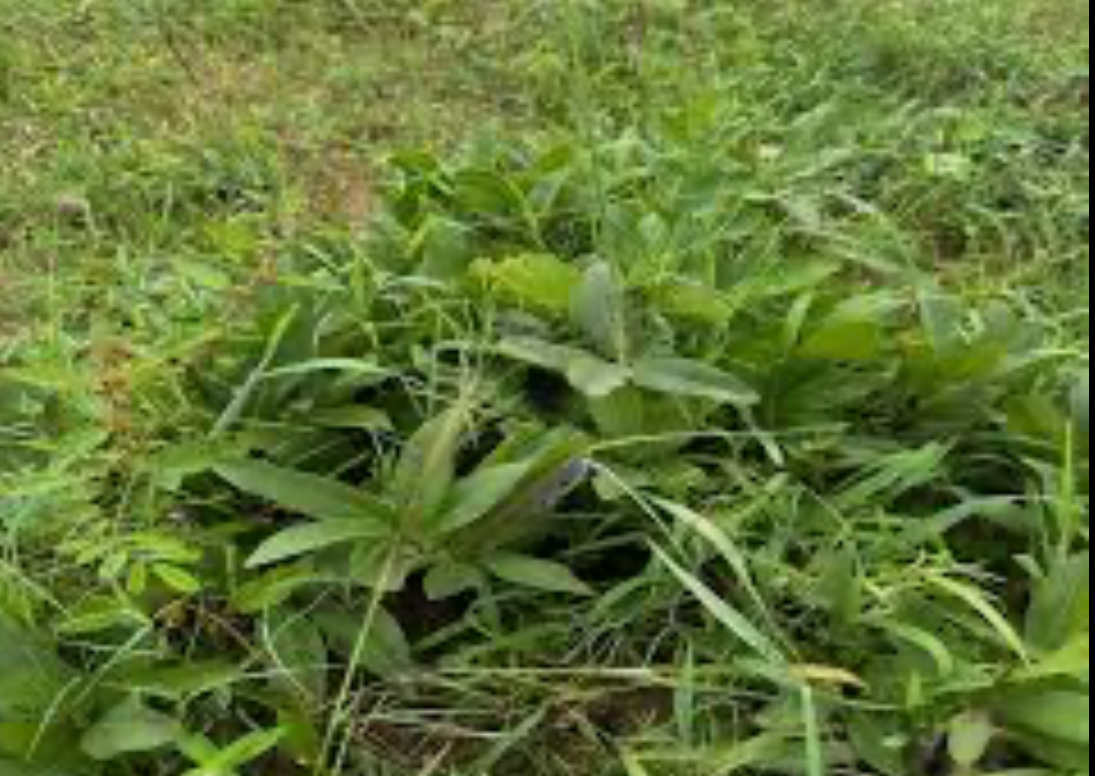
The Environmental Management Agency (EMA), in partnership with Lupane State University, has launched a community-based initiative to control and reduce the impact of the toxic plant Dichapetalum cymosum, locally known as Umkhawuzane or Gifblaar, which has caused significant livestock losses in Matabeleland North.

Advertisement

The initiative, focuses on managing the spread of the poisonous plant, which is widely recognised as one of the most dangerous threats to cattle in Southern Africa. Gifblaar is estimated to contribute to about eight percent of livestock deaths linked to toxic plants in the region. The plant contains fluoroacetate, a potent toxin that causes sudden death in animals and poses risks of secondary poisoning through the food chain.

According to EMA, the study was carried out in Ward 18 (Makhovula) in Lupane District and Ward 10 in Umguza District. It combined community sensitisation with mechanical and chemical control trials aimed at identifying effective ways to eradicate the plant.

Community engagements revealed a high level of awareness among farmers about the toxicity of Umkhawuzane. Farmers reported losing an average of three to four animals per household during the winter season, when forage is scarce and the plant remains green, increasing the risk of livestock consumption.

Advertisement

Results from the trials showed that mechanical removal of the plant produced promising outcomes. No regeneration was observed in areas where roots were excavated to depths of between one and 1.5 metres. However, chemical control using glyphosate only led to temporary suppression of the plant and did not achieve complete eradication, while also affecting surrounding vegetation.

EMA said the findings highlight the need for integrated and site-specific management approaches. These include effective mechanical removal, cautious use of chemicals, and continuous community education to prevent further losses.

The agency, together with Lupane State University, reaffirmed its commitment to working closely with local communities to protect livestock, improve rangeland management and reduce the economic losses caused by Umkhawuzane in Matabeleland North.

Advertisement

Continue Reading

National

Zimbabwe fast-tracks approval of long-acting HIV prevention drug Lenacapavir

Published

on

BY WANDILE TSHUMA

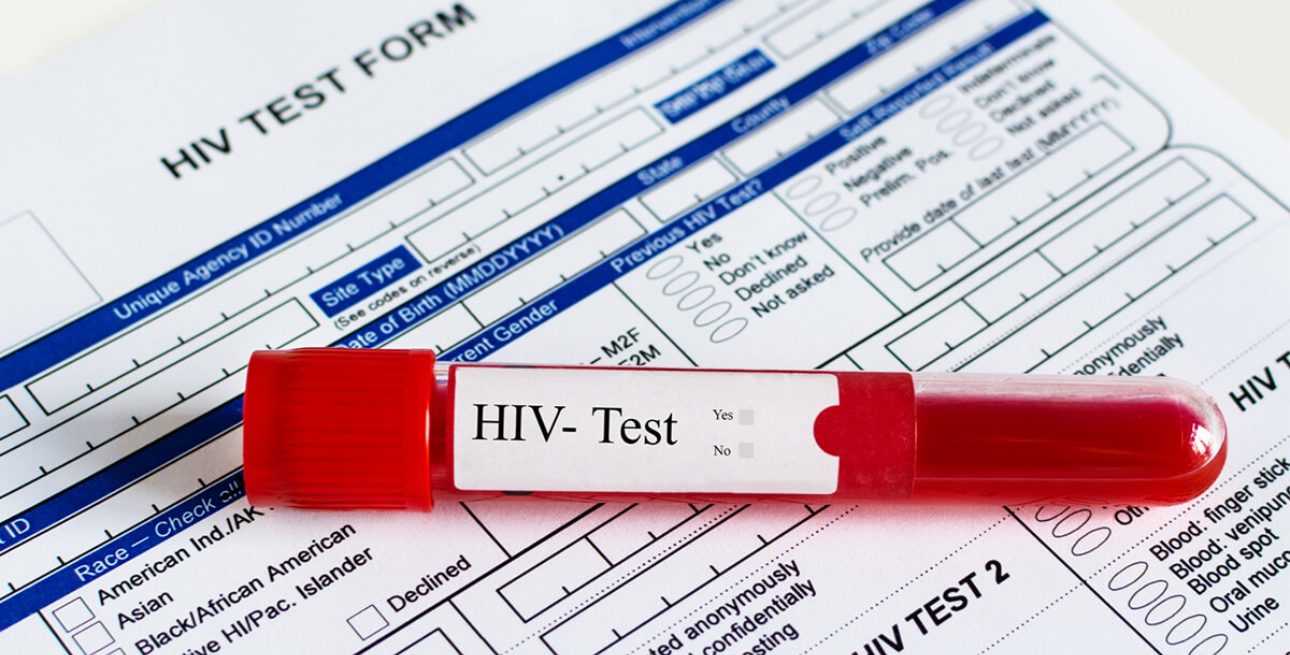
Zimbabwe has taken a major step in the fight against HIV following the rapid approval of Lenacapavir, a groundbreaking long-acting injectable for HIV pre-exposure prophylaxis (PrEP). The Medicines Control Authority of Zimbabwe (MCAZ) authorised the drug in just 23 days, marking one of the fastest regulatory approvals in the country’s history.

Advertisement

The application, submitted by pharmaceutical company Gilead Sciences in October, underwent an expedited review because of its public health importance. MCAZ says the fast-tracked process did not compromise scientific scrutiny, with the product subjected to a rigorous assessment of its safety, efficacy and quality.

Lenacapavir is designed for adults and adolescents weighing at least 35kg who are HIV-negative but at substantial risk of infection. Unlike traditional daily oral PrEP, the medicine is administered as a six-monthly injection, following an initiation phase that includes one injection and oral tablets on Days 1 and 2. Health authorities say this long-acting formulation could dramatically improve adherence and expand prevention options, particularly for communities where daily pill-taking is difficult.

MCAZ Director-General  Richard T. Rukwata described the approval as a landmark moment in Zimbabwe’s HIV response.

Advertisement

“The rapid approval of Lenacapavir reflects MCAZ’s dedication to accelerating access to trusted, high-quality health products. This milestone brings new hope for HIV prevention and reinforces our commitment to safeguarding public health,” he said.

To fast-track the process, the Authority applied a regulatory reliance approach, drawing on scientific assessments from the World Health Organization’s Prequalification Programme (WHO PQ). This allowed evaluators to build on internationally recognised review processes while ensuring Zimbabwe’s own standards were met.

The introduction of Lenacapavir comes as Zimbabwe continues efforts to reduce new HIV infections, particularly among young people and key populations who face barriers to consistent PrEP use. Public health experts say the drug’s twice-yearly dosing could be a game changer in improving uptake and protection.

Advertisement

MCAZ says it remains committed to ensuring Zimbabweans have access to safe, effective and good-quality medical products, in line with its mandate under the Medicines and Allied Substances Control Act.

Advertisement
Continue Reading

Slider

ZimParks to host first-ever International Wildlife Conservation symposium

Published

on

BY NOKUTHABA DLAMINI

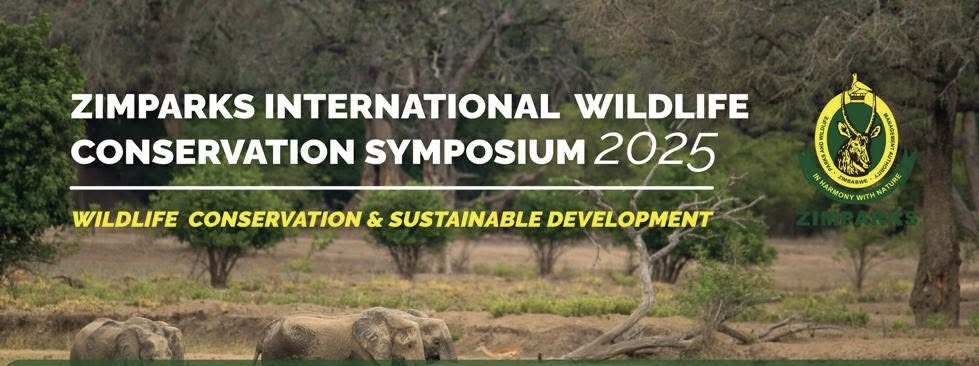
The Zimbabwe Parks and Wildlife Management Authority (ZimParks) will hold its inaugural International Wildlife Conservation Symposium under the theme “Wildlife Conservation and Sustainable Development.”

Advertisement

The two-day event, scheduled for October 22 to 23, next week, will take place at the Management Training Bureau in Msasa, Harare. It will bring together conservationists, researchers, policymakers, and students to discuss key issues around wildlife protection and sustainable development.

The symposium will focus on eight sub-themes, namely Wildlife Conservation and Transboundary Management, Freshwater, Fisheries and Aquatic Management, Sustainable Tourism and Socio-Economic Development, Human-Wildlife Interactions, Environmental Health and Safety, Climate Change Adaptation and Mitigation, Community-Based Natural Resource Management, and Natural Resource Policy and Governance.

ZimParks says the symposium will provide a platform to exchange ideas and deepen understanding of the link between wildlife conservation and sustainable development. Members of the public, students, and professionals are encouraged to attend.

Advertisement


Advertisement
Continue Reading

Trending

Copyright © 2022 VicFallsLive. All rights reserved, powered by Advantage