Connect with us

In the community

EMA, Lupane State University step up fight against deadly Umkhawuzane in Mat North

Published

on

BY WANDILE TSHUMA

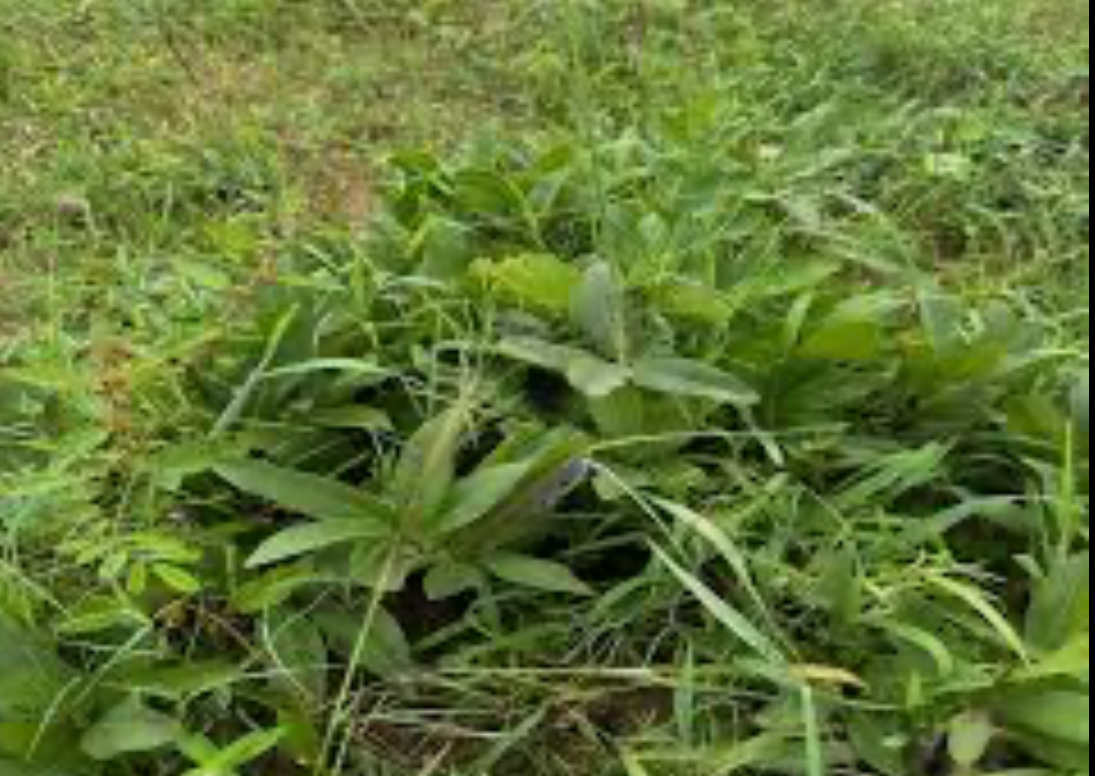
The Environmental Management Agency (EMA), in partnership with Lupane State University, has launched a community-based initiative to control and reduce the impact of the toxic plant Dichapetalum cymosum, locally known as Umkhawuzane or Gifblaar, which has caused significant livestock losses in Matabeleland North.

Advertisement

The initiative, focuses on managing the spread of the poisonous plant, which is widely recognised as one of the most dangerous threats to cattle in Southern Africa. Gifblaar is estimated to contribute to about eight percent of livestock deaths linked to toxic plants in the region. The plant contains fluoroacetate, a potent toxin that causes sudden death in animals and poses risks of secondary poisoning through the food chain.

According to EMA, the study was carried out in Ward 18 (Makhovula) in Lupane District and Ward 10 in Umguza District. It combined community sensitisation with mechanical and chemical control trials aimed at identifying effective ways to eradicate the plant.

Community engagements revealed a high level of awareness among farmers about the toxicity of Umkhawuzane. Farmers reported losing an average of three to four animals per household during the winter season, when forage is scarce and the plant remains green, increasing the risk of livestock consumption.

Advertisement

Results from the trials showed that mechanical removal of the plant produced promising outcomes. No regeneration was observed in areas where roots were excavated to depths of between one and 1.5 metres. However, chemical control using glyphosate only led to temporary suppression of the plant and did not achieve complete eradication, while also affecting surrounding vegetation.

EMA said the findings highlight the need for integrated and site-specific management approaches. These include effective mechanical removal, cautious use of chemicals, and continuous community education to prevent further losses.

The agency, together with Lupane State University, reaffirmed its commitment to working closely with local communities to protect livestock, improve rangeland management and reduce the economic losses caused by Umkhawuzane in Matabeleland North.

Advertisement

Continue Reading
Click to comment

Leave a Reply

Your email address will not be published. Required fields are marked *

In the community

Zimbabwe moves to support human-wildlife conflict victims

Published

on

BY NOKUTHABA DLAMINI

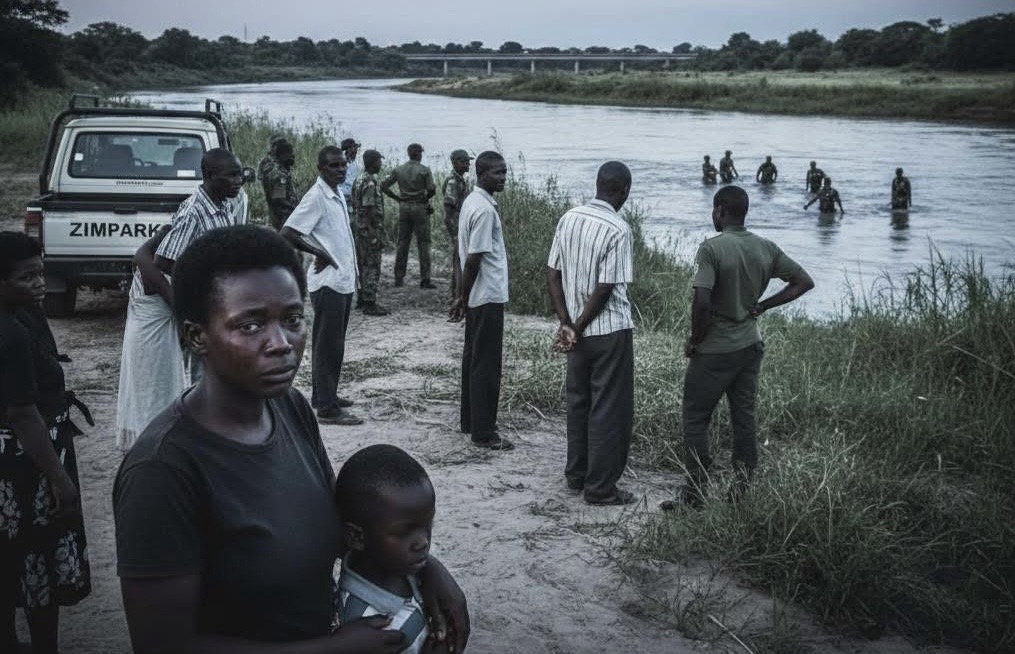
Cabinet has officially approved a transformative National Wildlife Policy, marking the first major overhaul of the sector’s regulatory framework in over three decades.

Advertisement

For the communities of Matabeleland North—from the elephant-dense corridors of Hwange to the tourism heartbeat of Victoria Falls—the policy promises a radical shift in how local people coexist with and benefit from the country’s natural heritage.

Presented by Finance minister Mthuli Ncube on Tuesday, the new policy acknowledges that the wildlife sector has been “remarkably transformed” since the current laws were enacted in 1992.

The updated framework seeks to align Zimbabwe with modern international best practices, moving toward a “vibrant wildlife-anchored economy” that directly supports national development.

Advertisement

For residents of Hwange and Victoria Falls, the most critical breakthrough is the policy’s explicit focus on human-wildlife conflict (HWC).

The framework provides for the implementation of the Human-Wildlife Conflict Relief Fund, specifically designed to provide benefits and support to victims of wildlife encounters.

This is paired with new regulations for CAMPFIRE (Communal Areas Management Programme for Indigenous Resources) and the establishment of dedicated wildlife corridors to reduce dangerous interactions between animals and human settlements.

Advertisement

The policy is built upon 10 strategic pillars, including community-based natural resources management and the equitable sharing of benefits.

Crucially, the government now recognises wildlife as a “public resource,” with the policy aiming to support devolution and enhance “active community participation.”

This ensures that present and future generations in Matabeleland North are not just neighbours to the game reserves, but active stakeholders in its socio-economic success.

Advertisement

However, community members say the success of the policy will depend on how effectively benefits are devolved to grassroots level.

“We have heard policies before, but what matters is whether the money reaches us,” said a Hwange villager, Eslina Ndlovu from Nemanhanga. “Our schools are struggling, some do not even have adequate classrooms or learning materials. If wildlife revenue is coming from our areas, it should help improve our education system.”

Another villager,Joseph Mwembe from Vukuzenzele village under Chief Mvuthu, echoed similar sentiments, calling for investment in health services. “We are living with wildlife every day, but our hospitals are not equipped. We don’t have proper referral hospitals or machines. If this policy is serious about supporting communities, then we must see that money building clinics, equipping hospitals, and improving services here in Matabeleland North,” he said.

Advertisement

Villagers stressed that without tangible improvements in infrastructure and social services, the policy risks falling short of its intended impact.

“If communities do not benefit in real terms, then it defeats the whole purpose of calling wildlife a national resource,” added Ndlovu.

The policy also introduces measures for fisheries conservation and the protection of indigenous plant species, with strict penalties for violations that threaten resource sustainability.

Advertisement

Continue Reading

Hwange

CDF-funded borehole brings relief to Hwange ward 5

Published

on


BY NOTHANDO DUBE

Advertisement

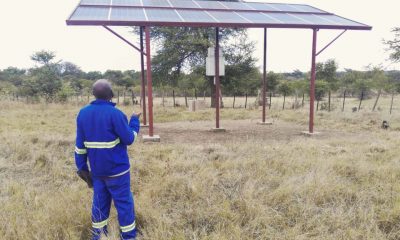
Daniel Molokele has announced the successful rollout and verification of solar-powered boreholes across several wards in Hwange Central, describing the development as a major boost for communities long affected by water shortages.

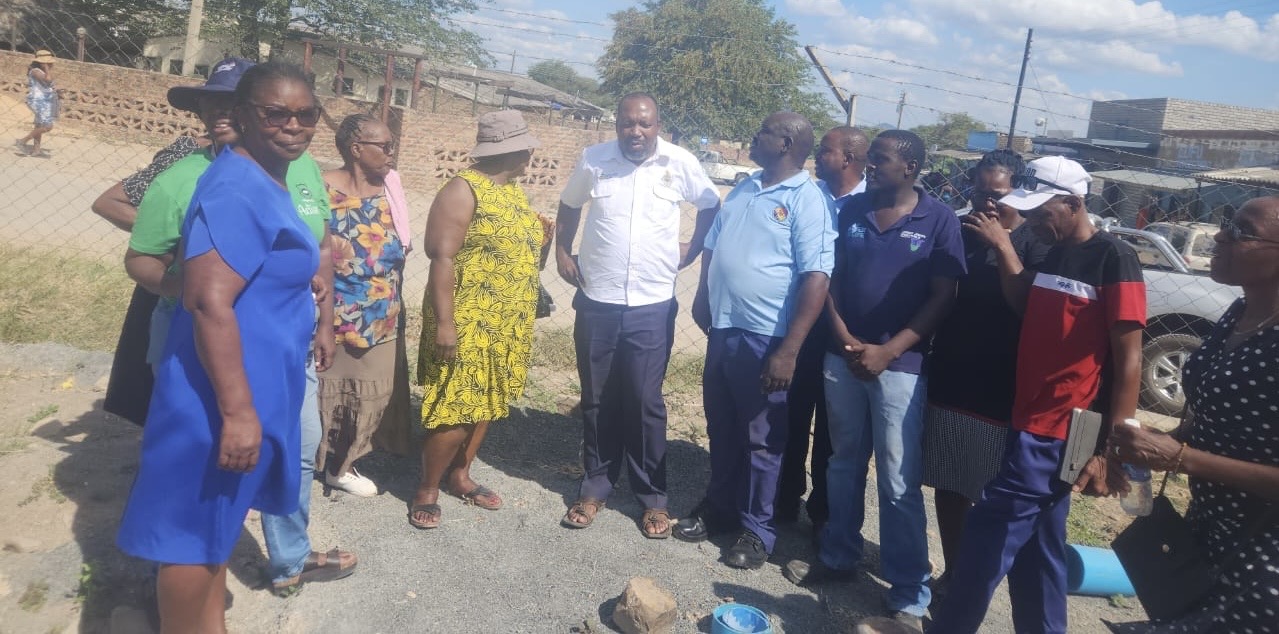
In a statement issued Friday, Molokele confirmed that a solar-powered borehole in Ward 5 is now fully operational, bringing relief to residents who have endured prolonged periods without reliable water supplies. Community members reportedly expressed “absolute delight” at the development, citing the borehole as a critical intervention.

The Ward 5 project is part of four boreholes installed under the 2024 Constituency Development Fund (CDF). According to the MP’s office, verification visits conducted on April 17 across Wards 1, 4, 5 and 6 confirmed steady progress.

Advertisement

Ward 4 and Ward 6 boreholes have been operational since February, already serving local populations. In Ward 1, installation is nearly complete, with service expected imminently.

Molokele’s office also revealed that delays in Ward 5 were due to funding shortfalls after CDF allocations were exhausted. The MP personally covered an outstanding US$2 000 to ensure completion.

Meanwhile, Ward 14 remains without a borehole despite being included in the original proposal. Officials acknowledged ongoing water challenges in the area and said efforts are underway to mobilise additional funding to complete the project.

Advertisement

Local leaders, councillors and ward development committees participated in the verification exercise alongside the project contractor, who provided technical assessments at each site.

Advertisement
Continue Reading

Nkayi

Burial preparations underway for Nkayi well tragedy victims

Published

on

BY NOKUTHABA DLAMINI 

The Nkayi community is preparing to lay to rest the Grade 2 pupil and his neighbor who tragically died in a gas-filled well in Ward 19 last week.

Advertisement

According to Ward 19 Councillor Thubelihle Mabuza Ncube, the young Grade 2 boy is scheduled to be laid to rest today, while the other deceased individual will be buried tomorrow. The community is currently awaiting the arrival of the bodies from the Nkayi regional mortuary. The remains were recently delivered back to the regional mortuary following the completion of postmortem examinations in Bulawayo.

The double fatality occurred when the young student was reportedly lured into a neighbor’s well by an elder to retrieve a bucket in exchange for sweets. The child was quickly overcome by suspected carbon monoxide and a total lack of oxygen. A neighbor who entered the shaft in a desperate rescue attempt also perished after being overwhelmed by the toxic air.

Due to the hazardous conditions within the well, rescuers were unable to enter the shaft and had to use a makeshift wire tool to retrieve the bodies from the surface. Councillor Ncube previously expressed deep distress over the incident, noting that Nkayi is hurting deeply.

Advertisement

While the community mourns, legal proceedings are also in motion. The councillor has indicated that the accused in the matter has been charged by the police. This update follows a series of tragic events in the Nkayi district, including a recent fatal elephant attack in Ward 13.

Advertisement
Continue Reading

Trending

Copyright © 2022 VicFallsLive. All rights reserved, powered by Advantage