Connect with us

Slider

Battle lines drawn as Indlovu Iyanyathela and Lupinyo Bullets meet in Championship finals

Published

on

BY BHEKIMPILO WEZA

When Champions League games began, every team wanted to be in the finals and none was willing to give  Lupinyo Bullets a chance at that stage, but the team from a small village has found itself in the finals against a most assembled Indlovu Iyanyathela from the Monde League.

Advertisement

The two teams will square up in what has been dubbed a David and Golliath affair at Sinyore Stadium in Chidobe on Sunday.

Indlovu are the champions of Monde League and have a bulk of former Division One players who are well known to cause problems in any game provided their presence. 

Ricardo Ncube, who is a goalkeeper and one of the players in the running for the keeper of the tournament and player of the tournament, once featured for Hwange Football Club as a reserve keeper to the teams first choice.

Advertisement

By the time, Hwange was in the First Division and they have since clinched the championship and have been promoted to the elite Premier League.

His skills as a goal minder were evidenced last weekend when they knocked Chidobe Kachecheti Champions, Dragons out of the cup through a penalty shoot out.

Ricardo saved the first three penalties and converted the winner to send Indlovu to the finals.

Advertisement

They also have Thabani Moyo who has been brilliant throughout the competition, often backed by Adrian Nyoni and their top challenger Bongani Ndlovu who was the league top scorer in the just ended Mosi League with twenty eight goals.

For them to lift the trophy ,they will have to guard against Lupinyo Bullets marauding strikers Tyrol Ncube and Brightman Dube who were top joint scorers in the championship build-up games. 

Lupinyo also have Mthokozisi Sibanda to pin their hopes on as they march towards their first ever trophy since their formation ten years ago.

Advertisement

Meanwhile Dragons and Masters will meet in a third place play off before the finals.

The Championship cup is sponsored to the tune of US$500 and only top four teams from the two leagues Chika and Mosi qualified. 

lt is expected to expand to other leagues like Mvuthu Football League and Jambezi Football League next season.

Advertisement

There will be medals for the top three teams and a trophy for the winners.

Awards for the player of the tournament, goalkeeper of the game, most disciplined player, top scorer and the coach of the season will also be presented.

The cup is sponsored by Victoria Falls Veterinary Service, Agricultural Zone and Chidobe Business Complex.

Advertisement


Advertisement
Continue Reading
Click to comment

Leave a Reply

Your email address will not be published. Required fields are marked *

Slider

From skins to steaks — How wildlife trade is fueling communities in South Africa

Published

on

BY NOKUTHABA DLAMINI 

In the small town of Bela-Bela, a quietly flourishing business is unfolding — one that turns wildlife into livelihood, education, and economic opportunity. On a humid afternoon, we walked into the operations of Estelle Nel Taxidermy (and its parent networks), where rows of beautiful animal mounts — from antelope horns to zebra skins, skulls to full-body trophies — line the walls.

Advertisement

But beyond the busts and custom mounts lies a deeper purpose: this is not simply a display of hunting trophies. It is a system of sustainable use — where animals that die naturally or are hunted legally are completely utilised: meat, skin, horns, bones — nothing goes to waste, and everything acquires value.

As we discovered from our conversations, this network extends beyond taxidermy. Adjacent to the showrooms are processing facilities, butcheries, and game-meat wholesalers — all integral to transforming South Africa’s wild fauna into a formal, regulated, and sustainable economy.

“This is home” — an artisan’s vocation

Advertisement

I sat down with Melanie Viljoen, who serves as Export Secretary at Estelle Nel Taxidermy. Her voice was calm, resolute.

“For me, it’s like this is home and it’s something that I love to do. I love art. I studied art at school. I can’t think of anything else I’d rather do.”

She told us she’s been with the business for thirteen to fourteen years. Over that time she’s mastered a unique craft. “I’ve found my niche,” she said, “and I’m not going anywhere.”

Advertisement

Melanie explained how the business flows: outfitters bring in international clients to hunt on private farms, then process the animals: trophy mounts for some, meat for others. Locals also bring animals — sometimes for trophies, sometimes just for meat. There is even “school-mount” work: smaller species, sometimes a mother and its young, carefully preserved — not just for hunters, but for children to touch and learn about wildlife up close.

“We mount animals that have died naturally or were hunted… we use everything, from the meat to the skins and curls. It’s a sustainable way of doing business, and everything has a monetary value.”

This, she says, is both business and passion — blending artistry, conservation, and commerce.

From workshops to global markets — taxidermy meets commerce

Advertisement

According to membership details o South African Taxidermy & Tannery Association, Estelle Nel Taxidermy offers a wide range of services: from mounting mammals, birds, reptiles; tanning skins and capes; cleaning, mounting and articulating skulls, bones, horns, tusks; to producing novelty leather items, polished horn décor, engraved bones, hoof lamps — even gunbags and furniture. They offer full export packing and crating services, and help clients ship internationally.

What this means is that skins, hides and trophies — once the culmination of a hunt — become far more than personal souvenirs. They become export commodities, contributing to livelihoods of artisans, packers, shippers, and everyone in between.

Yet, as Pieter Swart President of South African Taxidermy & Tannery Association  (SATTA)/chairman of SUCO-SA) told us, that path to global markets is not without obstacles.

“Certain airlines allow the shipping of these trophies. I think it’s about four airlines that you can ship them overseas, but the rest refuse to take their hunting trophies to destinations. As well as the sea shipments — there’s only one ship going to America every three months. The rest of the shipping lines refuse to take hunting trophies.”

Advertisement

He lamented the difficulty in logistics. And yet, he sees themselves as part of a broader — and misunderstood — effort. “This anti-animal works movement created the idea that hunting is killing the animals and destroying them to extinction — but that is actually quite the opposite,” he said. “More and more, the guys are farming the animals; that is creating a better future for the animals.”

In other words: regulated, sustainable use — of every part of the animal — can coexist with conservation, economic empowerment, and community upliftment.

Game meat: from farm to fork

Advertisement

Next door to the taxidermy showroom, we toured a modest but hygienic meat-processing Camo Meat facility, run by people like Ina Hechter. They explained that their business started small — in 2012 as a private processing butcher for animals from farms. Around 2017 they expanded into wholesale for local markets. Export remains limited, but local demand is growing.

Their meats include species typical of the South African game-meat industry: kudu, impala, springbok, wildebeest, zebra and others. What began as a niche — somewhat stigmatised — trade is slowly gaining acceptance. Some supermarkets and lodges are carrying game meat; more restaurants are offering “veld flavour.”

Ina told me that in times of drought — when traditional livestock farming may suffer — game-meat businesses often see increased activity. Farms with overstocked wildlife or animals unable to survive drought may harvest and sell meat, skins and other resources. In this way, what might have been a loss can become income, conservation, and food security.

Advertisement

“Our parks are so small that they can’t sustain all the animals that are there,” Ina said. “Especially in drought years … when it’s not raining a lot you will see they die and then they sell the animals.”M

She sees game meat not only as a business, but as part of a broader sustainable economy — offering healthy, lean protein to consumers, easing pressure on overburdened habitats, and circulating value in rural and peri-urban communities.

More than meat and trophies — a conservation-economy model

What struck me during the tour was how holistic the operation is. It isn’t just about hunters bringing back trophies. It’s about using every bit of what exists: meat, skins, hides, horns, bones — even skulls, and decorative by-products. From full-body mounts to polished horn décor, from retail game-meat packages to furniture made from hoofs: this is a full-value chain.

Advertisement

Companies like Estelle Nel Taxidermy are members of formal trade associations and provide professional services — tanning, mounting, packing, export documentation — and in doing so, they help formalize trade in wildlife products.

Meanwhile, the game meat industry — though historically informal — is slowly growing more regulated. According to a recent national biodiversity-economy strategy, game-meat production supports economic growth, food security, and employment. The most commonly produced and consumed species: impala, kudu, wildebeest, springbok.

In other words: when properly managed, this sector has the potential to transform perceptions of wildlife — from being simply “wild animals” to resources that can feed, employ and uplift entire communities.

Advertisement

Challenges — logistics, stigma, regulation

But it’s not all smooth. As Pieter Swart highlighted, export logistics remain a bottleneck: only a few airlines transport trophies; shipping lines are often reluctant; sea freight to markets like the United States may come only every few months. This makes it harder for the industry to scale globally.

Domestically, the market for game meat and wildlife products still battles cultural and regulatory stigma. Many people still frown at game meat; supermarkets and restaurants are only slowly integrating it.

Advertisement

Regulation is another issue: for the industry to be sustainable, wildlife needs to be farmed or managed responsibly, harvesting must follow quotas, and processing must meet health and safety standards. When abattoirs, tanneries, and exporting agents comply with regulation, this gives the industry legitimacy — but it also requires oversight, capacity, and buy-in from all stakeholders.

A snapshot

Our visit painted a picture of a wildlife economy that’s evolving: where skilled artisans turn skins, horns, skulls into enduring art; where processors supply game meat to homes, restaurants and hotels; where farms, outfitters, taxidermists, meat processors, exporters, and even children (learning from mounted displays) all form part of an ecosystem.

It’s a world that challenges simplistic ideas of wildlife as either “pristine wilderness” or “endangered species.” Instead, it shows how — if managed with respect, regulation, and purpose — natural resources can sustain livelihoods, build economies, and forge a bridge between conservation and commerce.

Advertisement

For many of those involved — from Melanie Viljoen to Ina Hechter and Pieter Swart — it’s not just business. It’s home. It’s art. It’s the future.

Advertisement
Continue Reading

In the community

Foot and mouth disease outbreak in Mat North

Published

on

BY NIZBERT MOYO

The provincial Veterinary Department has urged farmers to comply with livestock movement regulations following an outbreak of the Foot and Mouth Disease (FMD) in some parts of Matabeleland North.

Advertisement

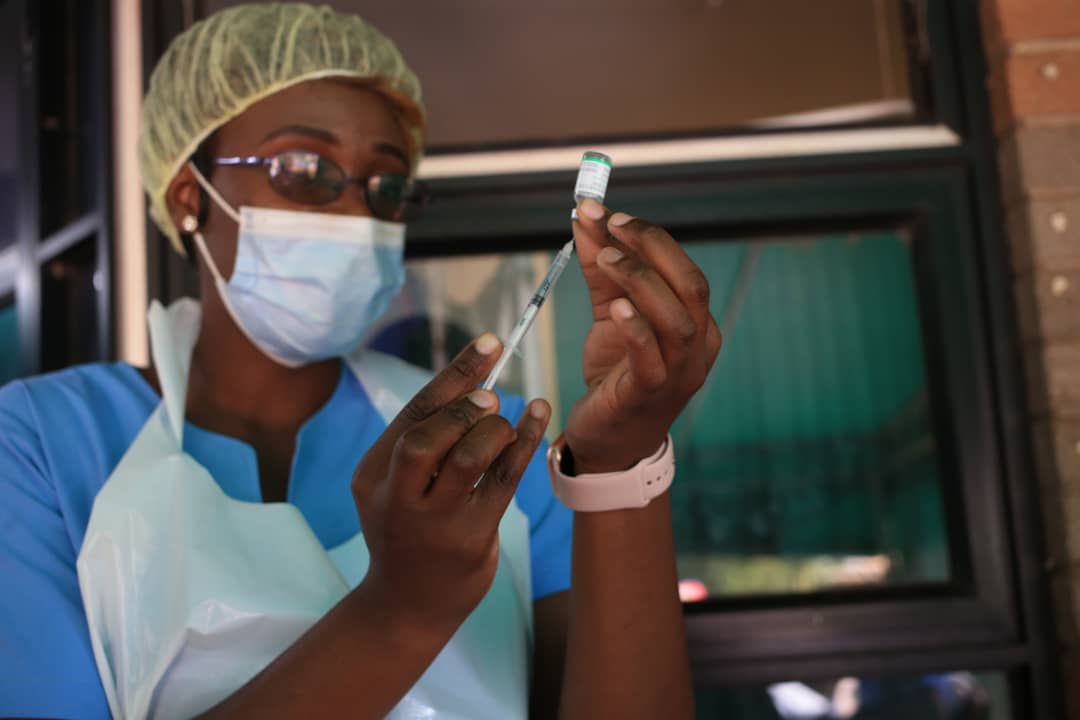
Acting provincial veterinarian Gwinyai Zhandire confirmed the outbreak to Southern Eye, saying the government has instituted movement controls, vaccination and active surveillance in the affected areas.

“There are some dip tanks affected in the Nyamandlovu area,” Zhandire said.

“The government has instituted movement controls and vaccination, and we are conducting surveillance.

Advertisement

“Farmers are encouraged to observe and comply with livestock movement regulations to prevent further spread.”

He highlighted that the rainy season increases the risk of other livestock diseases.

With tick populations on the rise, farmers should be vigilant against tick-borne illnesses such as Anaplasmosis (Gall Sickness), Theileriosis (January Disease), Ehrlichiosis (Heartwater) and Babesiosis (Redwater).

Advertisement

“Weekly dipping is encouraged to prevent transmission between animals,” Zhandire said.

He emphasised the importance of routine vaccination against other seasonal threats, including anthrax and lumpy skin diseases.

The outbreak has also affected farmers in the Umguza area, who have similarly been directed to adhere to animal movement restrictions.

Advertisement

Foot and mouth disease is a highly contagious viral disease that affects cloven-hoofed animals, including cattle, sheep and goats.

The disease is characterised by fever and the development of painful sores or blisters in the mouth and on the feet, often leading to severe lameness and a drop in productivity.

The virus spreads easily through direct contact between animals, as well as via contaminated equipment, vehicles and feed.

Advertisement

The disease can result in significant economic losses in the livestock industry due to trade restrictions and animal health costs.
Source: Southern Eye


Advertisement
Continue Reading

In the community

Brother-in-law jailed for repeated rape of mentally incompetent 16-year-old

Published

on

BY WANDILE TSHUMA

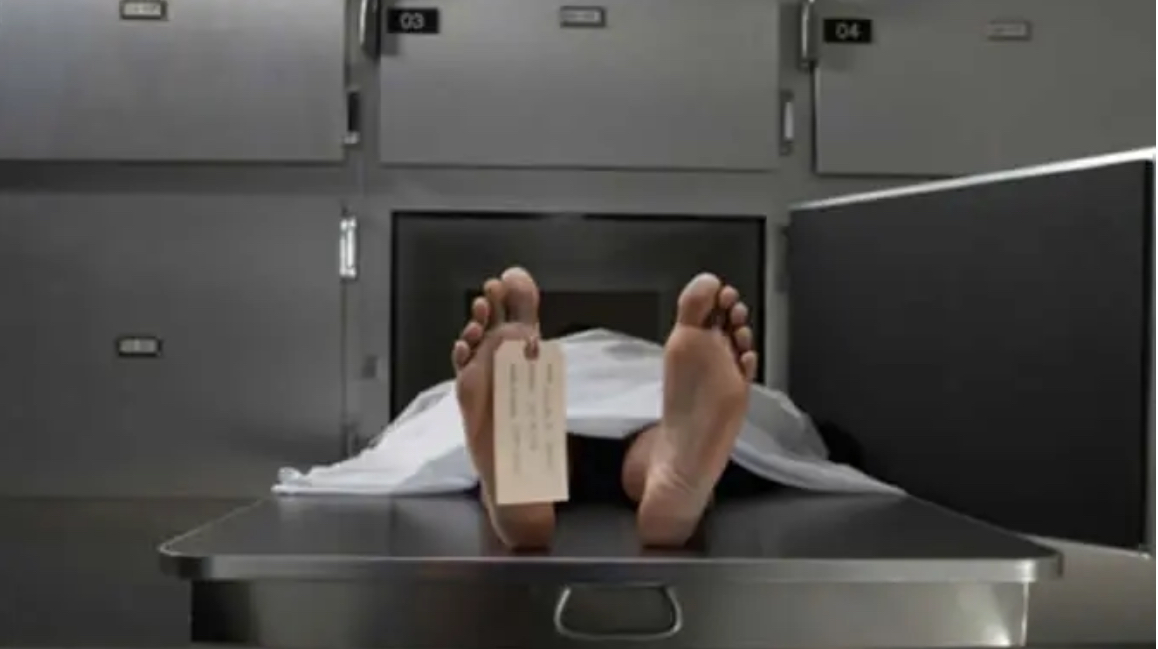
The Hwange Regional Magistrates’ Court has convicted and sentenced a 41‑year‑old man to 20 years’ imprisonment for the repeated rape of his 16‑year‑old sister‑in‑law, a mentally incompetent juvenile.

Advertisement

The court heard that the victim was staying at the offender’s homestead in Lupane. Between November 2024 and May this year, the offender exploited her mental incapacity and his position of trust to rape her on multiple occasions.

In the first incident, the offender’s sister pushed the victim into a bedroom where the offender was waiting, locked the door, removed the victim’s clothes and raped her. He threatened the victim and ordered her to remain silent when she tried to cry out for help.

The abuse continued on various occasions. In May, a community member discovered the abuse and reported it to the Zimbabwe Republic Police in Lupane.

Advertisement

Medical and psychiatric examinations confirmed the victim’s mental status and the ordeal. The offender and his sister assaulted the victim with a sjambok and a stick and threatened her not to disclose the matter.


Advertisement

Continue Reading

Trending

Copyright © 2022 VicFallsLive. All rights reserved, powered by Advantage