Connect with us

Slider

Batoka readies to open refurbished Zambezi Sands River Lodge

Published

on

 BY OWN CORRESPONDENT

Batoka Hospitality, a luxury ecotourism and community development group, is preparing to open the doors of its magical Zambezi Sands River Lodge, offering visitors five-star luxury in the heart of Zimbabwe’s rich natural landscape.

Advertisement

Just one hour from the magnificent Victoria Falls, the newly renovated resort is nestled in the stunning western end of Zambezi National Park and offers guests unrivalled luxury in one of the world’s most breathtaking natural settings.

As the first black female-owned Safari Lodge in Africa, Batoka Hospitality is reinventing the way the world views African hospitality.

“We are empowering the African dream of success through ecotourism and hospitality,” said Vimbai Masiyiwa, executive director of Batoka Hospitality.

Advertisement

“At Batoka, people come first: whether it is our staff, our guests or the community surrounding us.

“As much as we enrich the lives of our guests through a truly authentic African experience, we want to create self-sustaining villages and economic growth for the communities around us.”
The opening of the property will coincide with the launch of Tesse Fund.

Advertisement

The fund will be financed by 10 percent of the revenue made from each guest stay.

The purpose of the fund is for staff members within the Batoka Hospitality family to come up with projects that benefit their local community.

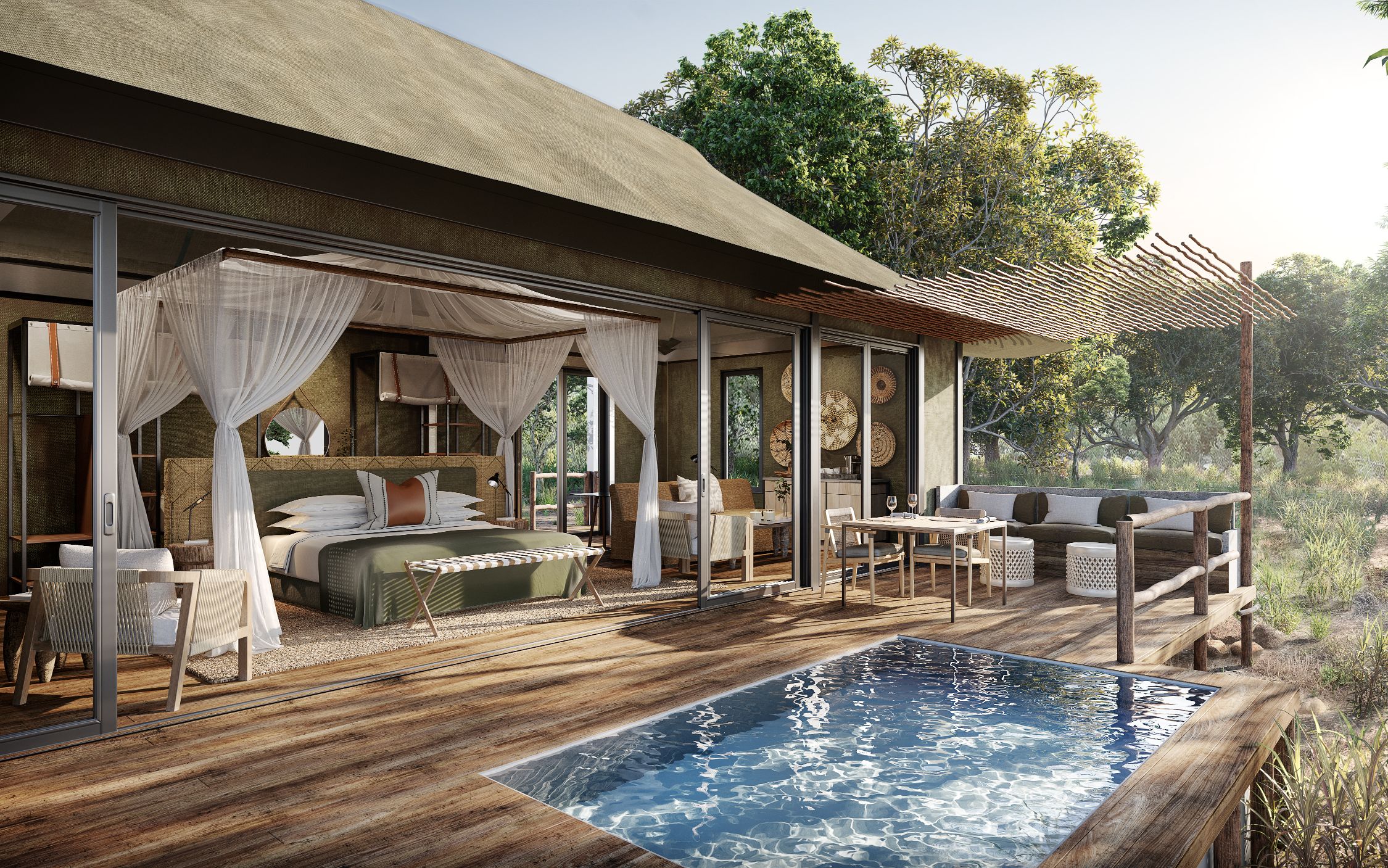
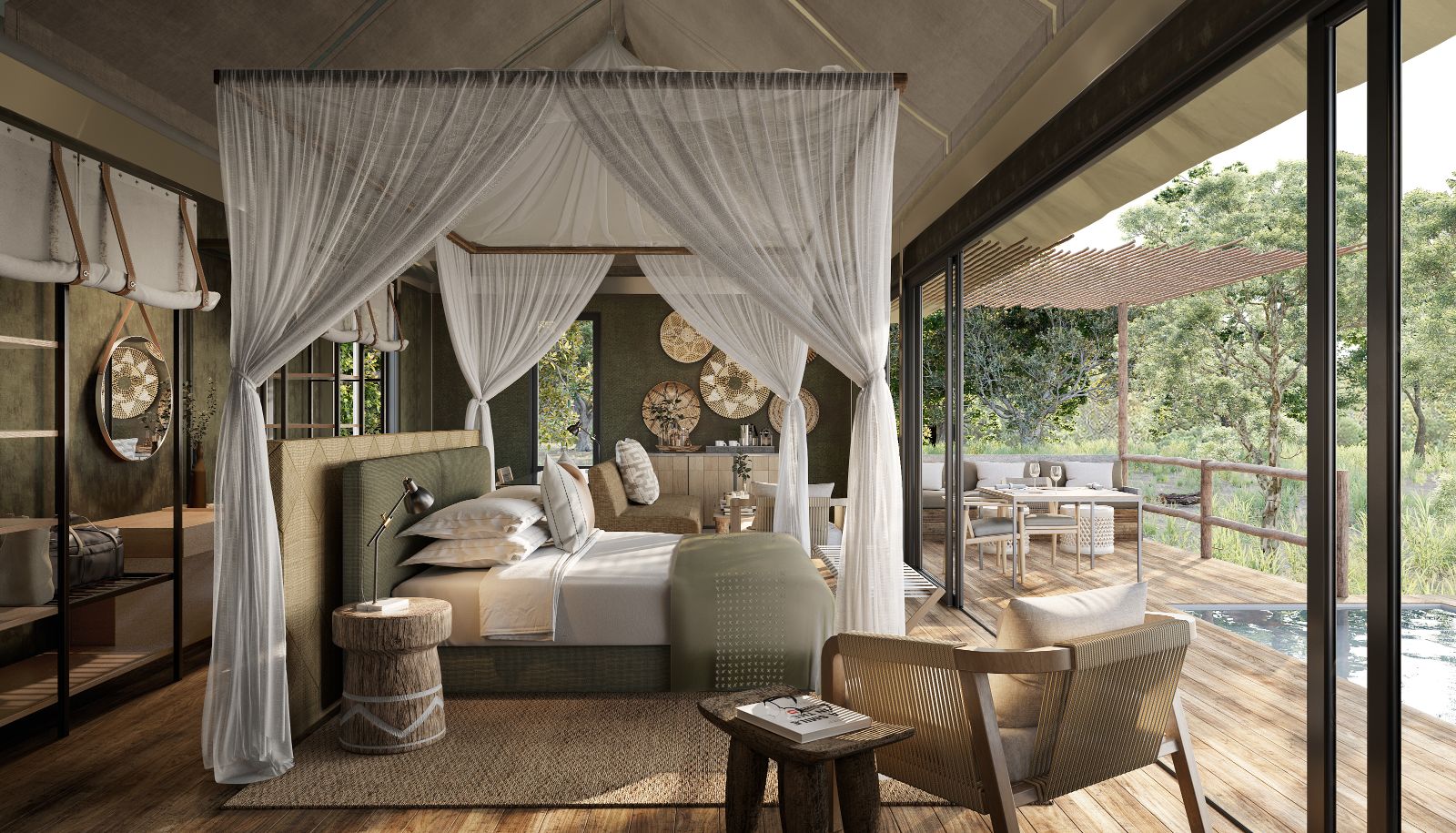
The destination’s 10 beautiful tented suites have been redesigned by renowned South African interior designer Yvonne O’Brien, known for creations which are understated, personal and quietly refined.

Advertisement

Each of the suites has a private plunge pool and spectacular views of the Zambezi River.

For GCC travellers, a two-bedroom suite, complete with private swimming pool, lounge and dining room and deck will be available for those desiring more privacy and an opulent home away from home experience.

The natural materials and tones O’Brien and her team have brought to the Batoka Zambezi Sands River Lodge blend seamlessly into the Victoria Falls landscape, where breathtaking vistas greet guests from every suite.

Advertisement

Bedrooms are styled as large African style tents offering exceptional views from the huge veranda to the soundtrack of the area’s magical wildlife.

The boardwalks that interlink each tent with the main dining area and bar offer protection from wandering hippos who often spend at least part of the night feeding in and around the camp.
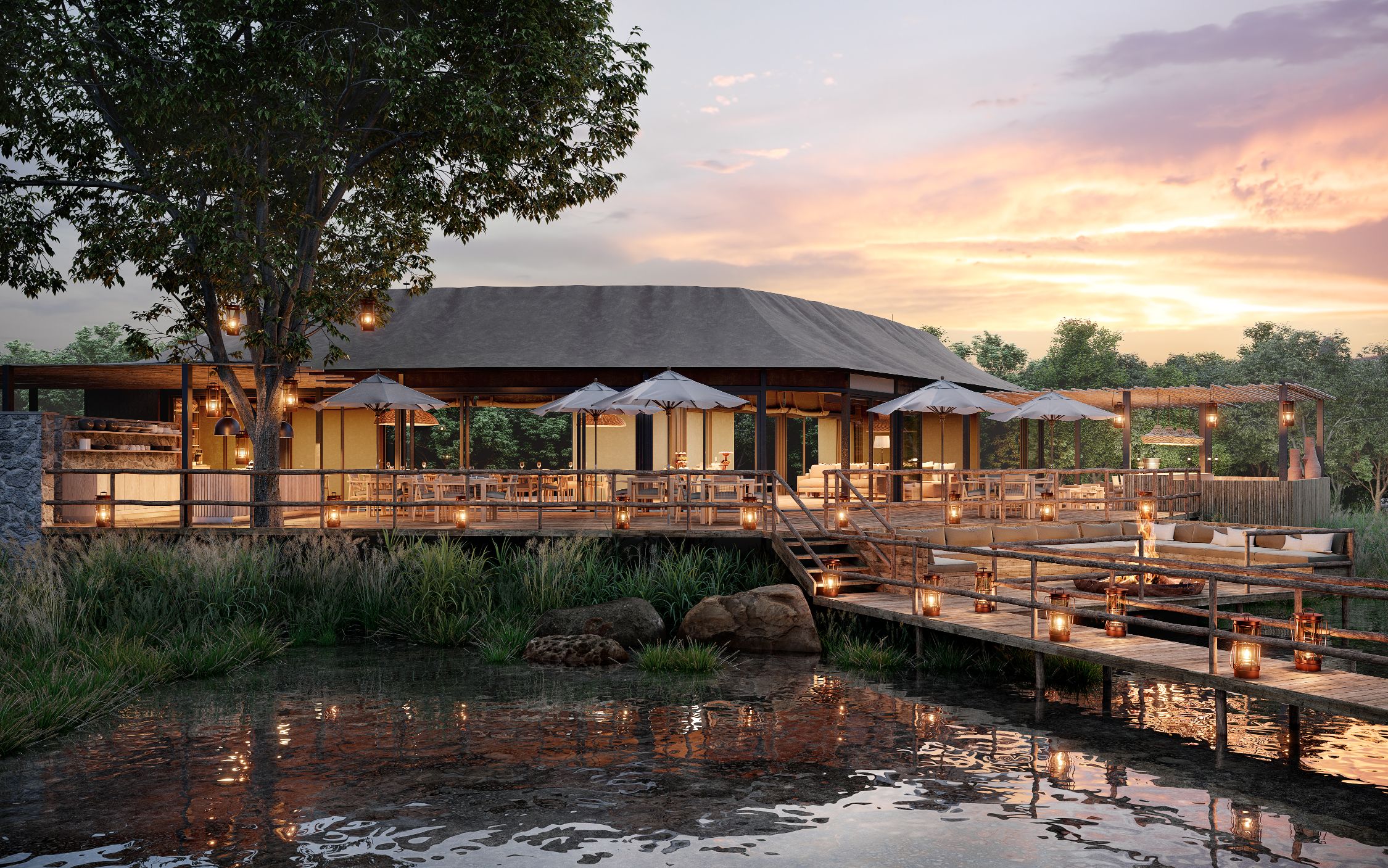
The lodge’s elegant bar, lounge and dining area sit above the river, the stilted structure surrounded by the area’s lush wild landscapes.

Advertisement

Decorated with stylish teak furniture, wooden flooring, pewter ornaments and leather chairs and sofas, it is quintessential African meets luxury.

Outside, an expansive deck has dining tables and a sunken fire pit where pre dinner drinks are the order of the day.

More than just a safari destination, Zambezi Sands River Lodge offers guests an array of activities without even leaving the estate.

Advertisement

In addition to the resort’s spa and fitness centre, guests can enjoy a wide range of activities which include game drives along the river and inland, game walks with an experienced professional guide and day or sunset river boat cruises.

In 2020 Batoka Hospitality acquired 100 percent ownership of the former Zambezi Sands River Camp and its sister attraction, the Gorges Lodge.

Sustainability and local employment are at the heart of the resort’s mission, enabling guests to experience true African culture and hospitality with as little harm to the environment as is possible.

Advertisement

Continue Reading
Click to comment

Leave a Reply

Your email address will not be published. Required fields are marked *

In the community

Foot and mouth disease outbreak in Mat North

Published

on

BY NIZBERT MOYO

The provincial Veterinary Department has urged farmers to comply with livestock movement regulations following an outbreak of the Foot and Mouth Disease (FMD) in some parts of Matabeleland North.

Advertisement

Acting provincial veterinarian Gwinyai Zhandire confirmed the outbreak to Southern Eye, saying the government has instituted movement controls, vaccination and active surveillance in the affected areas.

“There are some dip tanks affected in the Nyamandlovu area,” Zhandire said.

“The government has instituted movement controls and vaccination, and we are conducting surveillance.

Advertisement

“Farmers are encouraged to observe and comply with livestock movement regulations to prevent further spread.”

He highlighted that the rainy season increases the risk of other livestock diseases.

With tick populations on the rise, farmers should be vigilant against tick-borne illnesses such as Anaplasmosis (Gall Sickness), Theileriosis (January Disease), Ehrlichiosis (Heartwater) and Babesiosis (Redwater).

Advertisement

“Weekly dipping is encouraged to prevent transmission between animals,” Zhandire said.

He emphasised the importance of routine vaccination against other seasonal threats, including anthrax and lumpy skin diseases.

The outbreak has also affected farmers in the Umguza area, who have similarly been directed to adhere to animal movement restrictions.

Advertisement

Foot and mouth disease is a highly contagious viral disease that affects cloven-hoofed animals, including cattle, sheep and goats.

The disease is characterised by fever and the development of painful sores or blisters in the mouth and on the feet, often leading to severe lameness and a drop in productivity.

The virus spreads easily through direct contact between animals, as well as via contaminated equipment, vehicles and feed.

Advertisement

The disease can result in significant economic losses in the livestock industry due to trade restrictions and animal health costs.
Source: Southern Eye


Advertisement
Continue Reading

In the community

Brother-in-law jailed for repeated rape of mentally incompetent 16-year-old

Published

on

BY WANDILE TSHUMA

The Hwange Regional Magistrates’ Court has convicted and sentenced a 41‑year‑old man to 20 years’ imprisonment for the repeated rape of his 16‑year‑old sister‑in‑law, a mentally incompetent juvenile.

Advertisement

The court heard that the victim was staying at the offender’s homestead in Lupane. Between November 2024 and May this year, the offender exploited her mental incapacity and his position of trust to rape her on multiple occasions.

In the first incident, the offender’s sister pushed the victim into a bedroom where the offender was waiting, locked the door, removed the victim’s clothes and raped her. He threatened the victim and ordered her to remain silent when she tried to cry out for help.

The abuse continued on various occasions. In May, a community member discovered the abuse and reported it to the Zimbabwe Republic Police in Lupane.

Advertisement

Medical and psychiatric examinations confirmed the victim’s mental status and the ordeal. The offender and his sister assaulted the victim with a sjambok and a stick and threatened her not to disclose the matter.


Advertisement

Continue Reading

Slider

Inside South Africa’s lion breeding debate: A field visit to Mabula Pro Safaris

Published

on

BY NOKUTHABA DLAMINI

At the heart of Bela-Bela’s Driepdrift area lies Mabula Pro Safaris — a private predator breeding facility that, to many outsiders, represents one of the most controversial aspects of South Africa’s wildlife industry. But for the Zimbabwe Parks and Wildlife Management Authority (ZimParks) delegation, which recently toured the facility together with myself as a journalist from Zimbabwe, the visit provided an unusual opportunity: to see the behind-the-scenes reality of a commercial hunting lion breeding operation, far from the images often circulated in global media.

Advertisement

Led by Stephen Palos, Vice-Chair of the Sustainable Use Coalition Southern Africa (SUCo-SA) and CEO of the Confederation of Hunters Associations of South Africa (CHASA), the tour included a close look at lions bred under the South African Predator Association (SAPA) standards.

Inside the sanctuary, the group viewed 52 lions — including 12 adult males and 11 cubs — living in structured social groups within medium-sized enclosures. The animals walked freely, with access to shade, water, and open space.

An earlier visit to a predator sanctuary was, as pointed out by Palos, a stark contrast. Those were used to people whereas these would eat you in a heartbeat.

Advertisement

“These are breeding animals specifically, not pets,” he emphasized. “This is a breeding unit with the express purpose of producing lions for hunting. What you’re seeing here is very different from the popular ‘puppy farm’ narrative.”

Debunking the ‘puppy farm’ image

For years, global campaigns have depicted South African lion breeding as cruel and exploitative — with constant forced pregnancies, cubs immediately snatched from mothers, and animals confined in cramped cages. Palos argued that the facility before the delegation told a different story.

Advertisement

“Each enclosure functions as a pride,” he explained. “A male, a few females, different ages of cubs — just like in the wild, but within an enclosure. Look at the cleanliness, the condition of the animals, their behaviours. These animals are at ease.”

He stressed that cubs were not routinely separated from their mothers for tourism activities, and that animals destined for hunting were relocated to separate facilities to be raised with minimal human imprinting.

A fractured industry

Advertisement

Despite the orderliness observed at Mabula Pro, Palos admitted that the predator breeding industry suffers from fragmentation. Although SAPA prescribes standards for its members, adherence is voluntary.

“There are around 340 facilities in the country, but only about 43 are members of the association,” he said. “We cannot speak about those who choose to operate outside of these standards. That’s where the problems arise.”

What can African countries learn from each other?

Advertisement

After the tour, l asked what lessons Southern Africa can share across borders, including Zimbabwe.

Palos responded with a regional, long-term view.

“Every African country has something to teach and something to learn,” he said. “Wildlife is a renewable natural resource — but only if it’s managed properly.”

Advertisement

He contrasted South Africa’s fenced wildlife model with Zimbabwe’s largely open systems.

“South Africa relies heavily on fencing — from Kruger National Park to private ranches. But in Zimbabwe, Tanzania, Namibia, and elsewhere, you have vast open landscapes. Both systems work in their own contexts.”

Palos warned against “fortress conservation”, where communities are excluded from wildlife spaces — a model he says has failed people and wildlife alike.

Advertisement

Toward shared learning and mentorship

One of the strongest points he emphasized was the need for honest exchange between countries.

“It’s wonderful for us to learn from your challenges and successes,” he told the delegation. “But it’s even more important for us to show what works here, openly, and address our own challenges.”

Advertisement

He suggested that exchanges like this should evolve into:

Formal mentorship programmes
Boots-on-the-ground technical exchanges
Shared management experiments
Cross-border policy innovation

Economic lessons from a controversial industry

Palos acknowledged that South Africa has become a global leader in game farming and wildlife production systems — but insisted this does not invalidate the strengths of other countries’ models.

Advertisement

“There is economic success here,” he said. “But it’s not the only way. Zimbabwe already has strong systems. A blend of your models and ours could be even better.”

For the Zimbabwean delegation, the visit provided an opportunity to observe a facility that challenges both critics and defenders of the captive breeding industry. Whether South Africa continues down this path or phases it out — as many activists demand — facilities like Mabulapro Safaris remain central to the debate.

The tour served as a reminder that wildlife management in Africa is varied, complex, and always evolving — shaped by history, ecology, economics, and human needs.

Advertisement

Continue Reading

Trending

Copyright © 2022 VicFallsLive. All rights reserved, powered by Advantage