Connect with us

Tourism and Environment

How old is Victoria Falls’ famed ‘Big Tree’?

Published

on

BY JONATHAN MOENS

Patrut and his team flew in from three different continents to study the “Big Tree” at Victoria Falls in Zimbabwe, and for good reason.

Advertisement

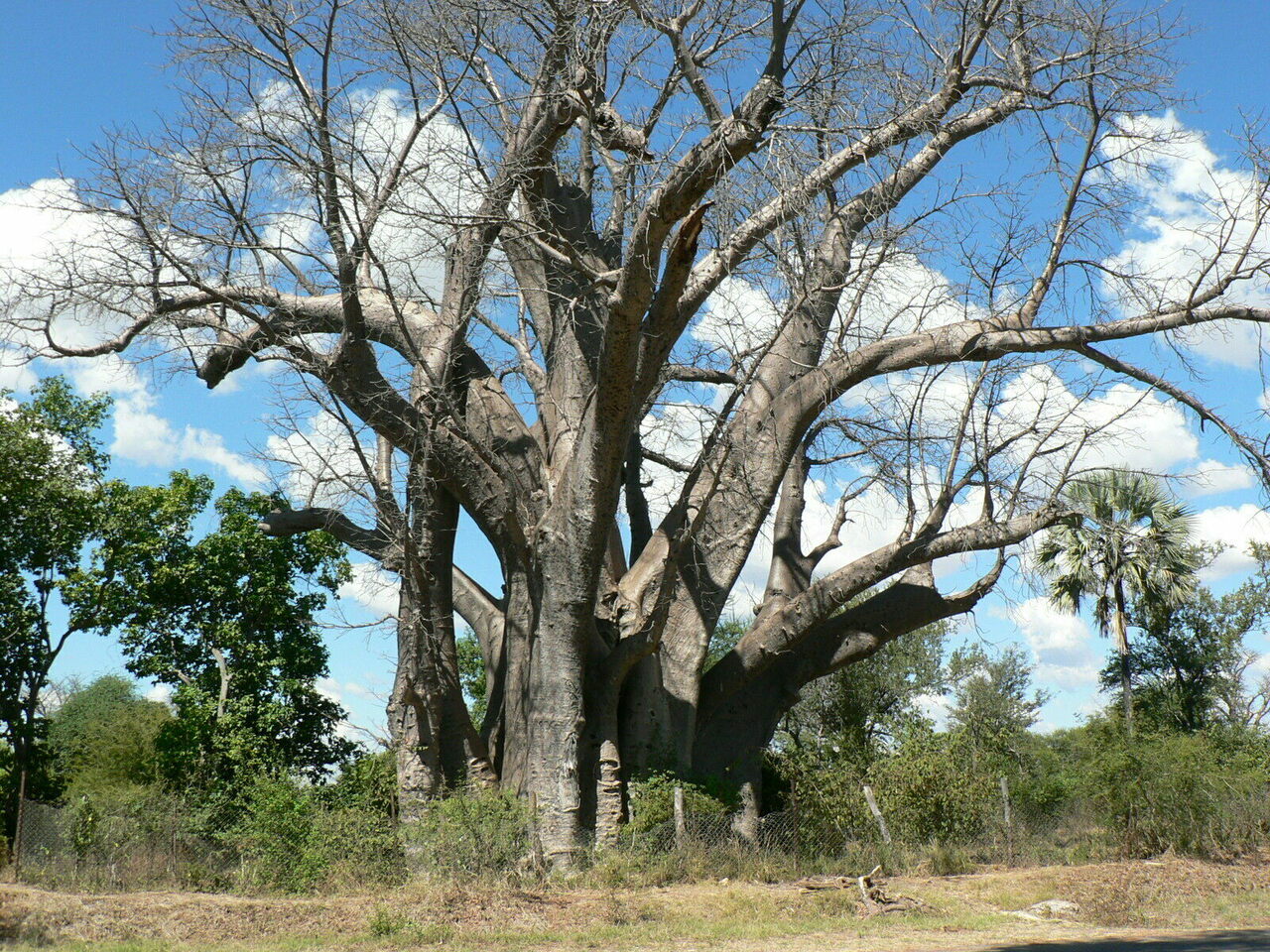
The Big Tree is a colossal structure, soaring over 80 feet in the air, around 75 feet in circumference, with bulky branches, many stems that make up its trunk, and a wide, gaping hole at its core.

The Big Tree is thought to be one of the largest and oldest African baobab trees in the world.

Once the team of three arrived at Victoria Falls, they immediately rented a car to see the Big Tree in person.

Advertisement

Its proximity to the falls, a major tourist destination, means that millions of visitors see it in a normal year, making it a sensation in its own right.

The sight did not disappoint, Patrut says.

“It was as if we had entered straight into a museum, into a well-known painting of a master, but we operated as scientists,” according to the nuclear chemist at Babes-Bolyai University in Romania.

Advertisement

“I circled the baobab and admired it from all possible angles.”

Patrut, who has been studying ancient trees for decades, and his team made the pilgrimage to study the growth, age, and architecture of the tree.

Dating ancient trees often involves counting “growth rings” that appear seasonally, a tried and true method that unfortunately doesn’t work well for baobabs.

Advertisement

These often massive trees have only very faint growth rings, and many have large cavities in their trunk and stems that confound attempts to date them.

Until recently, most of evaluations of African baobab trees have been “guesstimates,” he says.

But over the past decade, Patrut has been refining a more precise method for estimating the age of baobab trees: radiocarbon dating. Patrut has used it on trees across the continent: South Africa, Mozambique and Namibia.

Advertisement

For the Big Tree, his team found that its multiple stems have different ages, with its oldest one dating back to about 870, around the time that Vikings first sTo do this, the team inserted a T-shaped tool called an “increment borer” into different areas of the stems of the baobab.

The tool extracts tiny wood samples at different depths, which the team then treated and sent to a lab for dating.

The results show that the nine stems (including a “false” stem that emerged out of an adjacent one) can be lumped into three distinct generations.

Advertisement

There was the oldest one, at about 1,100 to 1,200 years old, a group that are around 600 to 700 years old, and another generation that dates to between 200 and 250 years ago.

The team also found that the oldest stems haven’t grown further for more than a century.ettled in Iceland.

“Stopped growing a hundred or so years ago—that’s an interesting finding,” says Bernd Kromer, a radiocarbon dating expert at Heidelberg University who was not involved in the research.

Advertisement

The stunting may be attributable to stress and age, but the tree is still alive and continues to produce leaves and flowers.

It’s unclear how baobabs can live for so long.

Patrut says that a tree’s capacity to periodically produce new stems that fuse together into the distinctive ring-shaped architecture allows them to persist and reach very large sizes.

Advertisement

Others say that monumental trees can have extremely long lives because they may be particularly resilient to external agents, including diseases, cancers, and pests.

Patrut’s study gives us insight into the “incredible strategies that trees use to cope with stress and old age,” says Livia Zapponi, an ecologist at the Edmund Mach Foundation, who has studied monumental trees and was not involved in the study.

The Big Tree is something of an outlier.

Advertisement

While there are more than 100 million African baobabs in the world, fewer than 100 are thought to be 1,000 years or more old, says Patrut.

All of them have inevitably endured countless threats, both acute and chronic.

The Big Tree is no exception: In the 1960s, it survived a violent storm that virtually destroyed the upper part of its canopy.

Advertisement

As climate change continues, African baobabs, especially older ones that rely on heavy rainfalls, could face scorching heat and prolonged drought can push them to their limits.

“[These are] very old trees that have survived for centuries, withstanding various abiotic and biotic factors including but not limited to extreme weather events,” says Patrut.

The Big Tree is large and old, but more than that, he says, it is resilient and adaptive—traits that are ever-more-critical in the face of an uncertain future – Atlas Obscura

Advertisement

Continue Reading
Click to comment

Leave a Reply

Your email address will not be published. Required fields are marked *

In the community

Hwange West MP demands urgent action after two killed by elephants in Victoria Falls

Published

on

BY NOKUTHABA DLAMINI 

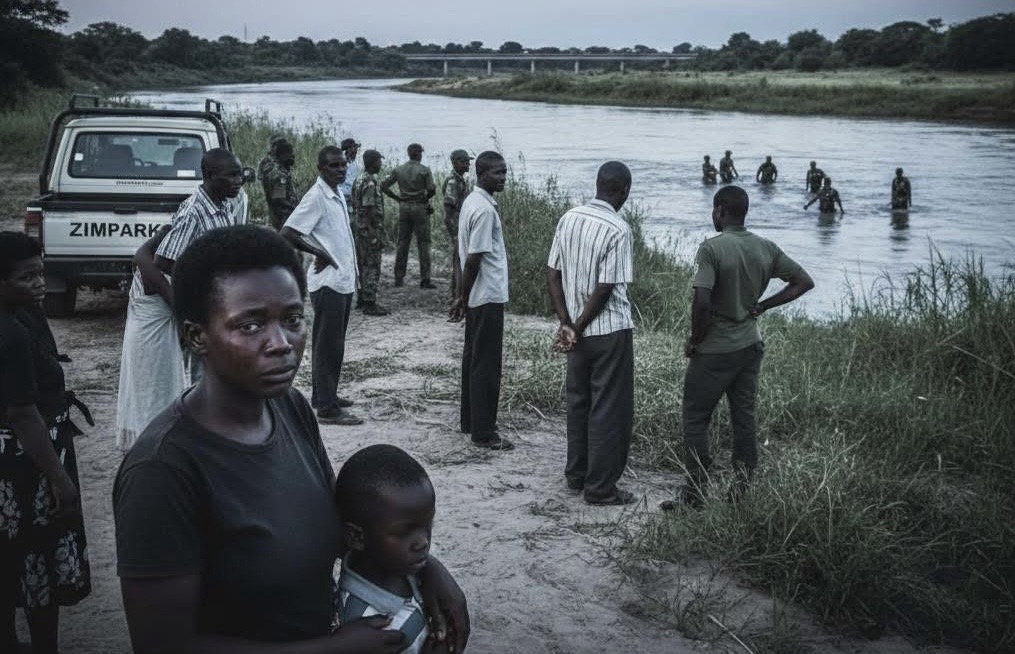
VICTORIA FALLS – Hwange West legislator Vusumuzi Moyo has called for urgent and decisive intervention to address escalating human-elephant conflict after two people were killed by elephants in Victoria Falls within the space of a week.

Advertisement

Rising on a point of national interest in the National Assembly, Moyo said the recent deaths had left families in mourning and exposed the growing danger faced by communities living near wildlife corridors.

“In closing, Mr Speaker Sir, I want to convey my message to two families within Victoria Falls. This happened within a week. They lost their lives because of this conflict,” Moyo said. “In a space of a week, two families are mourning the loss of their loved ones.”

Victoria Falls and surrounding communities, which border wildlife areas, have in recent years experienced increased incidents of elephants straying into residential areas, destroying crops and infrastructure, and in some cases fatally attacking residents.

Advertisement

Moyo told Parliament that the crisis must no longer be viewed solely as a conservation issue but as a matter of human dignity and national development.

“My issue is not merely about wildlife management. It is about national development, constitutional responsibility and ultimately, protecting human dignity,” he said.

He warned that communities from Kariba to Binga, and in tourism corridors around Victoria Falls, are “under siege” from escalating human-elephant conflict.

Advertisement

“Families are losing crops, infrastructure is being destroyed and tragically, lives continue to be lost. This House cannot ignore the cries of rural citizens who coexist with wildlife every day,” Moyo said.

The Hwange West MP defended previous government decisions to cull elephants in high-conflict zones, arguing that such measures were sometimes necessary to restore ecological balance and protect human life.

“These are not acts of recklessness but acts of necessity because conservation must never come at the expense of human survival,” he said.

Advertisement

While acknowledging the importance of non-lethal measures such as fencing and translocation, Moyo said in some areas those interventions were no longer sufficient on their own.

He urged authorities to urgently implement provisions of the Parks and Wildlife Act, promulgated on 28 November 2025, particularly in communities bordering national parks.

“It is my sincere hope that the implementation of the Parks and Wildlife Act… will be taken to the areas that border within national parks so that people appreciate and that the regulations can be done as fast as possible,” he said.

Advertisement

Moyo stressed that Parliament must strike a balance between conservation and protecting human life.

“The people are not asking Parliament to choose between elephants and human beings. They are asking us to restore the balance,” he said.

The latest fatalities have renewed debate in Victoria Falls over how authorities can better safeguard residents while maintaining Zimbabwe’s strong conservation reputation.

Advertisement

Continue Reading

Slider

Hwange lion DNA helps convict poachers for first time

Published

on

BY BBC

Lion DNA has been used to successfully prosecute poachers for the first time in the world, it has emerged.

Advertisement

Wildlife crime experts have only just revealed how they were able to identify the individual animal from body parts found in a suspect’s village, as they matched a profile on Zimbabwe’s lion database.

A blood sample had previously been taken from the male lion, which was being tracked by authorities in Hwange National Park – using a radio collar.

Two poachers were convicted for the 2024 incident and sent to prison in what is thought to be the first prosecution of its kind.

Advertisement


The details of the convictions and the role the DNA database played have been previously unknown.

Non-governmental organisation (NGO) Traffic, which works to combat the illegal trade in wildlife, has shared the detail with us.

Advertisement

In May 2024, authorities in Hwange National Park became suspicious after a radio collar worn by a male lion stopped working.

Investigators and police traced its last known position and found a snare with lion fur attached to it.

After collecting forensic evidence they questioned two men in a nearby village and discovered three sacks of meat, 16 lion claws and four teeth. These body parts would later be tested against the database, with the DNA from all matching the profile of that missing lion.

Advertisement

But possessing lion parts is not necessarily a crime in Zimbabwe.

Having them can be explained away as old, traditional ornaments or as coming from an animal that died of natural causes.

This has been an obstacle to prosecutions in the past.

Advertisement

But thanks to a breakthrough in DNA profiling, that’s now changed.

The lab generated a DNA profile from the recovered body parts and compared this to the profile previously generated from a blood sample of the lion with the radio collar.

The two profiles matched and scientists were able to identify the specific missing animal.

Advertisement

Over the last eight years the Victoria Falls Wildlife Trust (VFWT) has received about £250,000 from the People’s Postcode Lottery in the UK to build up the DNA database of lions in Zimbabwe.

The scientist at the trust, who made the discovery, asked to remain anonymous for his own safety, but said:

“Before we had access to this technology, we were only able to do species identification, but sometimes that’s not enough.

Advertisement

“We can essentially match those claws or those products to the lion of interest that we are looking for.”

Within 10 days of the killing, the DNA evidence was presented in court.

Two men pleaded guilty and were given 24 month prison sentences.

Advertisement

The hearing was told the value of the lion was about $20,000.

Richard Scobey, Traffic’s executive director, said “countries now have the forensic capability to bring, solid science-based evidence to court” and that it will have global impact.

This is understood to be the first time that DNA from an individual lion has been identified and used to prosecute poachers.

Advertisement

Professor Rob Ogden has been closely involved in setting up the project and is co- founder of the organisation Trace, which promotes the use of forensic science in wildlife law enforcement.

He says the prosecution gives “a message of hope” and shows what can be done using a combination of training, research and development and forensic casework.

Recent figures suggest an increase in the number of lions being killed for their body parts which are then sold both as cultural objects in Africa and for traditional Chinese medicine.

Advertisement

It is thought the rise may be down to organised crime gangs also involved in the illegal trade in Rhino horn and ivory trafficking.

In Mozambique between 2010 and 2023, 426 lions were killed as a result of contact with humans with a quarter linked to deliberate poaching.

A measure of the scale of the trade is also the number of seizures by the authorities in recent years.

Advertisement

That includes 17 lion skulls found in Lusaka in 2021, reportedly en-route from South Africa, and a 2023 seizure in Maputo of more than 300kg of lion body parts.

Which is why this breakthrough on DNA identification is seen as sending an important message to would-be poachers.


Advertisement

Continue Reading

Slider

Nominations open for 2026 Tusk Conservation Awards

Published

on

BY WANDILE TSHUMA 

Nominations have opened for the 14th edition of the Tusk Conservation Awards, offering global recognition and £225,000 (about UGX 1.1 billion) in grant funding to Africa’s leading conservationists.

Advertisement

The awards, held in partnership with Ninety One, celebrate African-led solutions protecting wildlife, landscapes and livelihoods. Three winners will be selected from hundreds of nominations across the continent and honoured at a ceremony expected to be held in London later this year.

This year’s prize money will be distributed across three categories: £100,000 (UGX 480 million) for the Prince William Award, £75,000 (UGX 360 million) for the Tusk Award, and £50,000 (UGX 240 million) for the Tusk Wildlife Ranger Award.

Speaking at last year’s awards, Tusk’s Royal Patron, Prince William, said communities and local conservation leaders often provide the most practical solutions to sustaining biodiversity and natural landscapes.

Advertisement

“It is so often communities and local conservation leaders who provide the practical solutions to how we can best sustain our precious natural landscapes and vital biodiversity,” he said. “Identifying and supporting locally-led conservation has always been at the heart of Tusk’s ethos.”

Since their launch in 2013, the awards have recognised 61 winners and finalists from 23 African countries. Past recipients have used grant funding to expand ranger patrols, secure wildlife corridors, equip community conservancies and create sustainable livelihoods linked to conservation.

Examples of supported initiatives include protecting gorillas in eastern Congo, conserving turtles in Sierra Leone, restoring forests in Madagascar and dismantling poaching syndicates in Zimbabwe. Organisers say the funding is designed to be catalytic, enabling winners to scale their impact and attract long-term investment.

Advertisement

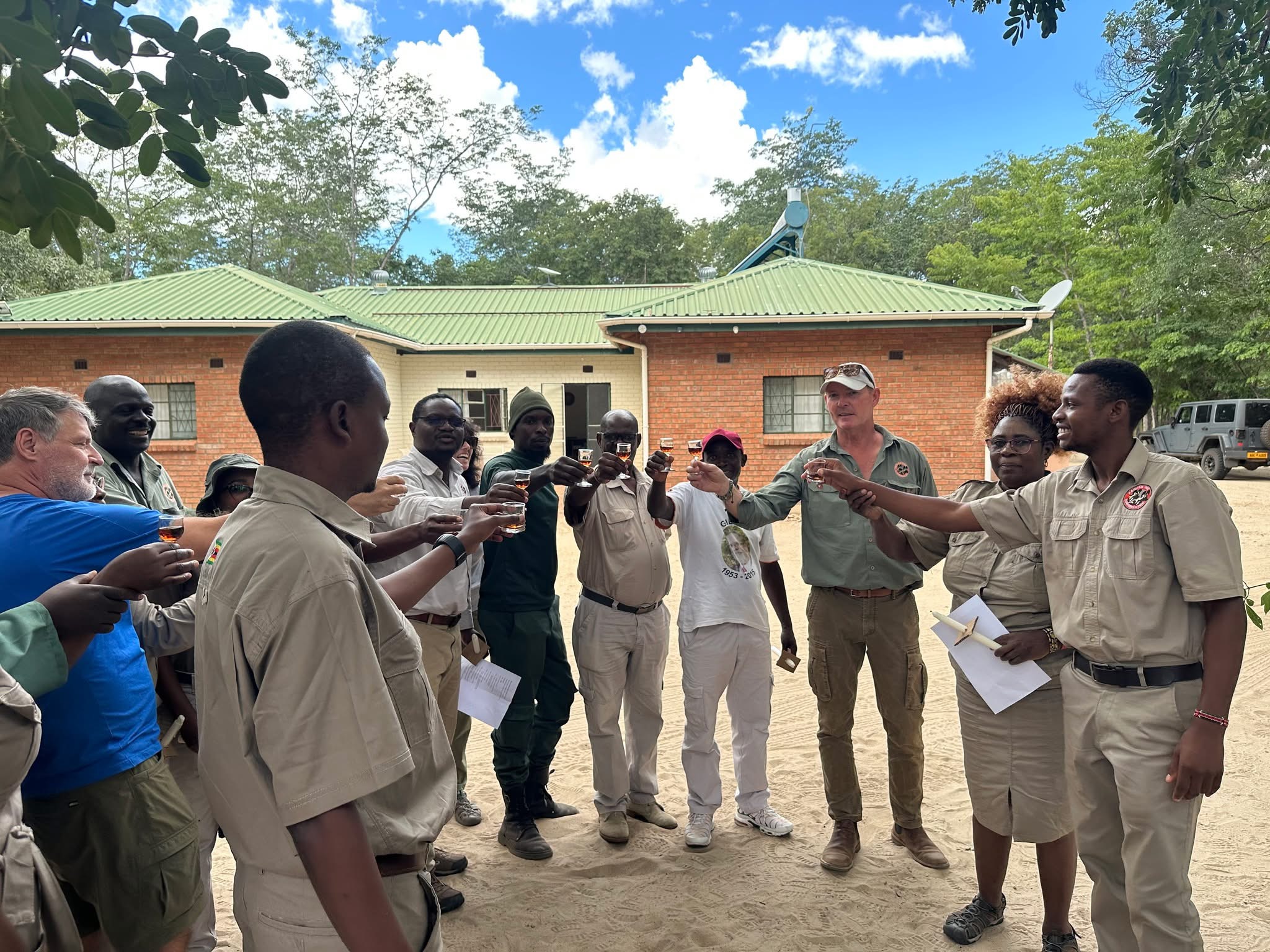
Nick Bubb, Chief Executive Officer of TUSK, said the awards highlight the courage and commitment of individuals working in challenging and often dangerous conditions.

“We encourage anyone who knows an individual or ranger team who has made a significant impact on wildlife conservation to nominate them for this once-in-a-lifetime opportunity to have their achievements recognised on a global stage,” Bubb said.

In a significant development this year, the Tusk Wildlife Ranger Award has been expanded to recognise ranger teams alongside individual rangers, reflecting what organisers describe as the collaborative nature of modern conservation efforts.

Advertisement

The expanded category aligns with Tusk’s broader ranger programmes, including the Wildlife Ranger Challenge and the Ranger Welfare and Standards Initiative, which supports more than 6,200 rangers with training, equipment and insurance.

Nominations are open to conservation leaders across Africa and do not require nominees to be existing Tusk partners. However, individuals cannot nominate themselves and must be put forward confidentially by someone familiar with their work.

Nominations will close on the 26th of April and must be submitted online.

Advertisement

Continue Reading

Trending

Copyright © 2022 VicFallsLive. All rights reserved, powered by Advantage