Connect with us

Tourism and Environment

How old is Victoria Falls’ famed ‘Big Tree’?

Published

on

BY JONATHAN MOENS

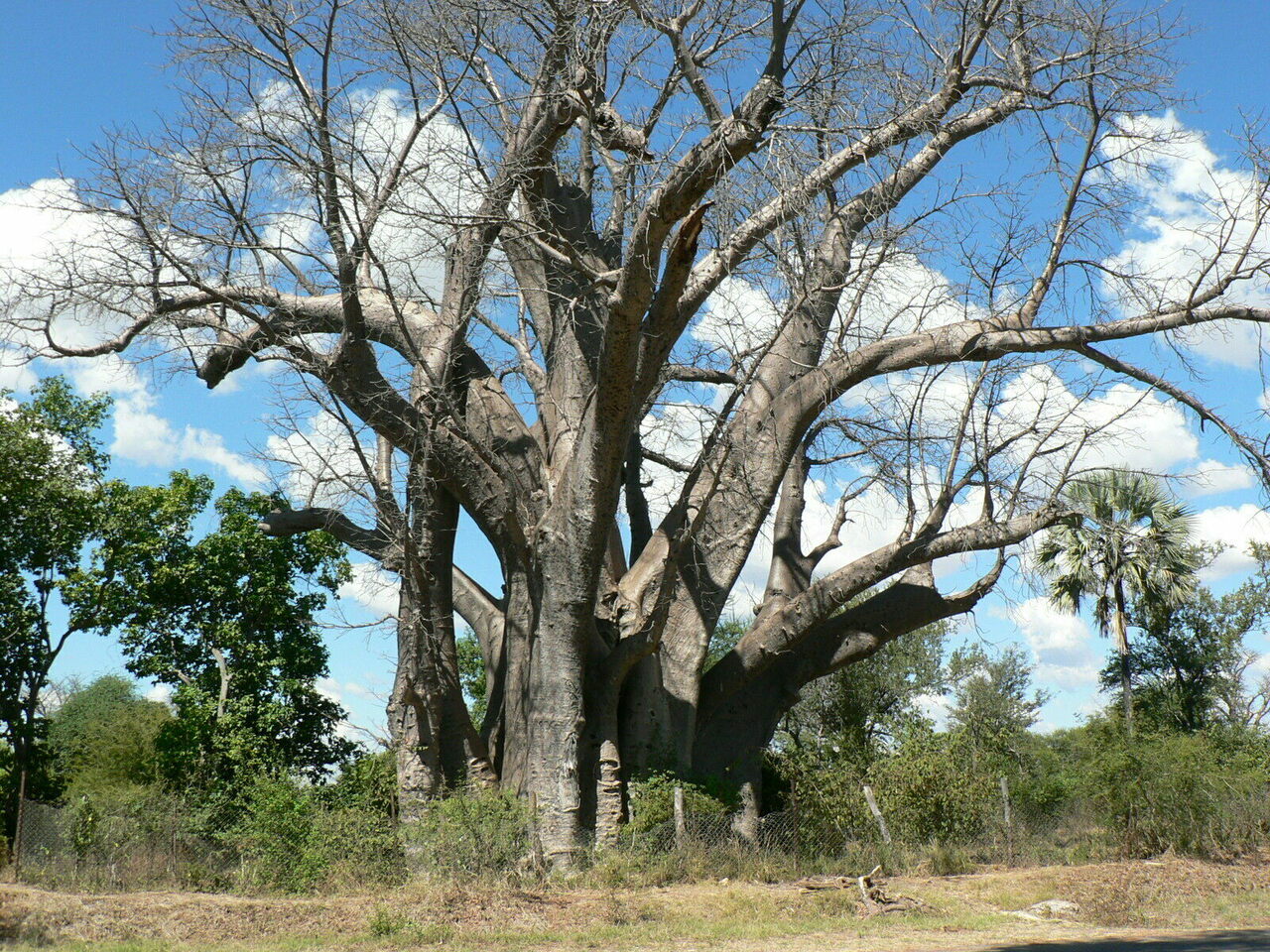
Patrut and his team flew in from three different continents to study the “Big Tree” at Victoria Falls in Zimbabwe, and for good reason.

Advertisement

The Big Tree is a colossal structure, soaring over 80 feet in the air, around 75 feet in circumference, with bulky branches, many stems that make up its trunk, and a wide, gaping hole at its core.

The Big Tree is thought to be one of the largest and oldest African baobab trees in the world.

Once the team of three arrived at Victoria Falls, they immediately rented a car to see the Big Tree in person.

Advertisement

Its proximity to the falls, a major tourist destination, means that millions of visitors see it in a normal year, making it a sensation in its own right.

The sight did not disappoint, Patrut says.

“It was as if we had entered straight into a museum, into a well-known painting of a master, but we operated as scientists,” according to the nuclear chemist at Babes-Bolyai University in Romania.

Advertisement

“I circled the baobab and admired it from all possible angles.”

Patrut, who has been studying ancient trees for decades, and his team made the pilgrimage to study the growth, age, and architecture of the tree.

Dating ancient trees often involves counting “growth rings” that appear seasonally, a tried and true method that unfortunately doesn’t work well for baobabs.

Advertisement

These often massive trees have only very faint growth rings, and many have large cavities in their trunk and stems that confound attempts to date them.

Until recently, most of evaluations of African baobab trees have been “guesstimates,” he says.

But over the past decade, Patrut has been refining a more precise method for estimating the age of baobab trees: radiocarbon dating. Patrut has used it on trees across the continent: South Africa, Mozambique and Namibia.

Advertisement

For the Big Tree, his team found that its multiple stems have different ages, with its oldest one dating back to about 870, around the time that Vikings first sTo do this, the team inserted a T-shaped tool called an “increment borer” into different areas of the stems of the baobab.

The tool extracts tiny wood samples at different depths, which the team then treated and sent to a lab for dating.

The results show that the nine stems (including a “false” stem that emerged out of an adjacent one) can be lumped into three distinct generations.

Advertisement

There was the oldest one, at about 1,100 to 1,200 years old, a group that are around 600 to 700 years old, and another generation that dates to between 200 and 250 years ago.

The team also found that the oldest stems haven’t grown further for more than a century.ettled in Iceland.

“Stopped growing a hundred or so years ago—that’s an interesting finding,” says Bernd Kromer, a radiocarbon dating expert at Heidelberg University who was not involved in the research.

Advertisement

The stunting may be attributable to stress and age, but the tree is still alive and continues to produce leaves and flowers.

It’s unclear how baobabs can live for so long.

Patrut says that a tree’s capacity to periodically produce new stems that fuse together into the distinctive ring-shaped architecture allows them to persist and reach very large sizes.

Advertisement

Others say that monumental trees can have extremely long lives because they may be particularly resilient to external agents, including diseases, cancers, and pests.

Patrut’s study gives us insight into the “incredible strategies that trees use to cope with stress and old age,” says Livia Zapponi, an ecologist at the Edmund Mach Foundation, who has studied monumental trees and was not involved in the study.

The Big Tree is something of an outlier.

Advertisement

While there are more than 100 million African baobabs in the world, fewer than 100 are thought to be 1,000 years or more old, says Patrut.

All of them have inevitably endured countless threats, both acute and chronic.

The Big Tree is no exception: In the 1960s, it survived a violent storm that virtually destroyed the upper part of its canopy.

Advertisement

As climate change continues, African baobabs, especially older ones that rely on heavy rainfalls, could face scorching heat and prolonged drought can push them to their limits.

“[These are] very old trees that have survived for centuries, withstanding various abiotic and biotic factors including but not limited to extreme weather events,” says Patrut.

The Big Tree is large and old, but more than that, he says, it is resilient and adaptive—traits that are ever-more-critical in the face of an uncertain future – Atlas Obscura

Advertisement

Continue Reading
Click to comment

Leave a Reply

Your email address will not be published. Required fields are marked *

Slider

A guardian’s legacy: PDC honours Greg ‘Gibby’ Gibbard as painted dog successes grow

Published

on

BY NOKUTHABA DLAMINI

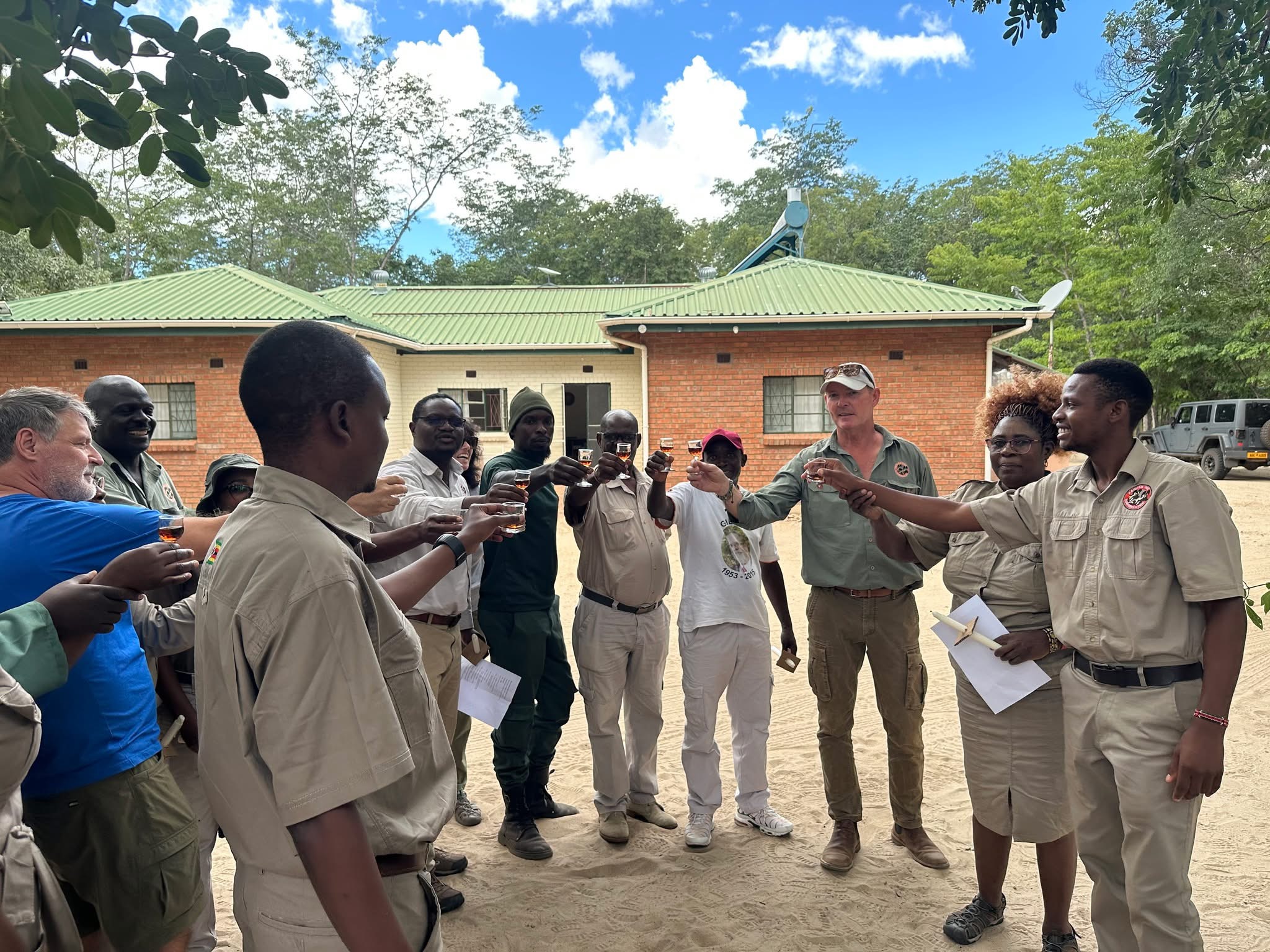
In a poignant tribute that has resonated across the conservation community, Painted Dog Conservation (PDC) recently gathered to honour the memory of Greg ‘Gibby’ Gibbard, a man whose life was inextricably linked to the survival of the African wild dog. Gibbard, who passed away in 2015, is being remembered not just for his years of service, but for a legacy that continues to safeguard one of the continent’s most endangered predators.

Advertisement

The Facebook remembrance, shared by Maria of PDC, highlights a life defined by “unwavering courage” and a refusal to let the story of the painted dog end. While the region continues to grapple with intense poaching pressure—including a recent surge in illegal traps that has seen thousands of snares removed from the bush—the focus of this week’s memorial is on the “hope and resilience” that Gibbard instilled in the mission.
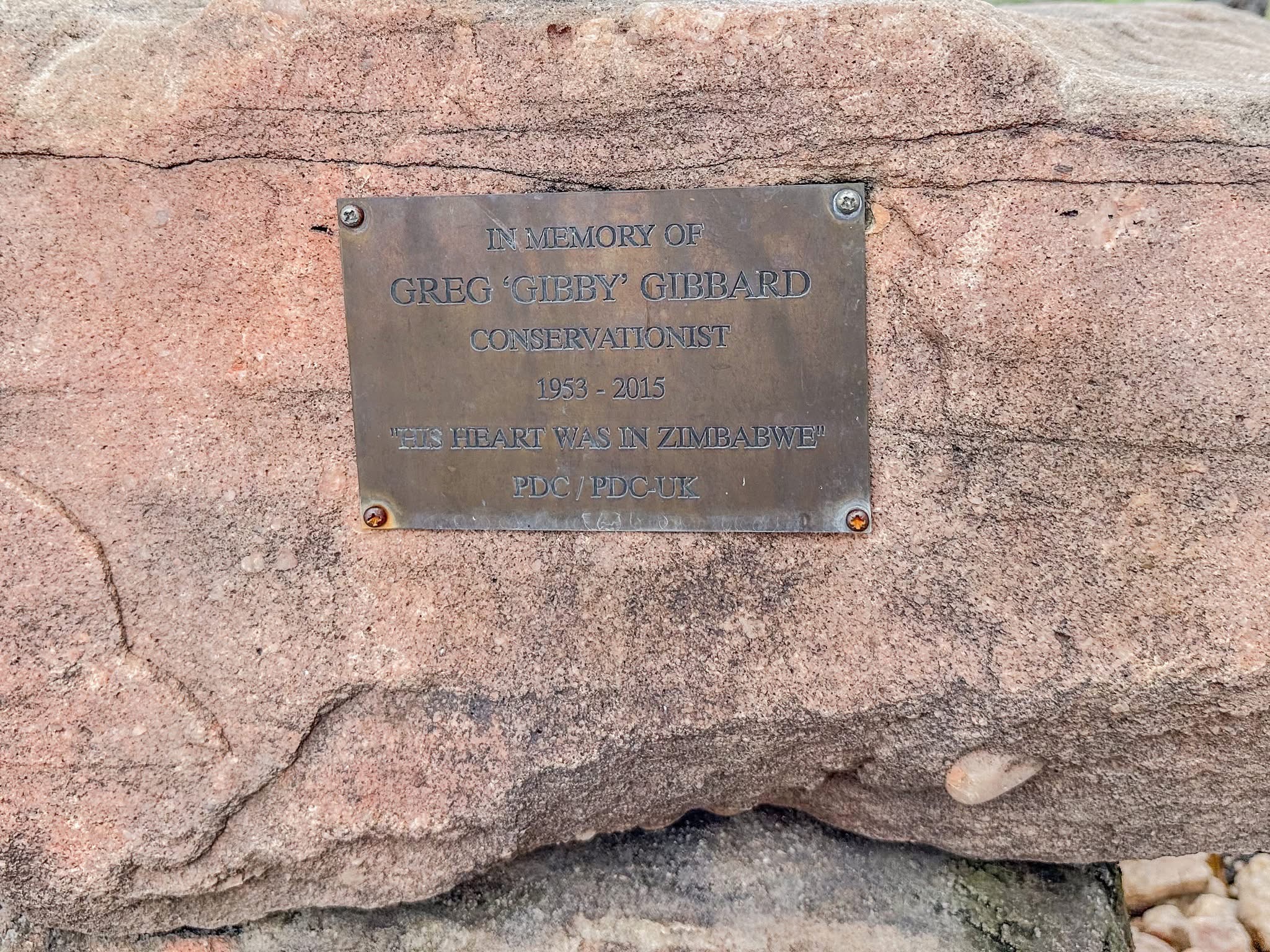
Tracking Footprints in the Sand

For those who knew him, Greg’s work was far from the polished image of modern wildlife tourism. It was characterized by “long days in the bush, tracking fading footprints in dust and sand,” and the relentless, often exhausting effort of “educating communities and inspiring young conservationists.”

Maria noted that Gibbard stood as a “guardian of a species that many had forgotten,” recognizing early on that the survival of the patchwork-coated dogs was “inseparable from our own future.” His dedication spanned “sleepless nights worrying about disease and disappearing habitat,” a commitment that laid the foundation for the sophisticated tracking and research operations used by PDC today.

Advertisement

A Legacy of Resilience: The Umkhonto Pack

The success of modern interventions is widely seen as a continuation of Gibbard’s vision. A primary example is the Umkhonto Pack, which has become a “flagship example of science-driven, field-based conservation”.
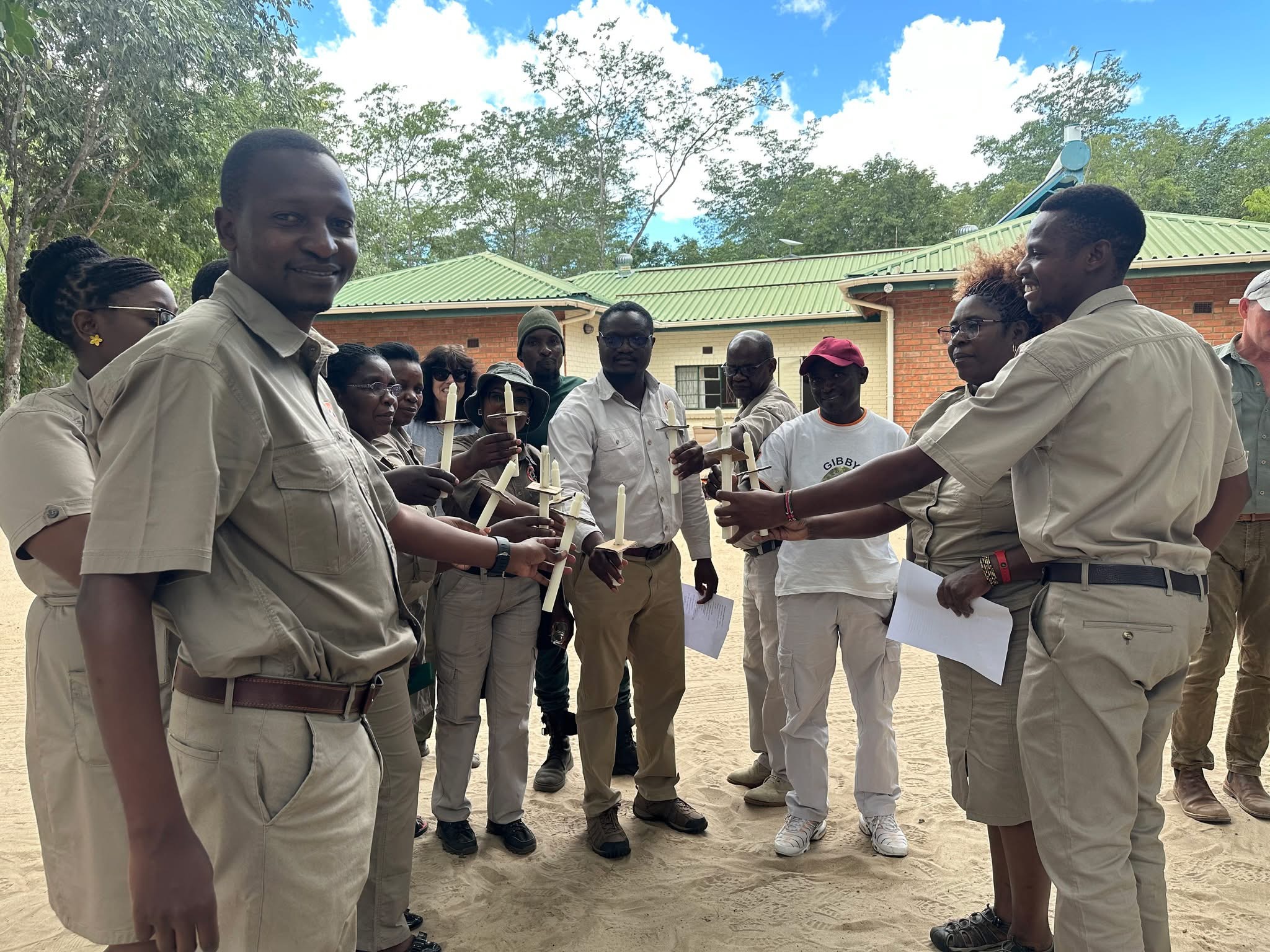
Image by PDC

Though the park faces ongoing challenges with illegal snaring in communal areas, the protection of this specific pack has been a resounding victory. According to the latest PDC data:

Eight healthy pups were successfully raised during the last denning season with no mortalities .
 The pack has stabilized at 19 individuals , now ranging within the safety of Hwange National Park.
The integration of research and tracking technology—methods Gibbard championed—led to the arrest of eleven poachers in the pack’s territory.

Advertisement

The “Shadows of the Savanna” Live OnAs the conservation community marks a decade since his passing, the presence of these “remarkable predators” remains the ultimate tribute to his life. The current population in the Hwange and Sinamatela regions is robust, with several monitored packs carrying the torch of his efforts.

The Emerald pack, which has reached 22 individuals, and the Batsha pack , with 20 dogs, are thriving examples of the “unbreakable family bonds” Maria spoke of in her tribute . Other groups, including the Kingsbury, Linkwasha, Chowato, Cave, Intundla, Khumbula, and Garikamwe packs, continue to move like “shadows across the savanna at sunrise,” fulfilling Gibbard’s dream of a wilderness that still echoes with their high-pitched calls.

“May we honour Greg’s memory not only with words, but with action,” the tribute concluded.

Advertisement

Continue Reading

Slider

Tourism bill clears National Assembly, moves to Senate

Published

on

BY NOKUTHABA DLAMINI 

Zimbabwe’s Tourism Act Amendment Bill has been passed by the National Assembly and now awaits debate in the Senate, marking a key step towards overhauling the country’s tourism sector.

Advertisement

According to the explanatory memorandum, “This Bill seeks to establish a Zimbabwe Tourism Authority that is responsible for the regulation for the tourism and hospitality industry, and the marketing of destination Zimbabwe.” 

The proposed law strengthens the role of the Zimbabwe Tourism Authority (ZTA), which will regulate, license and promote the industry. It also introduces stricter compliance measures for tourism operators.

Under the new provisions, registration and grading of facilities will be mandatory. The Bill states: “no person shall conduct or operate that designated tourist facility unless it is registered and graded.” 

Advertisement

Authorities will also have enforcement powers, including shutting down non-compliant operators.

The legislation further extends regulation to online accommodation platforms, a growing segment in the tourism sector. It stipulates that: “All hosts must register with the Authority… before listing a property on an accommodation booking platform.” 

To support industry growth, the Bill proposes the creation of a dedicated fund. It notes: “There is hereby established a fund to be known as the Zimbabwe Tourism Fund,” which will be used for “the development and promotion of the tourism and hospitality industry.” 

Advertisement

Sustainability and inclusivity are also central to the new law. The Bill provides that: “All tourism policies, programs, and projects shall incorporate the principles of sustainable development.” 

It further emphasises inclusion, stating that tourism development must mainstream “gender equality, disability inclusion, and the rights of indigenous peoples.” 

Once enacted, the law will replace the current Tourism Act. The Bill clearly states it seeks “to repeal the Tourism Act [Chapter 14:20].” 

Advertisement

The Bill now proceeds to the Senate, where lawmakers are expected to debate its provisions before it can be sent for presidential assent.

Advertisement
Continue Reading

Slider

MP probes Binga tourism, climate and conservation plans

Published

on

BY WANDILE TSHUMA 

Binga South legislator, Fanuel Cumanzala has called for clarity on tourism development and environmental protection in the Zambezi Valley.

Advertisement

In a parliamentary hearing, Cumanzala asked the Minister of Environment, Climate and Wildlife:

“The plans the Ministry has in place to develop and promote tourism in Binga District, particularly around the Zambezi River, in order to enhance local economic development and create employment opportunities for residents.” 

He added:

Advertisement

“The programmes being implemented to ensure that local communities in Binga District directly benefit from tourism.” 

Further questions focused on sustainability and climate resilience:

“What measures are in place to ensure the protection and sustainable management of natural tourism assets in the Zambezi Valley, including wildlife, rivers and forests, in order to prevent environmental degradation.” 

Advertisement

“The efforts being made to combat poaching in the Zambezi Valley, particularly in Binga District, and how local communities are being involved in wildlife protection initiatives.” 

“The climate adaptation strategies being implemented to assist communities in Binga District in coping with droughts, floods, and other climate-related challenges affecting the Zambezi Valley.” 

No ministerial responses were recorded.

Advertisement

Continue Reading

Trending

Copyright © 2022 VicFallsLive. All rights reserved, powered by Advantage