BY STAFF REPORTER
Zimbabwe is facing a deepening environmental and public health emergency driven by unchecked mining activities, with environmental experts warning that the situation has escalated into a national security concern.
The alarm was raised during discussions aired on recently at CITE, where environmental leaders unpacked the scale of ecological damage unfolding across the country.
Centre for Natural Resource Governance (CNRG) Executive Director Farai Maguwu said Zimbabwe’s mining boom has reached crisis levels, fuelled largely by economic decline and the collapse of formal employment.
“Mining has become the default survival strategy for many Zimbabweans,” Maguwu said, noting that widespread job losses and industrial shutdowns have pushed communities toward extractive activities as a quick source of income.
He warned that weak governance has allowed mining to spread into protected and ecologically sensitive areas, despite existing policies that prohibit such activities.
“We are seeing mountains disappearing and rivers being destroyed. Even with a ban on riverbed mining, enforcement has collapsed,” Maguwu said.
According to Maguwu, mining has encroached into UNESCO heritage sites and protected zones such as Mavuradona Wilderness, while areas like Shurugwi and Poterekwa Mountain have suffered extensive damage.
More concerning, he alleged that some law enforcement agents and senior officials are complicit in environmental destruction.
“In places like Penhalonga, elements within the police, military, senior government structures and intelligence services are allegedly part of mining syndicates,” he said, warning that the crisis now threatens national stability.
Maguwu also highlighted the dangers of mining beneath roads and residential areas, which he said could result in catastrophic collapses and flash floods.
“They are creating underground dams in mountains. When these give way, people will be swept away,” he said.
He criticised what he described as a lack of urgency from authorities in responding to the scale of destruction.
“If government is concerned about the future of this country, the current level of environmental damage should be setting off alarm bells,” Maguwu said.
He further explained that the shift from underground mining to open-cast methods has accelerated deforestation, land degradation and loss of agricultural land, undermining food security.
The uncontrolled use of toxic substances such as mercury and cyanide, particularly during the rainy season, has also heightened contamination risks.
“These chemicals are being dumped indiscriminately, with no punitive measures in place,” he said, warning that rainfall washes toxins into rivers, dams and streams.
Maguwu expressed particular concern for rural communities dependent on untreated water from shallow wells, especially in Marange and Matabeleland North.
“People are drinking contaminated water. The long-term health consequences are devastating and still unfolding,” he said, describing the crisis as an “environmental Armageddon.”
Similar concerns were echoed by Nkosikhona Sibanda, Executive Director of the Centre for Environmental and Corporate Accountability Research (CECAR), who said the crisis is nationwide.
In Matabeleland North, Sibanda said mining activity—particularly by Chinese-owned companies—has intensified in areas such as Hwange, Kamativi in Binga, and surrounding districts.
“When communities hear about foreign investment, they expect development. Instead, they are experiencing severe environmental degradation,” Sibanda said.
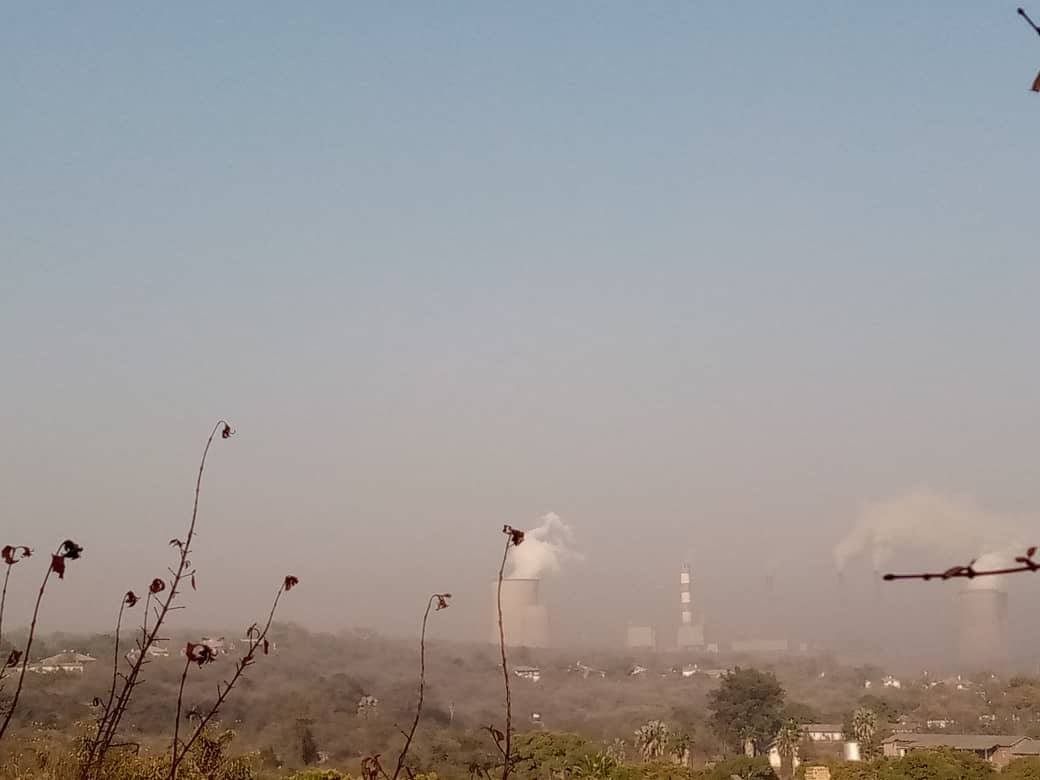
Studies conducted between 2024 and 2025, he added, revealed dangerous levels of air pollution in Hwange.
“The results were shocking. Air quality is far beyond safe limits, and people are breathing toxic substances daily,” Sibanda said.
Health facilities in affected areas have reportedly recorded a rise in respiratory illnesses and chronic diseases, underscoring the growing human cost of environmental neglect.
“This is no longer just an environmental issue—it is a public health emergency,” Sibanda said.
This report is based on information originally published by the Centre for Innovation and Technology (CITE).




 Slider3 years ago
 National4 years ago
 Tourism and Environment4 years ago
 Opinion4 years ago
 Special reports4 years ago
 National4 years ago
 National3 years ago
 National3 years ago
Pingback: Zimbabwe, Zambia Fail to Finish Kariba Water Allocation For Electricity Generation - Lite News by Pindula