Connect with us

National

Zimbabwe health workers strike after rejecting 100 percent pay rise

Published

on

HARARE – Zimbabwean health workers went on strike on Monday after rejecting a 100% wage hike offer last week, pressing their demand for payment in United States dollars as the local currency slumps.

Zimbabwe’s main nurses’ union urged the government to negotiate and warned that lives would be lost if the dispute was not resolved quickly.

Advertisement

The government and health workers are at an impasse after inflation jumped to 131.7 percent in May, a grim echo of the hyperinflation that wiped out people’s savings a decade ago.

Government workers rejected the below-inflation 100% wage hike offer on Friday.

At Sally Mugabe Hospital in Harare, patients seeking treatment sat in the courtyard while doctors, nurses, radiographers and pharmacists left their workplaces to protest.

Advertisement

“The salaries that the health workers received last week were pathetic,” Enock Dongo, head of the Zimbabwe Nurses’ Association, told Reuters, adding that the majority were paid 20,000 Zimbabwe dollars (US$53) a month.

He said health professionals across the country had decided to strike until they were paid US$540 a month, the pay they used to receive in 2018 before the local currency slumped.

A government spokesperson did not immediately respond to a request for comment.

Advertisement

President Emmerson Mnangagwa, who took over from longtime leader Robert Mugabe in a 2017 coup, has struggled to end an economic crisis that started under his predecessor. – Reuters


Advertisement

Continue Reading
Click to comment

Leave a Reply

Your email address will not be published. Required fields are marked *

National

Government to reward top-performing schools nationwide

Published

on

BY NOSIZO MPOFU

The Ministry of Primary and Secondary Education has launched a new national initiative to promote and reward academic excellence across Zimbabwe’s education system, Minister Torerayi Moyo has announced.

Advertisement

In a post on X, Minister Moyo said the programme will recognise and award the top 10 best-performing schools in each province, based on their 2025 pass rates at Grade Seven, Ordinary Level and Advanced Level.

“The recognition is a celebration of high-performing schools that have consistently demonstrated a strong commitment to academic achievement and the holistic development of learners,” said Moyo. He added that the initiative aligns with the Government’s commitment to providing equitable, inclusive and quality education, in line with Sustainable Development Goal 4 (SDG 4).

In addition to provincial awards, the ministry will also identify and reward the top five best-performing schools nationally in the 2025 Zimbabwe School Examinations Council (ZIMSEC) and Cambridge examinations. These schools will be honoured on 20 March 2026.

Advertisement

According to the minister, the recognised institutions will serve as “beacons of excellence and inspiration,” setting benchmarks for quality education and academic performance across the country.

Minister Moyo also called on individuals, corporates, well-wishers and development partners to support the initiative through sponsorships, awards, grants and other forms of assistance.

“This support will go a long way in motivating our hardworking teachers and headmasters,” he said.

Advertisement

Those interested in supporting the programme have been advised to contact the Ministry of Primary and Secondary Education Head Office through official communication channels.

Advertisement
Continue Reading

National

79 dead as floods hit communities

Published

on

BY STAFF REPORTER

As the Zimbabwe enters the peak of its rainy season from January to March, communities across the country are being urged to remain on high alert following the deaths of 79 people due to flooding and rain-related disasters since October last year.

Advertisement

Speaking to the Herald newspaper, Department of Civil Protection Chief Director Nathan Nkomo said the department is closely monitoring the situation as more severe weather is expected in the coming weeks.

“We anticipate significant rainfall during this period. It’s crucial for everyone to stay informed and take necessary precautions,” Nkomo said.

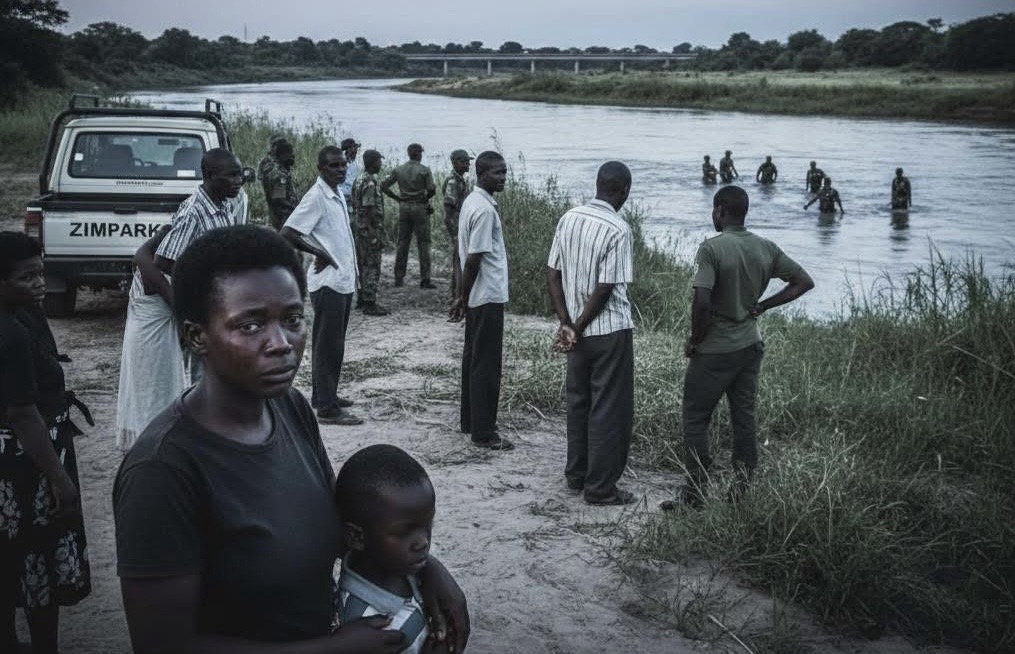
According to the Department of Civil Protection, many of the deaths and injuries recorded since the start of the 2025/2026 rainfall season resulted from people attempting to cross flooded rivers and mining-related accidents, particularly involving artisanal miners operating near waterways.

Advertisement

“The statistics reveal a worrying trend of fatalities and injuries during this rainfall season,” Nkomo said.

Infrastructure worth more than US$1 million has also been damaged, disrupting livelihoods and access to essential services in several communities.

In response, Government has released funding towards disaster management and emergency response through a coordinated, multi-sectoral approach, involving security services and other stakeholders as outlined in the Civil Protection Act. Nkomo said the initial tranche of funds has already strengthened rescue operations.

Advertisement

“The money that was availed is not enough, but it is the first tranche. We are expecting another tranche from Treasury later this month to bolster our disaster response capabilities,” he said.

Authorities are urging communities to take an active role in disaster preparedness by monitoring weather forecasts, avoiding flooded areas, and implementing local emergency plans. Schools and community organisations have also been encouraged to conduct safety drills and ensure emergency procedures are well communicated.

With heavy rains expected to continue, officials warn that community vigilance and preparedness will be key in preventing further loss of life.

Advertisement

SOURCE: HERALD

Advertisement
Continue Reading

National

Government warns farmers to step up tick control as January Disease threat looms

Published

on

BY STAFF REPORTER

The Ministry of Lands, Agriculture, Fisheries, Water and Rural Development has urged livestock farmers across Zimbabwe to heighten disease surveillance and tick control measures as the 2026 rainy season continues, warning of an increased risk of January Disease (Theileriosis).

Advertisement

In a farmer advisory posted on the Ministry’s official Facebook page, authorities said the tick-borne disease spreads rapidly under warm and wet conditions and can decimate entire cattle herds if not effectively controlled.

The Ministry emphasised that weekly cattle dipping is mandatory during the rainy season, in line with Government policy to curb the spread of the brown ear tick, the primary carrier of January Disease. Farmers were urged to pay dipping levies, ensure correct acaricide dilution as per manufacturers’ instructions, and utilise spray races where possible for improved effectiveness.

In high-risk areas or during active outbreaks, farmers may be directed to follow a 5:5:4 dipping regime, involving more frequent dipping intervals. The Ministry also recommended the use of tick grease on sensitive areas such as inside the ears, the udder and under the tail.

Advertisement

As part of broader prevention efforts, the Ministry said the locally produced BOLVAC vaccine is now available in increased quantities, with farmers encouraged to contact their local veterinary offices to access the vaccine.

Farmers were further advised to conduct daily inspections of their cattle and remain alert to early warning signs of January Disease, which include swollen lymph nodes, loss of appetite, breathing difficulties, frothing, watery or cloudy eyes, fever and general weakness.

The Ministry reminded farmers that all suspected cases or sudden cattle deaths must be reported to the Directorate of Veterinary Services within 24 hours, stressing that the movement of sick or tick-infested animals is prohibited as it contributes to the spread of the disease.

Advertisement

Failure to comply with dipping regulations constitutes an offence under the Animal Health Act, with penalties that may include fines or arrest, the Ministry warned.

Farmers requiring assistance or wishing to report suspected cases were advised to contact their local Veterinary Extension Officer or the Ministry of Lands, Agriculture, Fisheries, Water and Rural Development.

“Prevention saves wealth,” the Ministry said, urging farmers to take proactive measures to protect their herds.

Advertisement

Continue Reading

Trending

Copyright © 2022 VicFallsLive. All rights reserved, powered by Advantage