Connect with us

Slider

Zesa, power producer embroiled in currency dispute

Published

on

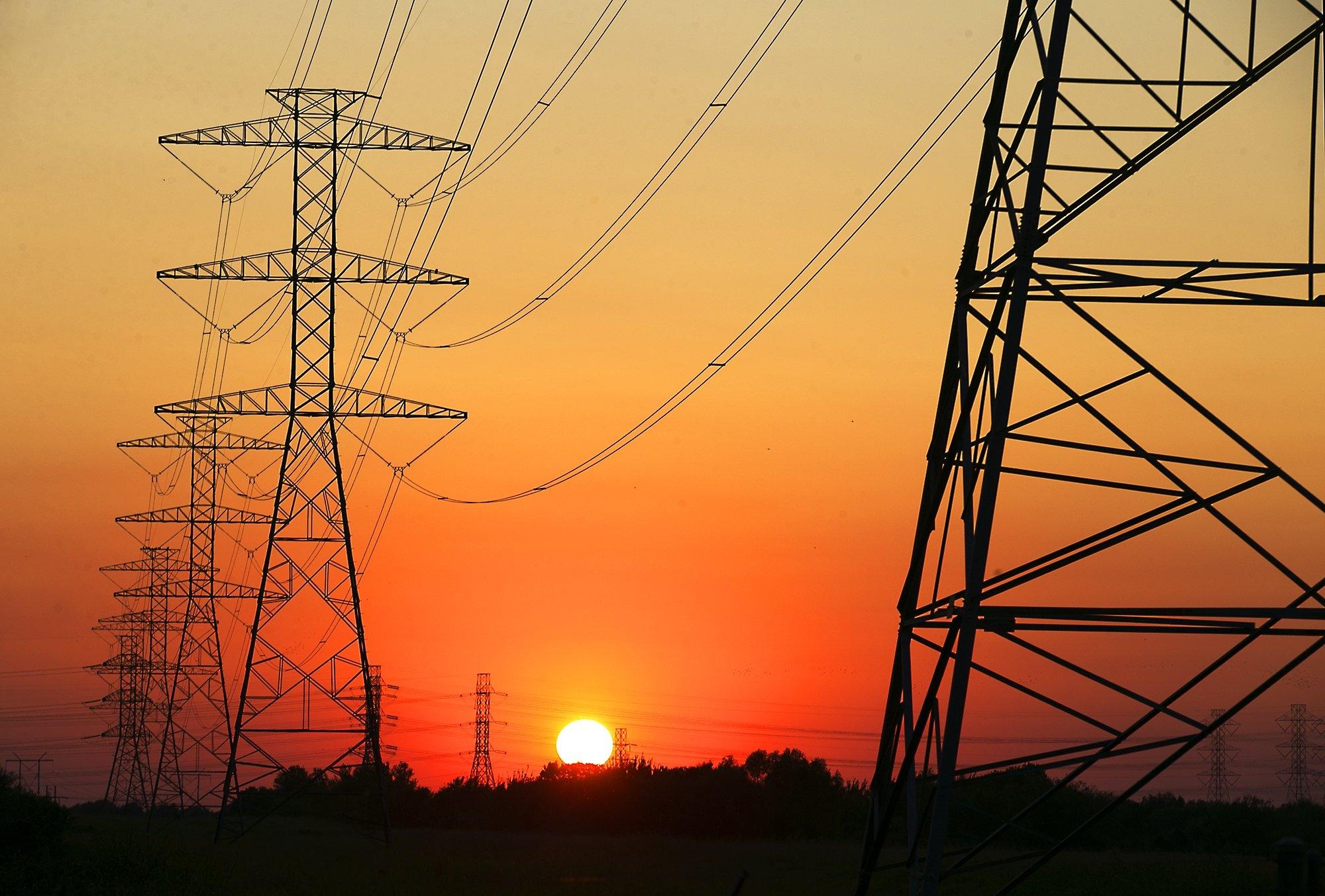
A currency dispute between an independent power producer and power utility Zesa shows how regulatory hurdles continue to dim prospects for private energy investment in Zimbabwe.

Zesa is awaiting the outcome of international arbitration in a currency dispute with one of the country’s first private power producers, a case that’s holding up other investments.

Advertisement

Nyangani Renewable Energy, which operates solar and hydropower plants in Zimbabwe and Malawi, took the Zimbabwe Electricity Transmission Distribution Company (ZETDC) to the Johannesburg branch of the International Chamber of Commerce to rule on the disagreement over a currency conversion agreement.

“We eagerly await the outcome of the arbitration,” Ian McKersie, the managing director of Harare-based Nyangani said. “If it is favourable, it will allow us to resume the very conducive working relationships we have.”

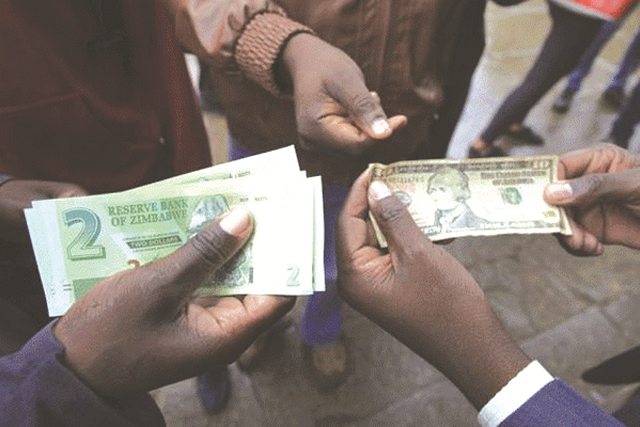
The dispute was heard on June 14. Nyangani says it is owed US$8.6 million for power delivered from its 15MW Pungwe B run-of-river hydropower plant. It wants to be paid in US dollars but ZETDC, a unit of Zesa, is seeking to pay in Zimbabwe dollars.

Advertisement

Zesa declined to comment.

Nyangani’s 10MW Riverside Solar power station was the first independent producer to feed into Zesa when the first 2.5MW came on stream in January 2018.

The company plans to expand, but “the rollout of the next phase has been stalled for three years pending a resolution of the IPP currency of payment issue”, the company said in July.

Advertisement

The company also said last month that “despite exceptional initial progress, construction on the Tsanga A and C Hydros has been hampered and halted due to IPP currency payment issues”.

Nyangani has built eight power plants in Zimbabwe since 2009 with a total generation capacity of 32MW.

Zimbabweans are subjected to regular power cuts because of the inability of Zesa to meet demand, and the state-owned company is struggling to pay for privately produced power because of a shortage of foreign currency.

Advertisement

Other projects are stalled as producers await the outcome of the case.

Private electricity has the potential to transform the industry in Zimbabwe, and help repair an economy that’s yet to recover from a collapse two decades ago.

While independent power producers supply only 135MW to the grid, licenses for facilities with a combined capacity of 6 858MW have been issued, according to a parliamentary report.

Advertisement

That is more than enough to meet demand for electricity, but many of the projects have not taken off.

In May last year, Zimbabwe tendered for 500MW of solar power, hoping to attract private investment into renewables.

Private companies, such as leading mining companies, are advancing rapidly in setting up solar plants for their own consumption.

Advertisement

But growth in investment by independent producers remains slow.

This is largely due to uncertainty around the currency, power offtake agreements with Zesa and scarcity of foreign credit for large scale power projects. –Bloomberg/newZwire

Advertisement
Continue Reading
Click to comment

Leave a Reply

Your email address will not be published. Required fields are marked *

In the community

Nkayi’s mortuary crisis leaves families racing against time

Published

on

BY NOKUTHABA DLAMINI

When an elephant trampled Mbusi Mabhena to death two weeks ago in Mthoniselwa village in Nkayi, his family’s grief was swiftly compounded by another ordeal.

Advertisement


By the following day, he had been buried.

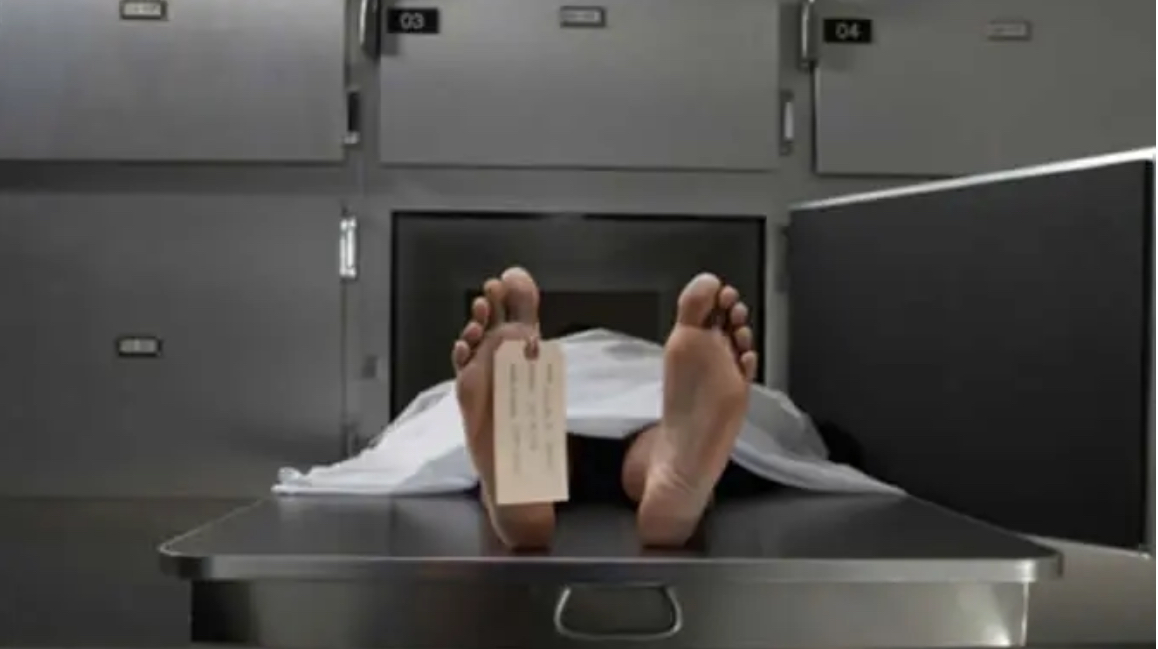
In Ward 13 of Nkayi district, there was no time for a traditional week-long wake or a post-mortem examination. There is no mortuary.

Local leaders say immediate burials have become common in parts of Nkayi and neighbouring Lupane, where families cannot preserve bodies due to a lack of cold storage facilities.

Weston Msimango, the councillor for Ward 13, said Mr Mabhena’s body was covered with sand before burial in an attempt to slow decomposition.

“It has become normal for people to be buried within 24 hours,” he said. “We have no facilities to keep them.”

The problem centres on Mbuma Mission Hospital, the main referral hospital for Nkayi and Lupane districts. Despite serving thousands of people, it has never had a mortuary.

For many villagers, transporting a body to cities such as Bulawayo or Gweru is too expensive. As a result, families resort to improvised methods to manage the smell of decomposition while making urgent burial arrangements.

Thandiwe Moyo, from Mkalathi village, said families often use sand and bananas to try to reduce odours while waiting for a few relatives to gather.

“To bury someone you love within 24 hours, without a proper goodbye because there is no cold room, feels like we are disposing of trash rather than honouring a life,” she said.

Residents say the lack of basic infrastructure contrasts sharply with the political rallies occasionally held in the district.

Jabulani Hadebe, the Member of Parliament for Nkayi South, has criticised what he describes as a lack of political will to address the issue.

He pointed to a large 2023 election rally in the area, attended by senior political figures, as an example of misplaced priorities.

“Leaders had an opportunity to visit the hospital, see what was missing and help,” he said. “Instead, the focus was on displays of wealth.”

Hadebe also alleged that some people who attended the rally were given spoiled food and later fell ill, though this claim could not be independently verified.

Sibusiso Sibanda, from Gonye village, said residents struggle to reconcile the arrival of luxury vehicles at rallies with the absence of a basic mortuary facility.

“They can come with big cars and give out meat, but they cannot finish a small room at Mbuma to keep the dead,” he said.

He added that without funeral insurance or money for transport, families have little choice but to bury relatives quickly.

“In the morning you are alive. If you die and you do not have a funeral policy, by evening you are in the sand,” he said. “There is no dignity left.”

Villagers in Somakantane said the absence of a mortuary has also disrupted cultural practices that require the body to remain at home for several days before burial.

The situation is not unique to Nkayi. Lawmakers have raised similar concerns in Binga, where some hospitals also operate without mortuary facilities.

Despite the issue being raised in Parliament, there has been no formal response from the government indicating when mortuaries might be built or repaired in affected districts.

The Ministry of Health’s spokesperson, Donald Mujiri, could not be reached for comment.

SOURCE: CITE

Continue Reading

National

Zimbabwe export surge, diaspora inflows mask funding gaps in foreign affairs sector

Published

on

BY STAFF REPORTER 

Zimbabwe is seeing strong gains in export earnings and diaspora remittances, but lawmakers warn chronic underfunding is undermining the country’s diplomatic and economic ambitions.

Parliament heard that remittances reached about $1.8 billion by the third quarter of 2025, while exports rose sharply, helping cut the trade deficit. Lawmakers said the diaspora remains “a vital source of foreign exchange, directly contributing to the enhancement of the nation’s foreign reserves and overall economic stability.”  

However, MPs said financial constraints are weakening the institutions meant to sustain that growth. The Zimbabwe Foreign Services Institute received only a fraction of its budget, limiting recruitment and training.

“The staffing shortfall has inevitably affected operational efficiency and the institute’s ability to discharge its core mandate,” the committee report noted.  

Lawmakers warned that without consistent funding, gains in exports and diaspora engagement could stall, particularly as Zimbabwe pushes toward an export-led economy.

Continue Reading

National

Government pushes vaccines drive as MPs warn of rural access gaps, misinformation

Published

on

BY NOKUTHABA DLAMINI 

Zimbabwean lawmakers have called for urgent action to close immunisation gaps, warning that rural communities remain vulnerable due to weak access and persistent misinformation.

Speaking during Africa Vaccination Week, MPs said vaccines remain “among the most effective, equitable and transformative public health interventions,” but coverage remains uneven.  

“Persistent gaps endure, particularly in rural and underserved areas where barriers of access, awareness and trust continue to impede full immunisation coverage,” one legislator told Parliament.  

Lawmakers urged stronger investment in cold-chain systems and public engagement campaigns, stressing that immunisation is not just a health issue but “a strategic development imperative” tied to productivity and national growth.  

Continue Reading

Trending

Copyright © 2022 VicFallsLive. All rights reserved, powered by Advantage