
In the community
UK based samaritan donates commode chair to Binga crocodile attack victim

BY NOKUTHABA DLAMINI
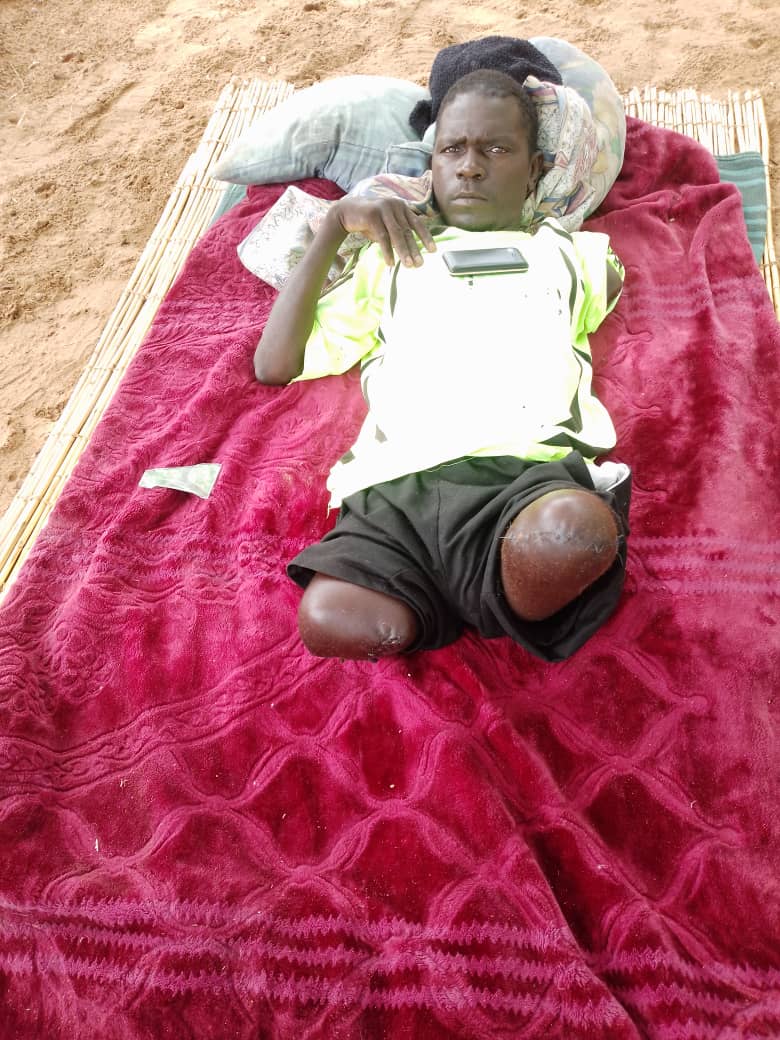
A UK-based Zimbabwean woman has donated a commode chair with a supportive armrest to a Binga man who survived a vicious attack by a crocodile after jumping into Mlibizi River while running away from a herd of elephants leading to his both legs and left arm to get amputated.
Windas Sianene Muleya (43) from Chief Saba jumped into the jaws of the giant reptile while running away from a herd of five elephants that was encircling him during a fishing expedition in September last year.
His legs and arm were first amputated at Mpilo Central Hospital in Bulawayo before another amputation on both legs in neighbouring Zambia after doctors there said the initial procedures were botched.
His cousin Tendayi Zulu told VicFallsLive that the family had incurred a lot of costs while seeking treatment for Sianene, both in Zimbabwe and Zambia, making them fail to purchase a user-friendly chair.
“The commode chair was recently donated by a lady called Veronica Sibanda who is based in the UK,” Zulu said.
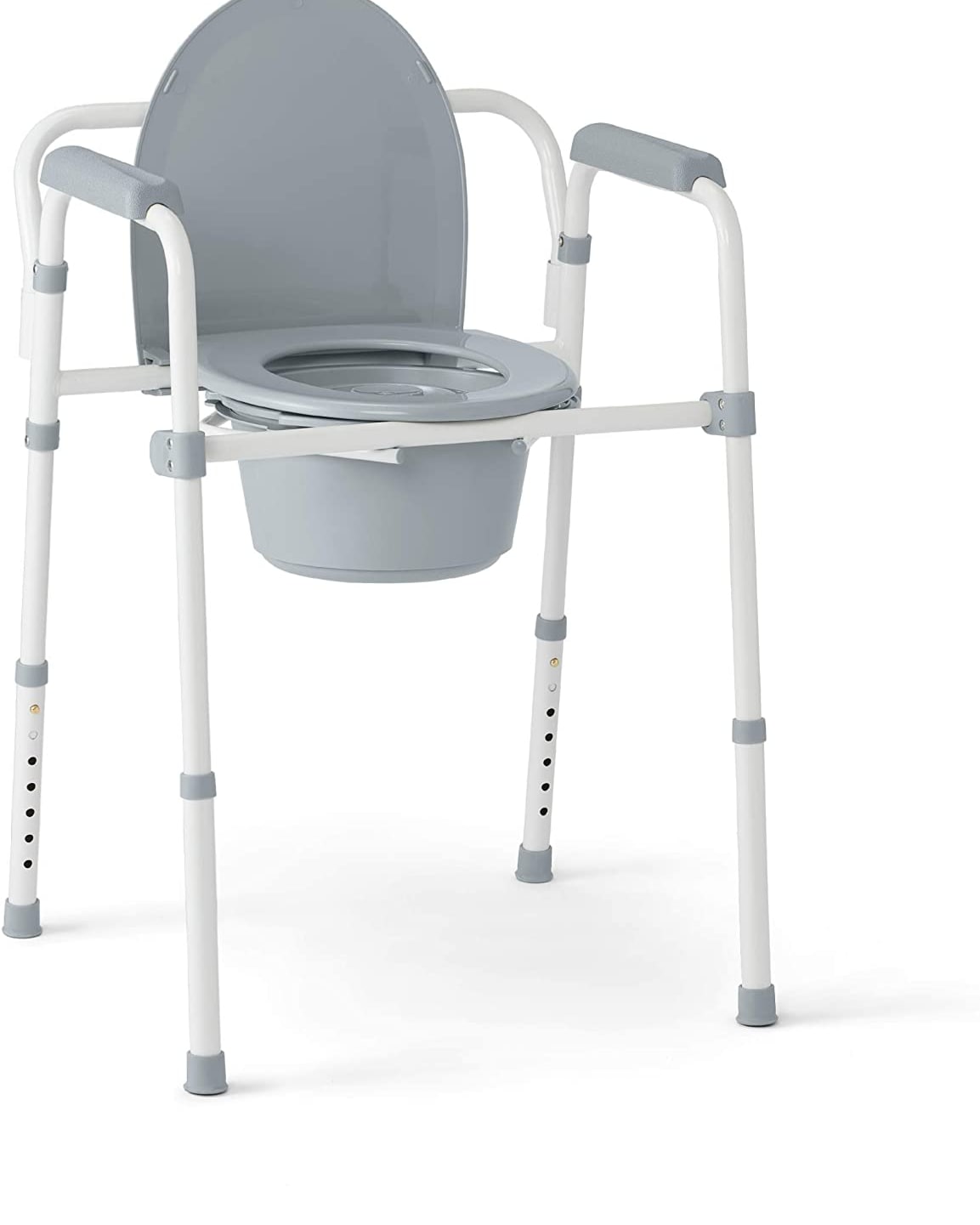
“She actually sent money and the chair was bought in Bulawayo before being sent home by bus on the 15th of January 2023.
“The lady also promised to buy books and meet the school fees bills.”
Muleya is the father of three minor children, one of whom the mother is deceased.
In an earlier interview, Muleya said the government was yet to give him any assistance despite some officials showing an interest in his case when his story first hit the headlines.
He said his old-aged mother and brother are the ones who assist him with his routine hygienic check as he often soils himself.
Muleya narrated for the first time how the September 28 incident that altered his life forever unfolded.
He said he was fishing close to his homestead on the confluence of Mlibizi and Zambezi rivers when he suddenly saw a herd of five elephants charging towards him.
Seeing that there was nowhere to run to since he was on an island and the elephants were charging from the only route out of the area, he decided to jump into the river and the crocodile attacked him and he had to fight it off by gagging it until it let go of him.
He was immediately taken to Binga District Hospital where upon admission, he was transferred to Mpilo Central Hospital in Bulawayo where a decision was made the following morning a decision to amputate his left leg and left arm.
After spending several weeks without healing, his family took to Zambia and the surgeon doctor at Livingstone Hospital informed them that the amputation was not properly done as the legs were not aligned prompting them to redo another surgery.
After spending 17 days at the institution, Muleya was discharged and had to move in with his mother at her homestead together with his children.
Initially there was a wheelchair that was donated to him, but he could not push it because of the dust and sand soils in the homestead.
Zulu said Muleya is still in need of handouts such as the clothes and toiletries for his minor children.
For assistance, family can be reached on Zulu’s mobile number +263 77 680 8607.
BY NOKUTHABA DLAMINI
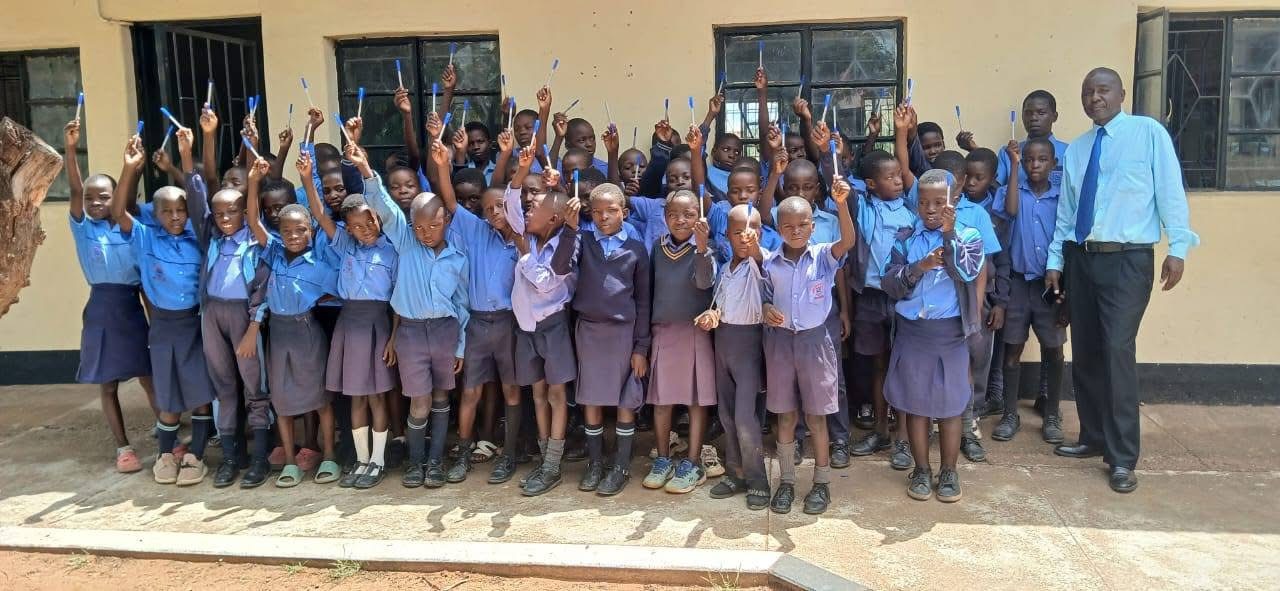
For Obert Dube, a renowned African poet, the stage is no longer just a place for performance; it has become a platform for a massive humanitarian effort aimed at Zimbabwe’s most vulnerable children. Since November, Dube has traversed the rugged terrains of Matabeleland North and South, visiting over 100 schools to provide essential supplies to students who, much like his younger self, are struggling to stay in the classroom.
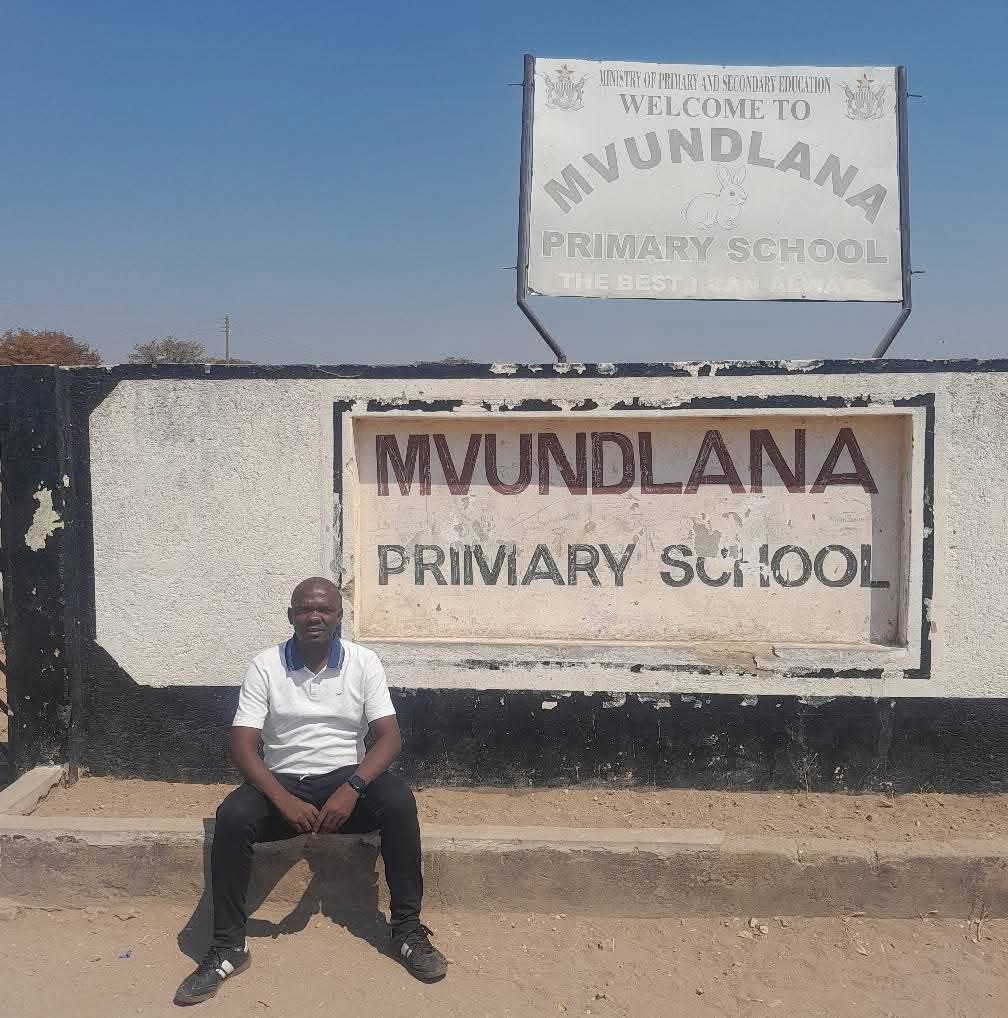
Obert Dube
Dube, who describes himself as an “African poet… born and bred in Zimbabwe,” has dedicated his career to what he calls a “mission of mercy.” His work focuses on children who are often forced to drop out due to a lack of school fees or basic stationery. “I’m an African poet… a philanthropist engaged in a special mission,” Dube said in a recent interview. “I help vulnerable children… who sometimes fail due to school fees. Some approach me for help with registering for examinations.”
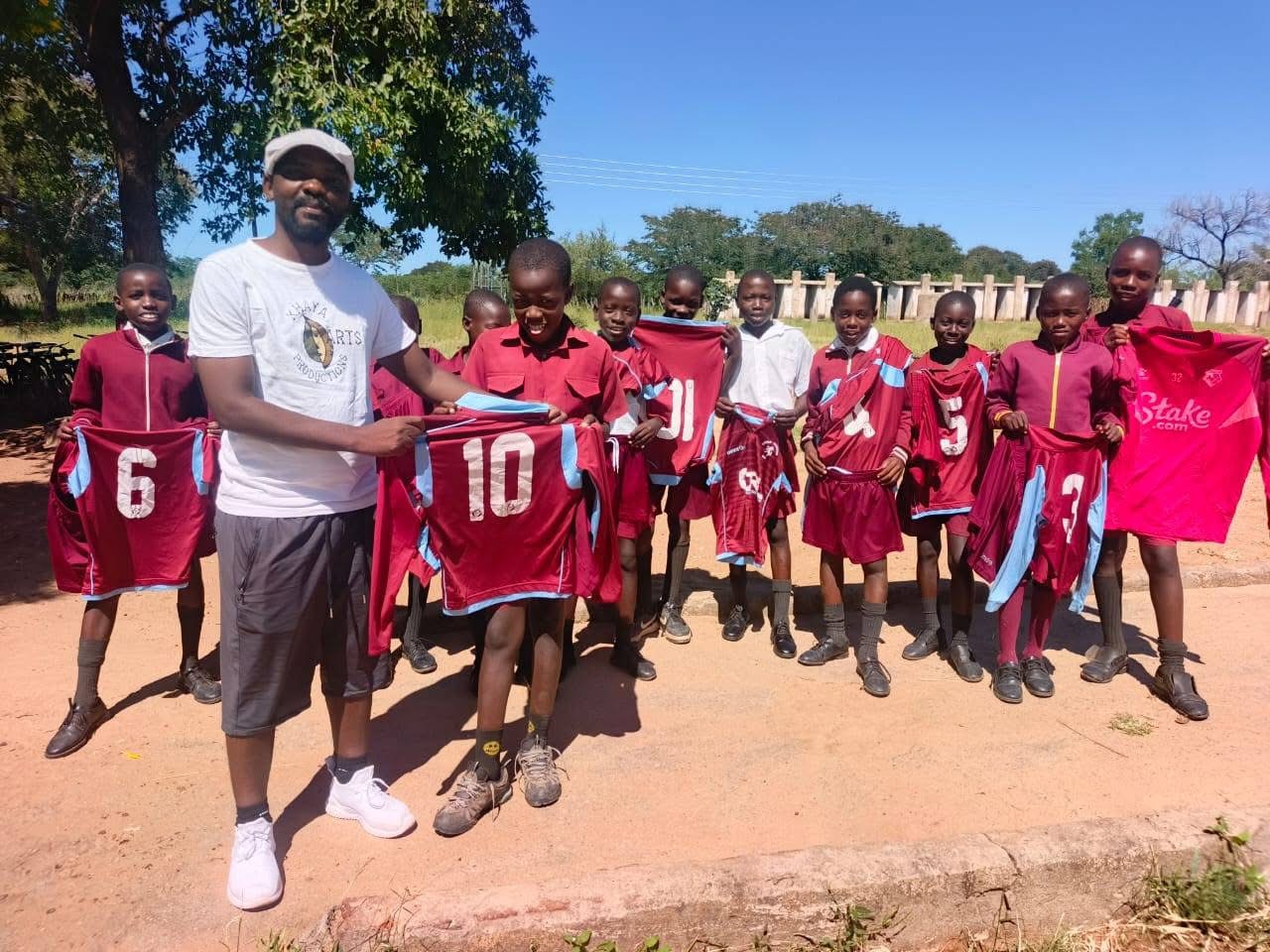
The poet’s motivation is deeply rooted in his own childhood trauma. Raised by a widowed mother who passed away before his final exams, Dube became a “child parent” at a young age. He recalls the humiliation of attending school in borrowed uniforms and the struggle of trying to learn without the most basic tools. “I remember some raised by elderly grandparents… their parents are passed on,” Dube explained, noting that many guardians cannot afford books. “They will spend the rest of the time at school without writing, and that is what is contributing to low pass rates.”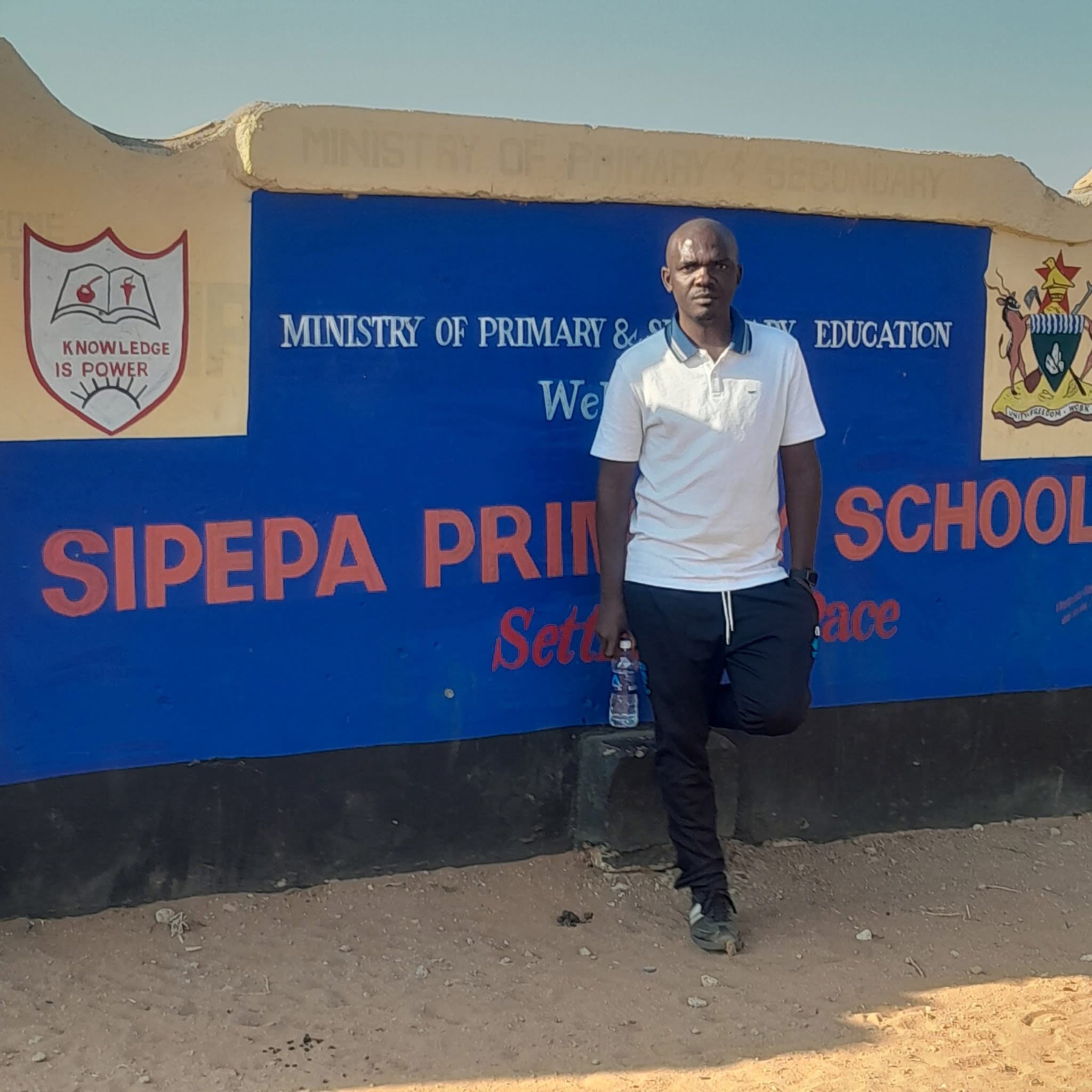
To fund this initiative, Dube allocates 30 percent of his earnings from every performance to purchase stationery and pay school fees. His reach has expanded to districts including Nkayi, Binga, Lupane, and Hwange. While he started alone, his social media presence has attracted global support, including a Zimbabwean-born UK citizen who recently donated football kits for the schools. “This is a different thing collectively that builds helping our own communities,” Dube said.
-

 Slider3 years ago
Innscor launches brewery to produce Nyathi beer
-

 National5 years ago
In perched rural Matabeleland North, renewable energy is vital
-

 Tourism and Environment4 years ago
Strive Masiyiwa’s daughter opens luxury Victoria Falls lodge
-

 Special reports4 years ago
Tinashe Mugabe’s DNA show’s popularity soars, causes discomfort for some
-

 Opinion4 years ago
A street art mural in Zimbabwe exposes a divided society
-

 National4 years ago
Victoria Falls’ pilot dies in helicopter crash
-

 National3 years ago
Commission of inquiry findings fail to be tabled as Victoria Falls councillors fight
-

 National3 years ago
Hwange coal miner fires workers over salary dispute