Connect with us

National

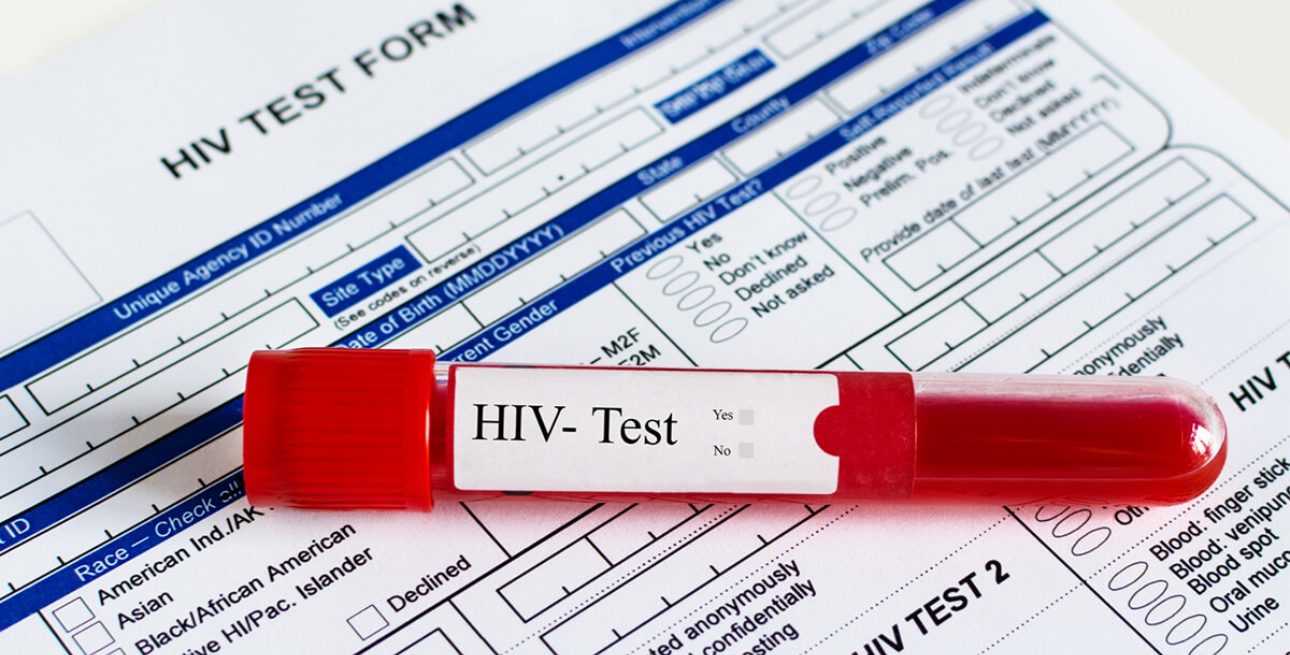
Landmark HIV trial begins in Zimbabwe

Published

on

BY PAUL SIXPENCE

ZIMBABWE became the first site for the administration of a new investigational HIV vaccine. The first doses of the IAVI C114 clinical trial were administered in late July 2025 at the Mutala Trust clinical site in Harare, CITE reports.

Advertisement

“This is a landmark moment for South Africa, Zimbabwe, and the continent. It shows the power of true partnership,” said Dr. Tariro Makadzange, clinical trial lead, Mutala Trust.

“We are edging closer to an HIV vaccine, made possible by global collaboration, with clinical trials conducted in Africa, for Africa, and for the world.”

The development of the vaccine is a partnership that brings together Zimbabwe’s Mutala Trust, ReiThera, the Ragon Institute, International AIDS Vaccine Initiative (IAVI) and African researchers who are co-leading every phase of the trial.

Advertisement

In phase one of the trial, the vaccine candidate, Gorilla Adenovirus Vectored HIV Networked Epitopes Vaccine (GRAdHIVNE1) will be administered to 120 adults between the ages of 18 and 50 years including 48 people living with HIV who are virally suppressed on antiretroviral therapy (ART). Besides Zimbabwe, two other clinical trial sites are located in Cape Town and Durban, South Africa.

Trial sites were chosen on the basis of their high HIV burden and to ensure that the vaccine candidate is tested within communities affected by the epidemic.

This phase of the trial will assess the safety and ability of the vaccine candidate to provoke an immune response in the human body in persons living with HIV and those who are HIV negative.

Advertisement

“The IAVI C114 trial is testing a new vaccine candidate known as GRAdHIVNE1. The trial represents the first time this vaccine is being tested in humans and is aimed at assessing the safety of the vaccine and its ability to stimulate the immune system,” said Dr. Vincent Muturi-Kioi, HIV Vaccines Product Development Team Lead, IAVI.

In a statement, IAVI further advised that “trial participants will receive either one or two doses of the investigational vaccine or a placebo and will be monitored over a period of 19 months for safety and immune responses.” Results of the trial are likely to be available in 2027.

In the past, several HIV vaccine trials have been conducted but none proved effective in preventing HIV acquisition. The novelity of this vaccine candidate lies in that, it uses a harmless viral vector to deliver small parts of HIV “derived from critical structural regions of HIV that are less likely to mutate” with an expected likelihood to trigger an immune response.

Advertisement

“GRAdHIVNE1 uses a harmless virus (a vector for the vaccine derived from a non-replicating gorilla adenovirus) to deliver small, conserved parts of HIV (called epitopes) to the body’s immune system. These targets are derived from critical structural regions of HIV that are less likely to mutate, making them good targets for killer T cells in the immune system (CD8+ T cell responses) — a type of immune defense thought to be important for long-term protection against HIV. The viral vector was selected based on its ability to stimulate this type of response. Should the vaccine be successful in stimulating the desired response, it could be tested in future trials to assess its efficacy,” Dr. Vincent Muturi-Kioi further explained.

The initiation of this clinical trial demonstrates the power of partnerships at a time when the world is witnessing funding cuts towards global public health research. The IAVIC114 clinical trial is sponsored by IAVI. The vaccine candidate, GRAdHIVNE1, was developed by ReiThera and the Ragon Institute with funding from the GatesFoundation. African researchers will be leading

SOURCE| CITE

Advertisement

Continue Reading
Click to comment

Leave a Reply

Your email address will not be published. Required fields are marked *

National

Government launches nationwide dog vaccination drive amid surge in rabies cases

Published

on

BY WANDILE TSHUMA 

The Government has launched an urgent nationwide dog vaccination campaign following a surge in rabies cases across Zimbabwe.

Advertisement

In a statement posted over the weekend, the Ministry of Lands, Agriculture, Fisheries, Water and Rural Development said the country is experiencing a significant rise in rabies infections, largely linked to domestic dogs and wild jackals.

Permanent Secretary Prof. Obert Jiri confirmed that 650,000 doses of rabies vaccine have been secured from Botswana — exceeding the country’s usual annual requirement — to contain the escalating threat.

The Ministry said the campaign will be rolled out in the coming weeks across all provinces, targeting hotspots near national parks and conservancies, as well as urban areas that have recorded increasing cases.

Advertisement

Prof. Jiri stressed the urgency of seeking immediate medical attention following dog bites, warning that rabies is fatal in humans once symptoms appear.

He appealed to dog owners to ensure their pets are vaccinated, saying collective action remains the primary defence against the deadly disease and is critical in preventing further fatalities.

Advertisement
Continue Reading

National

Matabeleland North flags aid discrimination as provinces record widespread violations

Published

on

BY NOKUTHABA DLAMINI 

Matabeleland North recorded cases of discrimination in government aid distribution and political interference in community leadership, as human rights violations were reported across all provinces in January, according to the Zimbabwe Peace Project (ZPP).

Advertisement

In Matabeleland North, five violations were documented.

“On 9 January 2026, in Ward 29 (Emphafeni), farmers reported irregularities in agricultural input distribution, including selective allocation of groundnuts and maize seed to ruling party supporters, and sharing of 50kg fertiliser bags among three farmers, raising concerns over fairness and equal access to government assistance,” the report states.

In Binga South, a village secretary was removed from his position “for not aligning with ruling party positions, affecting his political rights and freedom of association.”

Advertisement

In Matabeleland South, four violations were recorded, mainly involving political intimidation. In Gwanda, individuals allegedly invaded Vubachikwe Mine claiming political backing, while in Bulilima West, villagers were reportedly threatened with losing land under the land reform programme if they did not support the “2030” agenda.

Bulawayo recorded two violations, including a case where “a visually impaired woman was denied bus transport from Bulawayo to South Africa despite having valid travel documents and fare, raising concerns of discrimination based on disability.” Residents in Old Magwegwe also reported prolonged sewage blockages exposing families to health risks.

Midlands province recorded 13 violations, including environmental concerns in Redcliff and Kwekwe over potential water contamination linked to gold processing chemicals. In Zhombe, political interference prevented enforcement of a court sentence in an assault case. In Silobela, police disrupted a Gukurahundi memorial service organised by a human rights group.

Advertisement

Masvingo recorded 19 violations, including the assault and arrest of a female vendor at SimRac Shopping Complex. The report says her goods were destroyed in what it describes as harassment of informal traders. Patients at Mashoko Hospital and Gawa Clinic also faced high user fees and limited medication.

Mashonaland West recorded 10 violations, including alleged irregularities in agricultural input distribution in Magunje and assault linked to ruling party supporters in Sanyati.

Mashonaland East documented six violations. In Murehwa North, “Provincial Chairperson and Minister Daniel Garwe threatened individuals in Ward 30, warning that those supporting the opposition CCC would be excluded from community programs and that anyone associating with CCC members could face violent reprisals.”

Advertisement

Mashonaland Central recorded four violations, including exclusion of community members, including persons with disabilities, from presidential agricultural inputs in Mt Darwin South, and learners being denied access to Grade 7 results over unpaid fees.

Harare recorded 16 violations, including assaults linked to political intolerance, disruption of civic gatherings, politicisation of borehole water access in Glenview, and the detention of a political activist over a planned protest.

Manicaland recorded the highest number of violations at 31. ZPP said incidents involved “state security agents, ruling party members, war veterans, and local authorities,” including intimidation of a human rights defender in Chimanimani and disruption of a community meeting in Nyanga South.

Advertisement

Overall, ZPP said the January data reflects “continued structural and institutional challenges in the protection, promotion, and fulfilment of human rights,” reinforcing the need for strengthened accountability and rights-based governance across the country.

Advertisement
Continue Reading

National

Police arrest six in major drug busts across the country

Published

on

BY BANDILE TSHUMA

The Zimbabwe Republic Police (ZRP) has arrested six suspects in separate incidents involving the unlawful possession and cultivation of dangerous drugs across the country.

Advertisement

In a press statement written on Monday, police said the arrests were part of ongoing efforts to curb drug trafficking and substance abuse.

On Sunday , police in Plumtree intercepted a Toyota Quantum vehicle and arrested Msawenkosi Ndlovu (49) and Vengai Chawa (41). The two were found in possession of 5 124 bottles of Broncleer cough syrup (100ml) and 4 170 bottles of Astra Pain cough syrup (100ml). The illicit substances are valued at approximately US$80 000.

In a separate case on the same day, police in Wedza arrested Emanuel Busemani (28) at Plot 7 Investment Farm in Melfort, Goromonzi in connection with the unlawful cultivation of dagga.

Advertisement

Meanwhile, in Bubi, Lacken Tshuma (55) and Owner Muleya (32) were arrested on Monday at Inunwa Ranch for unlawful cultivation of dagga.

In another incident on Friday, Tinashe Mero Shoko (22) and Eliot Badza (33) were arrested at a house in Garikai, Dulibadzimu, Beitbridge after police recovered 100 kilogrammes of dagga.

Police reiterated that the fight against drug and illicit substance peddling and trafficking will continue for the safety and security of Zimbabweans.

Advertisement

The ZRP urged members of the public to provide information on drug lords, dealers and criminal syndicates. Reports can be made through the National Complaints Desk on (0242) 703 631, via WhatsApp on 0712 800 197, or at any nearest police station.

Advertisement
Continue Reading

Trending

Copyright © 2022 VicFallsLive. All rights reserved, powered by Advantage