Connect with us

In the community

‘Victoria Falls tourism firms have survived Covid-19 lockdowns’

Published

on

BY NOKUTHABA DLAMINI

The Zimbabwe Tourism Authority (ZTA) says no businesses in the tourism sector have been forced to shut down in Victoria Falls since national lockdowns to control the spread of Covid-19 came into force last year.

Advertisement

Zimbabwe’s tourism industry has been hit hard by the global curbs in travel due to the pandemic and Victoria Falls as the prime destination is home to many companies that were badly affected by the dip in tourist arrivals.

Godfrey Koti, ZTA spokesperson, said businesses in the resort city had stayed afloat during the pandemic.

“We are lucky at the moment because we haven’t seen any operator folding in Victoria Falls,” Koti told VicFallsLive.

Advertisement

“In other tourist places, for example, restaurants have shut down

“In Victoria Falls where they have remained open, the challenges that we have been hearing from them, especially the smaller players are that they want the registration fees and parks fees to be reduced.

“They also want some revenue payment plans to be put forward and looked at so that they can save jobs because that’s one thing that has been lost in a quite remarkable manner within the sector.”

Advertisement

Koti said the information on the number of job losses in the industry was not yet available, but he believes about 80 percent of the employees lost their jobs during the lockdowns in Victoria Falls.

“I don’t have the percentage for that region, but they are the leading city,” he said.

“Tourism employs plus or minus 120 000 people in the country, so we are not sure where we are exactly right now, but we are hoping that we haven’t gone above 20 percent job losses.”

Advertisement

According to findings of a recent study by We Are Victoria Falls, a local hospitality industry initiative, the Covid-19 lockdowns have affected 94 percent of the people employed in the sector.

It says 49 percent of workers in the tourism sector were forced to work reduced hours and to take pay cuts because of the lockdown that was imposed in March last year.

At least 18 percent of the workforce was forced to go on unpaid leave.

Advertisement

Koti said some jobs were saved by the ZTA domestic tourism campaign dubbed ZimBho, Vakatsha that was meant to encourage Zimbabweans to rediscover the country’s tourist attractions.

“Most of these jobs that remained were mainly because of the domestic drive that we had,” he added.

“So that sort of helped most players to stay afloat because there was a slow business that came their way.”

Advertisement

To promote Victoria Falls as a safe destination, President Emmerson Mnangagwa’s government made vaccines available to all eligible residents and an estimated 90 percent of the targeted 25 000 people have been vaccinated.

Advertisement
Continue Reading
Click to comment

Leave a Reply

Your email address will not be published. Required fields are marked *

In the community

Tsholotsho teacher dismissed over protest photo, union cries foul

Published

on

BY NOKUTHABA DLAMINI

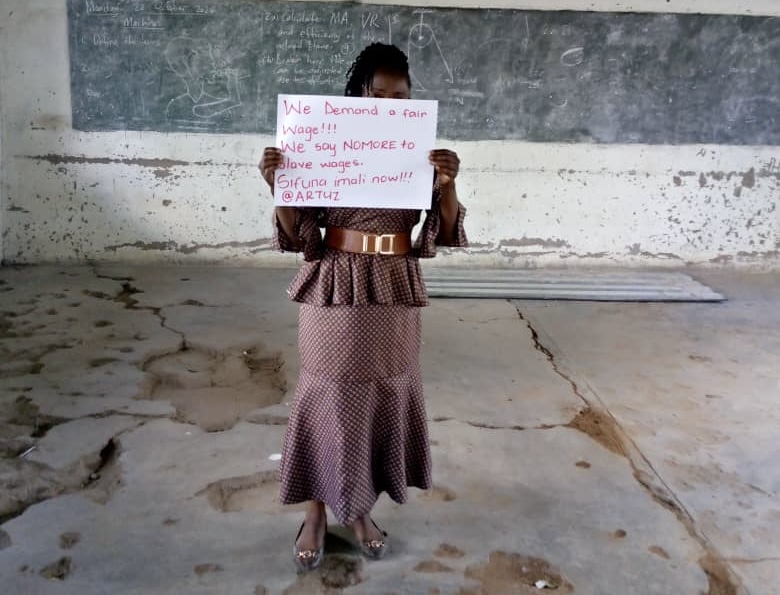
A Tsholotsho teacher has been dismissed from the public service after participating in an online protest by taking a photo in class holding a placard demanding better wages, a move that has drawn sharp criticism from a teachers’ union.

According to a letter dated April 10, 2026, from the Ministry of Primary and Secondary Education in Matabeleland North, Bridget Dhliwayo, a teacher at Zibungululu Secondary School in Tsholotsho District, was found guilty of misconduct and discharged from service with effect from May 14.

The dismissal letter, signed by Jabulani Mpofu, the Chief Director for Provincial Education Services in Matabeleland North, states that Dhliwayo violated public service regulations by taking a selfie inside a classroom on May 13, 2025, holding a placard reading: “We demand a fair wage; we say no more to slave wages. Sifuna imali now.”

Authorities said she shared the image on a WhatsApp group linked to the Amalgamated Rural Teachers of Zimbabwe (ARTUZ) and failed to conduct lessons over several days in May 2025, in breach of her duties.

“This is not the first time that you have been found guilty of misconduct,” the letter reads, adding that Dhliwayo had previously received warnings.

However, ARTUZ condemned the dismissal in a statement posted on X, arguing that the action criminalises labour activism.

“Since when has exercising labour rights become a dismissible offence?” the union said, describing the incident as part of an online demonstration campaign over low salaries.

Zimbabwean teachers, represented by groups such as ARTUZ, have long protested against poor pay and working conditions, often clashing with authorities over strikes and demonstrations, which are tightly regulated under public service rules.

The letter advises Dhliwayo that she may appeal the decision to the Labour Court or seek a review through the Public Service Commission within 21 days, although such processes do not automatically suspend the penalty.

The Ministry of Primary and Secondary Education had not publicly commented on the union’s claims at the time of publication.


Continue Reading

In the community

Nkayi’s mortuary crisis leaves families racing against time

Published

on

BY NOKUTHABA DLAMINI

When an elephant trampled Mbusi Mabhena to death two weeks ago in Mthoniselwa village in Nkayi, his family’s grief was swiftly compounded by another ordeal.

Advertisement


By the following day, he had been buried.

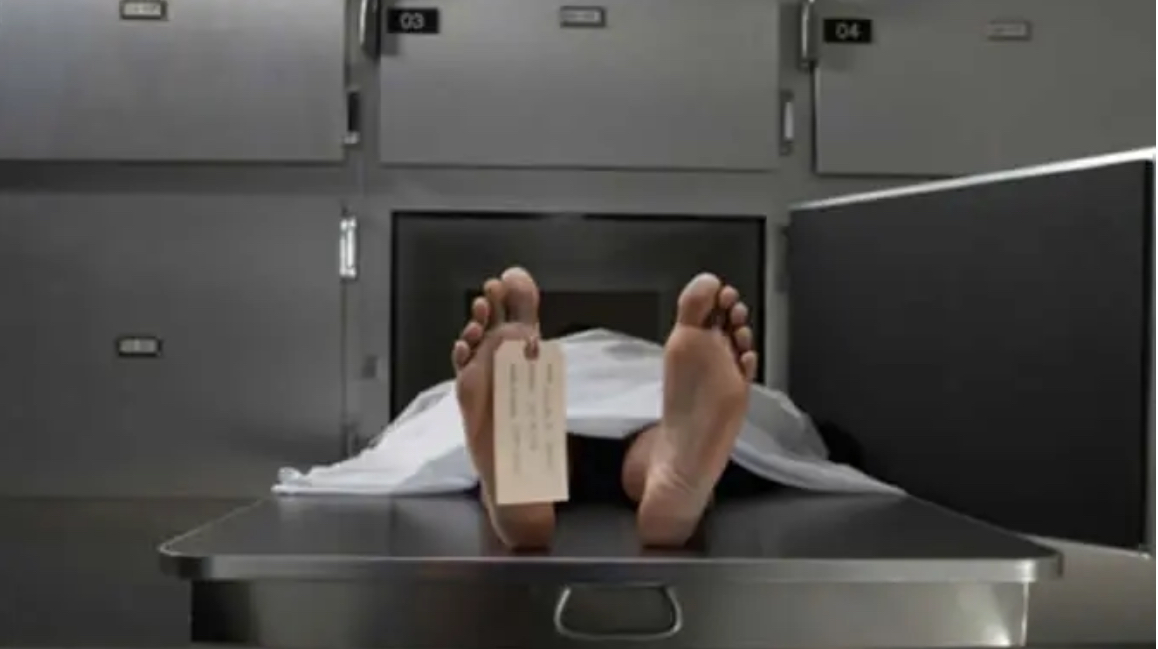
In Ward 13 of Nkayi district, there was no time for a traditional week-long wake or a post-mortem examination. There is no mortuary.

Local leaders say immediate burials have become common in parts of Nkayi and neighbouring Lupane, where families cannot preserve bodies due to a lack of cold storage facilities.

Weston Msimango, the councillor for Ward 13, said Mr Mabhena’s body was covered with sand before burial in an attempt to slow decomposition.

“It has become normal for people to be buried within 24 hours,” he said. “We have no facilities to keep them.”

The problem centres on Mbuma Mission Hospital, the main referral hospital for Nkayi and Lupane districts. Despite serving thousands of people, it has never had a mortuary.

For many villagers, transporting a body to cities such as Bulawayo or Gweru is too expensive. As a result, families resort to improvised methods to manage the smell of decomposition while making urgent burial arrangements.

Thandiwe Moyo, from Mkalathi village, said families often use sand and bananas to try to reduce odours while waiting for a few relatives to gather.

“To bury someone you love within 24 hours, without a proper goodbye because there is no cold room, feels like we are disposing of trash rather than honouring a life,” she said.

Residents say the lack of basic infrastructure contrasts sharply with the political rallies occasionally held in the district.

Jabulani Hadebe, the Member of Parliament for Nkayi South, has criticised what he describes as a lack of political will to address the issue.

He pointed to a large 2023 election rally in the area, attended by senior political figures, as an example of misplaced priorities.

“Leaders had an opportunity to visit the hospital, see what was missing and help,” he said. “Instead, the focus was on displays of wealth.”

Hadebe also alleged that some people who attended the rally were given spoiled food and later fell ill, though this claim could not be independently verified.

Sibusiso Sibanda, from Gonye village, said residents struggle to reconcile the arrival of luxury vehicles at rallies with the absence of a basic mortuary facility.

“They can come with big cars and give out meat, but they cannot finish a small room at Mbuma to keep the dead,” he said.

He added that without funeral insurance or money for transport, families have little choice but to bury relatives quickly.

“In the morning you are alive. If you die and you do not have a funeral policy, by evening you are in the sand,” he said. “There is no dignity left.”

Villagers in Somakantane said the absence of a mortuary has also disrupted cultural practices that require the body to remain at home for several days before burial.

The situation is not unique to Nkayi. Lawmakers have raised similar concerns in Binga, where some hospitals also operate without mortuary facilities.

Despite the issue being raised in Parliament, there has been no formal response from the government indicating when mortuaries might be built or repaired in affected districts.

The Ministry of Health’s spokesperson, Donald Mujiri, could not be reached for comment.

SOURCE: CITE

Continue Reading

In the community

Zimbabwe moves to support human-wildlife conflict victims

Published

on

BY NOKUTHABA DLAMINI

Cabinet has officially approved a transformative National Wildlife Policy, marking the first major overhaul of the sector’s regulatory framework in over three decades.

Advertisement


For the communities of Matabeleland North—from the elephant-dense corridors of Hwange to the tourism heartbeat of Victoria Falls—the policy promises a radical shift in how local people coexist with and benefit from the country’s natural heritage.

Presented by Finance minister Mthuli Ncube on Tuesday, the new policy acknowledges that the wildlife sector has been “remarkably transformed” since the current laws were enacted in 1992.

The updated framework seeks to align Zimbabwe with modern international best practices, moving toward a “vibrant wildlife-anchored economy” that directly supports national development.

Advertisement


For residents of Hwange and Victoria Falls, the most critical breakthrough is the policy’s explicit focus on human-wildlife conflict (HWC).

The framework provides for the implementation of the Human-Wildlife Conflict Relief Fund, specifically designed to provide benefits and support to victims of wildlife encounters.

This is paired with new regulations for CAMPFIRE (Communal Areas Management Programme for Indigenous Resources) and the establishment of dedicated wildlife corridors to reduce dangerous interactions between animals and human settlements.

Advertisement


The policy is built upon 10 strategic pillars, including community-based natural resources management and the equitable sharing of benefits.

Crucially, the government now recognises wildlife as a “public resource,” with the policy aiming to support devolution and enhance “active community participation.”

This ensures that present and future generations in Matabeleland North are not just neighbours to the game reserves, but active stakeholders in its socio-economic success.

Advertisement


However, community members say the success of the policy will depend on how effectively benefits are devolved to grassroots level.

“We have heard policies before, but what matters is whether the money reaches us,” said a Hwange villager, Eslina Ndlovu from Nemanhanga. “Our schools are struggling, some do not even have adequate classrooms or learning materials. If wildlife revenue is coming from our areas, it should help improve our education system.”

Another villager,Joseph Mwembe from Vukuzenzele village under Chief Mvuthu, echoed similar sentiments, calling for investment in health services. “We are living with wildlife every day, but our hospitals are not equipped. We don’t have proper referral hospitals or machines. If this policy is serious about supporting communities, then we must see that money building clinics, equipping hospitals, and improving services here in Matabeleland North,” he said.

Advertisement


Villagers stressed that without tangible improvements in infrastructure and social services, the policy risks falling short of its intended impact.

“If communities do not benefit in real terms, then it defeats the whole purpose of calling wildlife a national resource,” added Ndlovu.

The policy also introduces measures for fisheries conservation and the protection of indigenous plant species, with strict penalties for violations that threaten resource sustainability.

Advertisement


Continue Reading

Trending

Copyright © 2022 VicFallsLive. All rights reserved, powered by Advantage