Connect with us

National

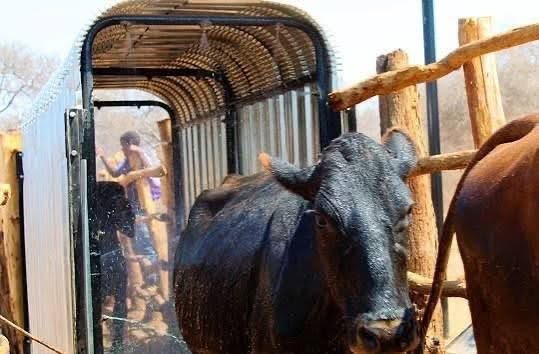
Government warns farmers to step up tick control as January Disease threat looms

Published

on

BY STAFF REPORTER

The Ministry of Lands, Agriculture, Fisheries, Water and Rural Development has urged livestock farmers across Zimbabwe to heighten disease surveillance and tick control measures as the 2026 rainy season continues, warning of an increased risk of January Disease (Theileriosis).

Advertisement

In a farmer advisory posted on the Ministry’s official Facebook page, authorities said the tick-borne disease spreads rapidly under warm and wet conditions and can decimate entire cattle herds if not effectively controlled.

The Ministry emphasised that weekly cattle dipping is mandatory during the rainy season, in line with Government policy to curb the spread of the brown ear tick, the primary carrier of January Disease. Farmers were urged to pay dipping levies, ensure correct acaricide dilution as per manufacturers’ instructions, and utilise spray races where possible for improved effectiveness.

In high-risk areas or during active outbreaks, farmers may be directed to follow a 5:5:4 dipping regime, involving more frequent dipping intervals. The Ministry also recommended the use of tick grease on sensitive areas such as inside the ears, the udder and under the tail.

Advertisement

As part of broader prevention efforts, the Ministry said the locally produced BOLVAC vaccine is now available in increased quantities, with farmers encouraged to contact their local veterinary offices to access the vaccine.

Farmers were further advised to conduct daily inspections of their cattle and remain alert to early warning signs of January Disease, which include swollen lymph nodes, loss of appetite, breathing difficulties, frothing, watery or cloudy eyes, fever and general weakness.

The Ministry reminded farmers that all suspected cases or sudden cattle deaths must be reported to the Directorate of Veterinary Services within 24 hours, stressing that the movement of sick or tick-infested animals is prohibited as it contributes to the spread of the disease.

Advertisement

Failure to comply with dipping regulations constitutes an offence under the Animal Health Act, with penalties that may include fines or arrest, the Ministry warned.

Farmers requiring assistance or wishing to report suspected cases were advised to contact their local Veterinary Extension Officer or the Ministry of Lands, Agriculture, Fisheries, Water and Rural Development.

“Prevention saves wealth,” the Ministry said, urging farmers to take proactive measures to protect their herds.

Advertisement

Continue Reading
Click to comment

Leave a Reply

Your email address will not be published. Required fields are marked *

National

Parliament moves to curb machete gang violence in rural areas

Published

on

BY WANDILE TSHUMA

Lawmakers are demanding an urgent security crackdown in rural constituencies following a report of nearly 1 000 violent incidents involving machete-wielding gangs over a four-year period.

Advertisement

A motion moved by Brown Ndlovu highlighted the “horrific terror unleashed by machete-wielding gangsters” in the Vungu Constituency of Midlands Province, where murders, robberies, and assaults have reportedly become a daily occurrence. Official records presented to the House show that 997 violent cases were reported in the Vungu district alone between 2021 and 2025 .

Hwange Central MP, Daniel Molokele, recently raised the alarm to VicFallsLive, following his tour at Inyathi District Hospital, where he revealed that the gold panners were now digging under the hospital and that most casualties and admissions at the hospital were linked to machete-gang violence.

Parliamentarians expressed sharp “disdain” for current judicial practices, noting that the integrity of the legal system is at risk . The motion criticized the fact that “suspects who perpetrate such horrendous crimes are often granted bail and allowed to return to the same communities where they freely continue to molest and intimidate victims and witnesses,”a practice they say grossly undermines public safety.

Advertisement

The House has called for the Zimbabwe Republic Police in rural areas to be modernized and properly equipped. Specifically, lawmakers are urging the Ministry of Home Affairs to provide officers with “adequate tools of trade such as vehicles, modern communication equipment, and weapons to wade off criminal activities”. Additionally, the motion proposes that bail should be denied in machete-related cases and that state witnesses be granted enhanced protection from “intimidation, retributions and retaliations”

Advertisement
Continue Reading

National

Parliament declares diabetes a public health emergency, pushes for urgent action

Published

on

BY NOKUTHABA DLAMINI

Zimbabwe’s Parliament has resolved to prioritise the fight against diabetes, warning that the condition is rapidly becoming a public health emergency, particularly for children and young people living with Type 1 diabetes.

Advertisement

The motion, tabled in the National Assembly by Concilia Chinanzvavana and seconded by Edwin Mushoriwa, highlights critical gaps in access to life-saving treatment. Lawmakers noted that people with Type 1 diabetes require uninterrupted access to insulin, diagnostics and specialised care, without which they face preventable disability and death.

Despite existing Non-Communicable Disease (NCD) policies and fiscal measures such as the sugar tax, Parliament expressed concern that diabetes remains underfunded and insufficiently prioritised. This has resulted in inequitable access to treatment and persistent weaknesses in care systems across the country.

Legislators also stressed that policy alone is not enough, pointing to frameworks developed by the World Health Organization, including the Package of Essential Noncommunicable Disease Interventions (PEN) and PEN-Plus, which require strong political commitment and implementation.

Advertisement

As part of the resolution, Parliament pledged to champion equitable diabetes care within national development frameworks and to strengthen oversight of health budgets, policies and programme delivery. Lawmakers also called for sustainable financing mechanisms, including the possible ring-fencing of sugar tax revenues to support diabetes care.

The House further urged the integration of diabetes prevention and treatment into primary healthcare systems, alongside improved referral pathways to ensure timely and effective care.

In addition, Parliament emphasised the need for inclusive, people-centred governance, calling for structured engagement between lawmakers, the Ministry of Health and Child Care, civil society, development partners and people living with diabetes.

Advertisement


Advertisement
Continue Reading

National

Parliament pushes for funding, recognition of Zimbabwe’s digital creatives

Published

on

BY WANDILE TSHUMA 

The Parliament has called for urgent reforms and funding to unlock the potential of the country’s growing creative and digital content sector, citing its role in economic growth and youth employment.

Advertisement

During a sitting of the National Assembly last week , legislators raised concern that despite Zimbabwe’s “vast creative talent” in film, traditional arts and digital media, the sector remains largely informal, underfunded and poorly integrated into national development plans.

Lawmakers noted that thousands of young Zimbabweans producing content on platforms such as YouTube, TikTok and Instagram are earning livelihoods and promoting the country’s image, yet remain unrecognised as key economic players. This has left them excluded from structured funding, training and social protection systems.

The House also flagged persistent challenges including weak production infrastructure, piracy and the migration of talent, which have limited the growth of local creatives while foreign content continues to dominate the domestic market.

Advertisement

Parliament has now implored the Ministry of Sport, Recreation, Arts and Culture, working with Treasury, to allocate a dedicated budget for the implementation of the National Cultural and Creative Industries Strategy (2020–2030). Treasury was also urged to capitalise and operationalise the Arts Development Fund to support film and digital content production.

In addition, lawmakers called for the upgrading of community cultural centres into digital production hubs, as well as stronger enforcement of copyright laws and the creation of frameworks to formalise and monetise creative work, particularly for digital content creators.


Advertisement

Continue Reading

Trending

Copyright © 2022 VicFallsLive. All rights reserved, powered by Advantage