Connect with us

In the community

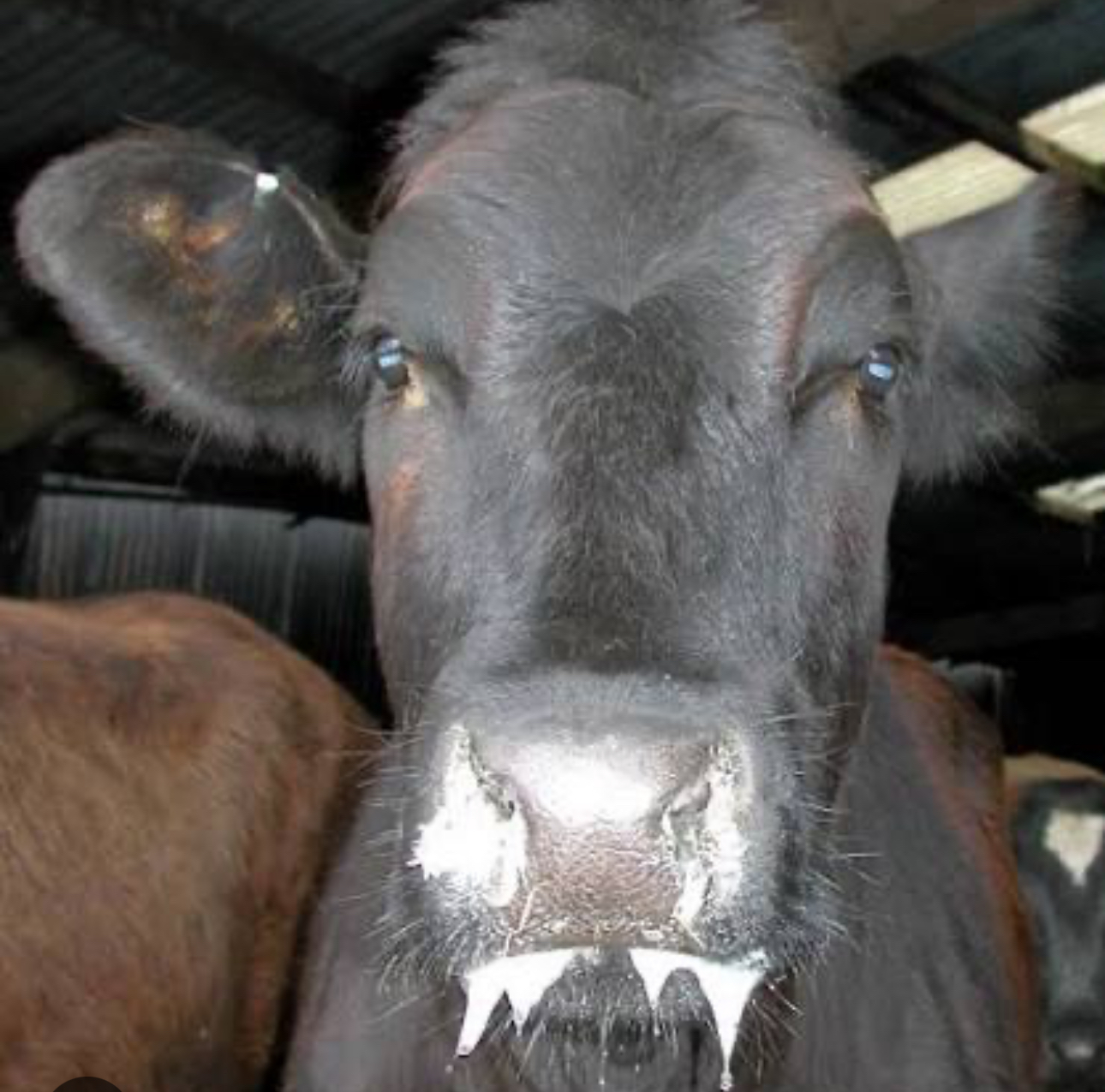
Foot and mouth disease outbreak in Mat North

Published

on

BY NIZBERT MOYO

The provincial Veterinary Department has urged farmers to comply with livestock movement regulations following an outbreak of the Foot and Mouth Disease (FMD) in some parts of Matabeleland North.

Advertisement

Acting provincial veterinarian Gwinyai Zhandire confirmed the outbreak to Southern Eye, saying the government has instituted movement controls, vaccination and active surveillance in the affected areas.

“There are some dip tanks affected in the Nyamandlovu area,” Zhandire said.

“The government has instituted movement controls and vaccination, and we are conducting surveillance.

Advertisement

“Farmers are encouraged to observe and comply with livestock movement regulations to prevent further spread.”

He highlighted that the rainy season increases the risk of other livestock diseases.

With tick populations on the rise, farmers should be vigilant against tick-borne illnesses such as Anaplasmosis (Gall Sickness), Theileriosis (January Disease), Ehrlichiosis (Heartwater) and Babesiosis (Redwater).

Advertisement

“Weekly dipping is encouraged to prevent transmission between animals,” Zhandire said.

He emphasised the importance of routine vaccination against other seasonal threats, including anthrax and lumpy skin diseases.

The outbreak has also affected farmers in the Umguza area, who have similarly been directed to adhere to animal movement restrictions.

Advertisement

Foot and mouth disease is a highly contagious viral disease that affects cloven-hoofed animals, including cattle, sheep and goats.

The disease is characterised by fever and the development of painful sores or blisters in the mouth and on the feet, often leading to severe lameness and a drop in productivity.

The virus spreads easily through direct contact between animals, as well as via contaminated equipment, vehicles and feed.

Advertisement

The disease can result in significant economic losses in the livestock industry due to trade restrictions and animal health costs.
Source: Southern Eye


Advertisement
Continue Reading
Click to comment

Leave a Reply

Your email address will not be published. Required fields are marked *

In the community

Brother-in-law jailed for repeated rape of mentally incompetent 16-year-old

Published

on

BY WANDILE TSHUMA

The Hwange Regional Magistrates’ Court has convicted and sentenced a 41‑year‑old man to 20 years’ imprisonment for the repeated rape of his 16‑year‑old sister‑in‑law, a mentally incompetent juvenile.

Advertisement

The court heard that the victim was staying at the offender’s homestead in Lupane. Between November 2024 and May this year, the offender exploited her mental incapacity and his position of trust to rape her on multiple occasions.

In the first incident, the offender’s sister pushed the victim into a bedroom where the offender was waiting, locked the door, removed the victim’s clothes and raped her. He threatened the victim and ordered her to remain silent when she tried to cry out for help.

The abuse continued on various occasions. In May, a community member discovered the abuse and reported it to the Zimbabwe Republic Police in Lupane.

Advertisement

Medical and psychiatric examinations confirmed the victim’s mental status and the ordeal. The offender and his sister assaulted the victim with a sjambok and a stick and threatened her not to disclose the matter.


Advertisement

Continue Reading

In the community

Hwange man sentenced to 40 years for raping two minors

Published

on

BY STAFF REPORTER

A 32-year-old man from Victoria Falls has been convicted by the Hwange Magistrates’ Court and sentenced to 40 years imprisonment  for raping two minors.

Advertisement

The man, whose name has been hidden to protect the image of the victims was being tried by the prosecutors on two counts of rape leading to the conviction.

The court heard that the accused committed the offences against two young female juveniles, aged nine 10 years old who are sisters on the 25th of September this year.

“The offender who was at his place of residence called the victims who were going to school to come to his place of residence to collect baobab fruits,” the National Prosecuting Authority said in a statement.

Advertisement

“They both got into the offender’s place of residence and the offender instructed the victims to get into his bedroom hut.

The victims complied and the offender followed them into his bedroom and closed the door from inside and raped them.”

The matter came to light on the same day when a relative informed the victim’s grandmother and father that she saw the victims leaving the offenders bedroom and they revealed what had transpired, leading yo his arrest.

Advertisement

Continue Reading

Hwange

Chief Nelukoba-Dingani sounds alarm as water crisis and wildlife attacks threaten Mabale

Published

on

BY NOKUTHABA DLAMINI

Deep in the dry plains of Hwange-Mabale, villagers say life has become a daily battle for survival — not only against the long distances they walk to fetch water, but also against the wildlife that roams the same paths their children must use to reach school.

Advertisement

During a visit by VicFallsLive, Chief Nelukoba- Dingani of Mabale painted a dire picture of a community caught between environmental hardship and the realities of living inside a wildlife corridor.

“We have no water up to Gwayi — we are suffering.”

Standing beside a recently drilled, but completely dry borehole shaft at his homestead, Chief Nelukoba said the area’s water table has drastically dropped, leaving families without reliable access to drinking water.

Advertisement

“We have tried drilling many times. The latest borehole went down almost 100 metres — still, nothing,” he said.

“People here are suffering. To get water, some walk more than five kilometres every day.”

The chief said several homesteads have abandoned shallow wells that dried up as temperatures soared and rainfall patterns shifted.

Advertisement

The water crisis is compounded by the fact that the community sits directly along a wildlife corridor used by elephants, lions and hyenas moving between protected areas.

Behind some homesteads, fresh elephant dung and large footprints are a daily reminder of how close danger is.

“These animals are always here,” said Chief Nelukoba. “Elephants are killing people, hyenas are killing livestock, and lions are hunting in our villages.”

Advertisement

He recalled a particularly devastating attack at his own homestead.

“In one night, I lost eight cattle and 16 goats. They were all taken from the kraal. This is what my people face often.”

Perhaps the most heartbreaking part of the chief’s concerns is the danger faced by school-going children.

Advertisement

Learners from the area walk between 5 and 10 kilometres to reach Nabushome High School.

“Children meet lions on the way. Sometimes they have to run back home,” he said.

“How can they learn in fear? How can they grow when they are not safe?”

Advertisement

“Conservation must benefit the people living with wildlife.”

Chief Nelukoba stressed that communities bearing the burden of wildlife presence should also receive the most support.

He urged conservation authorities and organisations to prioritise basic needs such as water, safe routes to school, and security for villagers and livestock.

Advertisement

“We support conservation. But conservation must also support us,” he said.

“We need water sources. We need protection from these animals. Rural people living with wildlife must not be forgotten.”

For Chief Nelukoba, the message is simple but urgent:

Advertisement

“Let conservation policies bring safety and dignity to our people.”

Advertisement
Continue Reading

Trending

Copyright © 2022 VicFallsLive. All rights reserved, powered by Advantage