BY BUSANI BAFANA
Once a week a tonnage
of fresh charcoal is dropped off at Sibangani Tshobe’s rugged, pit-stop stall
by a hired, battered old Bedford lorry. Small, makeshift trolleys —
nicknamed Scania’s — quickly cart off small loads and disappear into Old
Pumula, the oldest suburb in the country’s second-largest city of Bulawayo.
Electricity blackouts have temporarily stopped in Zimbabwe, but
higher power costs and an occasional cold spell still offer Tshobe a chance to
make a few dollars.
“I sell a bag of charcoal
for $7 and it is good business for me,” Tshobe told IPS, indicating to a 50 kg
polythene bag from other traders that is split into smaller bundles that he
sells for $1.
High costs of
electricity for cash-strapped Zimbabweans — the country has a poverty rate of just
over 38 percent, according to the World Bank — means that the demand for firewood for cooking,
lighting and heating has increased.
And so too has the destruction of Zimbabwe’s fragile forests.
“With the high cost of electricity what does one do? This is a
means to fend for my family. I am aware our business means destroying trees but
we have to live,” Tshobe says.
Each year, Zimbabwe
loses about 60 million trees — some 33,000 hectares of forests — thanks to
illegal deforestation, according to the the Forestry Commission, a body
mandated to protect state forests.
Charcoal making is
increasing the loss of indigenous forests and also increasing land degradation,
said Violet Makoto, spokesperson for the Forestry Commission.
“Charcoal is happening
and is a worrying trend necessitated by the energy challenges the country is
facing. Yes, a few months back we had an issue of no electricity, so charcoal
was coming in handy for cooking, especially in urban areas. Now, in most parts,
electricity is available but beyond the reach of many due to the high tariffs,”
Makoto told IPS.
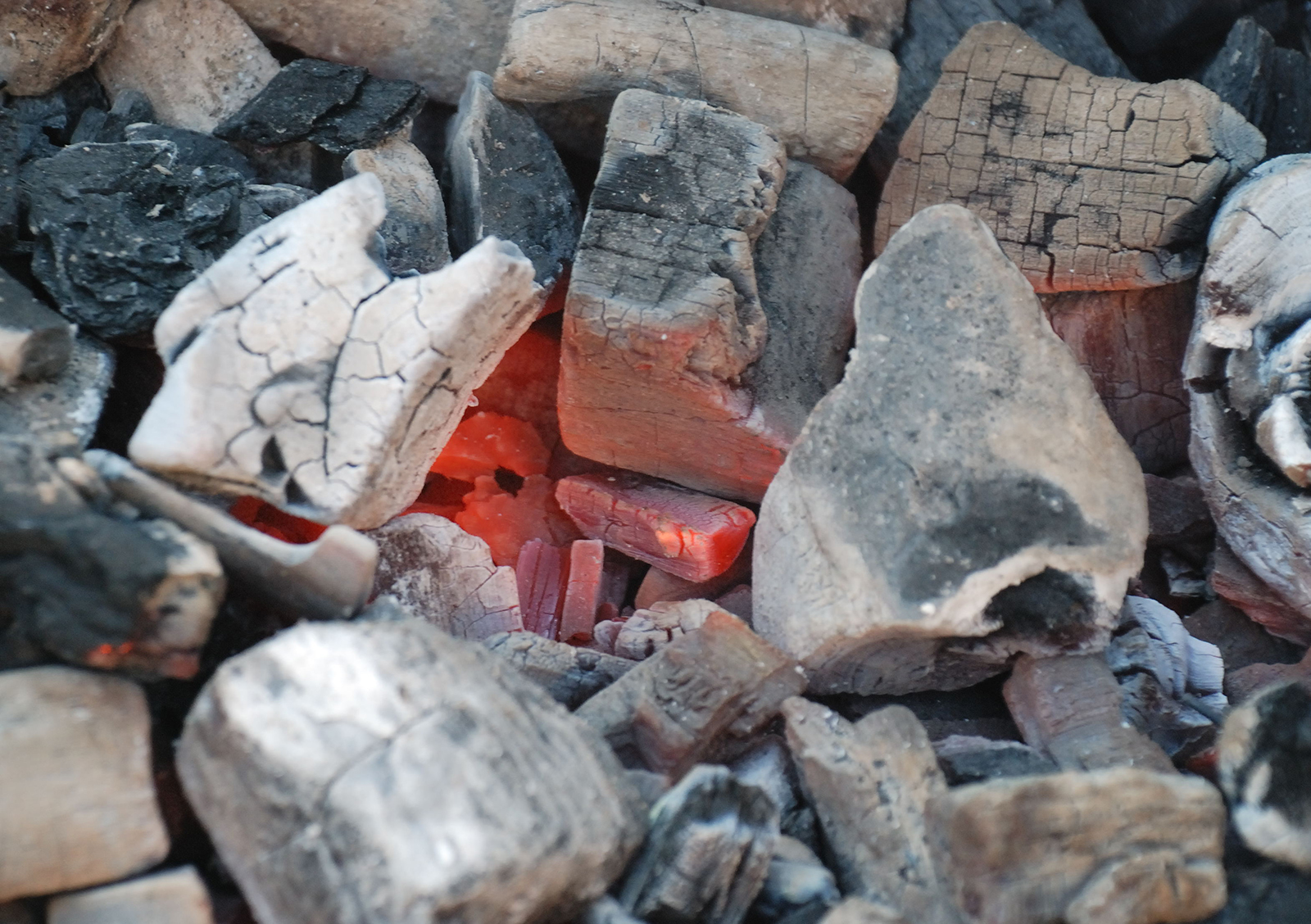
Charcoal production is
depleting indigenous forests in Zimbabwe where hardwood trees are preferred to
make charcoal. Credit: Busani Bafana/IPS
Charcoal – favoured
for burning hotter and longer than wood – is made from heating wood without
oxygen.
The practice is taking
root across swathes of the country, dominated by native forest hardwoods such
as the mopane hardwood species (Copaifera
mopane J)”, Makoto said.
Charcoal sold in urban
centres is usually illegally imported from Mozambique and Zambia, where
charcoal has traditionally been produced.
But this energy source
is now being produced in Muzarabani District in Mashonaland Central Province
close to the border with Mozambique, according to the Forestry Commission.
The Midlands province,
Mashonaland West Province and Matabeleland North province were also hot spots
for charcoal production, said Makoto.
In Matabeleland North
province charcoal producing areas include Hwange Colliery Concession, Gwayi
River Farms and resettlement villages along the Bubi-Nkayi boundary, said
Armstone Tembo, the Forestry Commission Chief Conservator of Forests.
“We have been carrying
out raids and confiscating the charcoal but our problem is that we are aware
that even if we confiscate the charcoal people still go to those areas and cut
down more trees and produce charcoal,” she said.
Last year, more than
30 people were arrested and fined for trading in charcoal with 1,9 tonnes of
charcoal confiscated.
This year, more than
1,000 bags of charcoals were confiscated and 10 people arrested and charged for
making and selling charcoal.
“We need a lasting
solution that can completely eliminate charcoal making in the country. Maybe
crafting new laws to directly address the issue of charcoal production in
Zimbabwe would help.”
The production,
marketing and even consumption of charcoal are crimes, unless one is buying
charcoal made from exotic trees, according to Abednego Marufu, the Forestry
Commission’s general manager.
Marufu said that there
was an exception for timber companies who harvested exotic tree species, such
as wattle, for charcoal making.
The Forestry
Commission is pushing for tighter laws to curb the practice, proposing a
mandatory jail term, instead of fines, which are proving not sufficient
deterrent.
Currently anyone
caught selling firewood and charcoal can receive a Level 7 fine for $59 or a
year in jail.
“The Level 7 fine for
people in communal areas is deterrent enough what is required by us is
enforcement and we are working with the Zimbabwe Republic Police and the Rural
District Councils and the Environmental Management Agency to curb this
activity,” Marufu said.
“We envisage a
mandatory jail term rather than optional fines so that people can go to jail
for three months. We feel it will be painful enough for people to understand
that environmental crimes are serious.”
However, stricter
fines are not necessarily the answer to issue, some activists note.
“The constant rise of
electricity is unsustainable not just for consumers who are poor and unemployed
but also for businesses because electricity is a key component of both the domestic
and household economy,” Effie Ncube, a civil rights activist, told IPS.
He added that high
costs of electricity are also pushing up the costs of basic goods and services.
Last September, the
Zimbabwe Electricity Transmission and Distribution Company (ZETDC), the holding
company of the Zimbabwe Electricity Supply Authority (Zesa), increased charges
by 50 percent.
These were increased
by a further 30 percent in May. The increases were attributed to the high costs
of importing electricity.
Soaring prices of
basic food stuffs, food, fuel and energy are driving Zimbabweans to poverty,
said Comfort Muchekeza, southern region manager of the Consumer Council of
Zimbabwe, arguing that government needs to restore economic production for
consumers to afford electricity.
“Energy is a really a
sensitive issue,” Machemedza told IPS by telephone.
“It is high time the
government comes up with alternative sources of energy and invites other
players into the energy sector.
“The cost of
electricity today has gone beyond the reach of not only the ordinary consumers
but even the middle class.
“Since September last
year we have seen more than three increases in electricity and that is
worrying.”
Wood fuels represent
significant economic value in many countries, accounting for
approximately $ 6 billion for the whole of Africa, according to the United
Nations’ Food and Agriculture Organisation (FAO).
More than $1 billion
of this amount was made up by charcoal.
“Zimbabwe needs to
invest in wide scale alternative energy sources like wind and solar so that
people have access to affordable and clean energy at a time when firewood and
charcoal are widely use but these have a serious environmental impact,” Ncube
said. – IPS




 Slider3 years ago
 National5 years ago
 Tourism and Environment4 years ago
 Special reports4 years ago
 Opinion4 years ago
 National4 years ago
 National3 years ago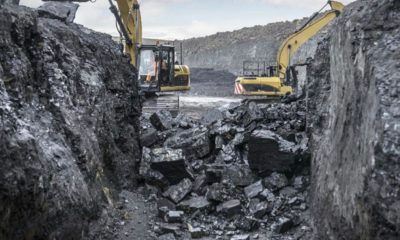
 National3 years ago