Connect with us

National

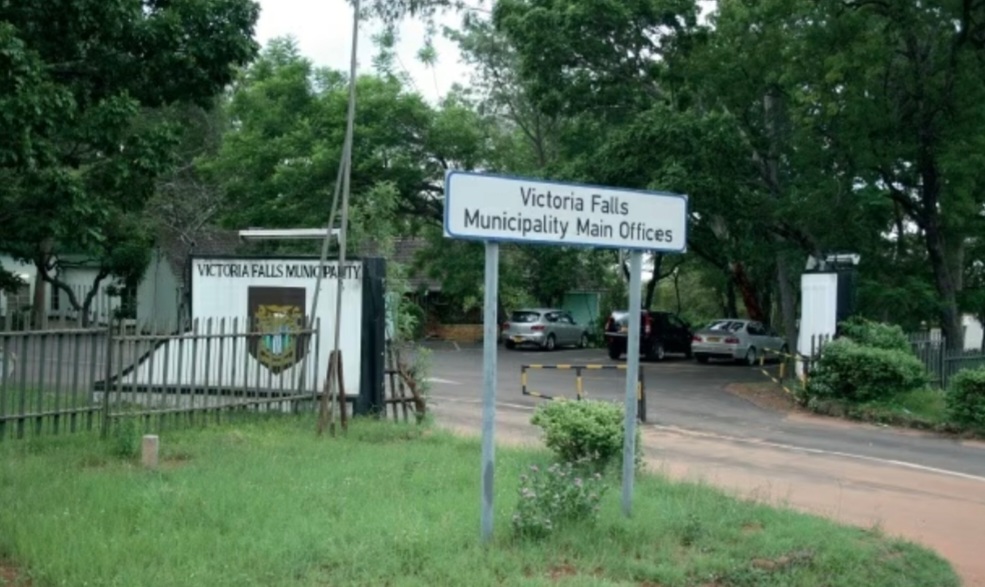
Victoria Falls City Council sets 2023 budget at US$20 million

Published

on

BY NOKUTHABA DLAMINI

The Victoria Falls City Council is proposing a US$20 million budget for next year as it tries to keep up with rising inflation.

Advertisement

Speaking on the sidelines of a recent budget consultation meeting, council’s finance director Neville Ndlovu said the proposed budget was a US$2 million increase from the combined 2022 budget and the supplementary budget that was adopted later in the year.

“For 2022, including the supplementary budget we were on US$18 965 149, and for the next year we are proposing US$20 083 932,” Ndlovu said.

The council’s finance boss had earlier told stakeholders that the 2023 tariff increase was mainly driven by the worsening economic situation, characterised by rising inflation.

Advertisement

“Inflation rose from 66, 18 percent in February to 257 percent in July,” Ndlovu said.

“Fuel prices continue to rise and electricity (tariffs) went up by 342 percent while the official exchange rate moved from $85 to $621 yet the parallel market exchange rate has moved from $120 to $750 (to the US dollar).”

He said although the government had eased travel restrictions imposed during Covid-19 lockdowns, the war between Russia and Ukraine continued to affect the city’s biggest economy, which is tourism.

Advertisement

If the proposed budget is approved by central government, 1 000 litres of water will cost US$1.07 cents from US$ 83 cents for the least paying ratepayers from high density suburbs.

Cemetery fees will be pegged at US$250 from $175 while expecting mothers will be paying 50 percent more for delivering at the council-run clinics.

Commercial license fees will go up by between 50 percent and over 170 percent.

Advertisement

Helicopter helipad owners will pay US$1719 up from US$ 860 and operators said the fees were beyond their reach considering that the tourism industry was yet to recover from the effects of the Covid-19 pandemic.

Meanwhile, residents pleaded with the local authority to revise the budget downwards arguing that the proposed tariffs did not match the level of service delivery in the city.

Most suburbs in the city do not have constant water supplies and suffer from frequent sewer pipe bursts.

Advertisement

Ndlovu said council had managed to work on the storm drains in three areas and embarked on road rehabilitation programmes utilising its capital budget.

Council also bought a motorised grader, he said.

He, however, bemoaned shortage of manpower and support staff to efficiently execute duties.

Advertisement

“We have a huge backlog on valve maintenance, both small and commercial, and we also lack service equipment for dewatering and jack hammers,” Ndlovu said.

Advertisement
Continue Reading
Click to comment

Leave a Reply

Your email address will not be published. Required fields are marked *

National

Flooding risk rises in Zimbabwe, Southern Africa as heavy rains forecast

Published

on

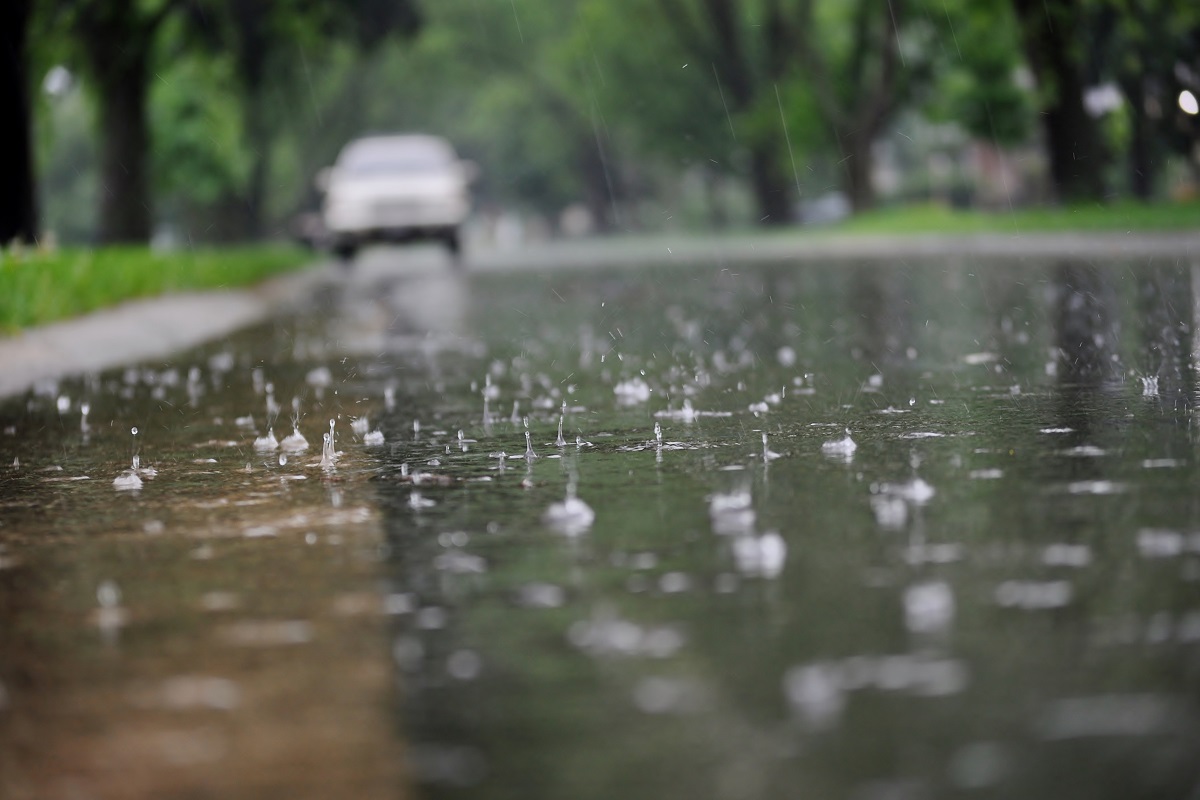
Flooding is expected to intensify across parts of Southern Africa, including Zimbabwe, as heavy rainfall continues to affect the region, according to the latest weather hazards update from the Famine Early Warning Systems Network (FEWS NET).

In its Global Weather Hazards Summary for March 12–18, FEWS NET said moderate to locally heavy rainfall has been observed across several countries in the region, raising concerns about flooding in vulnerable areas.

Advertisement

The agency said the rainfall has affected western, central and eastern parts of Southern Africa, including Angola, Zambia, Malawi, central Mozambique, northern Madagascar, Botswana, Namibia, South Africa and Zimbabwe.

“During the past week, moderate to locally heavy rainfall was observed over northern, central and eastern Southern Africa,” FEWS NET said in the report.

The agency noted that flooding has already been recorded in some parts of the region, including Cunene Province in southern Angola and Rundu in northern Namibia, as rainfall continued across several countries.

Advertisement

Over the past 30 days, cumulative rainfall has been above average across southeastern Angola, northeastern Botswana, central South Africa, Lesotho, central and southern Zimbabwe and parts of Malawi and Mozambique, increasing the likelihood of flooding in low-lying and flood-prone areas.

FEWS NET warned that the situation could worsen in the coming days.

“(This week) , heavy rainfall is predicted over northern and eastern Zambia, including central and northern Angola, central and eastern Zambia, Malawi, northern and eastern Zimbabwe, Mozambique, northeastern South Africa, Eswatini and northern Madagascar,” the report said.

Advertisement

According to the outlook, the forecast rainfall raises the risk of flooding in many local areas across the region, particularly where soils are already saturated following weeks of above-average rainfall.

The weather monitoring agency also noted that hot conditions are likely in western Angola and southwestern Madagascar, even as other areas brace for continued heavy rains.

FEWS NET provides climate and food security early warning information to support humanitarian planning and disaster preparedness across vulnerable regions.

Advertisement

Continue Reading

National

Parliament debates disputed chiefdoms across the country

Published

on


BY STAFF REPORTER 

Advertisement

Parliament has raised concern over increasing disputes over traditional leadership, with lawmakers warning that contested chiefdoms are undermining governance and development in rural communities.

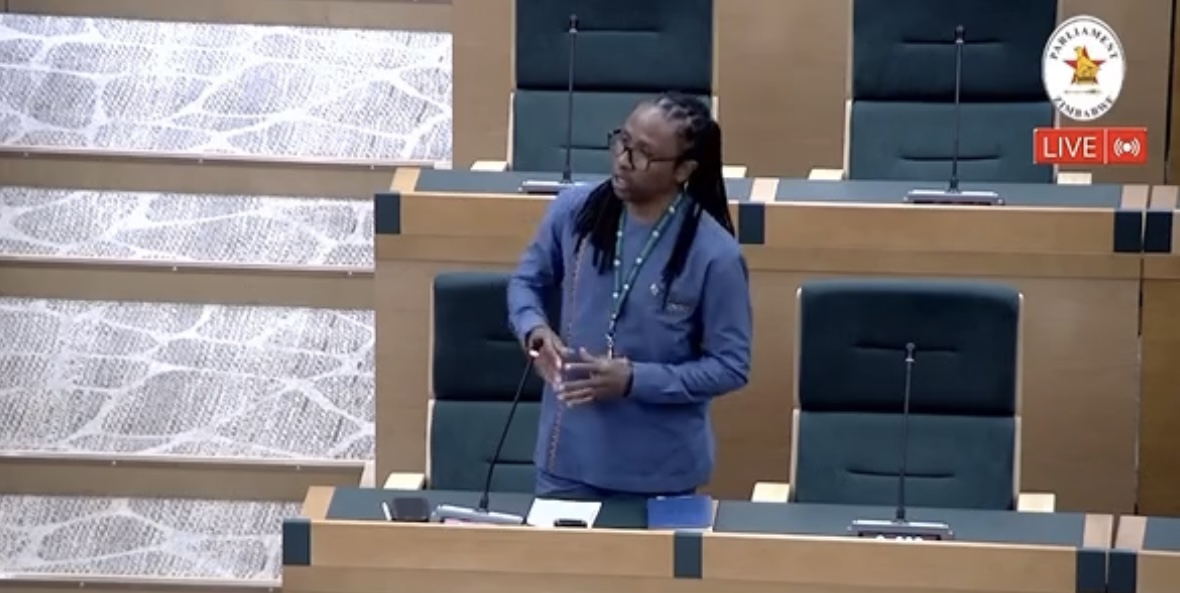
Moving a motion in the National Assembly, Hwange West MP, Vusumuzi Moyo said the growing number of chieftainship disputes posed a threat to peace and cultural heritage.

“I rise today to debate on a matter which I believe is a matter of national importance, the growing prevalence of disputed chiefdoms across Zimbabwe and the serious threat that these poses to peace, governance, development, and the preservation of our cultural heritage,” Moyo told Parliament. 

Advertisement

He said many disputes date back to distortions created during the colonial period.

“Some of these disputes… emanate from colonial times… when the colonial masters moved in. When they moved in, we already had governing structures,” he said. 

Moyo also referenced communities in Hwange District, saying colonial relocations disrupted traditional governance systems.

Advertisement

“I remember in the constituency that I come from, most of these people… had been resettled from far-off lands, fertile lands, and dumped in Hwange District,” he said. 

He warned that unresolved leadership disputes weaken governance at grassroots level.

“Madam Speaker, when a chiefdom becomes disputed, those constitutional functions grind to a halt. Customary courts lose legitimacy. Land allocations become contested. Development programmes stall,” he said. 

Advertisement

Moyo urged Government to establish clearer succession procedures for traditional leaders.

“It is my sincere hope that… we could start the conversation of trying to restore our culture by providing the necessary legislation to make sure that we cure all this,” he said.  

Advertisement
Continue Reading

National

Rising Zambezi flows lift Kariba water levels amid improved rains

Published

on

BY WANDILE TSHUMA

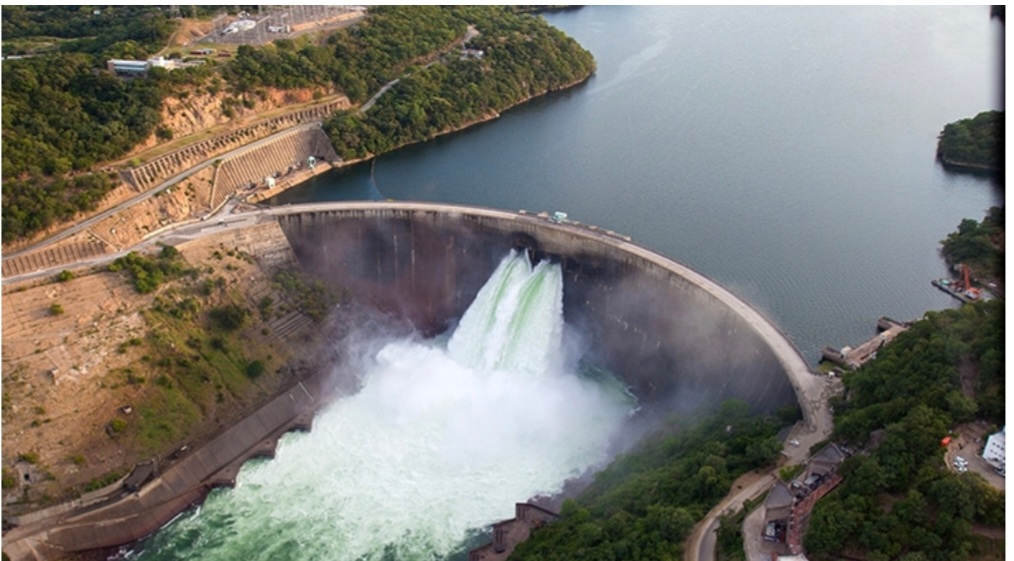
Water levels at the Kariba Dam are gradually rising following improved rainfall across the Zambezi River Basin, bringing cautious optimism for water availability and power generation.

Advertisement

In a hydrological update released Tuesday, the Zambezi River Authority said the Lake Kariba reservoir level had reached 477.74 metres above sea level as of 10 March 2026.

Usable live storage now stands at 15.57 percent, equivalent to about 10.08 billion cubic metres of usable water.

The Authority said the increase is being driven by improved rainfall across much of the Kariba catchment during the 2025/2026 rainy season, which has boosted river flows and inflows into the reservoir.

Advertisement

“This reflects an improvement compared to the same date in 2025, when the reservoir stood at 476.93 metres above sea level with usable live storage of 9.87 percent,” the Authority said.

Zambezi flows rising at key monitoring points

River flows are also increasing at key monitoring stations along the Zambezi River.

Advertisement

At the Chavuma Gauging Station, flows reached 3,058 cubic metres per second on 10 March 2026, significantly higher than 2,088 cubic metres per second recorded during the same period last year.

Flows have also risen sharply near Victoria Falls, a key tourism and hydrological monitoring point.

At the Victoria Falls (Nana’s Farm) Gauging Station, river flows increased to 1,645 cubic metres per second, compared to 871 cubic metres per second on the same date in 2025.

Advertisement

The Authority said the upward trend reflects stronger rainfall upstream and around the Victoria Falls area, which is feeding the Zambezi system.

Outlook

The Zambezi River Authority said it will continue monitoring rainfall patterns and inflows across the basin to guide water utilisation at hydropower stations linked to the Kariba Dam.

Advertisement

The reservoir is a critical source of electricity for both Zimbabwe and Zambia, which jointly own and manage the dam through the Authority.

Advertisement
Continue Reading

Trending

Copyright © 2022 VicFallsLive. All rights reserved, powered by Advantage