Connect with us

Slider

591 rangers killed in Africa — New report warns of urgent need for Better Protection

Published

on

BY NOKUTHABA DLAMINI 

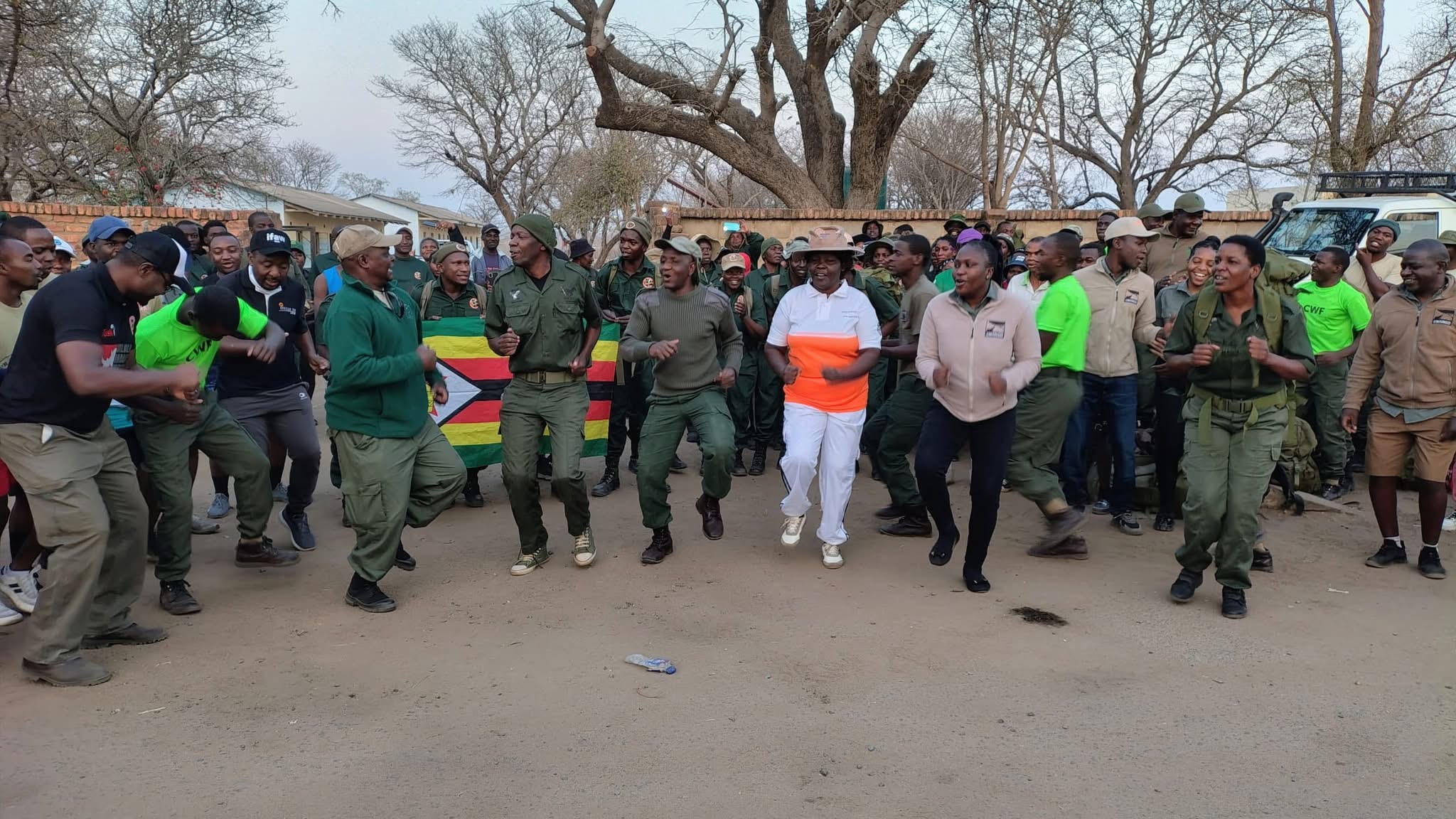
At least 591 rangers were killed in Africa between 2006 and 2021, making the continent the deadliest place in the world for those on the frontline of protecting wildlife. This stark statistic was revealed by conservation charity Tusk in a press statement issued to mark World Ranger Day, warning that without urgent reforms, more lives will be lost — and Africa’s biodiversity will pay the price.

Advertisement

“Being a ranger extends far beyond conservation. You are educators, community leaders, researchers, mentors and protectors of cultural and historical heritage, yet this remains one of the most dangerous jobs on Earth,” said Prince William, Tusk’s Royal Patron, in a video message to rangers.

Despite their sacrifices, fewer than 40% of rangers worldwide have access to life insurance, and only 63% receive basic medical services. Many are still underpaid, under-equipped, and exposed to deadly risks from armed poachers, human-wildlife conflict, and hazardous terrain.

Nick Bubb, CEO of Tusk, said: “Too many rangers risk their lives without even the most basic protection. If we are serious about delivering the global biodiversity targets, we must further professionalise the ranger role – with insurance, fair pay, and recognition – so that it becomes a career young Africans aspire to join.”

Advertisement

The White Paper, Protecting Rangers to Protect Nature, stresses that Africa currently has just 65,000 active rangers — far short of the 345,000 needed to meet international biodiversity targets, including the 30×30 goal to protect 30% of land and seas by 2030.

Louise de Bruin, CEO of the Game Rangers Association of Africa, added: “Our priority is to stand with rangers on the ground and support the organisations that employ them. The RWSI gives us a practical way to listen to rangers, assess their needs, and work alongside partners to improve welfare standards.”

The statement calls for governments, donors, and conservation organisations to embed reforms through the Ranger Welfare and Standards Initiative, launched last year. Measures include affordable insurance, professional training, fair pay, and continent-wide emergency systems to ensure no ranger is left vulnerable.

Advertisement

Senior ranger Benson Kanyembo from Zambia captured the human cost: “Ranger recruitment is low because the job, as it stands, is not attractive enough. Rangers face extreme personal risk while their families live one accident or illness away from destitution. This is not acceptable.”

The report concludes that protecting rangers is inseparable from protecting nature. Without them, Africa risks losing not only its iconic elephants, rhinos, and lions — but also the ecosystems that provide food, water, and livelihoods for millions.

Advertisement
Continue Reading
Click to comment

Leave a Reply

Your email address will not be published. Required fields are marked *

Slider

Matabeleland North shines in athletics at national schools competitions

Published

on

BY NOKUTHABA DLAMINI

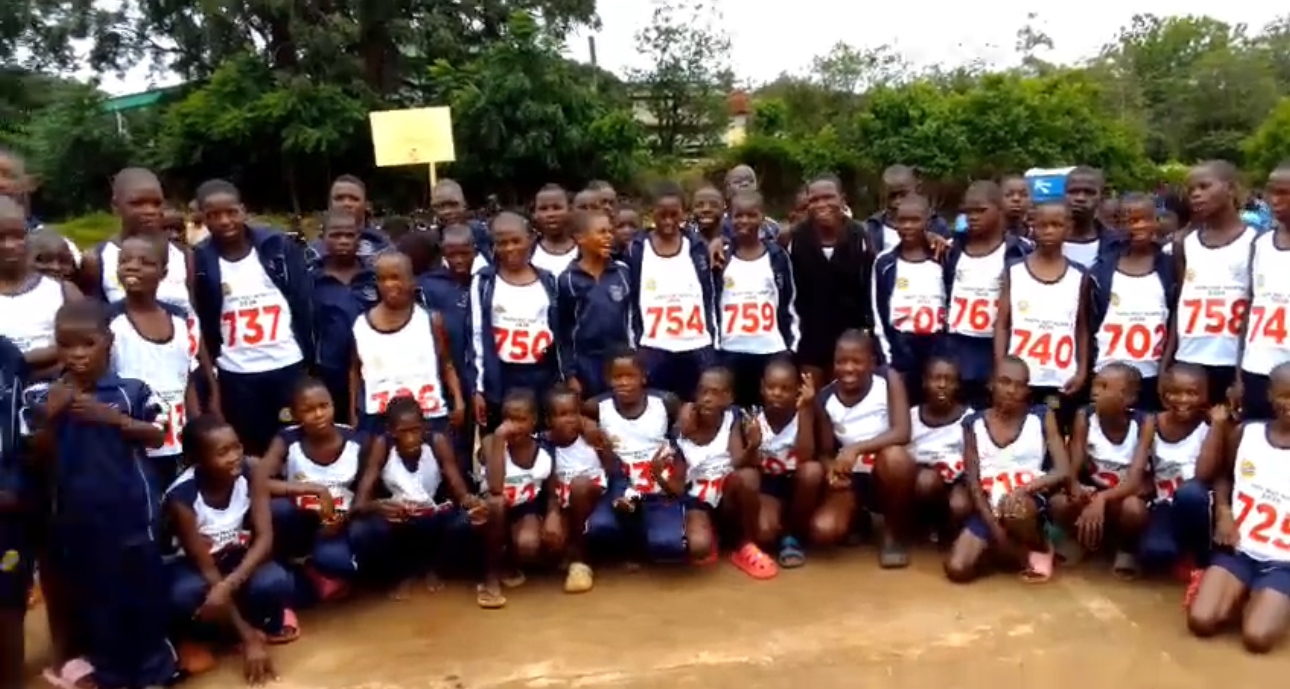
Matabeleland North Province delivered a strong performance in athletics at the National Association of Primary School Heads (NAPH) competitions held in Bindura, scooping five gold medals despite challenges in other disciplines.

Advertisement


The competitions ran last week from 17 to 19, with 16 and 20 set aside for travel.


Advertisement

Speaking after the event, the Matabeleland North NAPH Vice Secretary, Edward Mudimba of Binga, told VicFallsLive that the province sent a delegation of 121 participants drawn from all seven districts.
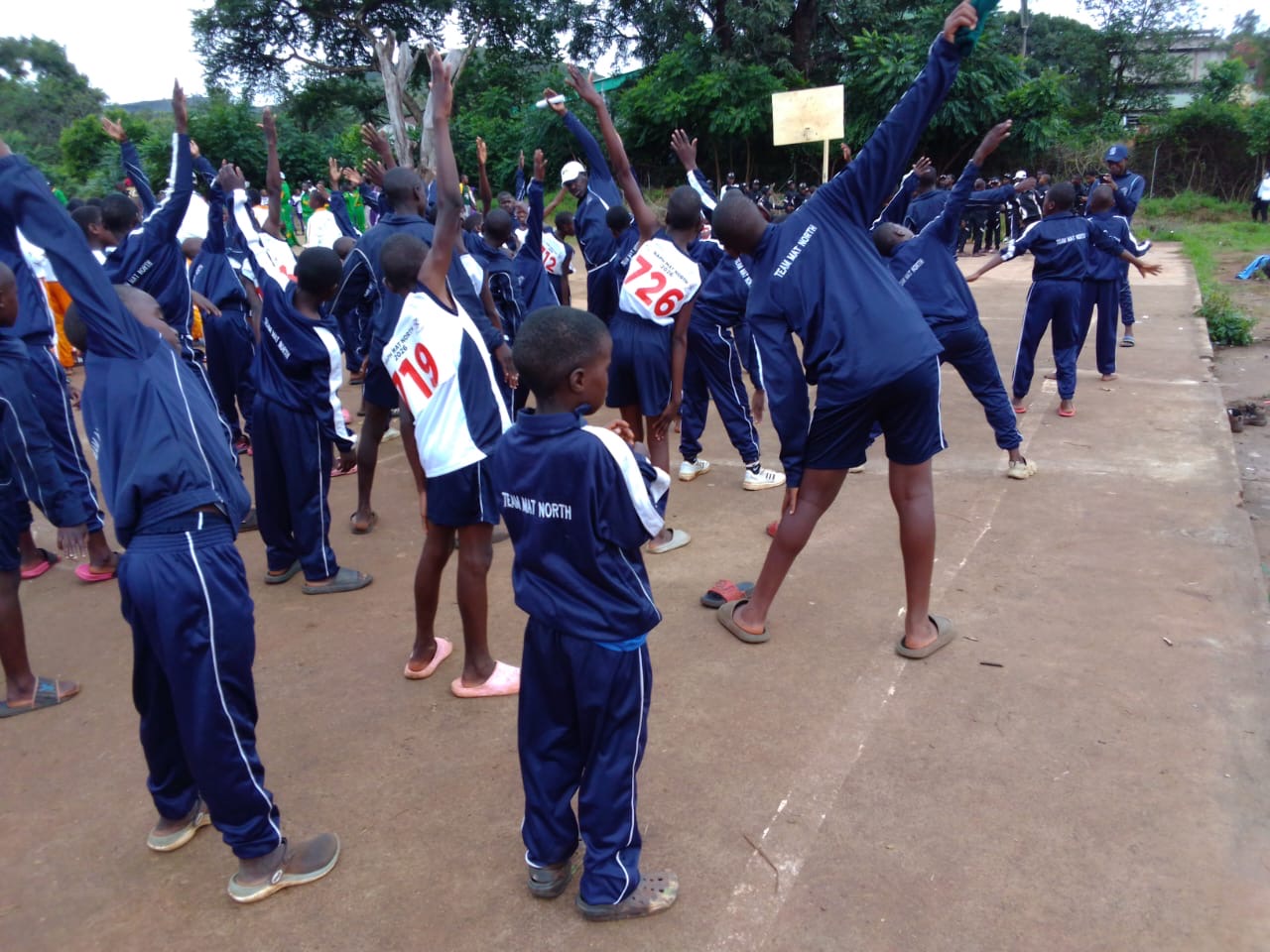
Of these, 69 competed in track and field, 31 in drama, 16 in physical education, and eight in chess.


Advertisement

Athletics dominates medal haul


Matabeleland North’s strongest showing came in athletics, where the province secured five gold medals and 10 bronze medals.

Advertisement


A standout performer was Ashton Ndlovu of Hwange District’s Chamabondo Primary School, who won three gold medals in the Under-14 boys’ 100m, 200m and 400m races.


Advertisement

Another gold medal came from Mbuewa Sisasenkosi of Dundubala Primary School in Umguza, who won the Under-13 girls’ 800m race.


The fifth gold medal was secured in the Under-13 boys’ 4x100m relay.

Advertisement


Chess team shows promise


Advertisement

In chess, Matabeleland North fielded eight players across Under-8, Under-12 and Under-14 categories.


The province recorded its best results in the Under-8 category, where Philip Ndlovu of Sigonda Primary School in Nkayi won gold, while Prudence from Mathe Primary School in Tsholotsho secured a silver medal.

Advertisement


The results earned the province an overall silver medal and a trophy in the Under-8 category.


Advertisement

“We see a lot of potential in the Under-8 category and we believe we can build on that,” said Mudimba.


Struggles in drummies and physical education
Advertisement

However, the province faced challenges in other disciplines.


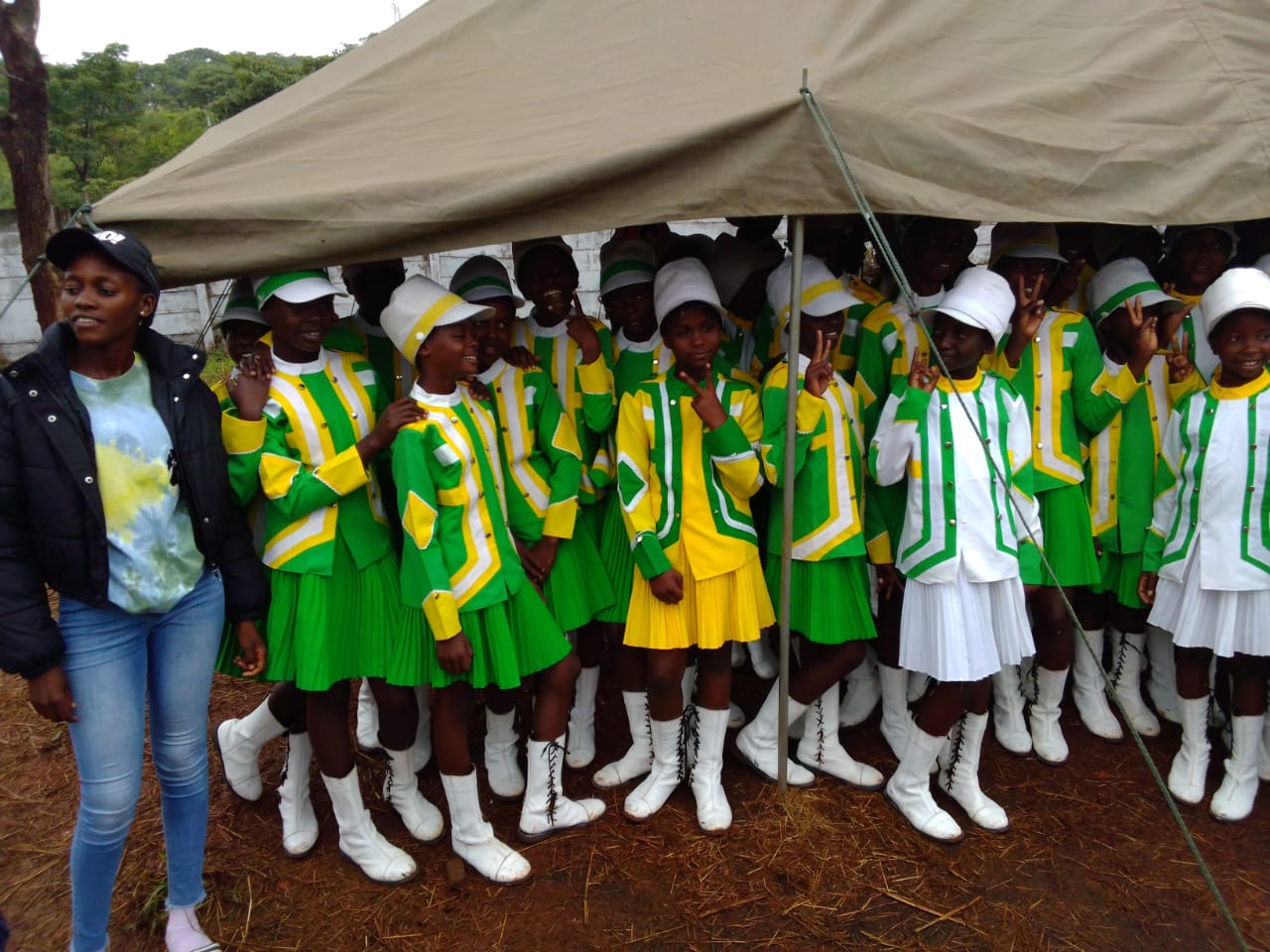
The drummies team, finished ninth out of 10 provinces.

Advertisement


Physical education, represented by David Livingstone Primary School in Umguza, also underperformed, finishing seventh.


Advertisement

“We didn’t do very well in drummies and physical education, but these are areas we are still developing and we hope to improve going forward,”Mudimba said.


Call for resources

Advertisement


Mudimba attributed the weaker performance in some categories to limited resources.


Advertisement

“Our main challenge is resources, particularly financial support. We need to improve our preparations and displays, especially in physical education, before we can expect better results,” he said.

Top three overall winners

Harare
Mashonaland Central
Mashonaland West
Advertisement

Continue Reading

Slider

Three painted dogs killed along Hwange highway as conservationists raise alarm

Published

on

BY NOKUTHABA DLAMINI

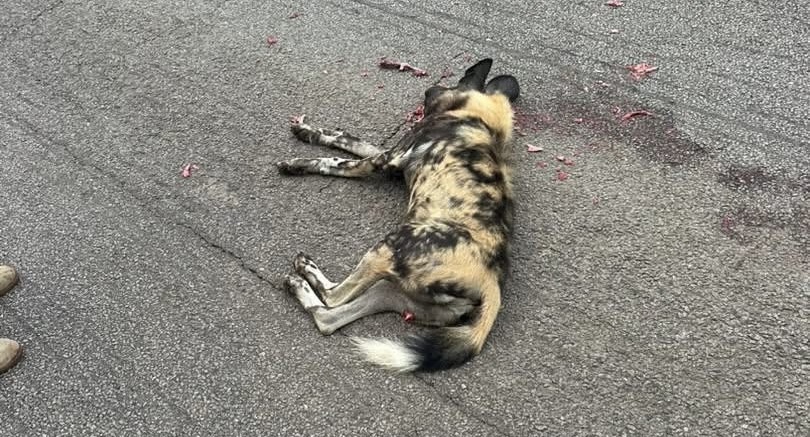
Conservationists have raised fresh concern over wildlife safety along the busy Bulawayo–Victoria Falls highway after three endangered African wild dog were killed in separate incidents within a week.

Advertisement

In a statement, Painted Dog Conservation confirmed that two pups from the Umkhonto pack were struck and killed by a vehicle overnight within the Hwange landscape.

“We are heartbroken to share that two pups from the Umkhonto pack were killed overnight after being struck by a vehicle along the Bulawayo–Victoria Falls road,” the organisation said on Saturday.

The group said the pack had been safely escorted across a nearby road earlier, but is believed to have been disturbed by lions during the night, forcing them to move again toward the highway where the accident occurred.

Advertisement

“Despite constant monitoring and intervention, moments like this remind us how fragile their survival can be,” the organisation added.

The deaths bring to three the number of painted dogs killed along the same highway corridor in less than a week, with another animal reportedly struck closer to Victoria Falls.

Conservationists warned that the loss goes beyond individual animals, highlighting the species’ already fragile population.

Advertisement

“It’s not ‘just three dogs’. These three could have become alphas and been responsible for producing over 300 dogs through their offspring and subsequent generations,” the statement read.

Highway poses growing threat to wildlife

The Bulawayo–Victoria Falls road, which cuts through key wildlife areas including parts of Hwange National Park, has long been flagged as a danger zone for animals.

Advertisement

The highway is a major tourism and freight route linking Bulawayo to Victoria Falls, carrying heavy traffic volumes that include haulage trucks, buses, and self-drive tourists—many travelling at high speeds, particularly at night.

Wildlife frequently crosses this corridor as it bisects natural habitats and migration routes, bringing animals such as elephants, lions and painted dogs into direct conflict with vehicles.

Conservation groups have repeatedly called for stricter enforcement of speed limits, improved signage, and traffic calming measures in wildlife zones, especially at night when visibility is poor and animal movement increases.

Advertisement

Calls for action

Painted Dog Conservation urged motorists to slow down and remain vigilant when driving through wildlife areas.

“We urge all road users to slow down—especially at night—and call on authorities to strengthen and enforce speed reduction measures in wildlife areas. Their survival depends on it.”

Advertisement

The deaths come amid growing concern over human-wildlife conflict in Matabeleland North, where expanding infrastructure and traffic volumes continue to put pressure on endangered species.

Advertisement
Continue Reading

In the community

MPs question poor radio, TV coverage in Mat North

Published

on

BY STAFF REPORTER 

Concerns over limited access to national broadcasting services in Matabeleland North Province were raised in Parliament.

Advertisement

MP Discent Bajila of Emakhandeni-Luveve constituency asked the Minister of Information, Publicity and Broadcasting Services:

“To explain why national radio and television coverage remains poor or non-existent in parts of Gokwe North District, Matabeleland North Province, Matabeleland South Province, and nearby districts, and to indicate whether there are any digital signal expansion plans in place before 2026.” 

In a separate question, Joseph Bonda for Hwange East Constituency raised concern over weather information gaps in Hwange:

Advertisement

“Why the weather forecast for Hwange is not broadcast, given that it is a resort with municipal status and significant business activities.” 

No responses were recorded.

Advertisement
Continue Reading

Trending

Copyright © 2022 VicFallsLive. All rights reserved, powered by Advantage