Connect with us

National

Zimbabwe reopens bars, but only for vaccinated drinkers

Published

on

BY FARAI MUTSAKA

Zimbabwe is allowing bars to reopen for the first time in more than a year, but only fully vaccinated people will be allowed to take a swig from inside the premises.

Advertisement

The southern African country closed pubs and nightclubs in March 2020 as part of restrictions to slow the spread of Covid-19 and had ignored pleas by owners to ease the restrictions to rescue their collapsing businesses

“It is a huge relief,” Faith Masiya, a director of FC Lounge in the eastern city of Mutare, said Wednesday.

“Being closed for more than a year wasn’t a joke, it nearly killed our business.

Advertisement

“We had a lot of overheads to meet like salaries, trading license fees, water and electricity bills.

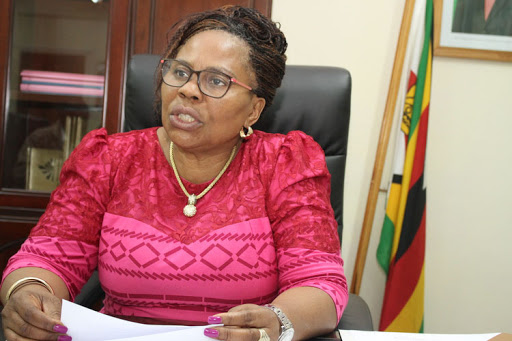
Information Minister Monica Mutsvangwa said the decision to open pubs and nightclubs was out of “concern” that “the continued closure of licensed bars and nightclubs has caused not only a loss of income and unemployment but also resulted in the mushrooming of illegal outlets.”

Before the decision, alcohol sales were limited to supermarkets, small retail liquor stores, restaurants and hotels serving customers. Pubs and nightclubs will still have to close by 7 PM, the time all non-essential businesses must close under existing restrictions, said Mutsvangwa.

Advertisement

For drinkers, this is still better than before when they had to play hide and seek with the police while drinking at illegal taverns or open spaces turned into drinking spots.

To stay afloat, many outlets would also surreptitiously sell booze to patrons through small windows and often paid bribes for the police to look the other way.

Zimbabwe is one of the few African countries to use vaccine mandates to push a hesitant population to get jabs.

Advertisement

Only fully vaccinated people are permitted to go to places of worship and restaurants, for instance.

The government has also ordered all its workers to get vaccinated or lose their pay.

Private sector employers are also telling workers to get the shots or lose their jobs.

Advertisement

Zimbabwe had recorded 131,335 infections, including 4,629 deaths, as of October 5, according to government figures.

More than 15 percent of Zimbabwe’s 15 million people are fully vaccinated — well above the overall African rate of four but far from the government’s goal of 60 percent. – AP

Advertisement
Continue Reading
Click to comment

Leave a Reply

Your email address will not be published. Required fields are marked *

National

Malaria surge persists in Zimbabwe despite interventions, rural communities struggle

Published

on

BY NOTHANDO DUBE

Zimbabwe is experiencing a sharp rise in malaria cases in 2026, with health experts warning that funding gaps, climate pressures and persistent transmission in high-risk areas are reversing years of progress.

Latest figures from the Ministry of Health show that by mid-April, the country had recorded over 65 000 malaria cases and 174 deaths, nearly double the numbers reported during the same period in 2025. The increase follows the premature closure of the Zimbabwe Assistance Programme in Malaria (ZAPIM), which had supported key prevention and control efforts.

Save the Children said the end of the programme has contributed to shortages of insecticide-treated mosquito nets, delays in vector control operations and weakened disease surveillance, particularly in vulnerable rural communities.

The Community Working Group on Health (CWGH) also warned that Zimbabwe recorded 154 000 malaria cases and 423 deaths in 2025, linking the continued spread of the disease to erratic rainfall, flooding and rising temperatures that have expanded mosquito breeding sites.  

In malaria-prone districts such as Binga, frontline health workers say the disease remains difficult to contain despite ongoing interventions.

Village health worker Margaret Bernard from Tindi said communities continue to receive support, including mosquito nets, medication and other supplies, but challenges persist.

“We do get assistance to fight malaria because Binga is prone to the disease. We receive mosquito nets, medication and other support,” she said. “But even with these interventions, it is still difficult to fully contain malaria here. The cases keep coming, especially during the rainy season.”

Zimbabwe had previously made significant progress in reducing malaria cases, with infections dropping sharply between 2023 and 2024 due to sustained investment and coordinated efforts. However, experts warn that without renewed funding and stronger community-level responses, those gains could be lost.

“Malaria remains preventable and treatable, but deaths are rising again,” CWGH said, calling for urgent action to strengthen prevention, improve treatment access and secure long-term funding.

Continue Reading

National

EcoCash launches all-in-one super app

Published

on

BY STAFF REPORTER 

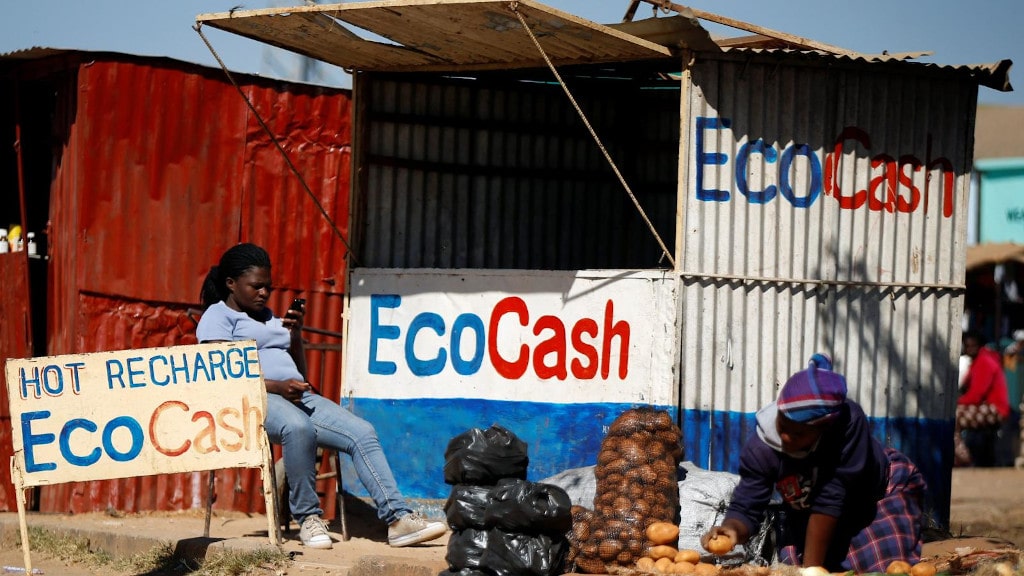
Leading fintech platform EcoCash has launched an all-in-one “super app” integrating payments, chat and lifestyle services into a single platform, in a push to deepen digital financial inclusion.

Developed by Sasai Fintech, a unit of Cassava Technologies, the app signals EcoCash’s shift towards a fully integrated digital and social ecosystem that goes beyond traditional payments.

In a statement, EcoCash said the platform responds to growing demand for seamless, mobile-first solutions that combine communication and transactions.

“With mobile devices now central to how people live, work and transact, we have reimagined the EcoCash app to deliver a secure, convenient and integrated digital experience,” the company said.

A key feature is social payments, allowing users to send and receive money within chat conversations without switching apps. The platform also includes automated bill-splitting, enabling users to divide shared costs in real time.

The app integrates merchant payments, bill settlements, and airtime and data purchases into a single interface, aiming to reduce transaction time and data costs.

EcoCash said the platform also supports content monetisation, allowing users to create and earn income directly, targeting Zimbabwe’s growing community of digital creators and small businesses.

The company said the super app forms part of a broader innovation pipeline that will include stablecoin-based remittances and other digital financial services, supported by investments in artificial intelligence.

Sasai Fintech recently partnered with Circle, an internet financial platform company, to advance stablecoin adoption in Africa.

Continue Reading

National

Zimbabwe approves US$92 million Victoria Falls infrastructure deal

Published

on


BY WANDILE TSHUMA

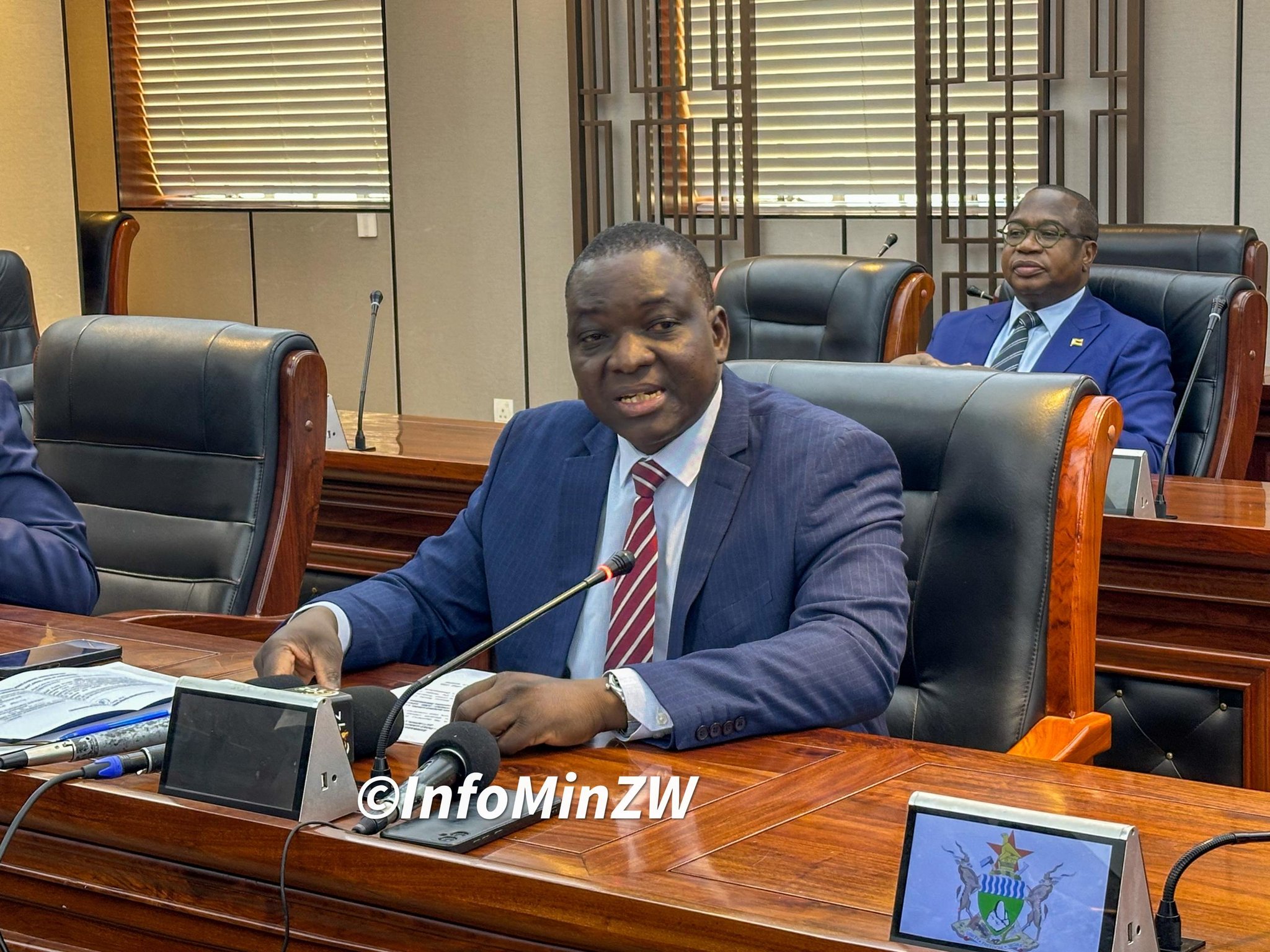
The government has greenlit a major public-private partnership (PPP) to develop critical bulk infrastructure within the Masuwe Special Economic Zone (MSEZ), a move aimed at transforming Victoria Falls into a premier international hub for finance and tourism.

The project, approved during the Tuesday cabinet meeting, establishes a commercial joint venture (CJV) between the state-owned Mosi Oa Tunya Development Company (MTDC) and the JR Goddard (JRG) Consortium.

According to the government briefing, the MSEZ is a “flagship national development project” established to “transform Victoria Falls into a diversified, high-value hub integrating tourism, financial services and sustainable real estate”.

Advertisement


Under the terms of the agreement, the JRG Consortium—which includes JR Goddard Pvt Ltd, Sesani Pvt Ltd, Stewart Scott Zimbabwe Pvt Ltd, and GGF Africa Pvt Ltd—will provide funding of US25.6 million.

This arrangement results in a shareholding structure of 39% for MTDC and 61% for the JR Goddard Consortium.

The infrastructure roadmap for the 1 200-hectare site is extensive. Planned works include the surfacing of 8 km of internal roads, the upgrading of 9 km of existing gravel roads, and the construction of a 13 km water pipeline designed to serve both the economic zone and neighbouring communities.

Advertisement


Additional developments will feature a package water treatment plant, a sewerage reticulation system, a power sub-station, and effluent re-use storage ponds.

Cabinet said the project was subjected to a “rigorous evaluation” in compliance with the Zimbabwe Investment and Development Agency (ZIDA) Act.

Officials believe the partnership will “catalyse high-value investment” and provide a “sustainable fiscal contribution to gross domestic product (GDP)” while creating downstream jobs.

Advertisement


The government said the project is expected to “catapult the transformation of Victoria Falls into a modern and vibrant economic development city, fulfilling the attainment of Vision 2030”.

The joint venture includes a 25-year structured profit recoup period and will be overseen by a board chaired by the MTDC to ensure alignment with the country’s National Development Strategy 2.

Located within the Kavango-Zambezi Transfrontier Conservation Area (KAZA-TfCA), the Masuwedevelopment is seen as a strategic pivot for Zimbabwe to diversify its tourism-dependent economy into a more robust financial services and real estate centre.

Advertisement


Continue Reading

Trending

Copyright © 2022 VicFallsLive. All rights reserved, powered by Advantage