BY OWN CORRESPONDENT
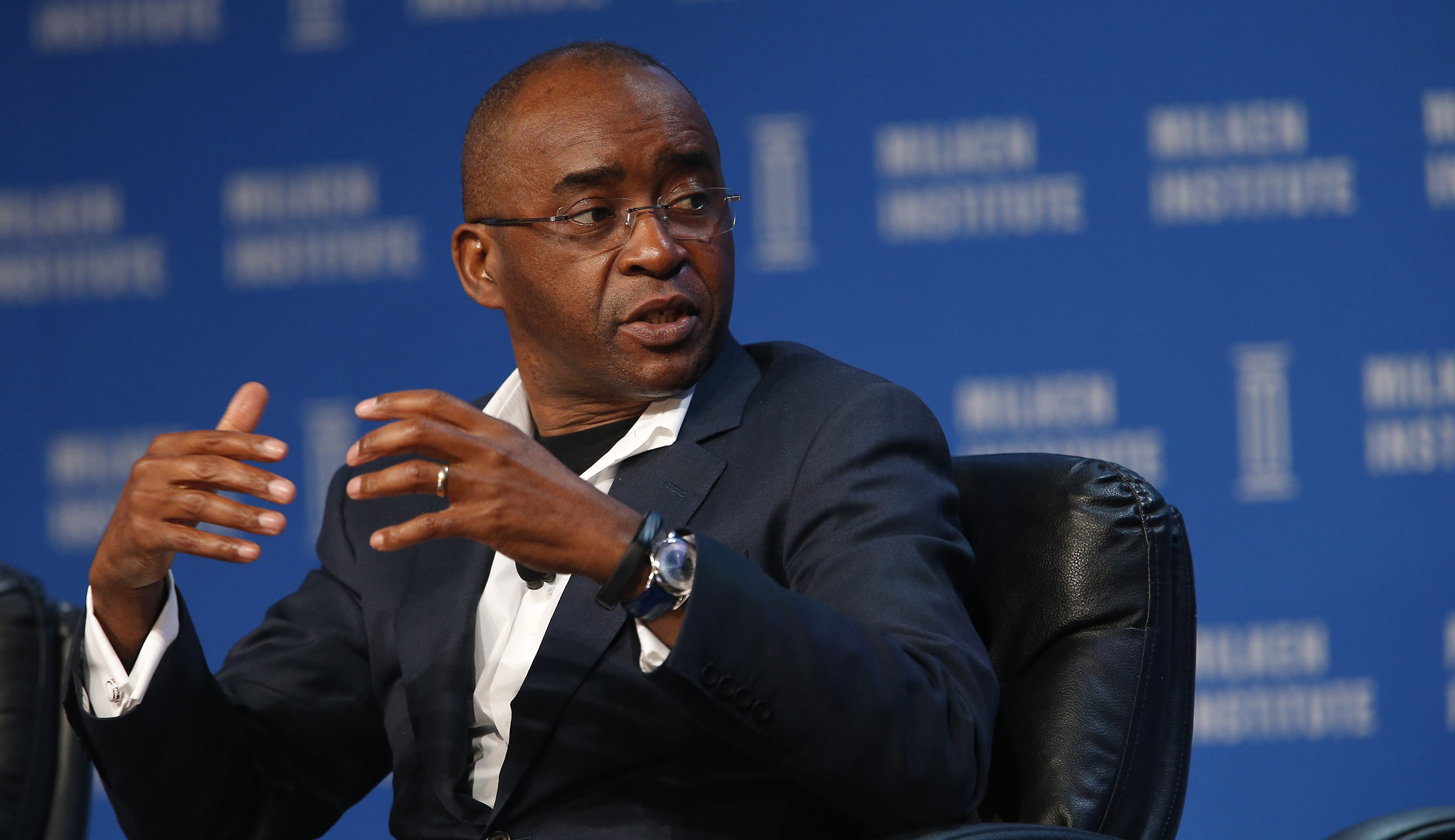
Econet founder and group chairman Strive Masiyiwa, whose company recently listed Econet InfraCo – an infrastructure platform company – says he was inspired to build an industrial hub in Harare, called Econet Tech City, after observing similar hubs spring up in other African and Asian cities.
In particular Masiyiwa made reference to the 12 000-hectare Eko Atlantic hub in Lagos, Nigeria, built on reclaimed land, where his Data Centre group has established a large facility.
“Modern international investors don’t like hassles when they plan to build a factory or high tech facility, like a Data Centre,” he said.
“They prefer locations where everything they need – such as power, water, fibre and satellite connectivity, industrial waste management, security, street lighting and staff transport – is readily available.
“They don’t want to be burdened with complex local planning approvals or licensing processes.
“These industrial hubs operate as a one-stop shop, managed by local experts who handle everything for them.
“When we build a data centre in an African city, it is a highly complex project and we seek these hubs, some even offering legal services.” He explained.
Econet InfraCo – which is listed on the Victoria Falls Stock Exchange, with an estimated valuation of US$1 billion dollars – owns an 800-hectare property near the Robert Mugabe International Airport in Harare.
It is currently in the process of turning it into a modern industrial hub – pending government approval – and is expected to attract 300 companies, creating over 20 000 jobs.
Tech City will not only be built by Econet InfraCo; the company will also continue to manage it on behalf the tenants. It will be surrounded by a security wall, with 24-hour guards protecting the perimeters, complete with CCTV and drone surveillance.
Masiyiwa said Econet InfraCo plans to address infrastructure challenges for investors in collaboration with the government.
“The goal is to build a self-sufficient ‘city within a city’, surpassing the pre-independence industrial areas, complete with a shopping mall and clinic, but excluding housing and offices. It is intended to create a spark for industrialization,” Masiyiwa said.
He said the site chosen by Econet InfraCo includes a large stream, crucial for water supply, and will utilize a 100MW solar plant.
Architects and engineers are already developing plans, with solar panels for the first phase arriving from China soon.
Econet, which already has a 5MW data centre in Willowvale, Harare, is planning to build a 10MW facility in Tech City. The industrial hub is the first major project that Econet InfraCo is undertaking.
Regarding project timelines, Masiyiwa said: “From Econet’s perspective, we can complete the site within two years, but government incentives for businesses are crucial.
“Zimbabwe is competing with cities like Lagos, Cape Town, Nairobi and Kigali. I have laid out the vision and discussed it with Zimbabwean leaders.
“If they and the people support it, this could be a great partnership. I envision similar projects across Africa, as I am a Pan-Africanist, but I always start in my country.”
Masiyiwa hopes Econet Tech City will be operational within five years, emphasising the pressing need for jobs for young people, which he said is “too urgent to ignore”.
He said since unveiling the plans, Econet has received inquiries from both local and international companies and discussions with the government were already underway.
Once finalised, he said Econet InfraCo will begin marketing the project to potential investors and start rolling out the facility in phases.
He added that Econet will not seek exclusive terms from the government, in the hope that the offer will extend to others with similar projects in Harare or other cities.
SOURCE: The Standard





 Slider3 years ago
 National5 years ago
 Tourism and Environment4 years ago
 Special reports4 years ago
 Opinion4 years ago
 National4 years ago
 National3 years ago
 National3 years ago
techyin
September 15, 2024 at 11:55 am
of course like your website but you have to check the spelling on several of your posts A number of them are rife with spelling issues and I in finding it very troublesome to inform the reality on the other hand I will certainly come back again