Connect with us

Lifestyle

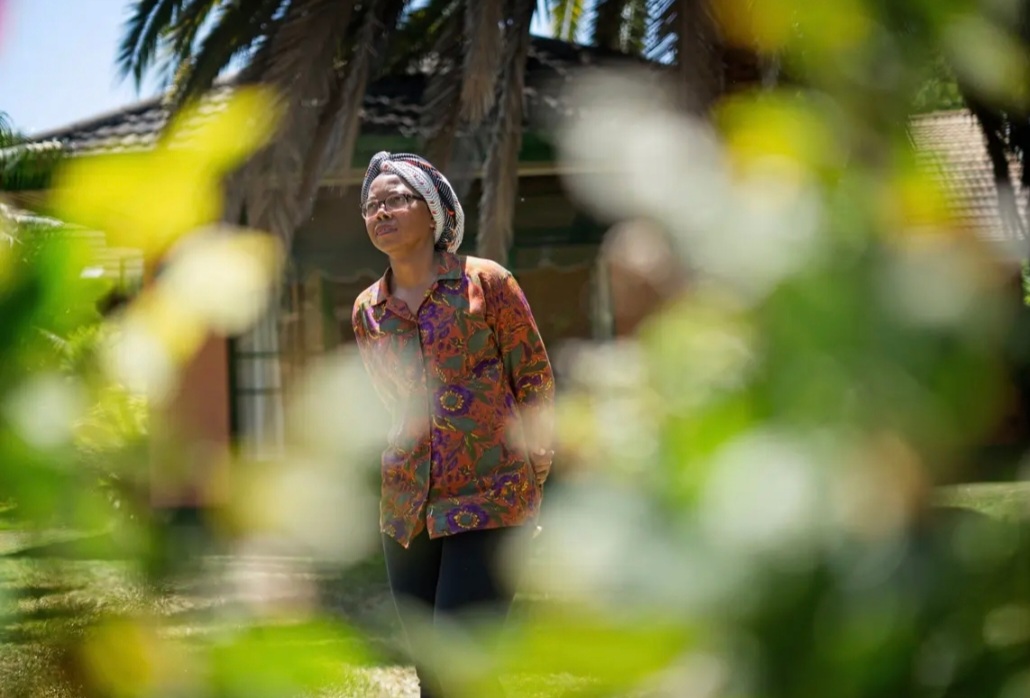
NoViolet Bulawayo believes freedom begins with imagination  

Published

on

BY ABDI LATIF DAHIR

Like many of her compatriots, NoViolet Bulawayo once thought Robert Mugabe would rule Zimbabwe forever.

Advertisement

A national liberator turned autocrat, Mugabe presided over the southern African nation for almost four decades, infamously declaring that “only God, who appointed me, will remove me” from office.

So when in November 2017, he was forced by the military to resign, Bulawayo knew she had to write about this transformative moment in her nation’s history.

And so was born “Glory,” her second novel, which centres on the rapid fall of a longtime ruler, and will be published on Tuesday by Viking, an imprint of Penguin Random House.

Advertisement

“Writing it felt like responding to a call of duty,” Bulawayo, 40, said in a video interview last month.

“I felt like I needed to be part of the collective struggle that was going on. So the book is my participation; that’s my way of showing up.”

Glory” is being published eight years after Bulawayo’s debut novel, “We Need New Names,” was released to critical acclaim, making her the first Black woman from Africa to be shortlisted for the Booker Prize.

Advertisement

Bulawayo originally set out to write a work of nonfiction about Zimbabwe after the coup, but given the barrage of books, essays and opinion pieces dissecting the post-Mugabe era, she worried that she might not have anything new to say.

So she pivoted to fiction, placing “Glory” in the mythical nation of Jidada, which is suffering under the yoke of a brutal dictator and the whims of his corrupt party.

But instead of people, Bulawayo’s novel is animated by a cast of animal characters — horses, dogs, donkeys, goats, chicken, a crocodile — with revealing names like Comrade Nevermiss, General Judas Goodness Reza and Dr. Sweet Mother.

Advertisement

Bulawayo said her decision to use animal voices was “my way of laying ownership to a very public story, a very public drama, and wanting to kind of tell it on my own terms.”

It was inspired, she said, by Zimbabweans on social media assigning animal avatars to some of their leaders — a reference to George Orwell’s “Animal Farm,” a fable about a group of animals revolting against their human owner to establish a more equitable society.

Bulawayo’s decision was also an act of homage to her late grandmother, who entertained her and her siblings every night with stories and folk tales populated by animals.

Advertisement

“When people talk about literary influences, they expect you to just talk about books,” she said. “But for me, even before I started reading, I was listening to stories.”

Laura Tisdel, who coedited both of Bulawayo’s novels, said the cast of animal characters has changed how she sees politics.

“It’s impossible now to turn on MSNBC or watch a press conference or speech and not see the primal responses, the jockeying for alpha position, the sort of theatrics that remind me of the animal world,” she wrote in an email.

Advertisement

Born Elizabeth Zandile Tshele in the Tsholotsho district, in southwest Zimbabwe, Bulawayo left her home country when she was 18 to pursue degrees in the United States, including an M.F.A. in creative writing at Cornell University.

She began writing using the pen name NoViolet Bulawayo as a student.

In her Ndebele language, “no” means “with,” and Violet was the name of her mother, who died when she was 18 months old.

Advertisement

Bulawayo is her hometown, and Zimbabwe’s second largest city.

In 2017, when Mugabe was deposed, Bulawayo was teaching creative writing at Stanford University, but decided to return home weeks later.

There, she caught the heady post-Mugabe days, when many Zimbabweans hoped the soaring inflation, unemployment, food shortages and human rights violations that defined his rule would finally come to an end.

Advertisement

“People were excited. People were happy,” Bulawayo recalled. “People thought we had turned the corner.”

But the euphoric highs soon dissipated, as Zimbabweans, including herself, continued to line up for everything: fuel, groceries, cash.

The government of President Emmerson Mnangagwa — a former vice president to Mugabe— has continued to crack down on the opposition and civil society.

Advertisement

The novelist Tsitsi Dangarembga was arrested during an anti-government protest in 2020, and Jeffrey Moyo, a journalist with The New York Times, was prosecuted for spurious charges.

Last month, Zimbabwe’s vice president, Constantino Chiwenga, said the ruling party will crush the main opposition party “like lice.”

Glory” follows Destiny, a goat who returns to Jidada to face the country she vowed to leave behind and the mother who plunged into “a deep, dense dark” place when she disappeared.

Advertisement

Through her, Bulawayo explores the trauma of displacement, the central role women play in holding societies together and the failure of independent states to attain minimum levels of prosperity for their people.

The book also explores the legacy of the Gukurahundi, Zimbabwe’s name for the massacre of thousands of members of the Ndebele minority by Mugabe’s military between 1983 and 1987.

Bulawayo said she deliberately chooses to write about people on the margins, who are likely to be overlooked.

Advertisement

“If there’s any measure of wealth in our democracy or the progress of our societies, it is through the status of the poor, of the people who are really at the bottom,” she said.

“I have a sensitivity to that.”

But those decisions haven’t always been received with enthusiasm, particularly among academics and artists who have long criticized some Western depictions of Africa as a place of death, disease and dictators.

Advertisement

Bhakti Shringarpure, a co-founder of Radical Books Collective and an associate professor of English and gender studies at the University of Connecticut, said that when “We Need New Names” was published, “it led to some of the most divisive and difficult debates about how the African continent and African problems should be represented.”

That novel revolved around Darling, a 10-year-old living in a shantytown called Paradise whose adventures reveal the crushing poverty and injustice pervasive in urban peripheries.

The book was an extension of her short story, “Hitting Budapest,” which won the 2011 AKO Caine Prize for African Writing.

Advertisement

But because Bulawayo was not “white or Western,” Shringarpure said, her book led to thought-provoking conversations around artistic freedom and whether “the African writer always bears some sort of responsibility to repair the Western gaze that determines so much of what we know about the continent.”

Mukoma Wa Ngugi, the author of “The Rise of the African Novel,” said Bulawayo’s first novel marked a shift in African writing that “those who critique it as ‘poverty porn’ miss.”

Besides capturing the dire state of affairs in Zimbabwe, he said, it also “captures a United States rarely spoken about in African fiction.”

Advertisement

When the protagonist, Darling, moves to Detroit — or as her friends call it, “Destroyedmichygen” — readers encounter, he said, the economic, cultural and linguistic challenges that many immigrants face in America.

“‘We Need New Names’ is a ‘before’ and ‘after’ kind of novel, the kind that marks a new beginning, a new shift in the African literary tradition,” Mukoma said.

“To me, it is a complete novel in terms of aesthetics and politics.”

Advertisement

Bulawayo worked on “Glory” for more than three years, during which she closely followed the grass roots activism demanding change in countries including Sudan, Algeria, Uganda, Eswatini and the United States, where the Black Lives Matter movement surged.

Social media became an important part of her research — two chapters in “Glory” are composed just of tweets — but she also kept a few novels about despots by her side, including “The ​Autumn of the Patriarch,” by Gabriel García Márquez, “Wizard of the Crow” by Ngugi wa Thiong’o and “The Brief Wondrous Life of Oscar Wao,” by Junot Díaz.

The process of writing “Glory” affirmed for her, she said, how “the struggle against injustice is the same really across borders, across time.”

Advertisement

No matter the difficulties citizens encounter, she said, the road to freedom begins in our own imaginations.

“We have to insist on imagining the worlds that we want to see,” she said. “It matters to think that one day Zimbabwe will be free, one day all these countries that need to be free will be free.” – The New York Times

Advertisement

Lifestyle

Dawn Thandeka King to headline lmiklomelo KaDakamela festival in Nkayi

Published

on

BY NOKUTHABA DLAMINI

The hills of Nkayi are set to come alive as preparations for the iMiklomelo kaDakamela Cultural Festival reach an advanced stage, with organizers confirming that acclaimed South African actress and musician Dawn Thandeka King will be the guest of honor.

Advertisement

The festival, which runs from  3 to 6 April, at the Chief’s homestead, promises a vibrant celebration of music, sport, and traditional experiences that aim to put the district on the global cultural map.

Organizers expressed their excitement over the arrival of the South African star, noting that “her presence brings star power, inspiration, and cultural pride to Nkayi.” The actress will be joined by other high-profile guests, including Gama Mbokane from Tanzania, Prince Wandile Ngobese, and Umntwana waseZibindini uThulani kaGqikazi kaSolomon.

Adding a feat of incredible endurance to the festivities, organizing committee member Dr Gasolo is currently preparing to walk 205km from Bulawayo to ko Dakamela to amplify the voices of local creatives. Dr Gasolo, who recently returned from Zambia where he was part of the “Walk Across Africa” team, will embark on this local trek before heading to Ethiopia later this year to rejoin the journey to Cairo, Egypt.

Advertisement

Festival coordinator Desmond Ntini confirmed to Southern Eye reporter, Margaret Lubinda that the packed programme includes campfire storytelling, traditional bush dinners, and a unique camping experience. “The chief will take centre stage as the guest storyteller,” Ntini said. The event will also feature the return of the popular Amahubo sessions and sporting events like the trademark Bosso social soccer match and the introduction of cricket, Emakhaya.

Beyond the entertainment, the festival serves a deeper purpose of community empowerment. Workshops will be held to teach villagers how to monetise waste, such as plastic bottles, alongside an empowerment workshop for local artists hosted in collaboration with the Isintu Festival.

This local initiative aligns with recent discussions in the National Assembly regarding the vital role of the tourism sector and heritage preservation. Lawmakers have noted that heritage preservation is a “crucial cog for maintaining the national identity, fostering cultural diversity, driving tourism growth and promoting economic development at large”  Members of Parliament have further observed that cultural tourism is a “powerful driver of economic growth” that has the ability to “transform lives at the grassroots level,” particularly for women and youth .

Advertisement

However, the road to the festival has not been without its hurdles. Ntini noted that extending the festival’s duration has led to funding challenges. “Our main challenge centres on funding,” he said. “Large numbers of people from the koDakamela community attend, and they also need to be catered for. We are appealing for more support.”

Additional Source: Southern Eye.

Advertisement
Continue Reading

Lifestyle

Marvin Dube: Spreading hope and gratitude through gospel music

Published

on

BY NOKUTHABA DLAMINI 

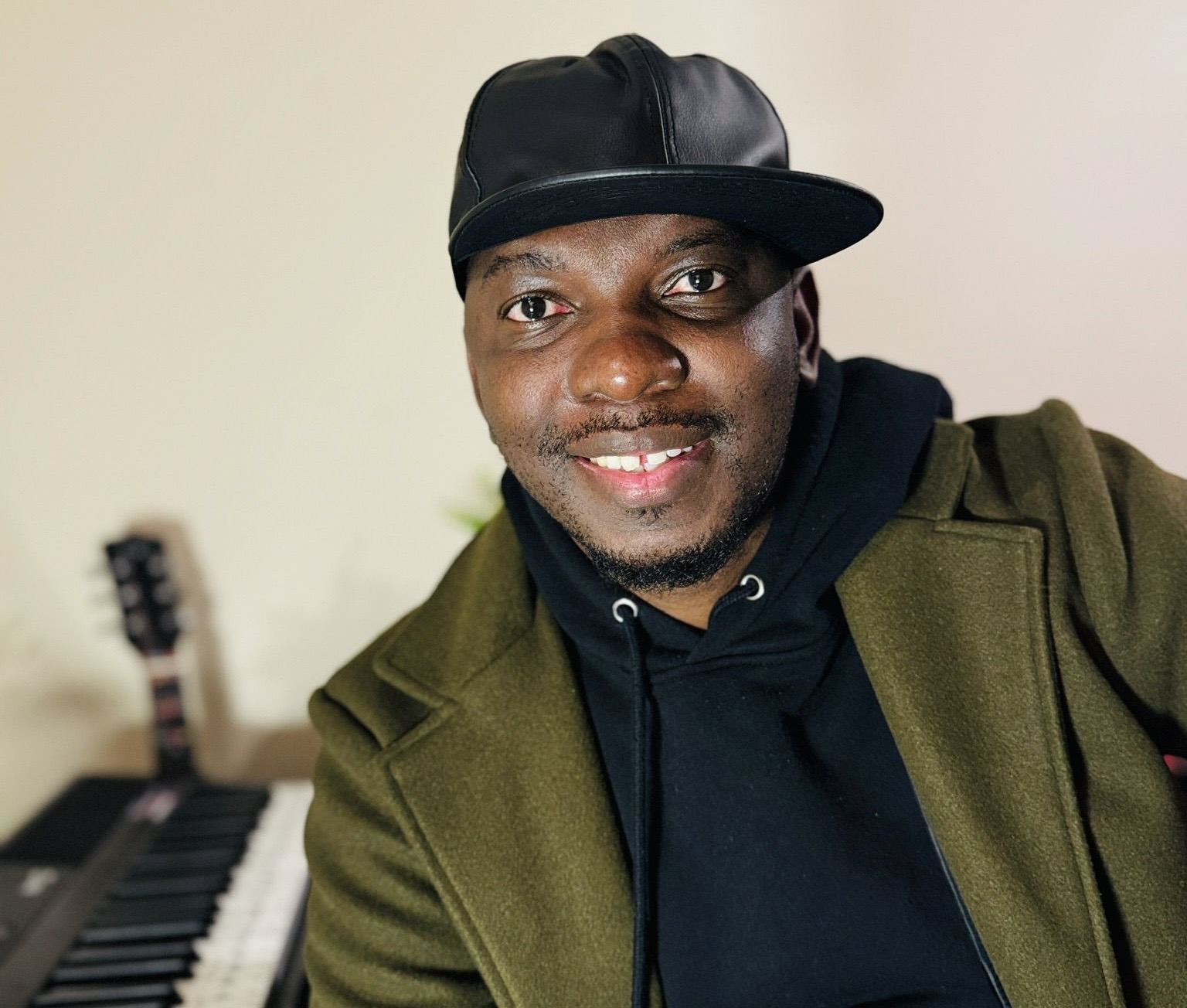
Born in Kadoma and raised across various towns in Zimbabwe, gospel artist Marvin Dube carries with him the deep spiritual and cultural roots of his Tonga heritage from Junamina village in Binga. Now based in the United Kingdom, Marvin is making waves in the gospel music scene, using his voice and message to uplift, heal, and inspire.

Advertisement

Following his previous single “Munoziva Zvose”, Marvin continues to evolve as a gospel minister and artist. His latest songs, Tinetariro and Tendai Mwari, showcase a refreshing mix of faith, gratitude, and reflection on the moral and spiritual challenges facing society today.

Below are excerpts from his interview with Nokuthaba Dlamini, Managing Editor for VicFallsLive, where Marvin opened up about his inspiration, journey, and the purpose behind his new work.
What inspired these new songs, and what message do you hope listeners take away from them?

Advertisement

Marvin Dube:

Both Tinetariro and Tendai Mwari were born out of reflection and prayer. Tinetariro speaks about hope — the kind that reminds us we are God’s children, even in times of moral decline and confusion. I was inspired by the challenges we are facing today, especially among the youth. Many have lost direction and respect, and social media has become a space where spiritual values are often mocked.

I wanted to use Tinetariro to remind people that there’s still hope for our generation — that God hasn’t forgotten us.

Advertisement

Tendai Mwari carries a message of gratitude. It encourages us to appreciate God for the little we have and to remain thankful even before we receive the big things we dream of — the car, the house, the job. Gratitude opens doors, and I want listeners to embrace that attitude of thankfulness every day.

How do these songs reflect your personal journey or growth as a gospel artist?

Marvin Dube:

Advertisement

These songs mark a point of maturity in my journey. I’ve grown to understand that gospel music is more than melody — it’s ministry. I now write with more purpose, aiming to address real issues affecting believers and society. Tinetariro and Tendai Mwari reflect my growth in both faith and artistry, showing that gospel music can heal, correct, and inspire all at once.

Can you tell us about the creative process, from writing to production, and who you worked with on this project?

Marvin Dube:

Advertisement

My creative process is very spiritual and organic. I draw a lot of inspiration from preaching. Often, a melody will start as a small tune in my mind — it keeps ringing until I can’t ignore it. Usually, the chorus comes first. I then take time to pray for inspiration to write the verses so that the message aligns with what God wants to say through the song.

After that, I play the song on my guitar, record a rough version, and share it with the producer or the band I’ll be working with. For this project, I worked with Hertz Records, who have produced all my music to date. They truly understand my sound and help me bring my ideas to life.

I also want to give a special shout-out to my wife, Leonora, and my two little kids. They’ve been my biggest supporters and motivation throughout this journey. Their love and encouragement mean everything to me.

Advertisement

How do you see gospel music evolving in Zimbabwe and Africa, and where do you see your work fitting into that movement?

Marvin Dube:

Gospel music in Zimbabwe and across Africa is evolving in powerful ways. Artists are finding new ways to reach wider audiences by blending traditional gospel messages with contemporary sounds. It’s exciting to see how the gospel is being shared in modern, relatable ways — especially among young people.

Advertisement

I see my work fitting right into that movement. My goal is to be a bridge between generations — to deliver timeless spiritual truths with a fresh, modern sound that speaks to today’s world while staying true to the Word of God.

What has been the most powerful reaction or testimony you’ve received from people who have listened to your music?

Marvin Dube:

Advertisement

One of the most powerful testimonies I’ve received came from a young listener who said Tinetariro gave them hope again after going through a very dark season. They told me the song reminded them that God still has a plan for their life. Hearing that touched me deeply. It’s moments like those that remind me this is more than music — it’s ministry, and I’m humbled that God is using my songs to touch lives.

Closing Note

Marvin Dube:

Advertisement

I’m truly grateful for the love and support I’ve received for Tinetariro and Tendai Mwari. If you haven’t listened yet, both songs are available on all streaming platforms and on my YouTube channel, Marvin Dube. The year 2026 will be even more exciting, with several projects already in motion that I believe will uplift and bless many lives.


Advertisement
Continue Reading

Lifestyle

From class monitor to junior parliament: The inspiring journey of Kimberly Simukai

Published

on

BY NOTHANDO DUBE

Are leaders born or made? This question sparks debate among scholars. Meet 14-year-old Kimberly Simukai, a young female leader who embodies the answer. Despite her age, Kimberly has already achieved an impressive list of accolades, including being elected to Junior Parliament and serving as Head of SADC Council. In this interview, we delve into Kimberly’s journey and explore her passion for public speaking, leadership, and empowering women.

Advertisement


Our reporter Nothando with Kimberly

N.D: What sparked your interest in Public Speaking, and how did your training in grade three lay the foundation for your current success?

K.S: Well, Public Speaking is all about an audience and you can not call yourself a public speaker when you are a social introvert. So, I think I was always someone who enjoyed talking to people and sharing information with them, so I guess my love for people sparked my interest in public speaking. In the whole journey, I underwent a military public speaking training by my mentor, Miss N Dube and because of the training I grew to realize that this is what I wanted to do and she made me strong to face all obstacles and mountains. I believe all this contributed to my success today.

N.D Can you share a memorable moment or experience from your public speaking journey so far, and how it has impacted in your confidence and skills?

Advertisement

K.S: Well, I still remember when my coach told me to talk to the wall and use it as my audience just because I had failed to rehearse a certain paragraph and now, I have seen the results of it as I am now confident to talk to anyone or any audience.

N. D: As a Form 1 student, being elected into the Junior Parliament is a remarkable achievement. What motivated you to run for office, and what do you hope to achieve in your role as Head of SADC Council?

K. S: As a form 1 student, being elected into Junior Parliament was something that seemed impossible to many and I still remember when I used to tell my mom about Junior Parliament, she would just laugh, thinking that I am making jokes, but I never stopped believing in my dream and I want to be the change so I needed a platform and standing ground for me to do that. That is why I decided to go for it. As the Head of Student Council, an Esteemed Ambassador, I hope to achieve a goal driven nation led by not only men but women as well as a way of promoting women empowerment.

Advertisement

N. D: How do you balance your academic responsibilities with your extracurricular activities, particularly your public speaking engagements and Junior Parliament duties?

K. S: Ever since I was young, I was nurtured and brought up in such a way that I learnt how to manage my academics and my extra- curricular activities at the same time without lacking in any one of them due to the other activity and my journey did not start now. I started in primary school and I used to travel away from school for weeks for chess or public speaking competitions and I would still come back to my school work, so yeah, I have just continued with that and I have never failed. I am an active chess player and I also play golf.

N.D: What advice would you give to younger girls who may be hesitant to pursue public speaking or leadership roles, and how can they overcome any obstacles or self -doubt?

Advertisement

K.S: As girls we have always suffered from toxic masculinity of the opposite sex, always subjected to chores as our duty, but I always tell myself that women are the ones that bring the male species into the world so why allow ourselves to be oppressed by our own produce. As women we need to remember that there is no such a thing as men jobs only, girls and women can take up anything at all.  Women are known to have persuasive tongues so public speaking is a smooth sail for women as we were born with this attribute. The only barrier for many women across the world is fear and being scared of doing what others are not doing as a result we tend to be subjects of oppression. Whilst men use their masculinity to show their availability, why not use our mouths as well as women to do the same.

N.D: Looking ahead, what are your long-term goals and aspirations, and how do you see your public speaking skills and Junior Parliament experience shaping your future endeavors?

K. S: I have always dreamt of becoming the first female president of Zimbabwe so with my experience in the Junior Parliament of Zimbabwe and SADC Junior Motivators Parliament and Public Speaking skills, I think that’s where I am headed to. I am also aiming at representing my country in international forums.

Advertisement

Continue Reading

Trending

Copyright © 2022 VicFallsLive. All rights reserved, powered by Advantage