Connect with us

Tourism and Environment

NGO seeks to curb mass poisoning of vultures in game parks

Published

on

BY NOKUTHABA DLAMINI

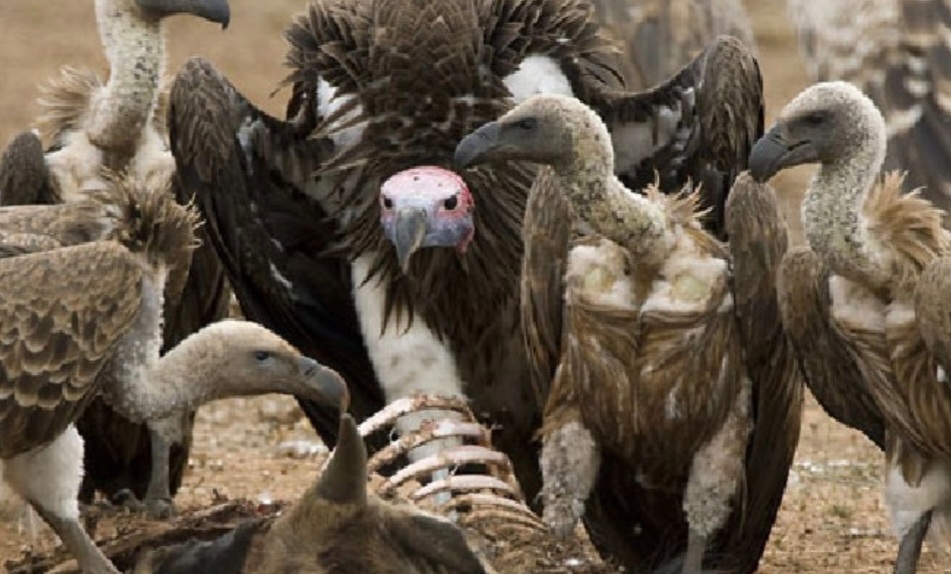
A leading African conservation organisation is exploring ways to utilise technology to curb the poisoning of vultures in Zimbabwe’s Gonarezhou National Park and Limpopo National Park in Mozambique.

Advertisement

The two game reserves are said to be the most affected by the poisoning of vultures.

The Endangered Wildlife Trust (EWT), which is dedicated to conserving threatened species and ecosystems in southern and East Africa says it will use  vultures as their “Eye In The Sky” to raise alerts about poisoning incidents.

Data would be transmitted from GPS-tracked vultures and sent to monitors, which will enable a more rapid response to potentially deadly incidents.

Advertisement

“The issue is exacerbated by the poisoning of vultures as sentinel species in association with the ivory trade, and other poaching practices, as well as targeting these birds for belief-use trade in their body parts, ” said Andre Botha, the Vultures for Africa programme manager at EWT.

“Vultures are targeted as their visible presence with large numbers descending from the skies and perching near to, or feeding on poached wildlife, alerts law enforcement staff to poaching or poisoning events.

“Their remarkable sentinel function has led to the extensive persecution of vultures across the continent.”

Advertisement

Gareth Tate, Birds of Prey programme manager at the EWT, said the technology will result in quicker reaction to poisoning incidents.

“In essence, when a vulture is killed on a poisoning scene, the immobility triggers an alert within minutes of death, allowing us to pinpoint the sites where vultures have died and respond rapidly and decontaminate the scenes to prevent further loss of vultures and other animals that would otherwise go undetected, or be detected too late,” Tate said.

“It is sad that vultures have to die to detect some of these events, but by sending an early alert signal to us they save the lives of countless other wildlife and allow us to rescue animals that have survived these poisoning events.”

Advertisement

Deborah Kahatano, chief of party for USAID’s VukaNow Activity, which is supporting the EWT innovation, said one of their core objectives was to increase the application of effective tools, technologies, and approaches that mitigate wildlife crime, while also working closely with communities to address these issues.

“The vision for this work is to expand the network of GPS-tracked vultures throughout poisoning hotspots across Africa and incorporate multiple partners and landscapes to uptake the Eye in the Sky poisoning detection system, while continuing to focus on additional proactive conservation measures to address the major indiscriminate threat of poisoning,” Kahatano said.

“This includes undertaking community work and targeted workshops with traditional medicine practitioners to raise awareness around the use of poisons to harvest vulture body parts and its risks to human health, and facilitating improved judiciary and law enforcement response, leading to more arrests being made.”

Advertisement

The first Saturday in September marks International Vulture Awareness Day, which intended to highlight the conservation of vultures that face a range of threats.- The Standard


Advertisement
Continue Reading
Click to comment

Leave a Reply

Your email address will not be published. Required fields are marked *

Slider

Tourist hospitalised after elephant attack

Published

on

BY STAFF REPORTER 

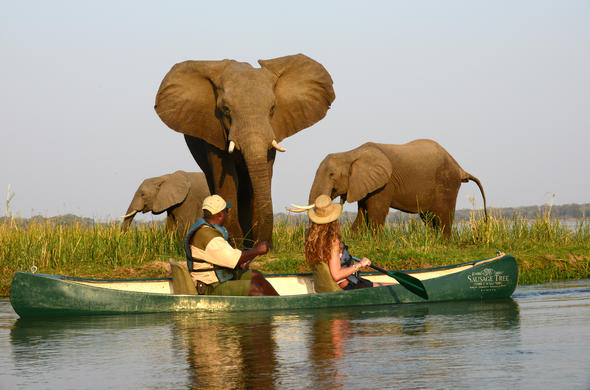
A 65-year-old Japanese tourist has been seriously injured after being attacked by an elephant near Victoria Falls, according to the Zimbabwe Parks and Wildlife Management Authority (ZimParks).

Advertisement

In a statement on Thursday, ZimParks spokesperson Luckmore Safuli said Hidetoshi Matsumoto was attacked on Wednesday morning while walking alone along Big Tree Road, a route frequently used by visitors near the Victoria Falls Big Tree.

“A 65-year-old Japanese man by the name Hidetoshi Matsumoto, who was staying at the Rainbow Hotel in Victoria Falls, was attacked and injured by an elephant while walking along the Big Tree Road,” Safuli said.

He said the incident occurred at around 8 am.

Advertisement

“The circumstances surrounding the incident are that on 22 April 2026 at around 0800 hours, Hidetoshi Matsumoto was alone walking along the Big Tree Road when an elephant emerged from nowhere and attacked him. Hidetoshi sustained severe injuries all over his body and was immediately rushed to Health Bridge Private Hospital for medical treatment,” he added.

Matsumoto was taken to Health Bridge Private Hospital, where he is receiving treatment.

ZimParks said rangers had been deployed to track down what it described as the “problem elephant”.

Advertisement

“Meanwhile, ZimParks rangers are on the ground searching for the problem elephant,” Safuli said.

He added that further details would be released as investigations continue and efforts to locate the animal progress.

Wildlife authorities have previously warned visitors to exercise caution when walking in areas bordering national parks, where wild animals can roam freely.
SOURCE: CITE

Advertisement

Continue Reading

Slider

A guardian’s legacy: PDC honours Greg ‘Gibby’ Gibbard as painted dog successes grow

Published

on

BY NOKUTHABA DLAMINI

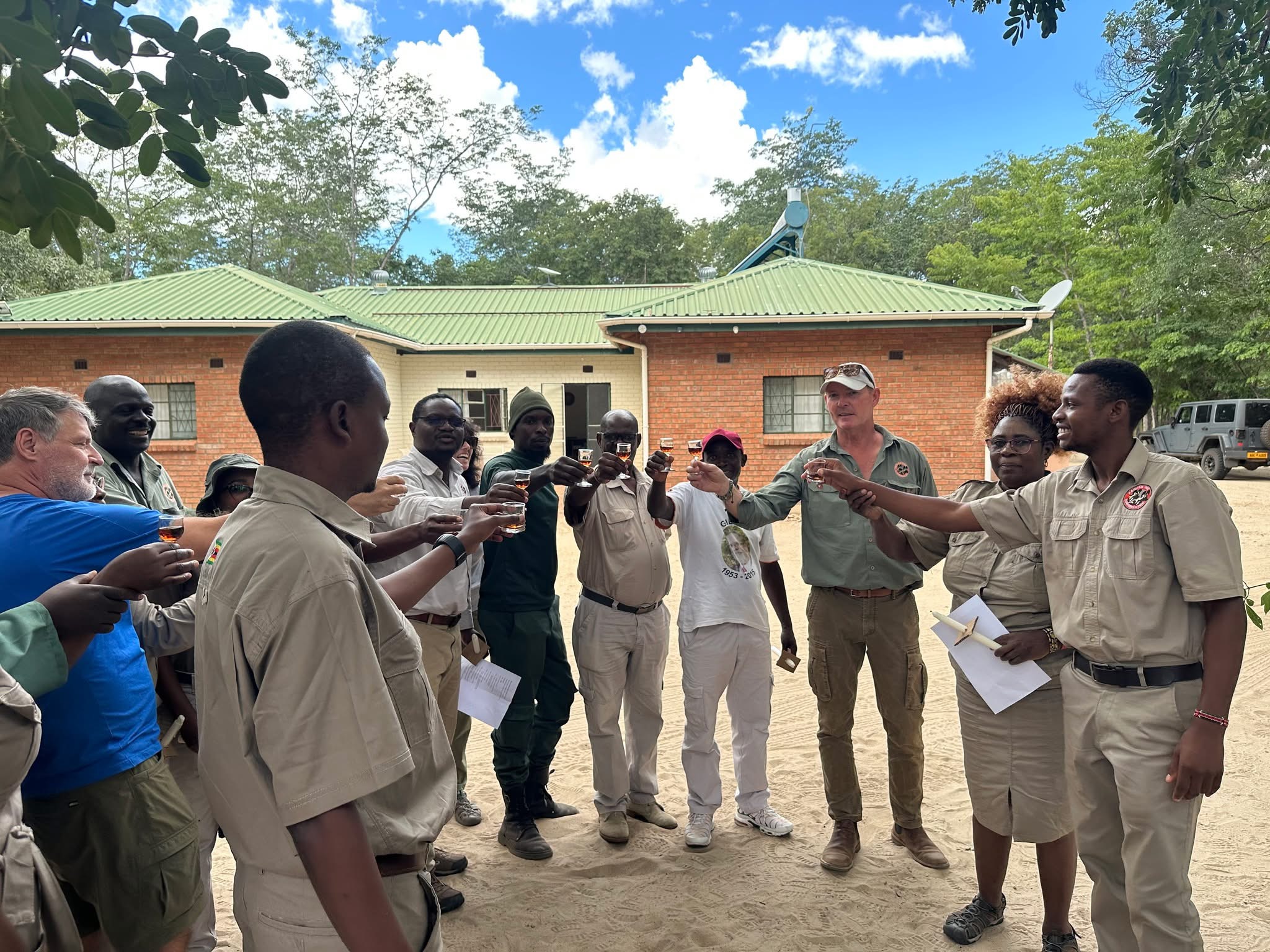
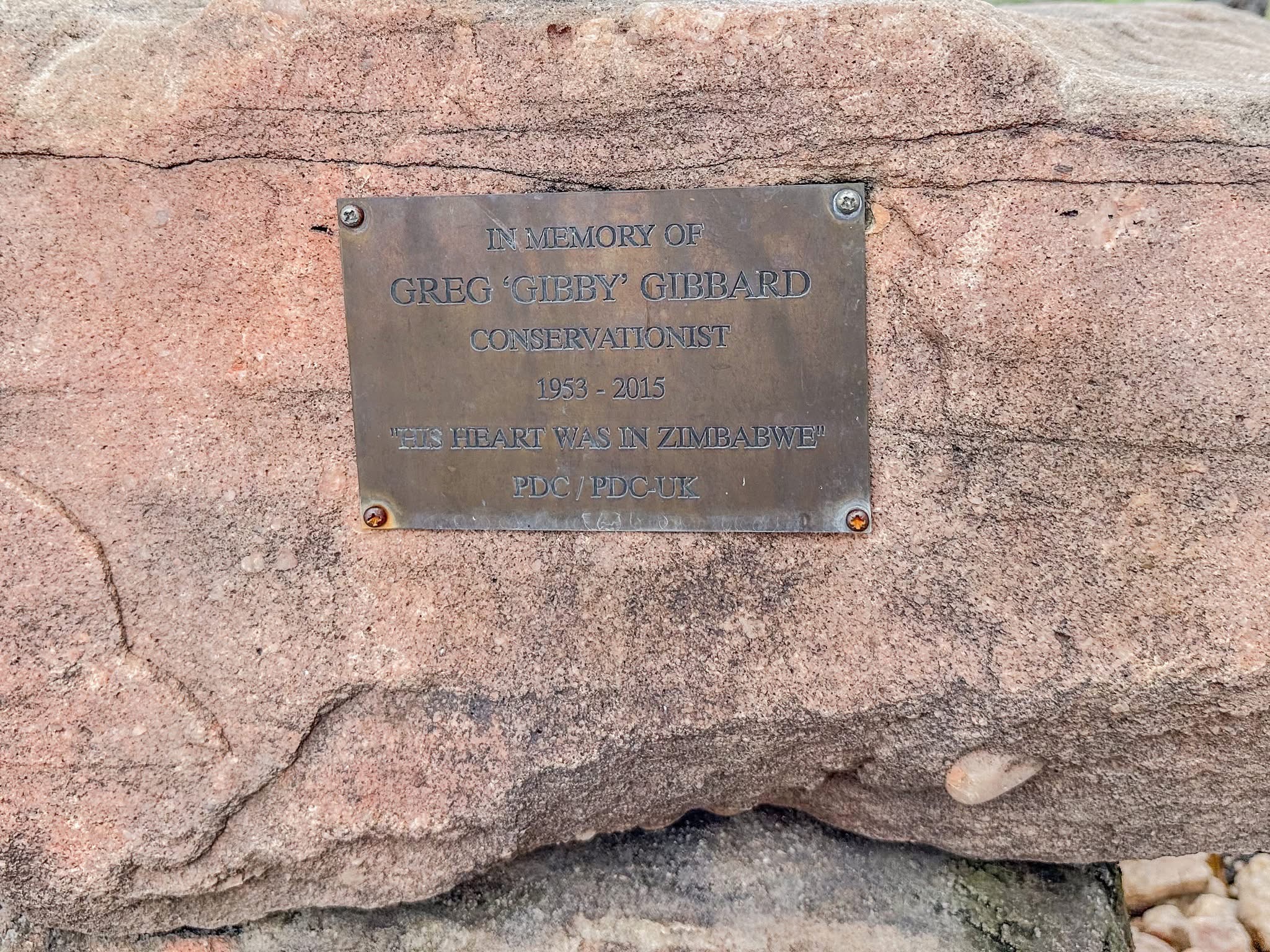
In a poignant tribute that has resonated across the conservation community, Painted Dog Conservation (PDC) recently gathered to honour the memory of Greg ‘Gibby’ Gibbard, a man whose life was inextricably linked to the survival of the African wild dog. Gibbard, who passed away in 2015, is being remembered not just for his years of service, but for a legacy that continues to safeguard one of the continent’s most endangered predators.

Advertisement

The Facebook remembrance, shared by Maria of PDC, highlights a life defined by “unwavering courage” and a refusal to let the story of the painted dog end. While the region continues to grapple with intense poaching pressure—including a recent surge in illegal traps that has seen thousands of snares removed from the bush—the focus of this week’s memorial is on the “hope and resilience” that Gibbard instilled in the mission.
Tracking Footprints in the Sand

For those who knew him, Greg’s work was far from the polished image of modern wildlife tourism. It was characterized by “long days in the bush, tracking fading footprints in dust and sand,” and the relentless, often exhausting effort of “educating communities and inspiring young conservationists.”

Maria noted that Gibbard stood as a “guardian of a species that many had forgotten,” recognizing early on that the survival of the patchwork-coated dogs was “inseparable from our own future.” His dedication spanned “sleepless nights worrying about disease and disappearing habitat,” a commitment that laid the foundation for the sophisticated tracking and research operations used by PDC today.

Advertisement

A Legacy of Resilience: The Umkhonto Pack

The success of modern interventions is widely seen as a continuation of Gibbard’s vision. A primary example is the Umkhonto Pack, which has become a “flagship example of science-driven, field-based conservation”.

Image by PDC

Though the park faces ongoing challenges with illegal snaring in communal areas, the protection of this specific pack has been a resounding victory. According to the latest PDC data:

Eight healthy pups were successfully raised during the last denning season with no mortalities .
 The pack has stabilized at 19 individuals , now ranging within the safety of Hwange National Park.
The integration of research and tracking technology—methods Gibbard championed—led to the arrest of eleven poachers in the pack’s territory.

Advertisement

The “Shadows of the Savanna” Live OnAs the conservation community marks a decade since his passing, the presence of these “remarkable predators” remains the ultimate tribute to his life. The current population in the Hwange and Sinamatela regions is robust, with several monitored packs carrying the torch of his efforts.

The Emerald pack, which has reached 22 individuals, and the Batsha pack , with 20 dogs, are thriving examples of the “unbreakable family bonds” Maria spoke of in her tribute . Other groups, including the Kingsbury, Linkwasha, Chowato, Cave, Intundla, Khumbula, and Garikamwe packs, continue to move like “shadows across the savanna at sunrise,” fulfilling Gibbard’s dream of a wilderness that still echoes with their high-pitched calls.

“May we honour Greg’s memory not only with words, but with action,” the tribute concluded.

Advertisement

Continue Reading

Slider

Tourism bill clears National Assembly, moves to Senate

Published

on

BY NOKUTHABA DLAMINI 

Zimbabwe’s Tourism Act Amendment Bill has been passed by the National Assembly and now awaits debate in the Senate, marking a key step towards overhauling the country’s tourism sector.

Advertisement

According to the explanatory memorandum, “This Bill seeks to establish a Zimbabwe Tourism Authority that is responsible for the regulation for the tourism and hospitality industry, and the marketing of destination Zimbabwe.” 

The proposed law strengthens the role of the Zimbabwe Tourism Authority (ZTA), which will regulate, license and promote the industry. It also introduces stricter compliance measures for tourism operators.

Under the new provisions, registration and grading of facilities will be mandatory. The Bill states: “no person shall conduct or operate that designated tourist facility unless it is registered and graded.” 

Advertisement

Authorities will also have enforcement powers, including shutting down non-compliant operators.

The legislation further extends regulation to online accommodation platforms, a growing segment in the tourism sector. It stipulates that: “All hosts must register with the Authority… before listing a property on an accommodation booking platform.” 

To support industry growth, the Bill proposes the creation of a dedicated fund. It notes: “There is hereby established a fund to be known as the Zimbabwe Tourism Fund,” which will be used for “the development and promotion of the tourism and hospitality industry.” 

Advertisement

Sustainability and inclusivity are also central to the new law. The Bill provides that: “All tourism policies, programs, and projects shall incorporate the principles of sustainable development.” 

It further emphasises inclusion, stating that tourism development must mainstream “gender equality, disability inclusion, and the rights of indigenous peoples.” 

Once enacted, the law will replace the current Tourism Act. The Bill clearly states it seeks “to repeal the Tourism Act [Chapter 14:20].” 

Advertisement

The Bill now proceeds to the Senate, where lawmakers are expected to debate its provisions before it can be sent for presidential assent.

Advertisement
Continue Reading

Trending

Copyright © 2022 VicFallsLive. All rights reserved, powered by Advantage