
In the community
Myths on Covid-19 pandemic spread across Hwange

 BY NOKUTHABA DLAMINI
Innocent Tevedzai, chairperson of the Zimbabwe Chamber of informal Association for People With Disabilities says after getting inoculated vaccines to prevent Covid-19 pandemic, he was told that he will lose his fertility in the coming years.
Royal Ndlovu, a Victoria Falls Combined Residents Association member says he was also discouraged from taking the vaccines after he heard that he was not only going to lose his fertility, but vaccines also meant losing his libido.
Zimbabwe first rolled out Covid-19 vaccines early last year with the country relying mostly on Chinese made vaccines to bring the pandemic that paralysed the economy under control.
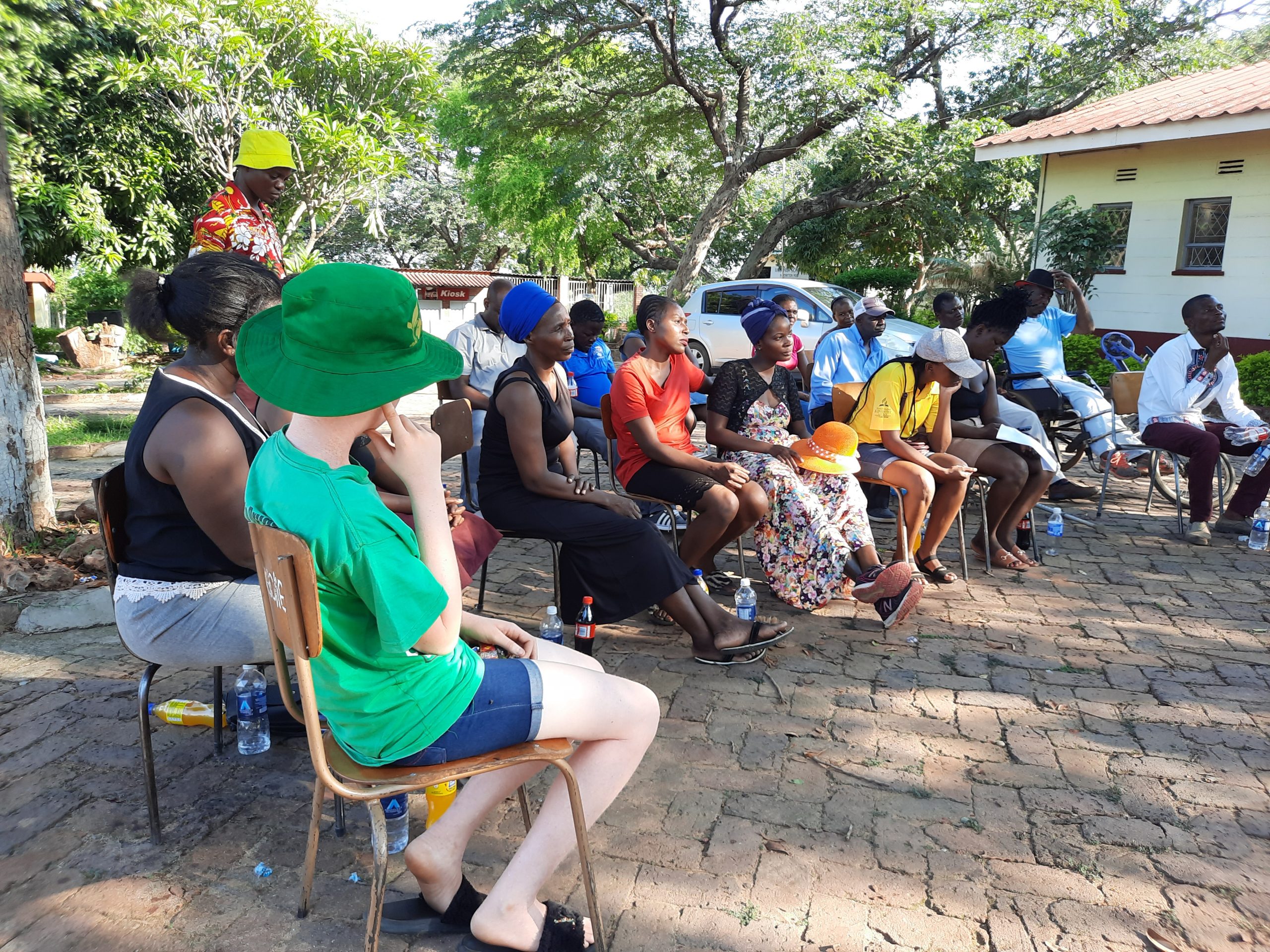
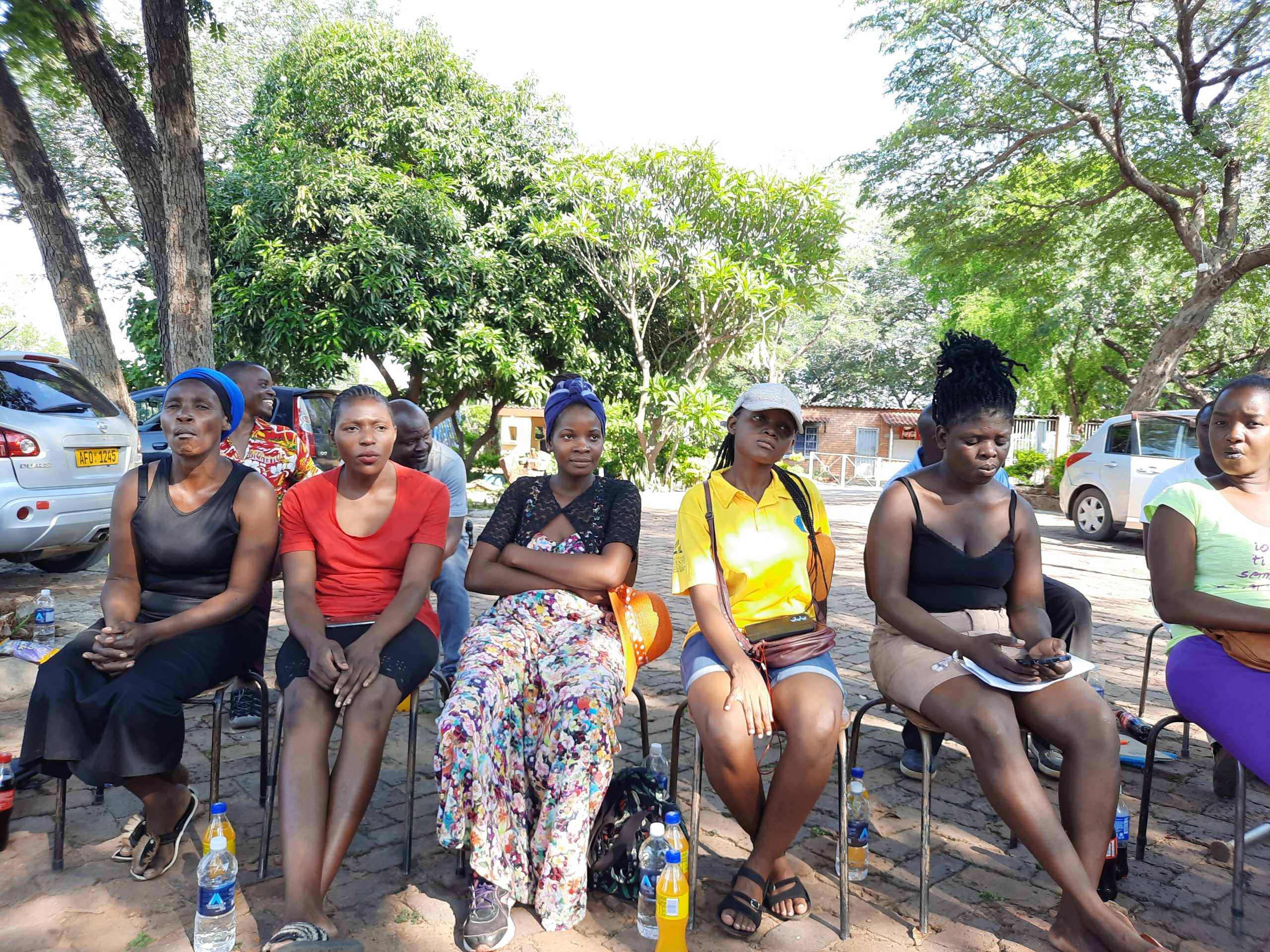
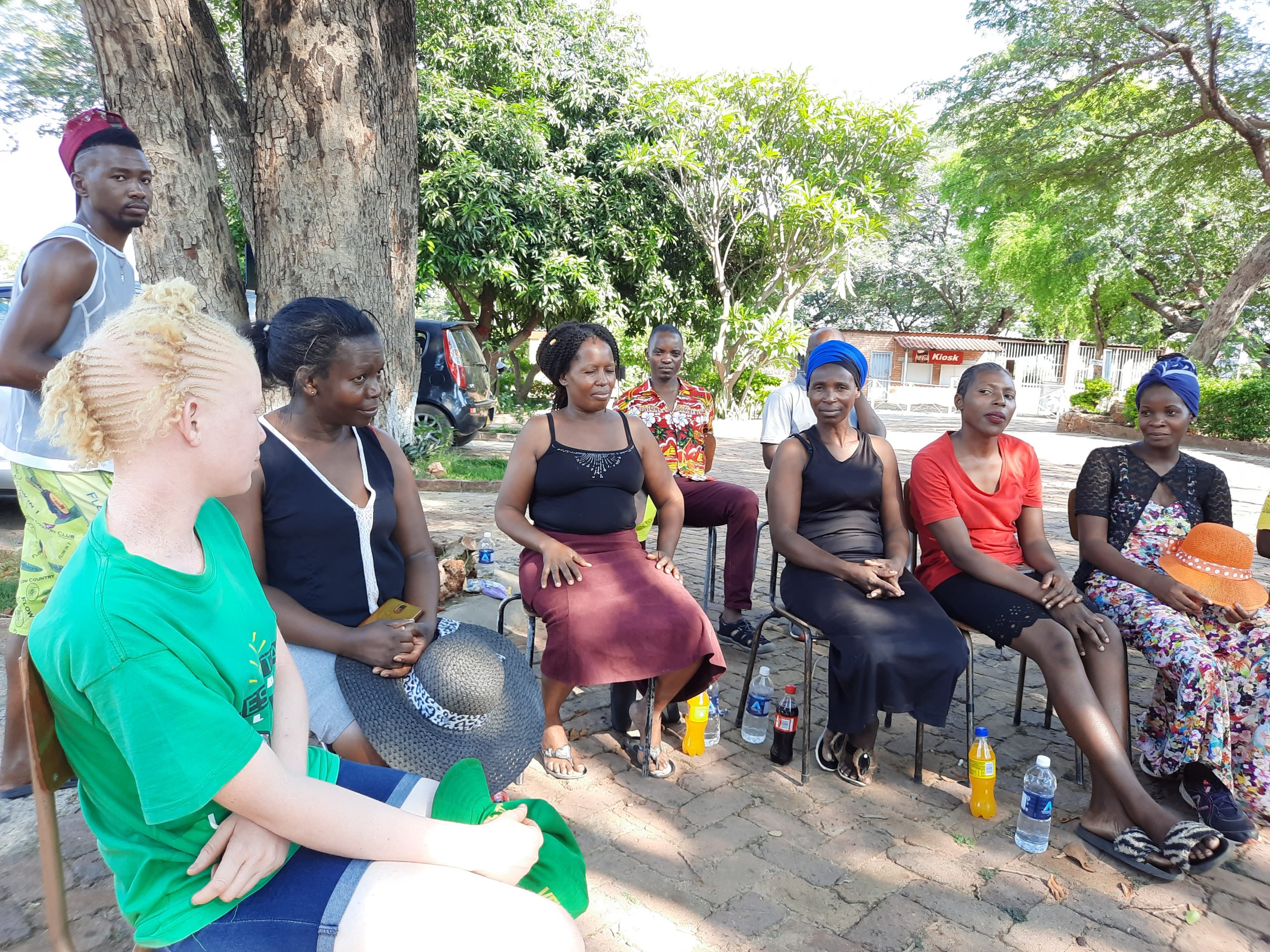
Hwange district, where Ndlovu and Tevedzai come from was one of the areas that were prioritised by the government in the vaccination blitz as it sought to have tourist resorts re-opened for tourists, but community listening sessions held by VicFallsLive in some parts of Hwange district in Matabeleland North showed that some people are still sceptical about the safety of the vaccines.
Community leaders said the government did little to counter the misinformation, which is largely blamed on social media and this fuelled vaccination hesitancy.
As such, ordinarily, Zimbabweans are caught up in a lot of myths and of course misinformation about the pandemic.
“We were told that we will not be able to conceive as this was intentionally done to reduce the population.” Tevedzai said.
“Lack of verified information made it worse for us because we had to be vaccinated to gain public access at the time when misinformation and social ills such as teen pregnancies rose.”
Hwange villagers, like other people in many parts of Zimbabwe were victims of misinformation about the vaccines, including allegations that those who got the Covid-19 vaccine will turn into baboons or that the vaccines were part of a scheme to reduce Africa’s population.
Even the World Health Organization says the Covid-19 outbreak and response was accompanied by an overabundance of information, some accurate and some not.
For Michael Ncube, a Victoria Falls City Council’ acting Public Health Officer, “this makes it tough for people to then find reliable sources and dependable guidance when they need it to fully curtail coronavirus,” he said.
The myths Ncube added, included claims on cures and prevention.
“For instance, people were told that when they vaccinate they will lose fertility or will die as this was deliberately done by the government to reduce Zimbabweans population, which is just mythical and therefore untrue,”
“We would like to assure out residents that the vaccines are safe and the country has highly specialised health personnels who also confirmed them and because of those vaccines, that’s why we have managed to set a barrier to prevent the transmission and that has paid off, as we have seen hospitalisations and deaths reduced and the economy fully opened.”
Zimbabwe has administered over 12 million doses of Covid-19 vaccines so far.
BY NOKUTHABA DLAMINI
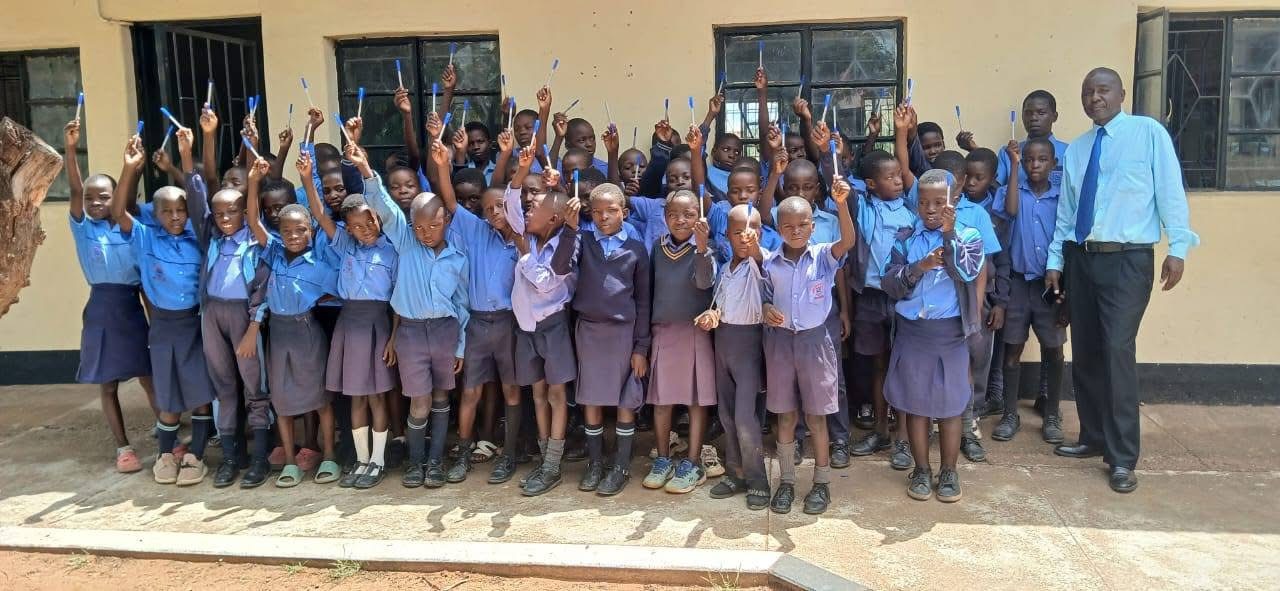
For Obert Dube, a renowned African poet, the stage is no longer just a place for performance; it has become a platform for a massive humanitarian effort aimed at Zimbabwe’s most vulnerable children. Since November, Dube has traversed the rugged terrains of Matabeleland North and South, visiting over 100 schools to provide essential supplies to students who, much like his younger self, are struggling to stay in the classroom.

Obert Dube
Dube, who describes himself as an “African poet… born and bred in Zimbabwe,” has dedicated his career to what he calls a “mission of mercy.” His work focuses on children who are often forced to drop out due to a lack of school fees or basic stationery. “I’m an African poet… a philanthropist engaged in a special mission,” Dube said in a recent interview. “I help vulnerable children… who sometimes fail due to school fees. Some approach me for help with registering for examinations.”
The poet’s motivation is deeply rooted in his own childhood trauma. Raised by a widowed mother who passed away before his final exams, Dube became a “child parent” at a young age. He recalls the humiliation of attending school in borrowed uniforms and the struggle of trying to learn without the most basic tools. “I remember some raised by elderly grandparents… their parents are passed on,” Dube explained, noting that many guardians cannot afford books. “They will spend the rest of the time at school without writing, and that is what is contributing to low pass rates.”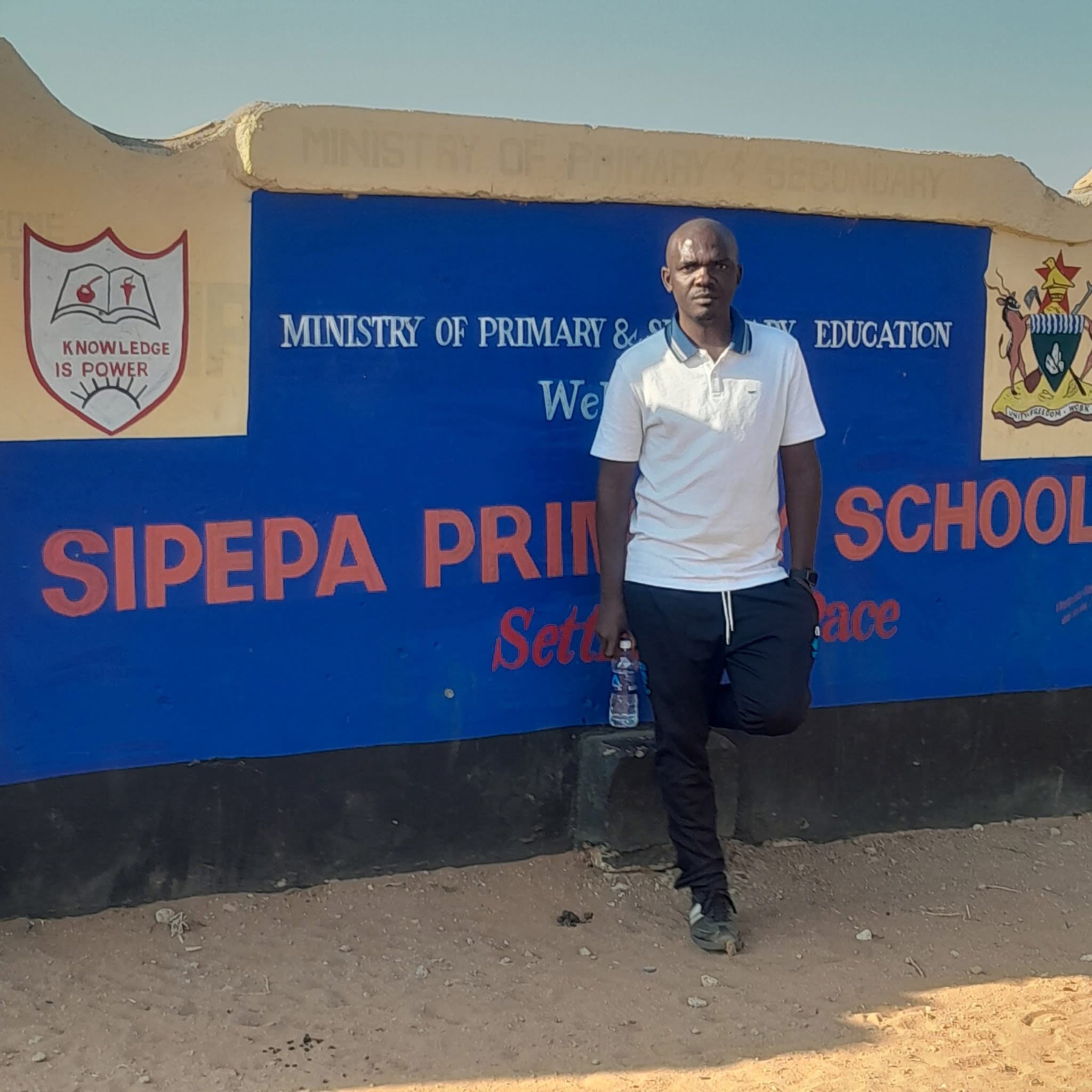
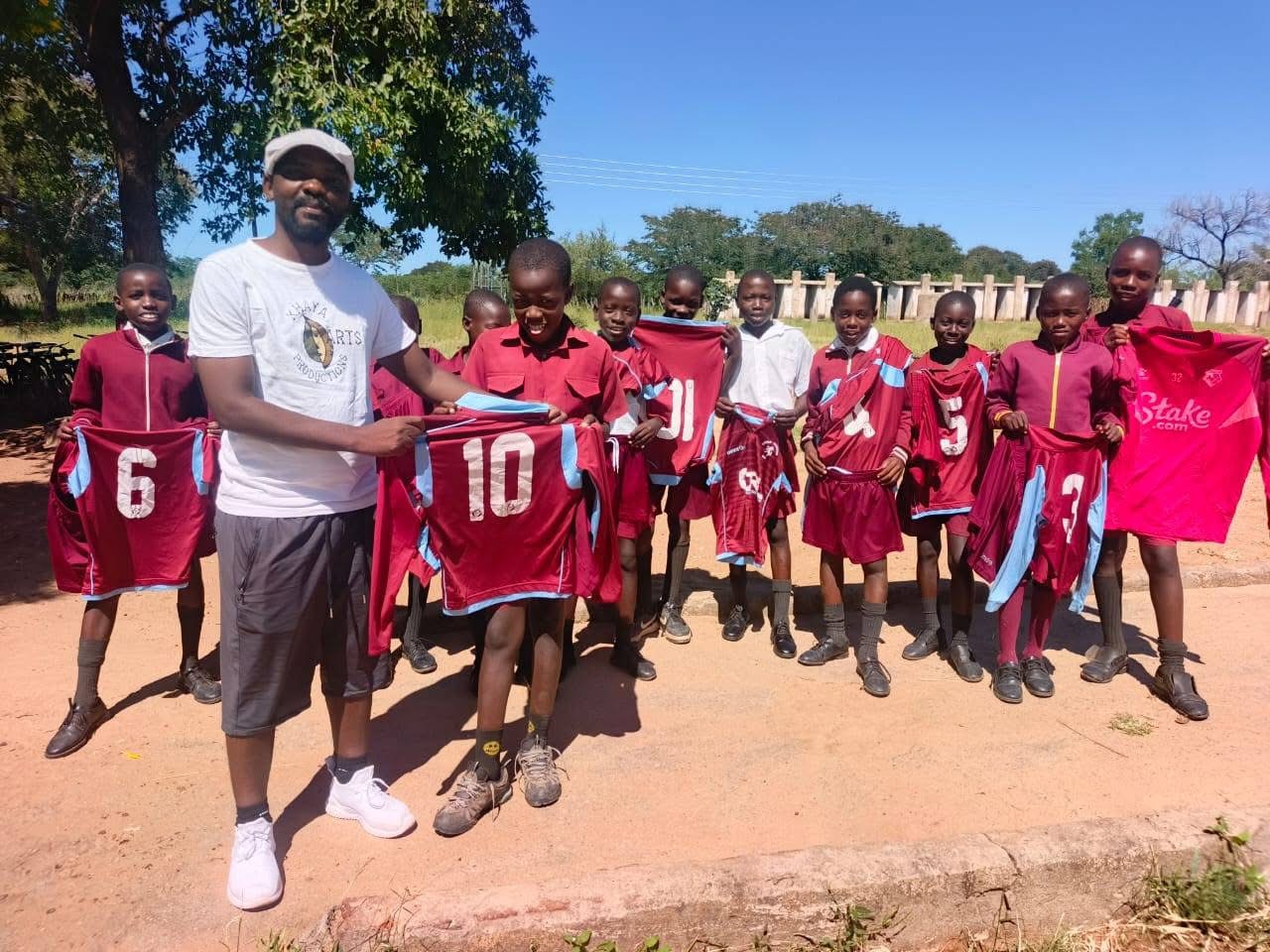
To fund this initiative, Dube allocates 30 percent of his earnings from every performance to purchase stationery and pay school fees. His reach has expanded to districts including Nkayi, Binga, Lupane, and Hwange. While he started alone, his social media presence has attracted global support, including a Zimbabwean-born UK citizen who recently donated football kits for the schools. “This is a different thing collectively that builds helping our own communities,” Dube said.
-

 Slider3 years ago
Innscor launches brewery to produce Nyathi beer
-

 National5 years ago
In perched rural Matabeleland North, renewable energy is vital
-

 Tourism and Environment4 years ago
Strive Masiyiwa’s daughter opens luxury Victoria Falls lodge
-

 Special reports4 years ago
Tinashe Mugabe’s DNA show’s popularity soars, causes discomfort for some
-

 Opinion4 years ago
A street art mural in Zimbabwe exposes a divided society
-

 National4 years ago
Victoria Falls’ pilot dies in helicopter crash
-

 National3 years ago
Commission of inquiry findings fail to be tabled as Victoria Falls councillors fight
-

 National3 years ago
Hwange coal miner fires workers over salary dispute