Connect with us

In the community

Kachechete embraces sustainable energy with new biogas digesters

Published

on

BY STAFF REPORTER 

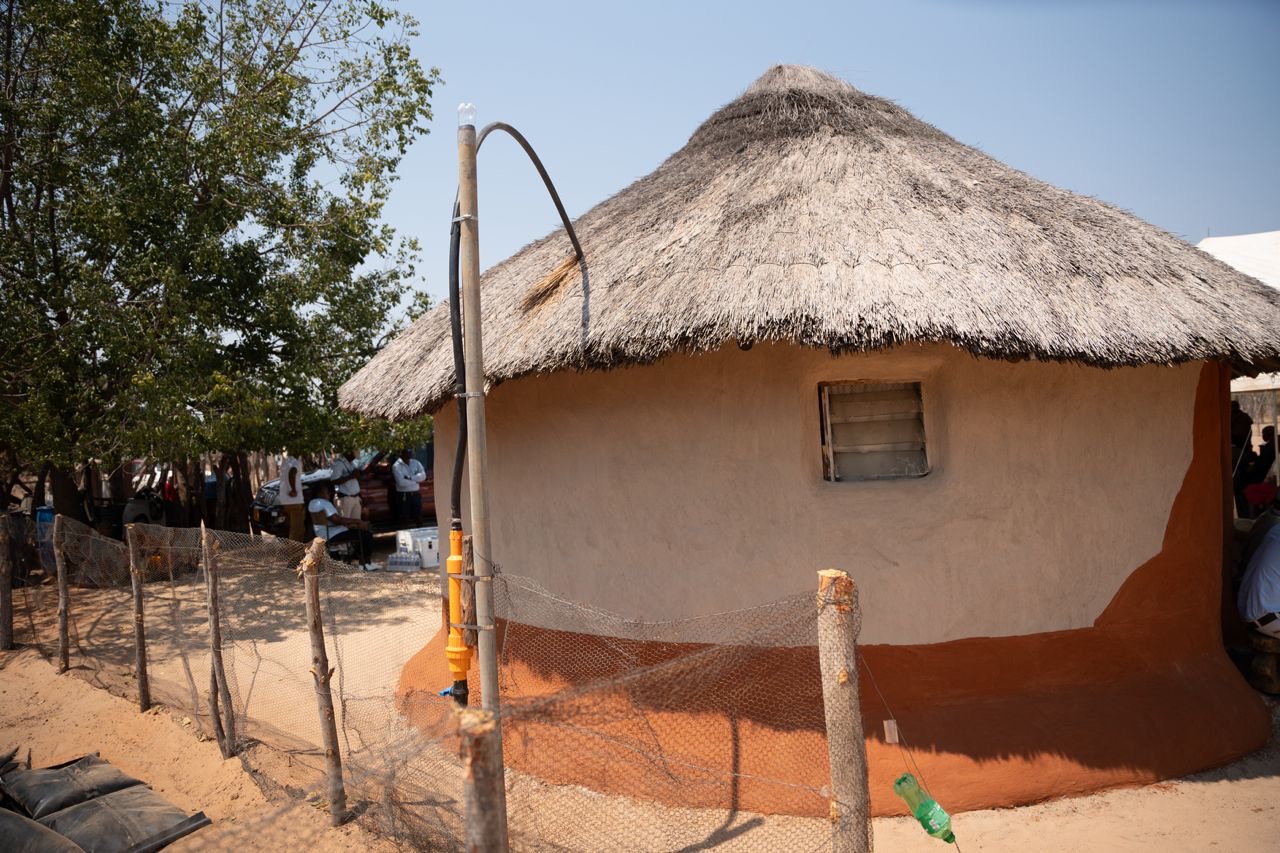
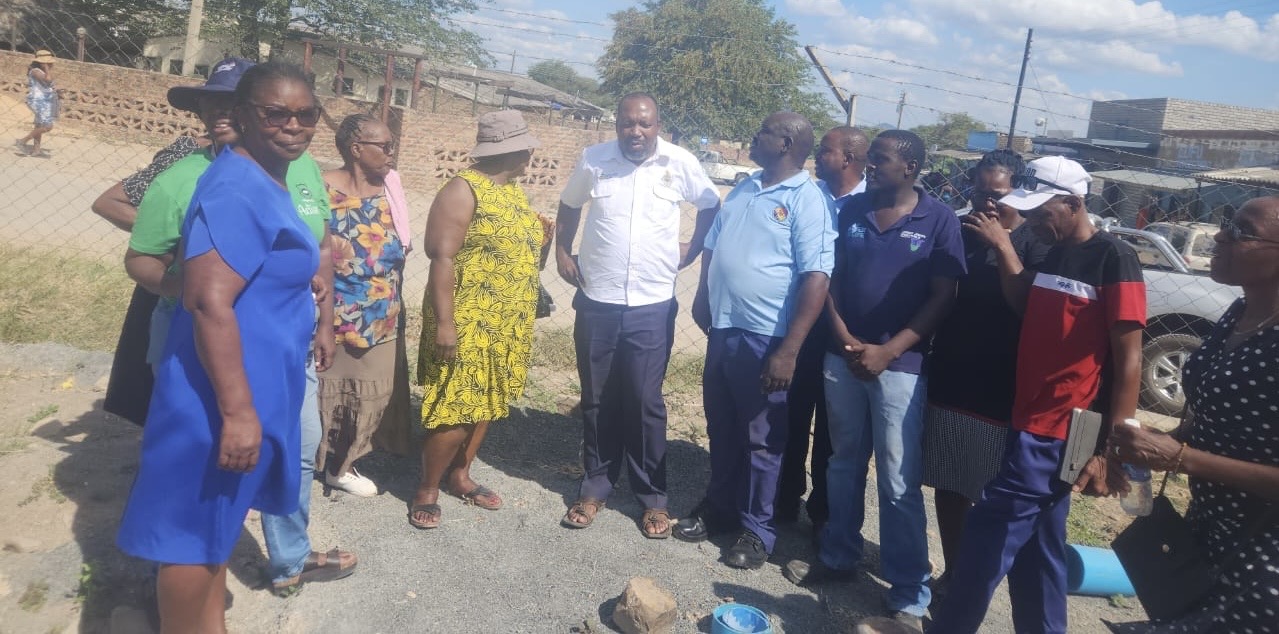
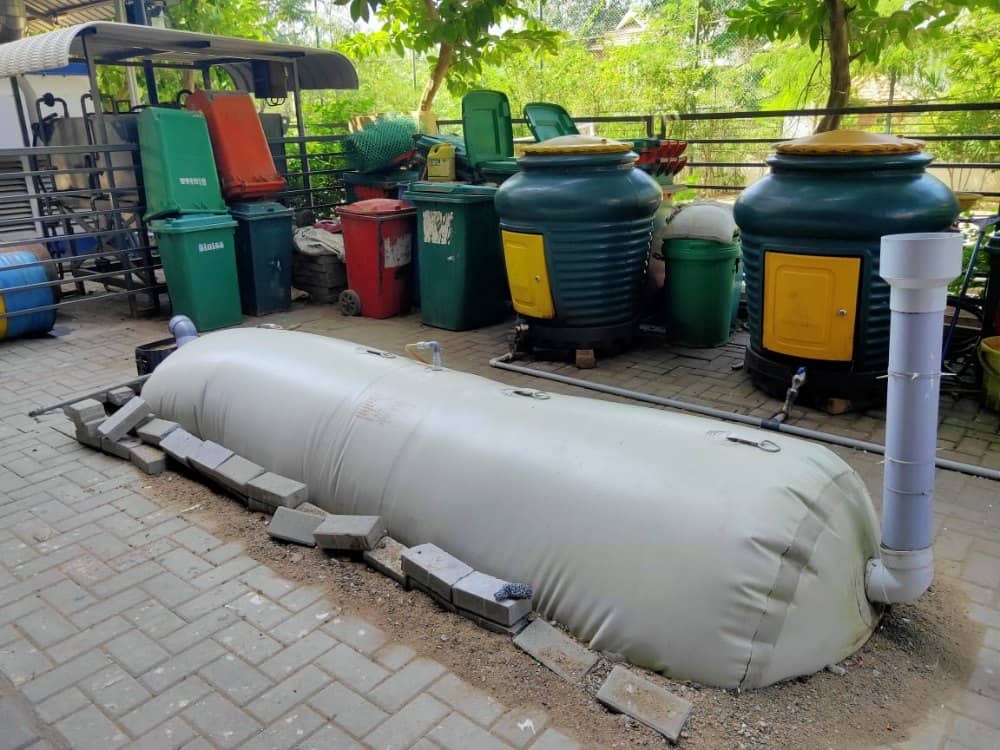
In a significant step towards sustainable energy, the rural community of Kachechete has successfully commissioned 24 biogas digesters.

Advertisement

This initiative, launched in collaboration with Wild Horizons, the Rotary Club of Victoria Falls, and the local community, aims to reduce reliance on traditional energy sources like firewood and fossil fuels.
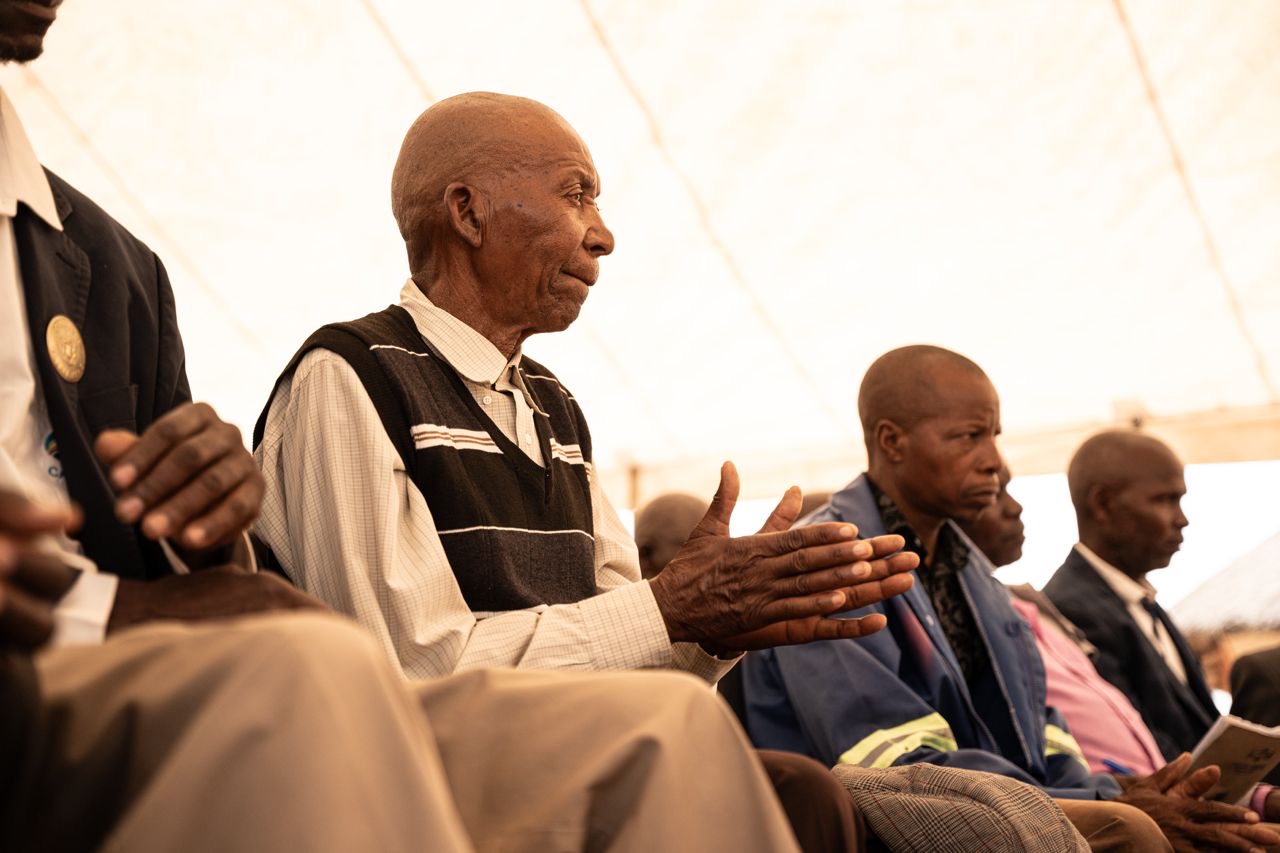
“The biogas digesters align perfectly with our national vision 2030 objectives, which aim to create a modern, prosperous Zimbabwe,” said Silibaziso Mlotshwa, speaking on behalf of acting Chief Mvuthu, Bishop Matata Sibanda.

“Embracing sustainable, clean energy solutions like this project helps uplift our communities while contributing to national and global sustainability goals.”
Advertisement

The biogas digesters provide a critical alternative to firewood, reducing pressure on local forests. “We are only allowed to fetch firewood from designated forest areas on Thursdays, which is often insufficient for our needs. The biogas digesters will help close this gap and protect our valuable forests,” Mlotshwa added.

Community members, especially women and girls, are expected to benefit significantly from the biogas project. “The introduction of biogas technology means our girls have more time for schoolwork and are less exposed to dangers like abuse while fetching firewood. This project is a blessing for our community,” said Monica Matibi, a local resident.

Wild Horizons representative Tendani Nemalwondo explained the environmental and economic benefits of the biogas digesters, which convert organic waste into methane gas. “Biogas digesters are eco-friendly devices that provide sustainable energy for cooking, heating, lighting, and even electricity generation. They also produce bio-fertilizer and natural pesticides, enhancing agricultural productivity.”

Advertisement

Lanforce Energy’s Chief Operating Officer Victor Tarirayi highlighted the cost-effectiveness of biogas technology, noting its potential to reduce household expenses significantly. “A biogas digester is a cost-effective solution; once installed, it can cut energy costs dramatically. For a household of six, which might spend US$30 monthly on gas or electricity, these savings can be redirected to other needs like school fees.”

 

Advertisement
Continue Reading
Click to comment

Leave a Reply

Your email address will not be published. Required fields are marked *

In the community

Zimbabwe moves to support human-wildlife conflict victims

Published

on

BY NOKUTHABA DLAMINI

Cabinet has officially approved a transformative National Wildlife Policy, marking the first major overhaul of the sector’s regulatory framework in over three decades.

Advertisement

For the communities of Matabeleland North—from the elephant-dense corridors of Hwange to the tourism heartbeat of Victoria Falls—the policy promises a radical shift in how local people coexist with and benefit from the country’s natural heritage.

Presented by Finance minister Mthuli Ncube on Tuesday, the new policy acknowledges that the wildlife sector has been “remarkably transformed” since the current laws were enacted in 1992.

The updated framework seeks to align Zimbabwe with modern international best practices, moving toward a “vibrant wildlife-anchored economy” that directly supports national development.

Advertisement

For residents of Hwange and Victoria Falls, the most critical breakthrough is the policy’s explicit focus on human-wildlife conflict (HWC).

The framework provides for the implementation of the Human-Wildlife Conflict Relief Fund, specifically designed to provide benefits and support to victims of wildlife encounters.

This is paired with new regulations for CAMPFIRE (Communal Areas Management Programme for Indigenous Resources) and the establishment of dedicated wildlife corridors to reduce dangerous interactions between animals and human settlements.

Advertisement

The policy is built upon 10 strategic pillars, including community-based natural resources management and the equitable sharing of benefits.

Crucially, the government now recognises wildlife as a “public resource,” with the policy aiming to support devolution and enhance “active community participation.”

This ensures that present and future generations in Matabeleland North are not just neighbours to the game reserves, but active stakeholders in its socio-economic success.

Advertisement

However, community members say the success of the policy will depend on how effectively benefits are devolved to grassroots level.

“We have heard policies before, but what matters is whether the money reaches us,” said a Hwange villager, Eslina Ndlovu from Nemanhanga. “Our schools are struggling, some do not even have adequate classrooms or learning materials. If wildlife revenue is coming from our areas, it should help improve our education system.”

Another villager,Joseph Mwembe from Vukuzenzele village under Chief Mvuthu, echoed similar sentiments, calling for investment in health services. “We are living with wildlife every day, but our hospitals are not equipped. We don’t have proper referral hospitals or machines. If this policy is serious about supporting communities, then we must see that money building clinics, equipping hospitals, and improving services here in Matabeleland North,” he said.

Advertisement

Villagers stressed that without tangible improvements in infrastructure and social services, the policy risks falling short of its intended impact.

“If communities do not benefit in real terms, then it defeats the whole purpose of calling wildlife a national resource,” added Ndlovu.

The policy also introduces measures for fisheries conservation and the protection of indigenous plant species, with strict penalties for violations that threaten resource sustainability.

Advertisement

Continue Reading

Hwange

CDF-funded borehole brings relief to Hwange ward 5

Published

on


BY NOTHANDO DUBE

Advertisement

Daniel Molokele has announced the successful rollout and verification of solar-powered boreholes across several wards in Hwange Central, describing the development as a major boost for communities long affected by water shortages.

In a statement issued Friday, Molokele confirmed that a solar-powered borehole in Ward 5 is now fully operational, bringing relief to residents who have endured prolonged periods without reliable water supplies. Community members reportedly expressed “absolute delight” at the development, citing the borehole as a critical intervention.

The Ward 5 project is part of four boreholes installed under the 2024 Constituency Development Fund (CDF). According to the MP’s office, verification visits conducted on April 17 across Wards 1, 4, 5 and 6 confirmed steady progress.

Advertisement

Ward 4 and Ward 6 boreholes have been operational since February, already serving local populations. In Ward 1, installation is nearly complete, with service expected imminently.

Molokele’s office also revealed that delays in Ward 5 were due to funding shortfalls after CDF allocations were exhausted. The MP personally covered an outstanding US$2 000 to ensure completion.

Meanwhile, Ward 14 remains without a borehole despite being included in the original proposal. Officials acknowledged ongoing water challenges in the area and said efforts are underway to mobilise additional funding to complete the project.

Advertisement

Local leaders, councillors and ward development committees participated in the verification exercise alongside the project contractor, who provided technical assessments at each site.

Advertisement
Continue Reading

Nkayi

Burial preparations underway for Nkayi well tragedy victims

Published

on

BY NOKUTHABA DLAMINI 

The Nkayi community is preparing to lay to rest the Grade 2 pupil and his neighbor who tragically died in a gas-filled well in Ward 19 last week.

Advertisement

According to Ward 19 Councillor Thubelihle Mabuza Ncube, the young Grade 2 boy is scheduled to be laid to rest today, while the other deceased individual will be buried tomorrow. The community is currently awaiting the arrival of the bodies from the Nkayi regional mortuary. The remains were recently delivered back to the regional mortuary following the completion of postmortem examinations in Bulawayo.

The double fatality occurred when the young student was reportedly lured into a neighbor’s well by an elder to retrieve a bucket in exchange for sweets. The child was quickly overcome by suspected carbon monoxide and a total lack of oxygen. A neighbor who entered the shaft in a desperate rescue attempt also perished after being overwhelmed by the toxic air.

Due to the hazardous conditions within the well, rescuers were unable to enter the shaft and had to use a makeshift wire tool to retrieve the bodies from the surface. Councillor Ncube previously expressed deep distress over the incident, noting that Nkayi is hurting deeply.

Advertisement

While the community mourns, legal proceedings are also in motion. The councillor has indicated that the accused in the matter has been charged by the police. This update follows a series of tragic events in the Nkayi district, including a recent fatal elephant attack in Ward 13.

Advertisement
Continue Reading

Trending

Copyright © 2022 VicFallsLive. All rights reserved, powered by Advantage