
Slider
Co-existing with wildlife: Prof Gandiwa’s insights on mitigating human-wildlife conflicts in Africa

BY NOKUTHABA DLAMINI
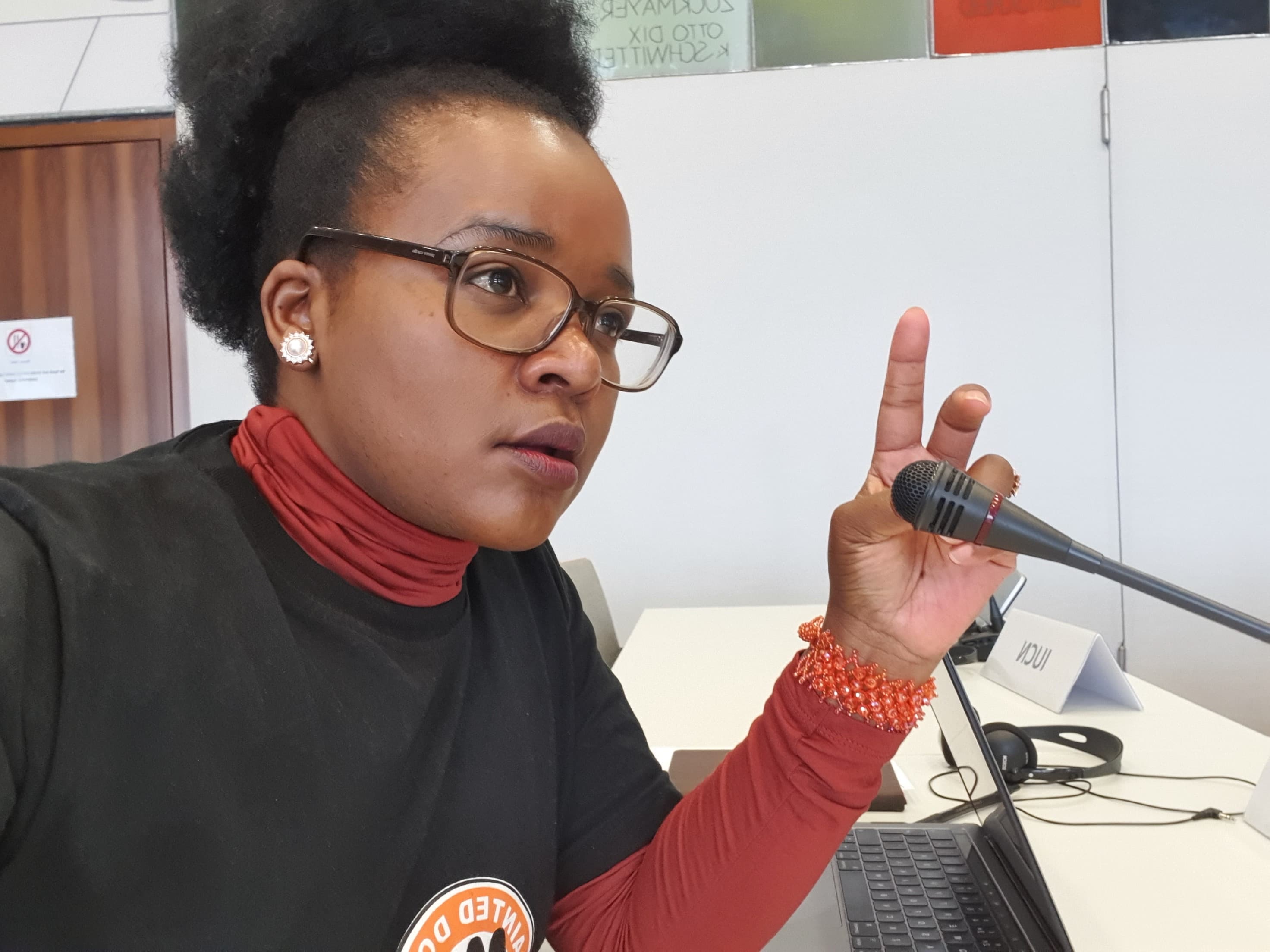
VicFallsLive Managing Editor, Nokuthaba Dlamini sat down with Professor Patience Gandiwa to discuss the issue of human-wildlife conflicts as she assumes her new role as Chairperson of the African Group of Negotiators on Wildlife.
As Africa’s human population continues to increase in areas where people are already co-existing with wildlife, so does the frequency of human-wildlife conflicts due to the inevitable spatial overlaps that happen. This complex issue affects not only conservation efforts but also the livelihoods of local communities. Sometimes a landscape of fear is created affecting the social life for both humans and wildlife.
Professor Gandiwa shed light on the challenges and potential solutions to this pressing problem.
Gandiwa emphasized the need for objectivity and inclusivity in addressing human-wildlife conflicts. At Africa level, context is very important as the situation is not homogenous across the continent. “I look at these issues objectively, without taking a solely Zimbabwean perspective. I need to understand the context of my colleagues in other sub-regions in Africa, to appreciate the situation in their countries, the threats they face, and options at their disposal to address the challenges. By doing so, we can determine what’s best for Africa (as a whole) without running the risk of being too prescriptive. I remember talking to a friend from Gabon Dr Lea-Larisa Moukagni (Gabon National Parks Agency) who shared many increasing human-elephant conflict challenges her country is facing with increasing elephant population as well as increasing human population. Zimbabwe is facing similar challenges and there are opportunities to learn from each other

Matetsi woman attacked by a crocodile
We sometimes make difficult decisions at global level to accommodate African countries unique situations, such as listing species in different appendices. That alone also comes with itsown challenges.
She highlighted the complexity of human-wildlife conflicts, citing the growing population of both humans and wildlife. “Africa’s population is growing, and in some parts of Africa, we have seen significant increase in wildlife populations. Coupled with that, we have also seen an increasing trajectory in livestock populations in the same landscapes dominated by wildlife, but the land areas of these places or countries have not necessarily been expanding. Therefore this is really one of the serious challenges of our time, where the whole–of–society and whole-of-government approach must be demonstrated. It’s not just a nice thing to adopt or a nice approach, but it’s actually a necessity.”
Gandiwa stressed the importance of investing in technological applications to better understand wildlife movement patterns and spatial overlaps. “We need to invest in technology, for example, that brings in tech companies and technopreneurial innovators to say, ‘How can we take advantage of biotelemetry and invest in satellite collars so that we understand and do more research to understand the movement patterns and map the conflict hotspots, targeting those species that are actually coming into conflict?’ How can we innovate, for example, to explore sustainable financing that support implementation of livelihood diversification strategies and alternatives in the face of climate change?”

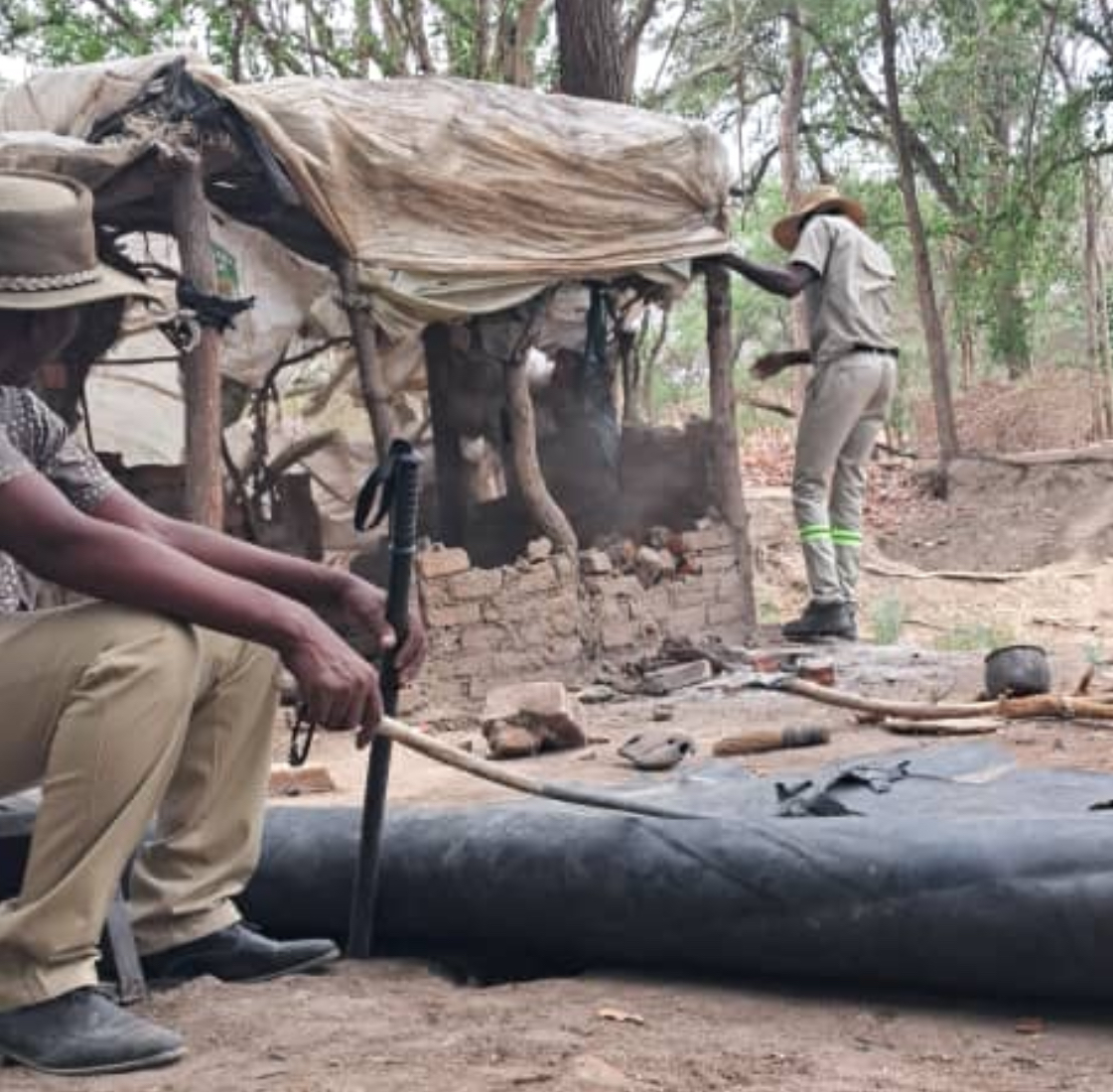
Lion beheaded by poachers
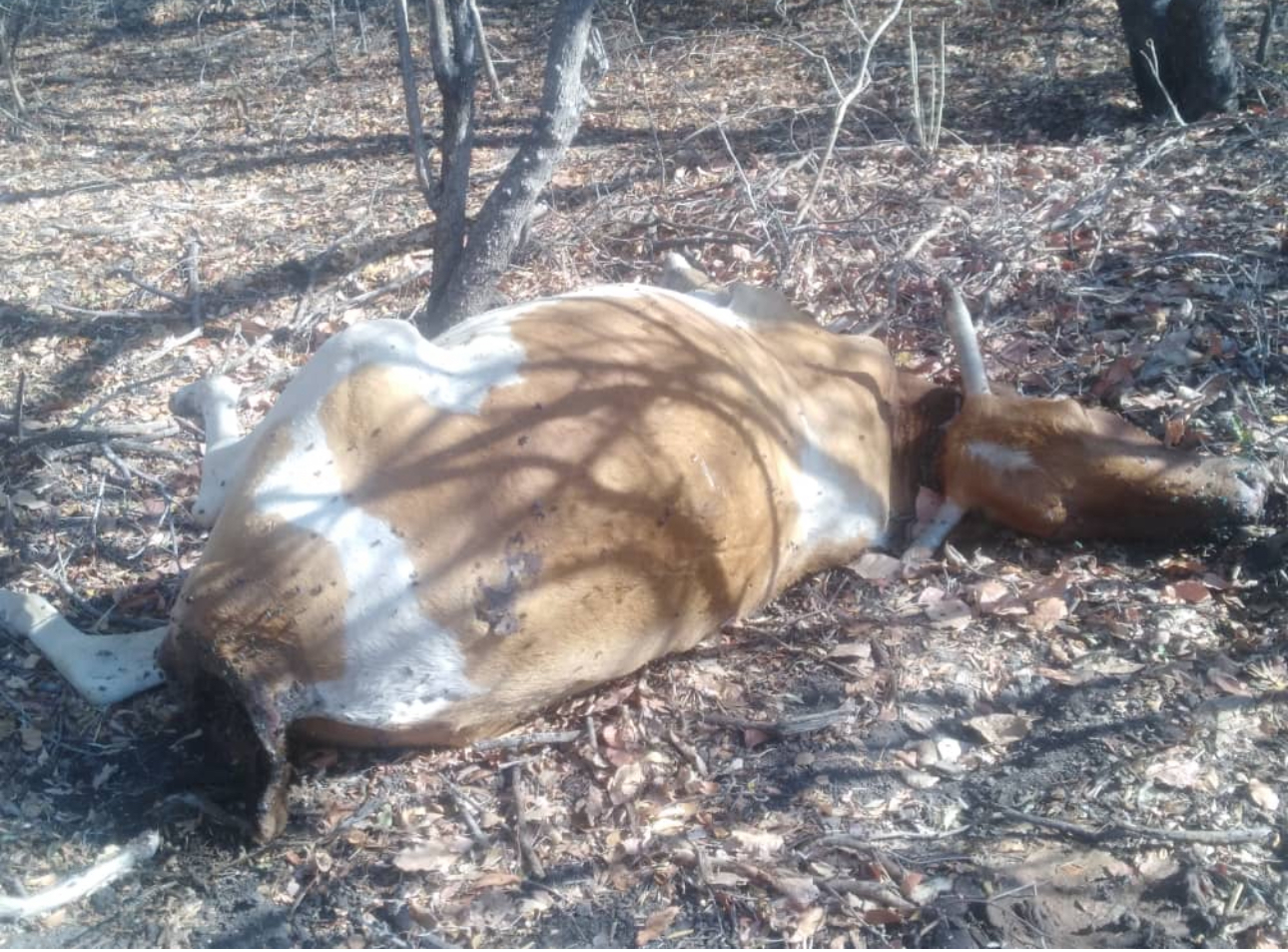
She also emphasized the need for innovative approaches to addressing human-wildlife conflict. “If the wildlife constituency was not necessarily engaging with agriculture and water, this is the time to talk to each other and say, ‘Hey, out of the 370 people that have lost their lives in Zimbabwe due to human wildlife conflicts since 2019 and the 453 seriously injured, 939 cattle, 166 donkeys and 203 goats lost to carnivores, maybe the majority of victims that died have been attacked by crocodiles. Why are people losing their lives at these life-giving rivers? Yes, they are monsters – monster crocs in these rivers. There are hippos too and hippos are dangerous animals too. Hippos and crocs are dangerous fauna listed under the Parks and Wildlife Act, despite their Appendix II listing under the Convention on International Trade in Endangered Species of Wild Flora and Fauna (CITES). How can we bring water to the people then if people are dying or being maimed trying to fetch water from the rivers? What can we do to prevent livestock loses each time they are taken to the river for water? Perhaps drilling boreholes, again, being mindful of safe-yield principles and safeguards on managing the risk of aquifer depletion. There are other novel means of mitigating human wildlife conflicts which have been tested successfully in various parts of Africa, from participatory landuse planning to use of bees as recognition of traditional ecological knowledge. Now, these are the kinds of discussionswe need.
Africa still requires more investment in sustainable and long-term measures. Mitigation of human-wildlife conflicts is usuallymuch less costly and much more effective and sustainable if we invest more in mitigation initiatives such as conservation agriculture, awareness raising, avoiding a the problem is better than trying to address it when it has already happened for example when someone who has lost their limb or worse still, dies.” There is no compensation scheme that can ever replace someone’s life, we can only talk of some relief.
Gandiwa highlighted the importance of empowering local communities and involving them in decision-making processes. “We really need to explore other non-conventional approaches of providing livelihoods such as innovation hubs in the wildlife-rich areas, promotion of the Arts and Crafts industry, support for sustainable tourism and green energy investments.”
Instead of someone going to the river to catch that fish only. How can we innovate in the space of cage-culture and aquaculture? Zimbabwe has over 10,000 dams outside the protected area network, for example, where viable projects in fish farming or even crocodile farming can be explored and unlock new opportunities for jobs, economic emancipation, and also mitigating human-wildlife conflicts.”
The issue of human-wildlife conflicts is further complicated by the need for international cooperation and fair-trade practices. Gandiwa noted that the decline in international donor assistance has led countries like Zimbabwe to seek alternative solutions. “This is why, when there is a decline in international donor assistance, countries in facing budget shortfalls on conservation financing might say, ‘Okay, if there is no aid, what about legal trade opportunities in line with Africa’s wildlife economy growth aspirations?’ African countries can unlock the value of what they have already, sustainably sweating their own natural capital assets through clean and secure legal markets, perhaps the funding gap can be bridged?“ Financial resource constrains often limit what African countries can do for themselves without holding a begging bowl.

Rescued snared elephant in Victoria Falls
Gandiwa also emphasized the need for local communities to have a voice in decision-making processes that affect them. “It’s actually quite a highly emotive issue, and it’s such a sensitive and multi-dimensional issue related to human-wildlife conflictswhen we mirror it in international discourse on trade and CITES-listed species. There’s been quite a pushback in terms of the participation of local communities in the decision-making and advisory framework of the governing bodies and processes, which has also been viewed as not so nice or not so progressive.”
As the Chairperson of the African Group of Negotiators on Wildlife, Gandiwa is committed to work closely with all African countries in finding sustainable solutions to human-wildlife conflicts, particularly conflicts involving endangered species listed under CITES as well as migratory species listed under the Convention on the Conservation of Migratory Species of Wild Fauna
National
Government to equip Mpilo Hospital with radiotherapy machines funded by sugar tax initiative


-

 Slider3 years ago
Innscor launches brewery to produce Nyathi beer
-

 National5 years ago
In perched rural Matabeleland North, renewable energy is vital
-

 Tourism and Environment4 years ago
Strive Masiyiwa’s daughter opens luxury Victoria Falls lodge
-

 Special reports4 years ago
Tinashe Mugabe’s DNA show’s popularity soars, causes discomfort for some
-

 Opinion4 years ago
A street art mural in Zimbabwe exposes a divided society
-

 National4 years ago
Victoria Falls’ pilot dies in helicopter crash
-

 National3 years ago
Commission of inquiry findings fail to be tabled as Victoria Falls councillors fight
-

 National3 years ago
Hwange coal miner fires workers over salary dispute