Connect with us

Tourism and Environment

Cape Town Tourism and We Are Victoria Falls partner to create the ultimate African adventure

Published

on

BY BERNELEE VOLLMER

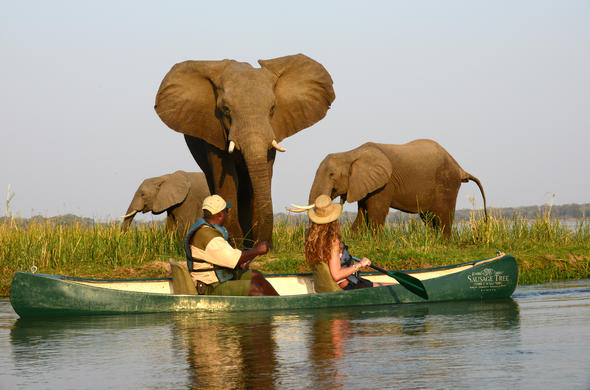
Victoria Falls and the single most iconic landmark of South Africa, Table Mountain, can expect an increased number of local and international visitors following the announcement of a new city partnership between recently launched tourism community We Are Victoria Falls and Cape Town Tourism (CTT).

Advertisement

The partnership aims to promote and encourage tourists to visit these two destinations as part of the “African Routes” while working with key airlines and private sector operators on a campaign that will be launched in 2023.We Are Victoria Falls board chairperson Barbara Murasiranwa-Hughes said: ‘’The support and advice from CTT has not only helped inform the solid grounding we find of the DMP (Destination Marketing Partnership) we launch today, but marketing together from the onset will further support in fast-tracking our business objectives and prosperity of Victoria Falls.’’

The main objective is to share current destination management best practices by CTT, giving advice on how to structure a successful organisation and ecosystem that supports sustainable travel.The We Are Victoria Falls announcement follows the first-ever celebrated Global Tourism Resilience Day, which emphasises the need to foster resilient tourism development through private-public co-operation, specifically in developing countries.It raises awareness about the importance of sustainable tourism, and how tourism is more than just a considerable source of income, but also connects people with nature while inspiring environmental responsibility and conservation.

CTT chief marketing officer Leigh Dawber said: ‘’A huge congratulations to We Are Victoria Falls for bringing their vision to life as this is no small feat, and we are looking forward to collaboratively exploring ways to position and uplift tourism within an African context, by developing ways to inspire travel between our two destinations and then share any learnings and successes with the rest of the continent.’’IOL

Advertisement


Advertisement
Continue Reading
Click to comment

Leave a Reply

Your email address will not be published. Required fields are marked *

In the community

Zimbabwe moves to support human-wildlife conflict victims

Published

on

BY NOKUTHABA DLAMINI

Cabinet has officially approved a transformative National Wildlife Policy, marking the first major overhaul of the sector’s regulatory framework in over three decades.

Advertisement

For the communities of Matabeleland North—from the elephant-dense corridors of Hwange to the tourism heartbeat of Victoria Falls—the policy promises a radical shift in how local people coexist with and benefit from the country’s natural heritage.

Presented by Finance minister Mthuli Ncube on Tuesday, the new policy acknowledges that the wildlife sector has been “remarkably transformed” since the current laws were enacted in 1992.

The updated framework seeks to align Zimbabwe with modern international best practices, moving toward a “vibrant wildlife-anchored economy” that directly supports national development.

Advertisement

For residents of Hwange and Victoria Falls, the most critical breakthrough is the policy’s explicit focus on human-wildlife conflict (HWC).

The framework provides for the implementation of the Human-Wildlife Conflict Relief Fund, specifically designed to provide benefits and support to victims of wildlife encounters.

This is paired with new regulations for CAMPFIRE (Communal Areas Management Programme for Indigenous Resources) and the establishment of dedicated wildlife corridors to reduce dangerous interactions between animals and human settlements.

Advertisement

The policy is built upon 10 strategic pillars, including community-based natural resources management and the equitable sharing of benefits.

Crucially, the government now recognises wildlife as a “public resource,” with the policy aiming to support devolution and enhance “active community participation.”

This ensures that present and future generations in Matabeleland North are not just neighbours to the game reserves, but active stakeholders in its socio-economic success.

Advertisement

However, community members say the success of the policy will depend on how effectively benefits are devolved to grassroots level.

“We have heard policies before, but what matters is whether the money reaches us,” said a Hwange villager, Eslina Ndlovu from Nemanhanga. “Our schools are struggling, some do not even have adequate classrooms or learning materials. If wildlife revenue is coming from our areas, it should help improve our education system.”

Another villager,Joseph Mwembe from Vukuzenzele village under Chief Mvuthu, echoed similar sentiments, calling for investment in health services. “We are living with wildlife every day, but our hospitals are not equipped. We don’t have proper referral hospitals or machines. If this policy is serious about supporting communities, then we must see that money building clinics, equipping hospitals, and improving services here in Matabeleland North,” he said.

Advertisement

Villagers stressed that without tangible improvements in infrastructure and social services, the policy risks falling short of its intended impact.

“If communities do not benefit in real terms, then it defeats the whole purpose of calling wildlife a national resource,” added Ndlovu.

The policy also introduces measures for fisheries conservation and the protection of indigenous plant species, with strict penalties for violations that threaten resource sustainability.

Advertisement

Continue Reading

Slider

Tourist hospitalised after elephant attack

Published

on

BY STAFF REPORTER 

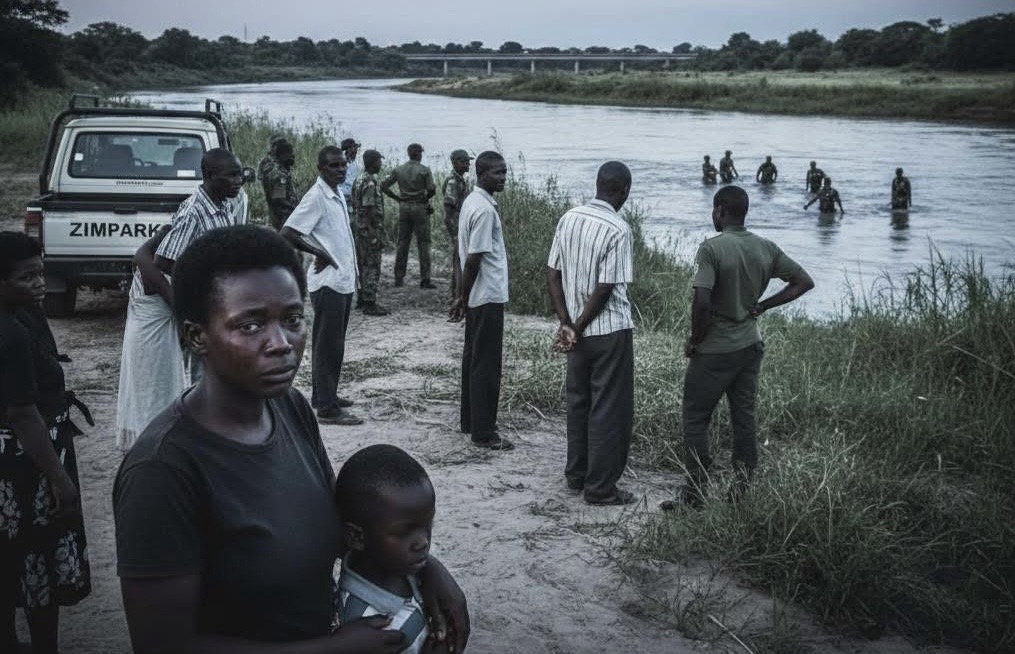
A 65-year-old Japanese tourist has been seriously injured after being attacked by an elephant near Victoria Falls, according to the Zimbabwe Parks and Wildlife Management Authority (ZimParks).

Advertisement

In a statement on Thursday, ZimParks spokesperson Luckmore Safuli said Hidetoshi Matsumoto was attacked on Wednesday morning while walking alone along Big Tree Road, a route frequently used by visitors near the Victoria Falls Big Tree.

“A 65-year-old Japanese man by the name Hidetoshi Matsumoto, who was staying at the Rainbow Hotel in Victoria Falls, was attacked and injured by an elephant while walking along the Big Tree Road,” Safuli said.

He said the incident occurred at around 8 am.

Advertisement

“The circumstances surrounding the incident are that on 22 April 2026 at around 0800 hours, Hidetoshi Matsumoto was alone walking along the Big Tree Road when an elephant emerged from nowhere and attacked him. Hidetoshi sustained severe injuries all over his body and was immediately rushed to Health Bridge Private Hospital for medical treatment,” he added.

Matsumoto was taken to Health Bridge Private Hospital, where he is receiving treatment.

ZimParks said rangers had been deployed to track down what it described as the “problem elephant”.

Advertisement

“Meanwhile, ZimParks rangers are on the ground searching for the problem elephant,” Safuli said.

He added that further details would be released as investigations continue and efforts to locate the animal progress.

Wildlife authorities have previously warned visitors to exercise caution when walking in areas bordering national parks, where wild animals can roam freely.
SOURCE: CITE

Advertisement

Continue Reading

Slider

A guardian’s legacy: PDC honours Greg ‘Gibby’ Gibbard as painted dog successes grow

Published

on

BY NOKUTHABA DLAMINI

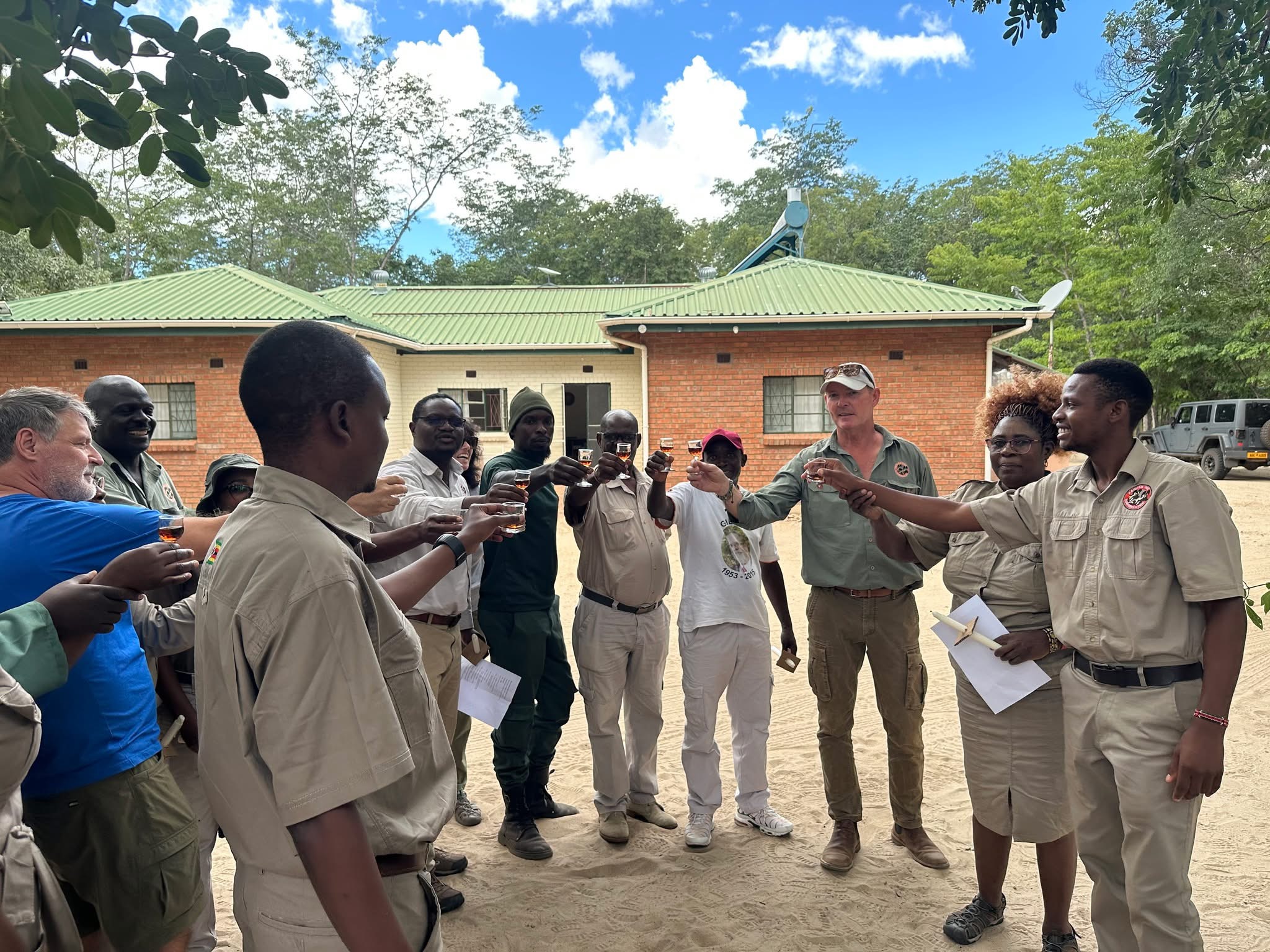
In a poignant tribute that has resonated across the conservation community, Painted Dog Conservation (PDC) recently gathered to honour the memory of Greg ‘Gibby’ Gibbard, a man whose life was inextricably linked to the survival of the African wild dog. Gibbard, who passed away in 2015, is being remembered not just for his years of service, but for a legacy that continues to safeguard one of the continent’s most endangered predators.

Advertisement

The Facebook remembrance, shared by Maria of PDC, highlights a life defined by “unwavering courage” and a refusal to let the story of the painted dog end. While the region continues to grapple with intense poaching pressure—including a recent surge in illegal traps that has seen thousands of snares removed from the bush—the focus of this week’s memorial is on the “hope and resilience” that Gibbard instilled in the mission.
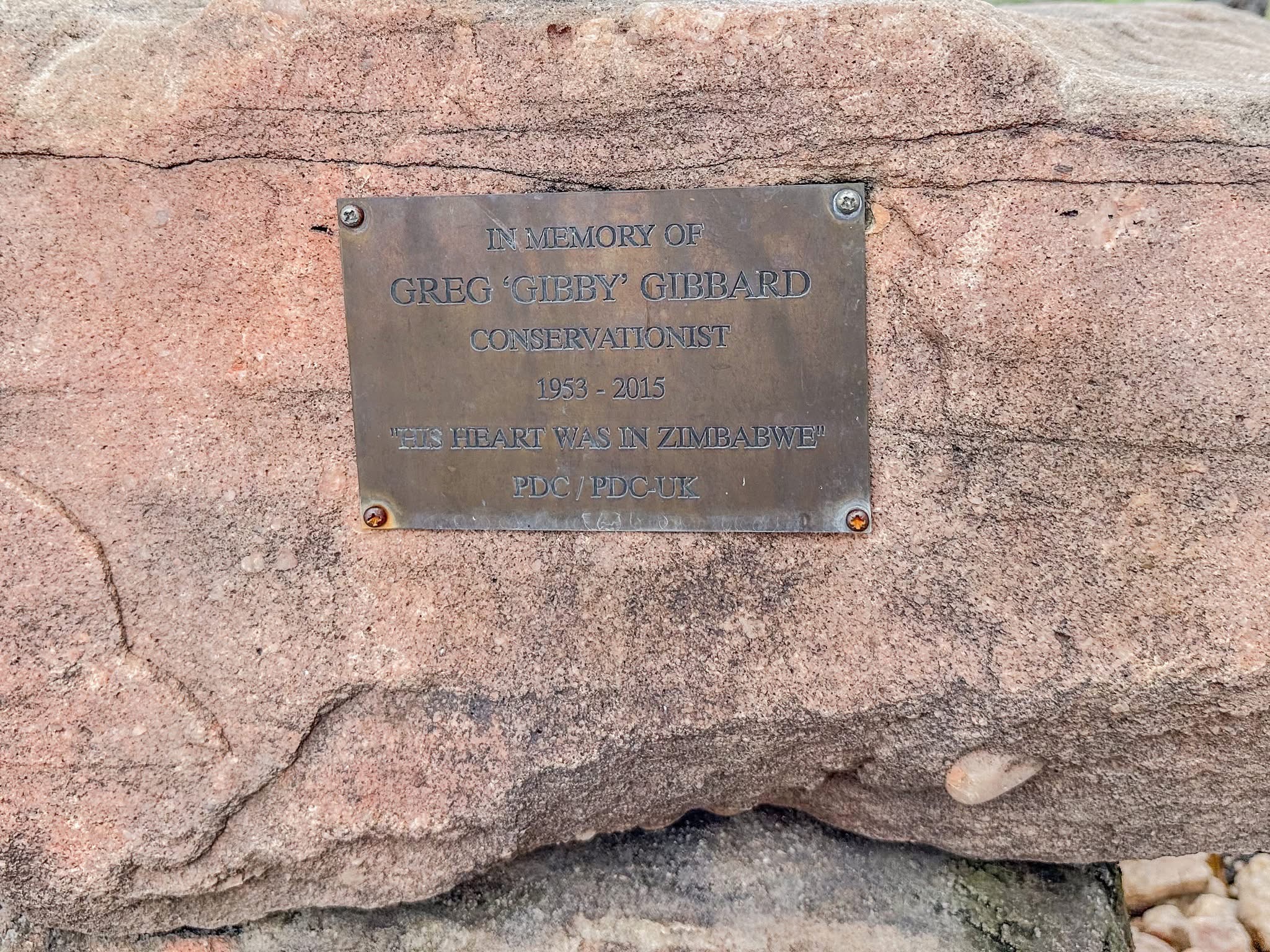
Tracking Footprints in the Sand

For those who knew him, Greg’s work was far from the polished image of modern wildlife tourism. It was characterized by “long days in the bush, tracking fading footprints in dust and sand,” and the relentless, often exhausting effort of “educating communities and inspiring young conservationists.”

Maria noted that Gibbard stood as a “guardian of a species that many had forgotten,” recognizing early on that the survival of the patchwork-coated dogs was “inseparable from our own future.” His dedication spanned “sleepless nights worrying about disease and disappearing habitat,” a commitment that laid the foundation for the sophisticated tracking and research operations used by PDC today.

Advertisement

A Legacy of Resilience: The Umkhonto Pack

The success of modern interventions is widely seen as a continuation of Gibbard’s vision. A primary example is the Umkhonto Pack, which has become a “flagship example of science-driven, field-based conservation”.
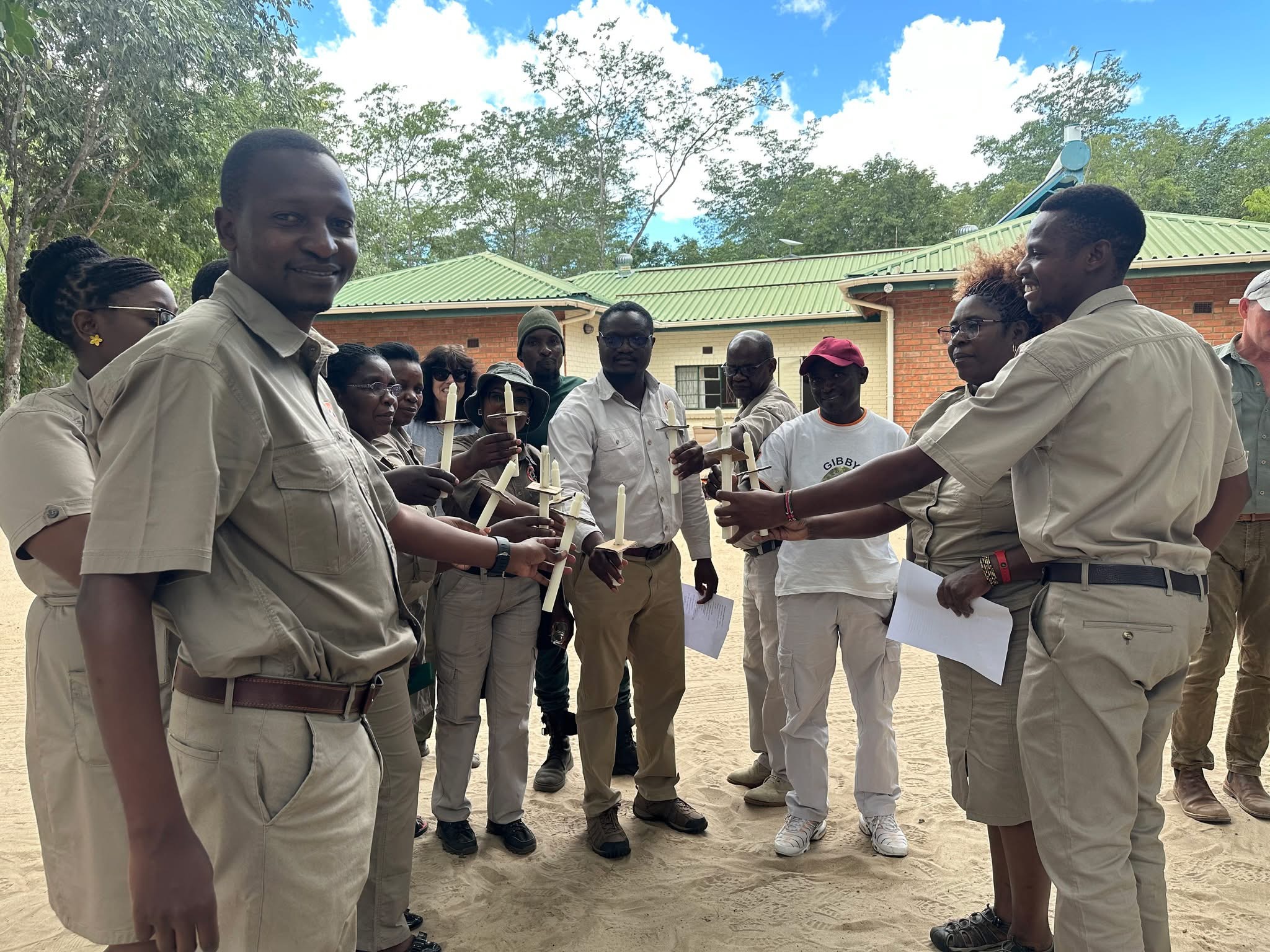
Image by PDC

Though the park faces ongoing challenges with illegal snaring in communal areas, the protection of this specific pack has been a resounding victory. According to the latest PDC data:

Eight healthy pups were successfully raised during the last denning season with no mortalities .
 The pack has stabilized at 19 individuals , now ranging within the safety of Hwange National Park.
The integration of research and tracking technology—methods Gibbard championed—led to the arrest of eleven poachers in the pack’s territory.

Advertisement

The “Shadows of the Savanna” Live OnAs the conservation community marks a decade since his passing, the presence of these “remarkable predators” remains the ultimate tribute to his life. The current population in the Hwange and Sinamatela regions is robust, with several monitored packs carrying the torch of his efforts.

The Emerald pack, which has reached 22 individuals, and the Batsha pack , with 20 dogs, are thriving examples of the “unbreakable family bonds” Maria spoke of in her tribute . Other groups, including the Kingsbury, Linkwasha, Chowato, Cave, Intundla, Khumbula, and Garikamwe packs, continue to move like “shadows across the savanna at sunrise,” fulfilling Gibbard’s dream of a wilderness that still echoes with their high-pitched calls.

“May we honour Greg’s memory not only with words, but with action,” the tribute concluded.

Advertisement

Continue Reading

Trending

Copyright © 2022 VicFallsLive. All rights reserved, powered by Advantage