Connect with us

National

VIctoria Falls Covid-19 vaccination blitz targets children

Published

on

BY NOKUTHABA DLAMINI 

Victoria Falls has started vaccinating children between 12 and 15 years against Covid-19 as Zimbabwe continues its push to reach herd immunity..

Advertisement

The Health and Child Care ministry and Victoria Falls City Council on Monday issued a notice saying a vaccination blitz will be carried out between March 21 and April 3.

“Victoria Falls residents you are advised that the vaccination rollout against Covid-19 has started from today until April 3,” read the notice.

“We are targeting to vaccinate both primary and secondary children from their schools where such facilities will be made available for them there and for those in the same age group who are not going to school, we will be vaccinating them from (Victoria Falls Hospital), and in all the clinics nearest to them.”

Advertisement

According to the Health ministry, the second phase of the vaccination blitz will run from May 2 to 15.

Also invited to vaccinate were adults who have not received the third dose of the Covid-19 vaccine. Take.

“You are also urged to make sure that you also visit our health facilities,” added the notice.

Advertisement

“Our nursing staff will be there to assist you to get those booster shots.”

According to the ministry’s statistics, 85 percent of Victoria Falls’ adult population is fully vaccinated.

President Emmerson Mnangagwa launched Zimbabwe’s Covid-19 vaccination programme in March last year and border towns such as Victoria Falls were prioritised to facilitate the re-opening of the country’s tourism industry.

Advertisement


Advertisement
Continue Reading
Click to comment

Leave a Reply

Your email address will not be published. Required fields are marked *

In the community

Zimbabwe moves to support human-wildlife conflict victims

Published

on

BY NOKUTHABA DLAMINI

Cabinet has officially approved a transformative National Wildlife Policy, marking the first major overhaul of the sector’s regulatory framework in over three decades.

Advertisement

For the communities of Matabeleland North—from the elephant-dense corridors of Hwange to the tourism heartbeat of Victoria Falls—the policy promises a radical shift in how local people coexist with and benefit from the country’s natural heritage.

Presented by Finance minister Mthuli Ncube on Tuesday, the new policy acknowledges that the wildlife sector has been “remarkably transformed” since the current laws were enacted in 1992.

The updated framework seeks to align Zimbabwe with modern international best practices, moving toward a “vibrant wildlife-anchored economy” that directly supports national development.

Advertisement

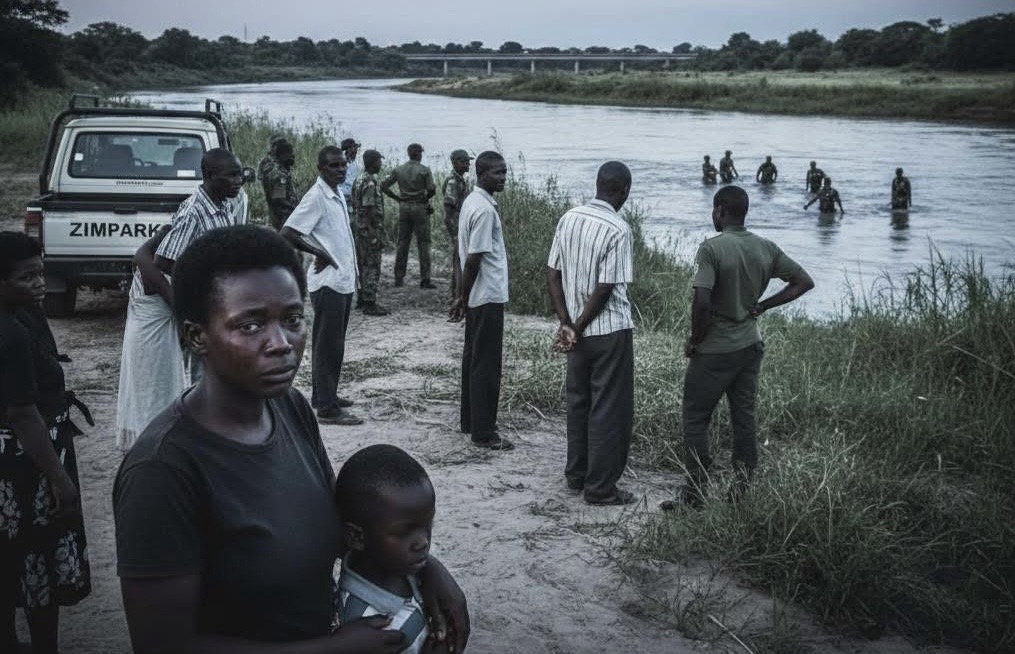
For residents of Hwange and Victoria Falls, the most critical breakthrough is the policy’s explicit focus on human-wildlife conflict (HWC).

The framework provides for the implementation of the Human-Wildlife Conflict Relief Fund, specifically designed to provide benefits and support to victims of wildlife encounters.

This is paired with new regulations for CAMPFIRE (Communal Areas Management Programme for Indigenous Resources) and the establishment of dedicated wildlife corridors to reduce dangerous interactions between animals and human settlements.

Advertisement

The policy is built upon 10 strategic pillars, including community-based natural resources management and the equitable sharing of benefits.

Crucially, the government now recognises wildlife as a “public resource,” with the policy aiming to support devolution and enhance “active community participation.”

This ensures that present and future generations in Matabeleland North are not just neighbours to the game reserves, but active stakeholders in its socio-economic success.

Advertisement

However, community members say the success of the policy will depend on how effectively benefits are devolved to grassroots level.

“We have heard policies before, but what matters is whether the money reaches us,” said a Hwange villager, Eslina Ndlovu from Nemanhanga. “Our schools are struggling, some do not even have adequate classrooms or learning materials. If wildlife revenue is coming from our areas, it should help improve our education system.”

Another villager,Joseph Mwembe from Vukuzenzele village under Chief Mvuthu, echoed similar sentiments, calling for investment in health services. “We are living with wildlife every day, but our hospitals are not equipped. We don’t have proper referral hospitals or machines. If this policy is serious about supporting communities, then we must see that money building clinics, equipping hospitals, and improving services here in Matabeleland North,” he said.

Advertisement

Villagers stressed that without tangible improvements in infrastructure and social services, the policy risks falling short of its intended impact.

“If communities do not benefit in real terms, then it defeats the whole purpose of calling wildlife a national resource,” added Ndlovu.

The policy also introduces measures for fisheries conservation and the protection of indigenous plant species, with strict penalties for violations that threaten resource sustainability.

Advertisement

Continue Reading

National

Malaria surge persists in Zimbabwe despite interventions, rural communities struggle

Published

on

BY NOTHANDO DUBE

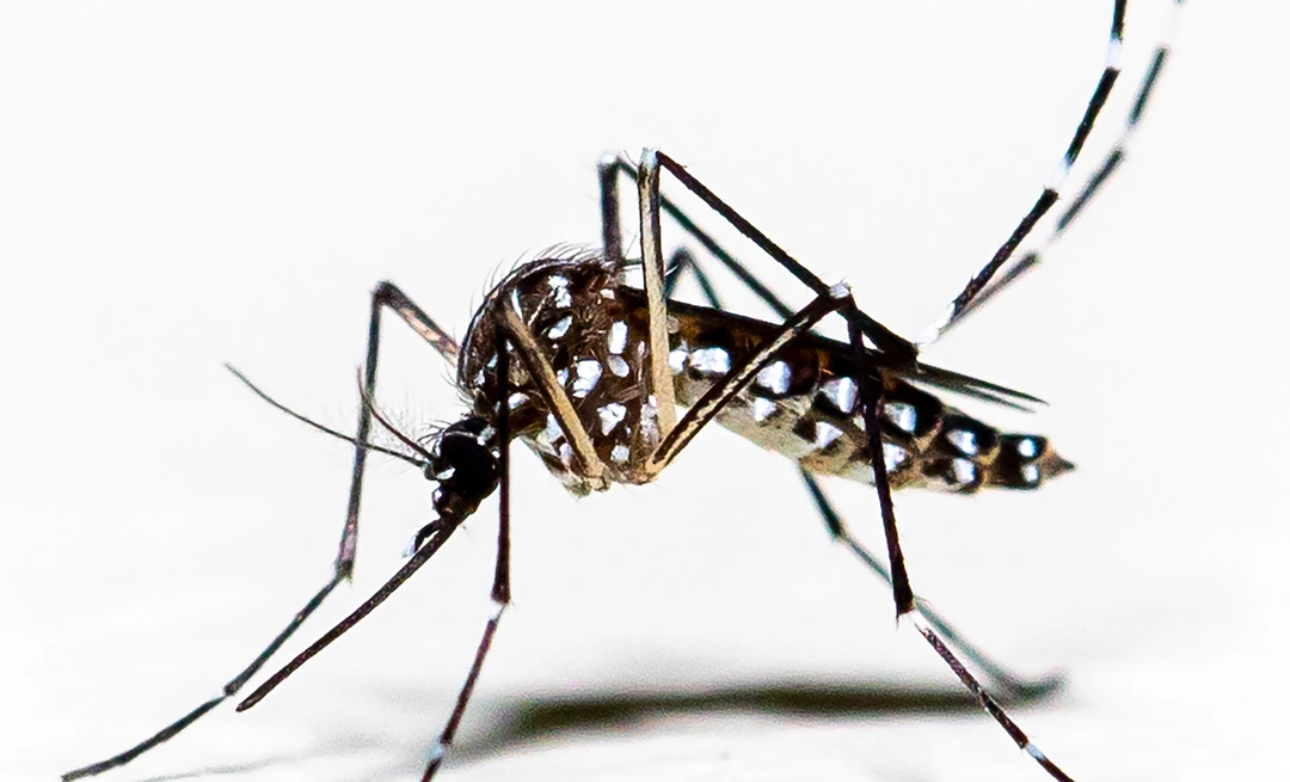
Zimbabwe is experiencing a sharp rise in malaria cases in 2026, with health experts warning that funding gaps, climate pressures and persistent transmission in high-risk areas are reversing years of progress.

Advertisement

Latest figures from the Ministry of Health show that by mid-April, the country had recorded over 65 000 malaria cases and 174 deaths, nearly double the numbers reported during the same period in 2025. The increase follows the premature closure of the Zimbabwe Assistance Programme in Malaria (ZAPIM), which had supported key prevention and control efforts.

Save the Children said the end of the programme has contributed to shortages of insecticide-treated mosquito nets, delays in vector control operations and weakened disease surveillance, particularly in vulnerable rural communities.

The Community Working Group on Health (CWGH) also warned that Zimbabwe recorded 154 000 malaria cases and 423 deaths in 2025, linking the continued spread of the disease to erratic rainfall, flooding and rising temperatures that have expanded mosquito breeding sites.  

Advertisement

In malaria-prone districts such as Binga, frontline health workers say the disease remains difficult to contain despite ongoing interventions.

Village health worker Margaret Bernard from Tindi said communities continue to receive support, including mosquito nets, medication and other supplies, but challenges persist.

“We do get assistance to fight malaria because Binga is prone to the disease. We receive mosquito nets, medication and other support,” she said. “But even with these interventions, it is still difficult to fully contain malaria here. The cases keep coming, especially during the rainy season.”

Advertisement

Zimbabwe had previously made significant progress in reducing malaria cases, with infections dropping sharply between 2023 and 2024 due to sustained investment and coordinated efforts. However, experts warn that without renewed funding and stronger community-level responses, those gains could be lost.

“Malaria remains preventable and treatable, but deaths are rising again,” CWGH said, calling for urgent action to strengthen prevention, improve treatment access and secure long-term funding.

Advertisement
Continue Reading

National

EcoCash launches all-in-one super app

Published

on

BY STAFF REPORTER 

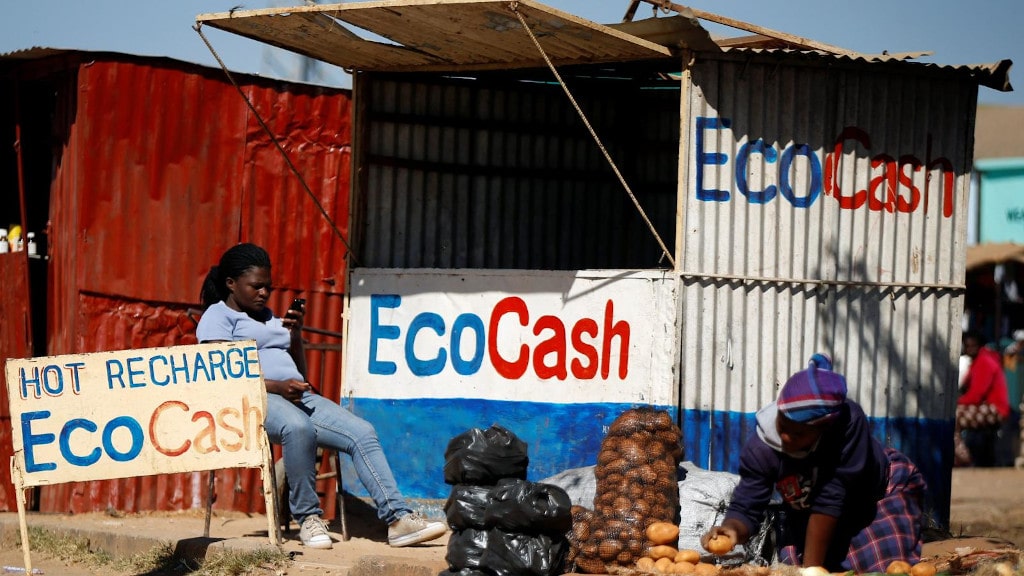
Leading fintech platform EcoCash has launched an all-in-one “super app” integrating payments, chat and lifestyle services into a single platform, in a push to deepen digital financial inclusion.

Advertisement

Developed by Sasai Fintech, a unit of Cassava Technologies, the app signals EcoCash’s shift towards a fully integrated digital and social ecosystem that goes beyond traditional payments.

In a statement, EcoCash said the platform responds to growing demand for seamless, mobile-first solutions that combine communication and transactions.

“With mobile devices now central to how people live, work and transact, we have reimagined the EcoCash app to deliver a secure, convenient and integrated digital experience,” the company said.

Advertisement

A key feature is social payments, allowing users to send and receive money within chat conversations without switching apps. The platform also includes automated bill-splitting, enabling users to divide shared costs in real time.

The app integrates merchant payments, bill settlements, and airtime and data purchases into a single interface, aiming to reduce transaction time and data costs.

EcoCash said the platform also supports content monetisation, allowing users to create and earn income directly, targeting Zimbabwe’s growing community of digital creators and small businesses.

Advertisement

The company said the super app forms part of a broader innovation pipeline that will include stablecoin-based remittances and other digital financial services, supported by investments in artificial intelligence.

Sasai Fintech recently partnered with Circle, an internet financial platform company, to advance stablecoin adoption in Africa.

Advertisement
Continue Reading

Trending

Copyright © 2022 VicFallsLive. All rights reserved, powered by Advantage