BY WANDILE TSHUMA
Zimbabwe’s push to rebrand itself on the global stage is being undermined by a deepening funding crisis that has left key diplomatic missions in disrepair and staff facing eviction threats, lawmakers have warned.
A parliamentary report presented on Tuesday shows a stark disconnect between rising foreign currency inflows and the deteriorating state of the country’s embassies abroad. While diaspora remittances surged to nearly $1.8 billion in the first three quarters of 2025 and exports jumped 27%, Treasury released only about 60% of the Foreign Affairs Ministry’s budget.
The shortfall, equivalent to over ZWG1.2 billion, has “critically hampered” operations and stalled infrastructure upgrades at missions meant to anchor Zimbabwe’s international presence, according to the Portfolio Committee on Foreign Affairs.
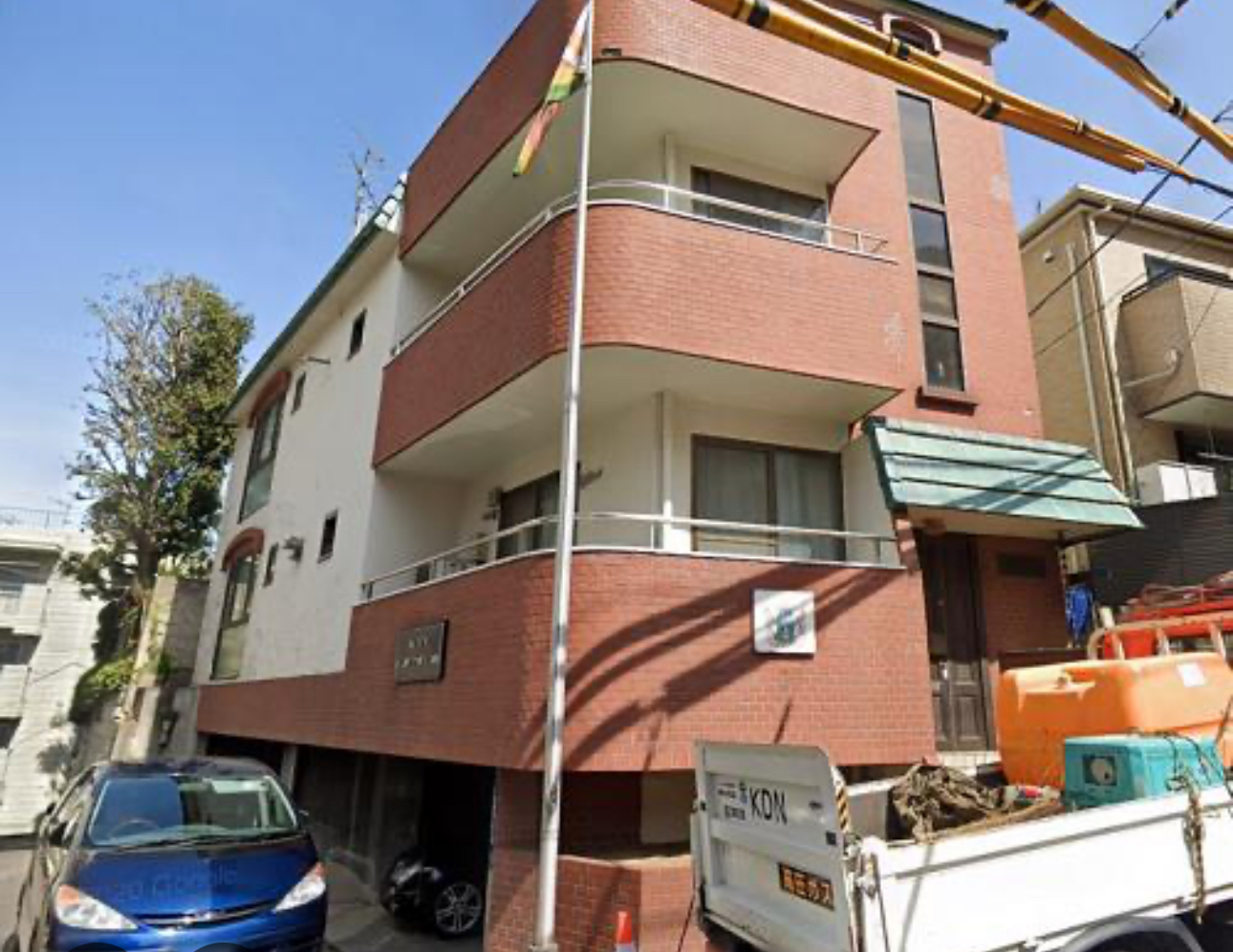
“The substandard condition of missions… projects an image of resource scarcity and neglect,” the report said, singling out the embassy in Japan as emblematic of the decline.
Renovation delays in key capitals such as London and Berlin, alongside stalled construction projects in Abuja, have eroded Zimbabwe’s diplomatic standing, lawmakers said. The ministry failed to meet targets to renovate or construct properties, missing at least five planned upgrades by September 2025 due to lack of funds.
Members of Parliament warned that the deteriorating infrastructure risks sabotaging the government’s “Brand Zimbabwe” campaign, which seeks to attract tourists, investors and trade partners.
“If we want to attract investment and build strong relations, we must present ourselves in a dignified and professional manner,” one lawmaker said during debate, adding that underfunded embassies “do not present the actual face of the country.”
The crisis extends beyond bricks and mortar. MPs said erratic funding has disrupted day-to-day operations, leaving missions struggling with basic costs such as fuel, ICT support and staff welfare. In some cases, diplomats abroad face “evictions and lockouts” due to unpaid expenses, Parliament heard.
Underfunding has also weakened Zimbabwe’s ability to assist its citizens overseas and curtailed its participation in global diplomacy. “Underfunded embassies are often unable to assist globally dispersed citizens, even in emergencies,” another MP said.
The situation has created what analysts describe as a fragile diplomatic architecture — one buoyed by strong economic inflows from the diaspora and export growth, yet hollowed out by fiscal constraints.
The committee noted that while Treasury has provided average monthly reimbursements of about $6.3 million to support missions, the funding gaps have “compromised the Ministry’s performance” and delayed critical projects.
This contradiction is particularly striking given the government’s emphasis on economic diplomacy. Export earnings reached $8.57 billion between January and November 2025, sharply narrowing the trade deficit, while tourism campaigns under the “Brand Zimbabwe” banner have boosted international arrivals.
Yet lawmakers cautioned that without adequate and timely funding, these gains could be undermined.
“Funding must not be allocated on paper. It must be released on time. Without that, even the best plans will fail,” one MP said.
The committee urged Treasury to prioritise full and timely disbursements to restore Zimbabwe’s diplomatic infrastructure, warning that continued neglect could damage the country’s global image and weaken its ability to compete for investment.
“Embassies are the face of the nation,” the report concluded. “Without resources, that face risks becoming a liability rather than an asset.”



 Slider3 years ago
 National5 years ago
 Tourism and Environment4 years ago
 Special reports4 years ago
 Opinion4 years ago
 National4 years ago
 National3 years ago
 National3 years ago