Connect with us

Slider

Zimbabwe’s focus on wheat set to yield biggest-ever harvest

Published

on

BY FARAI MUTSAKA

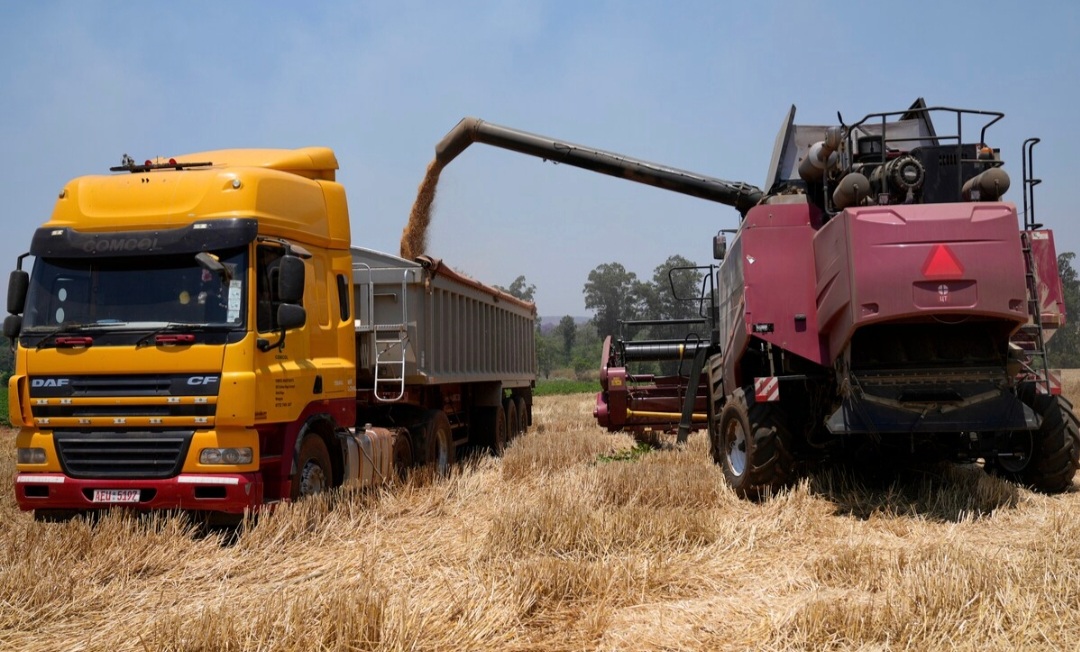
Zimbabwe says it is on the brink of its biggest wheat harvest in history, thanks in large part to efforts to overcome food supply problems caused by the war in Ukraine.

Advertisement

But bush fires and impending rains are threatening crops yet to be harvested.

Like other African countries, Zimbabwe has for decades relied on imports to offset low local production.

After Russia’s invasion of Ukraine resulted in global shortages and price hikes, the country wanted to ensure “self-sufficiency at all costs,”  Agriculture deputy minister Vangelis Haritatos told The Associated Press this week.

Advertisement

The country expects to harvest 380,000 tons of wheat, “which is 20,000 more than we require as a country,” Haritatos said. That is up from about 300,000 tons produced last year.

“We are most likely to get the highest tonnage since 1962, when wheat was first introduced to Zimbabwe.

“A lot of countries are facing shortages, but the opposite is happening in Zimbabwe.”

Advertisement

While other hunger-stricken African countries are struggling with reduced wheat imports due to the war in Ukraine, Zimbabwe is looking at using its anticipated surplus of the grain to build “a small strategic reserve” for the first time in its history, Agriculture minister Anxious Masuka told journalists earlier this month.

This would cushion Zimbabwe against future shocks.

Masuka said Zimbabwe plans to bump up wheat production to about 420,000 tons next season, giving the country room to keep building its strategic reserve and become an exporter of the grain.

Advertisement

Wheat is Zimbabwe’s most important strategic crop after corn.

African countries — which imported 44 percent of their wheat from Russia and Ukraine between 2018 and 2020, according to U.N. figures — were hit hard by the global shortages and price hikes of grains as a result of the war.

The African Development Bank has reported a 45 percent increase in wheat prices on the continent.

Advertisement

African nations were at the center of Western efforts to reopen Ukraine’s ports as the United States and allies accused Russia of starving the world  by denying exports from Ukraine, a key global grain exporter. African leaders also visited Russia to meet with Putin over the issue.

Zimbabwean President Emmerson Mnangagwa in April described the war in Ukraine as a “wake-up call” for countries to grow their own food.

The answer in Zimbabwe has been to empower local farmers, said Haritatos, the deputy agriculture minister.

Advertisement

That included roping in hundreds of small-scale, rural farmers to start growing a crop that was traditionally reserved for large-scale commercial farmers, improving water supply infrastructure and distributing fertilisers to small-scale farmers as well as increasing private-sector participation.

The crop was introduced for the first time to areas and farmers who had never grown wheat before.

Winter corn production has given way to wheat in many areas, with Zimbabwe banking on corn reserves to meet demand for the staple food. Land used for growing wheat increased from 66,000 hectares (163,089 acres) in 2021 to 75,000 hectares this year and will grow to 100,000 hectares next season.

Advertisement

“A lot of countries discount small-scale farmers because they are so small that individually they cannot effect much change,” Haritatos said.

“But we organized them into clusters and convinced them that it was possible. The quality of most of their crops is premium.”

He said the war in Ukraine had made Zimbabwe “realize that we shouldn’t rely on other countries for food that we can grow on our own.”

Advertisement

However, Zimbabwe’s wheat is predominantly soft, and there is a need to blend it with imported hard wheat varieties to produce quality flour for bread, according to the Grain Millers Association of Zimbabwe.

But the government has ruled out imports amid the surplus, saying a special permit would be needed.

The wheat harvest runs from October to December. However, both farmers and the government are concerned by the threat of raging bush fires and imminent rains.

Advertisement

They say the fires are more devastating than in previous years as climate change contributes to an extended dry season.

“Farmers are increasingly getting worried about the time factor. It looks like the rains will be upon us soon. Wheat should be out of the fields,” said Paul Zakariya,

director of the Zimbabwe Farmers Union, which represents small-scale growers.

Advertisement

Officials said bush fires destroyed wheat worth nearly US$1 million in a single week in mid-October.

Zimbabwe is amid the “fire season,” characterised by severe heat and strong windy and arid conditions that precede the rainy season.

The government says it has deployed more combine harvesters to help farmers speed up the harvest and is carrying out fire prevention awareness programs.

Advertisement

The country’s environmental management agency has described bush fires as “one of the greatest environmental challenges of our time. – AP

Advertisement
Continue Reading
Click to comment

Leave a Reply

Your email address will not be published. Required fields are marked *

National

Zimbabwe approves US$92 million Victoria Falls infrastructure deal

Published

on

BY WANDILE TSHUMA

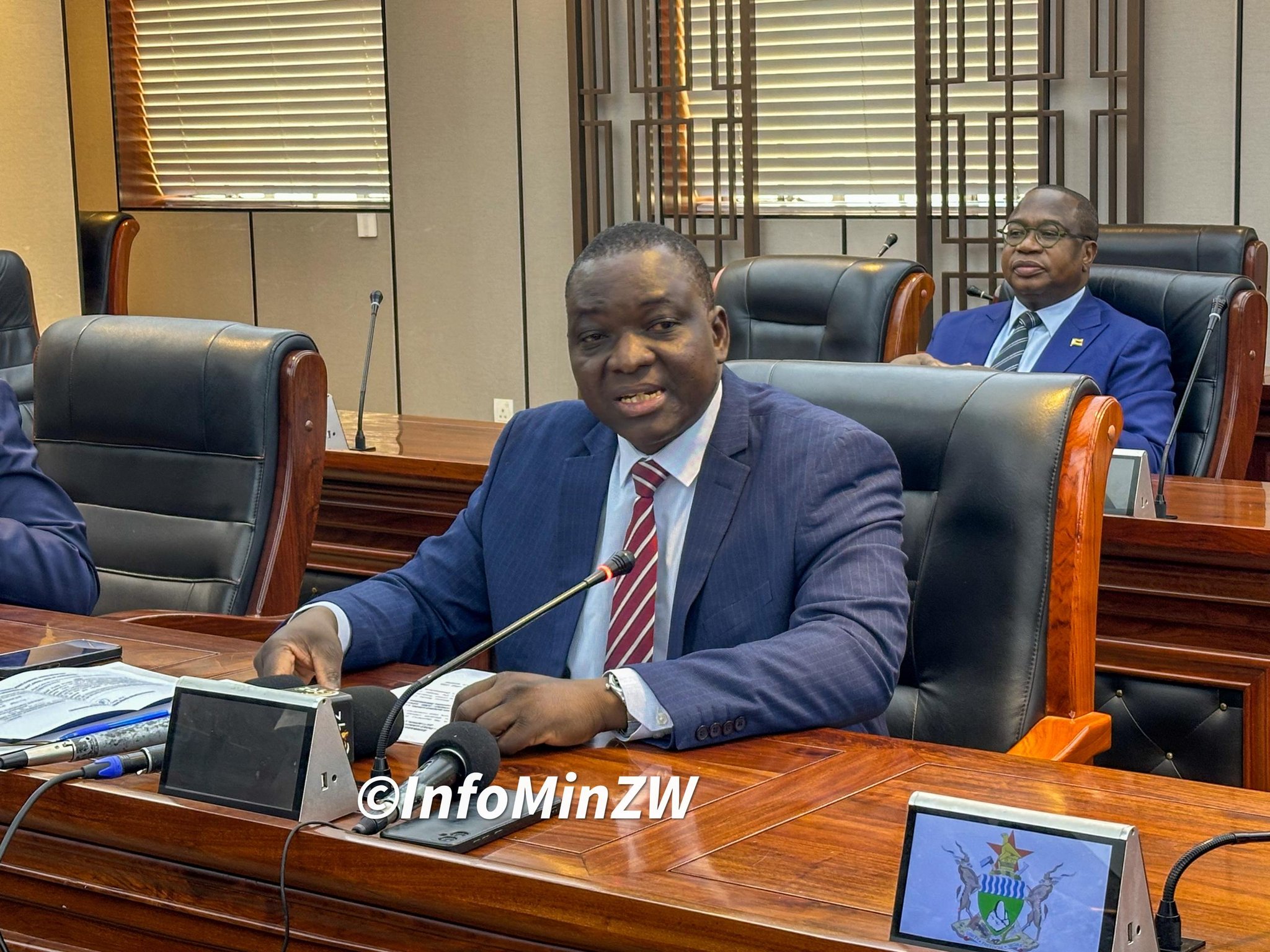
The government has greenlit a major public-private partnership (PPP) to develop critical bulk infrastructure within the Masuwe Special Economic Zone (MSEZ), a move aimed at transforming Victoria Falls into a premier international hub for finance and tourism.

Advertisement

The project, approved during the Tuesday cabinet meeting, establishes a commercial joint venture (CJV) between the state-owned Mosi Oa Tunya Development Company (MTDC) and the JR Goddard (JRG) Consortium.

According to the government briefing, the MSEZ is a “flagship national development project” established to “transform Victoria Falls into a diversified, high-value hub integrating tourism, financial services and sustainable real estate”.

Under the terms of the agreement, the JRG Consortium—which includes JR Goddard Pvt Ltd, Sesani Pvt Ltd, Stewart Scott Zimbabwe Pvt Ltd, and GGF Africa Pvt Ltd—will provide funding of US25.6 million.

Advertisement

This arrangement results in a shareholding structure of 39% for MTDC and 61% for the JR Goddard Consortium.

The infrastructure roadmap for the 1 200-hectare site is extensive. Planned works include the surfacing of 8 km of internal roads, the upgrading of 9 km of existing gravel roads, and the construction of a 13 km water pipeline designed to serve both the economic zone and neighbouring communities.

Additional developments will feature a package water treatment plant, a sewerage reticulation system, a power sub-station, and effluent re-use storage ponds.

Advertisement

Cabinet said the project was subjected to a “rigorous evaluation” in compliance with the Zimbabwe Investment and Development Agency (ZIDA) Act.

Officials believe the partnership will “catalyse high-value investment” and provide a “sustainable fiscal contribution to gross domestic product (GDP)” while creating downstream jobs.

The government said the project is expected to “catapult the transformation of Victoria Falls into a modern and vibrant economic development city, fulfilling the attainment of Vision 2030”.

Advertisement

The joint venture includes a 25-year structured profit recoup period and will be overseen by a board chaired by the MTDC to ensure alignment with the country’s National Development Strategy 2.

Located within the Kavango-Zambezi Transfrontier Conservation Area (KAZA-TfCA), the Masuwedevelopment is seen as a strategic pivot for Zimbabwe to diversify its tourism-dependent economy into a more robust financial services and real estate centre.

Advertisement
Continue Reading

Nkayi

Burial preparations underway for Nkayi well tragedy victims

Published

on

BY NOKUTHABA DLAMINI 

The Nkayi community is preparing to lay to rest the Grade 2 pupil and his neighbor who tragically died in a gas-filled well in Ward 19 last week.

Advertisement

According to Ward 19 Councillor Thubelihle Mabuza Ncube, the young Grade 2 boy is scheduled to be laid to rest today, while the other deceased individual will be buried tomorrow. The community is currently awaiting the arrival of the bodies from the Nkayi regional mortuary. The remains were recently delivered back to the regional mortuary following the completion of postmortem examinations in Bulawayo.

The double fatality occurred when the young student was reportedly lured into a neighbor’s well by an elder to retrieve a bucket in exchange for sweets. The child was quickly overcome by suspected carbon monoxide and a total lack of oxygen. A neighbor who entered the shaft in a desperate rescue attempt also perished after being overwhelmed by the toxic air.

Due to the hazardous conditions within the well, rescuers were unable to enter the shaft and had to use a makeshift wire tool to retrieve the bodies from the surface. Councillor Ncube previously expressed deep distress over the incident, noting that Nkayi is hurting deeply.

Advertisement

While the community mourns, legal proceedings are also in motion. The councillor has indicated that the accused in the matter has been charged by the police. This update follows a series of tragic events in the Nkayi district, including a recent fatal elephant attack in Ward 13.

Advertisement
Continue Reading

Binga

Poet’s pen turns to philanthropy: Obert Dube’s mission to clothe and educate Zimbabwe’s youth

Published

on

BY NOKUTHABA DLAMINI

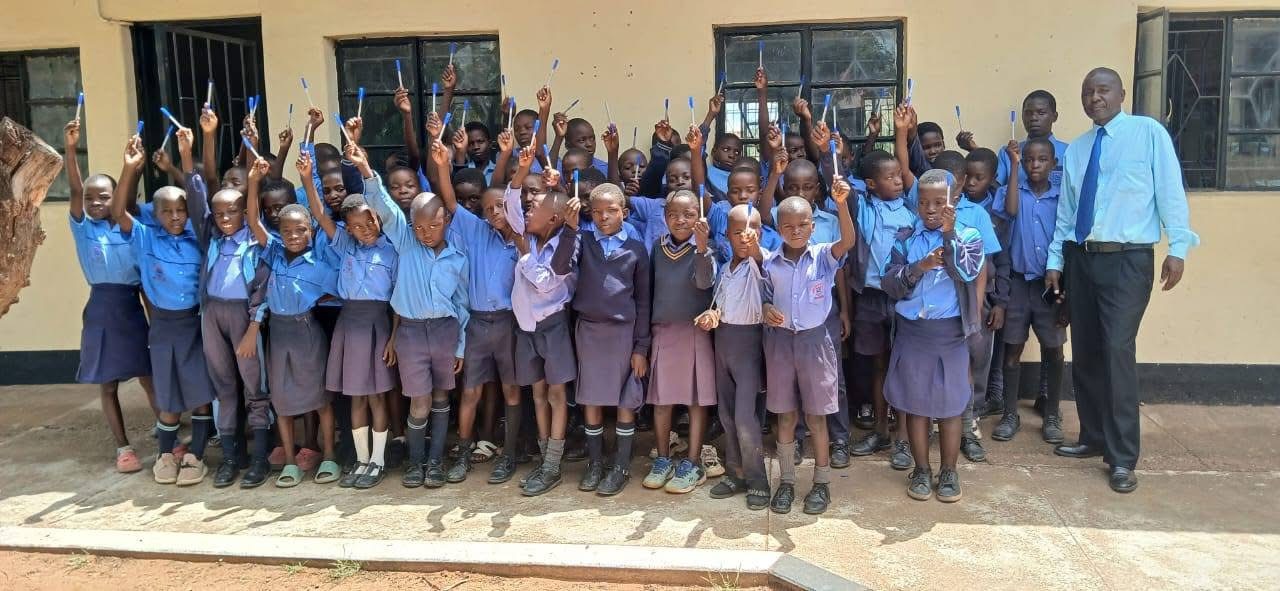
For Obert Dube, a renowned African poet, the stage is no longer just a place for performance; it has become a platform for a massive humanitarian effort aimed at Zimbabwe’s most vulnerable children. Since November, Dube has traversed the rugged terrains of Matabeleland North and South, visiting over 100 schools to provide essential supplies to students who, much like his younger self, are struggling to stay in the classroom.

Advertisement

Obert Dube

Dube, who describes himself as an “African poet… born and bred in Zimbabwe,” has dedicated his career to what he calls a “mission of mercy.” His work focuses on children who are often forced to drop out due to a lack of school fees or basic stationery. “I’m an African poet… a philanthropist engaged in a special mission,” Dube said in a recent interview. “I help vulnerable children… who sometimes fail due to school fees. Some approach me for help with registering for examinations.”

The poet’s motivation is deeply rooted in his own childhood trauma. Raised by a widowed mother who passed away before his final exams, Dube became a “child parent” at a young age. He recalls the humiliation of attending school in borrowed uniforms and the struggle of trying to learn without the most basic tools. “I remember some raised by elderly grandparents… their parents are passed on,” Dube explained, noting that many guardians cannot afford books. “They will spend the rest of the time at school without writing, and that is what is contributing to low pass rates.”
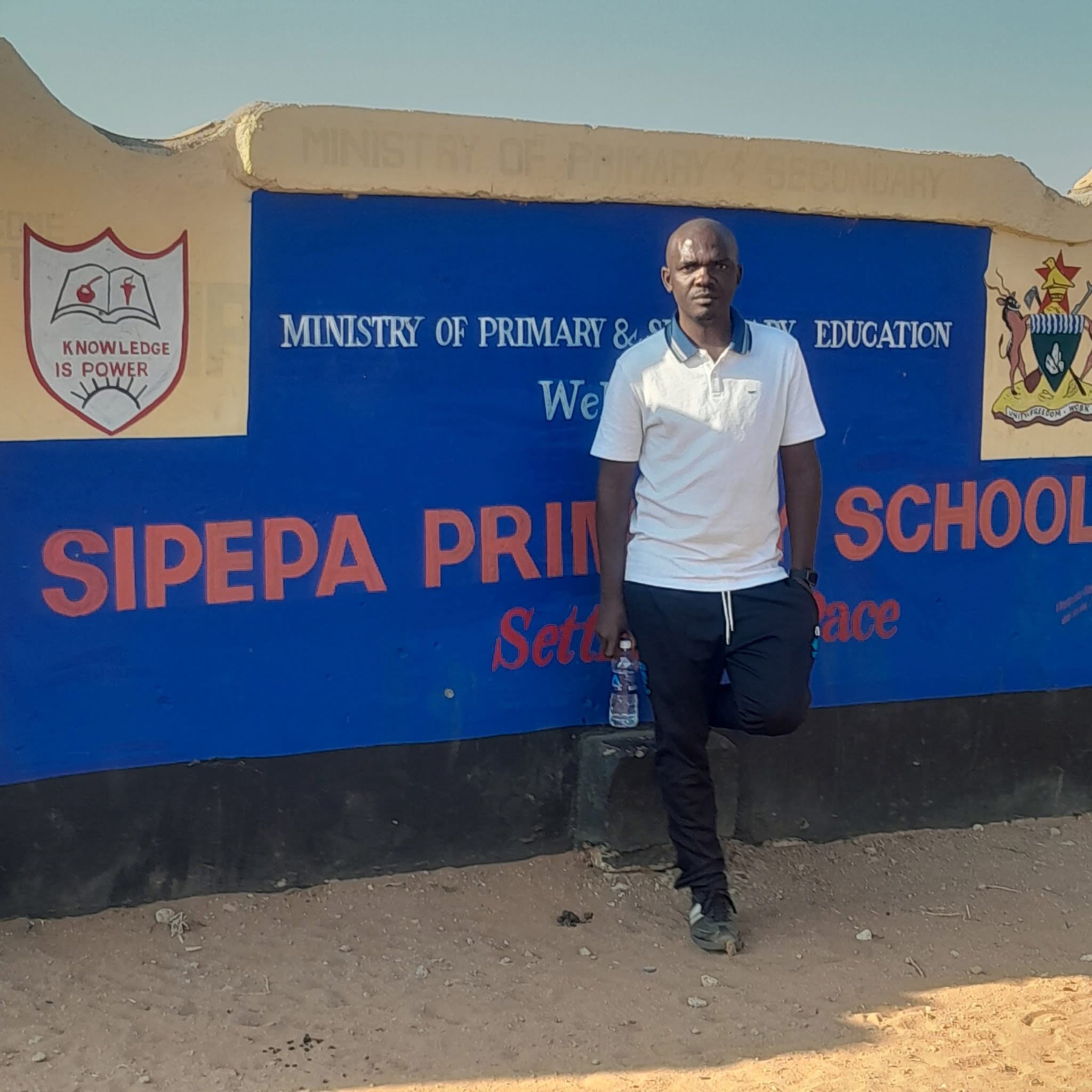
To fund this initiative, Dube allocates 30 percent of his earnings from every performance to purchase stationery and pay school fees. His reach has expanded to districts including Nkayi, Binga, Lupane, and Hwange. While he started alone, his social media presence has attracted global support, including a Zimbabwean-born UK citizen who recently donated football kits for the schools. “This is a different thing collectively that builds helping our own communities,” Dube said.

Advertisement
Continue Reading

Trending

Copyright © 2022 VicFallsLive. All rights reserved, powered by Advantage