BY FARAI MACHAMIRE
Zimbabweans face at least two more years of power shortages as the government works to stabilize electricity generation and meet demand, the Minister of Energy and Power Development, Edgar Moyo, has revealed.
The country’s daily power generation currently averages 1,232 megawatts (MW) against a demand of 1,735 MW, with imports and load-shedding bridging the shortfall.
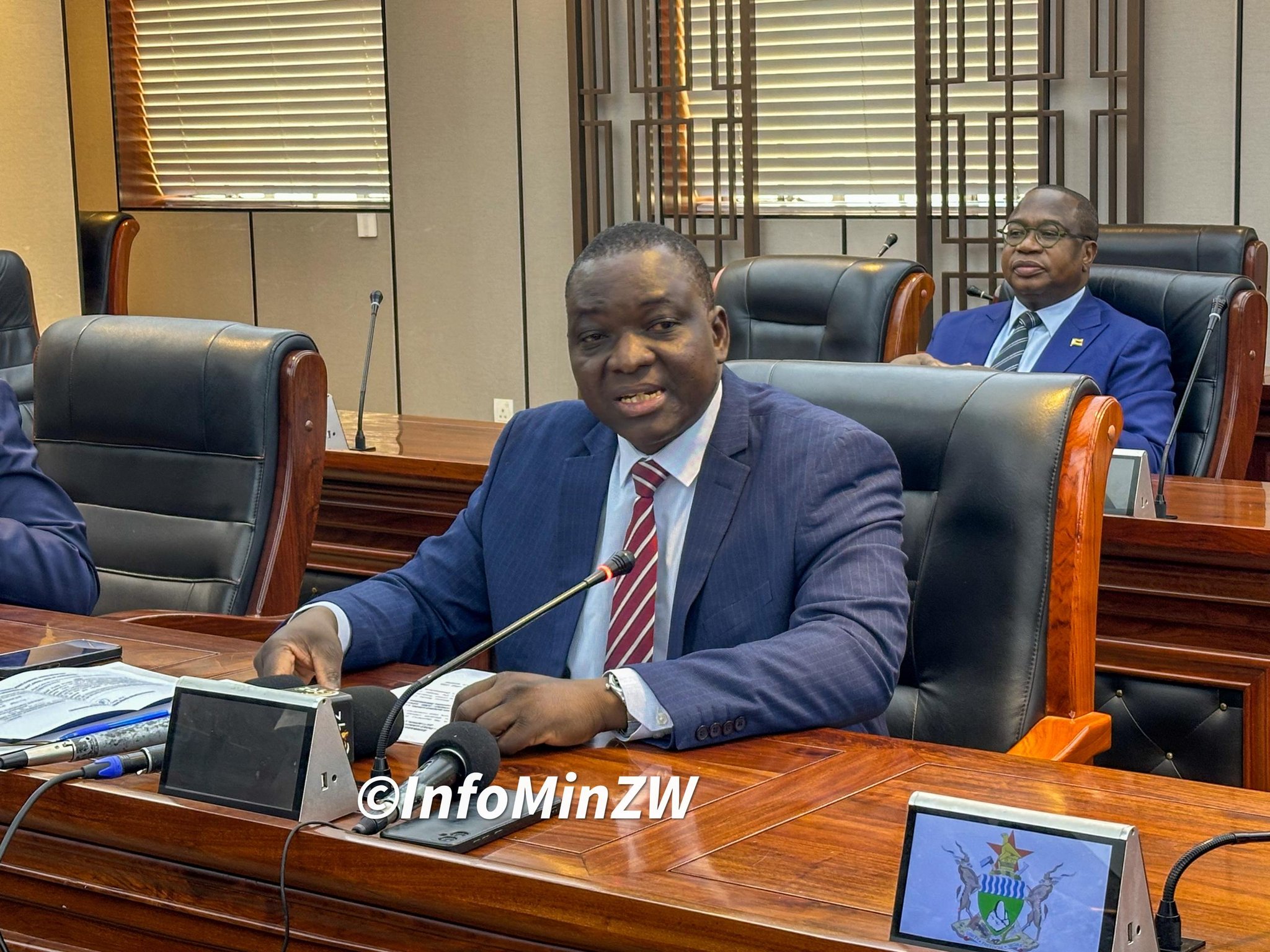
Speaking in Parliament (Senate) on Wednesday and quoted on ZimLive, Moyo painted a grim picture of the nation’s energy landscape but assured citizens that ongoing and upcoming projects would eventually close the gap.
“The refurbishment of Hwange Power Station’s Unit 5 will add 160 MW to the national grid by August 2026, helping address the electricity shortfall,” he said. Additionally, Unit 7 at Hwange will undergo maintenance in January 2025 to ensure its long-term efficiency.
Water shortages have further constrained electricity generation at the Kariba Power Station, which produces only 104 MW out of its 1,050 MW capacity due to low water levels.
However, Moyo highlighted a 68.75% increase in water allocation for power generation in 2025, stemming from an anticipated above-normal rainfall season.
“This will significantly increase power availability next year,” he noted.
A recent nationwide blackout on November 24 disrupted the fragile energy system, with power restored after seven hours. The cause of the disturbance is still under investigation.
To mitigate load-shedding, the government plans to rely on Independent Power Producers (IPPs), which currently contribute over 200 MW, and accelerate renewable energy projects like solar farms. Projects such as the Batoka Gorge Hydro Electric Plant, with a potential capacity of 1,200 MW, and the Devils Gorge Hydro Project, expected to generate 600 MW, are also in development.
“The repowering of Hwange units 1 to 6 over the next 48 to 60 months will restore the station’s capacity to 840 MW, significantly stabilizing the power supply,” Moyo said.
On nuclear energy, the minister disclosed that the government is exploring prospects with Russia’s ROSATOM and the International Atomic Energy Agency (IAEA).
Thirty Zimbabwean students are currently training in nuclear physics abroad as part of the initiative.
Despite these efforts, Moyo acknowledged the challenges ahead. “Without significant interventions, the forecast demand of 1,735 MW will continue to outstrip supply, resulting in ongoing load curtailment,” he said.
Zimbabwe’s path to reliable electricity hinges on the successful completion of these projects and the implementation of efficient energy policies. For now, the nation must brace for continued power outages.
The prolonged outages, now extending to 18-hours a day, have taken a toll on households and industries, affecting productivity and increasing operational costs for businesses reliant on backup power. Critics argue that the government’s reliance on imports and promises of future projects have not eased the immediate burden on citizens.
SOURCE: ZIMLIVE




 Slider3 years ago
 National5 years ago
 Tourism and Environment4 years ago
 Special reports4 years ago
 Opinion4 years ago
 National4 years ago
 National3 years ago
 National3 years ago